
BY R.D.
A crucial or strategic marriage:
PART- I
Many governments recognize the importance of modernization and are making efforts to improve their infrastructure, such as roads, bridges, stadiums, and technology.

Several residents, however, have voiced their reservations about the prospect of foreign investment, arguing that it provides the impression that impoverished and developing nations are being treated as though they were still under the control of their colonial masters.
It’s as if the rule-making process is reserved for the wealthy, powerful, and politically connected. Recently, numerous studies and publications have focused on China’s expanding global influence.
Experts noted that China may not be the sole source of these new investments, but the number of Chinese-based companies, especially in the Caribbean and several African countries, is expanding at an alarming rate, and many local mom-and-pop shops are being displaced by Chinese-based businesses.
Nonetheless, it is impossible to deny the massive changes that occur when new owners take over what was previously a locally owned grocery and electronics store.
Who actually reaps the benefits of these ostensibly advantageous investments? Is it the people who are most in need or those who stand to benefit personally from leadership or other political connections?
What strategies do these leaders utilize to effectively manage any repercussions of their decisions?
Although I lack expertise in Chinese expansion and do not personally own a local business in any of the locations I have looked into, it is important to acknowledge that this issue has become a significant global geopolitical concern.
According to some economists, the main reason certain developed countries are upset is that they lost out on these lucrative investment prospects, while others have politicized the issue.
Hey, they keep coming in, huh?
There is a growing concern among residents that this platform may lead to an influx of cheap goods, leaving the local goods and services to be overshadowed and swept away like debris.
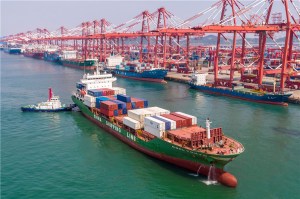
I spoke with a few experts and friends to gain a deeper understanding of the trend, but they cautioned that little can be done in these political systems, especially in impoverished and developing countries, where the leader frequently retains the final say on deals despite citizen complaints.
Despite open disagreements, industrialized nations often maintain relationships in other crucial areas.
If your country gets a cold when they cough or you get a gift you can’t refuse, it’s not a marriage, but an arrangement.
As I’ve already mentioned, it’s quite intriguing to contemplate where certain leaders choose to draw the line. Or perhaps they can now undo the influence that has engulfed their communities.
These tempting delicacies are hard to resist.
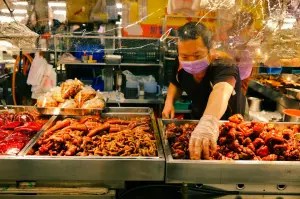
While this topic may spark heated debates globally, it’s worth noting that certain countries face challenges such as low credit ratings, high corruption rankings, and significant issues like crime rates, brain drain, and disinvestment from other industries.
It is not anti-Chinese, and neither are their investments. Many of these countries have Chinese descendants and businesses that date back decades to colonial rule.
Furthermore, they cannot be held accountable for a range of other local sandstorms, such as high unemployment, crime, poor education, poor leadership, and a failure to lift people out of poverty. I will go over some of these things later.
They have, however, made significant contributions to the development of several impoverished and developing countries. My primary focus is on marriages that may require future counseling.
These eye-catching treats, resembling a dangling Pinata of some sort. A Pinata, on the other hand, frequently leaves behind a mess that must be cleaned up by someone else after the celebration is over.
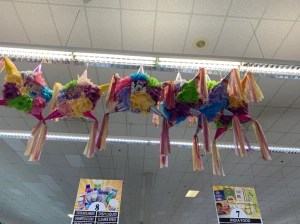
This vibrant hanging package has succeeded in convincing numerous political leaders to go on strike in order to obtain some of its treats.
The unfortunate reality of poor governance, economic stagnation, persistent crime, increasing inequality, and poverty is that they all frequently open the door to forced marriages in the hope of finding a better life somewhere else.
But, once the honeymoon period is over, what will it take to maintain the community’s socioeconomic and environmental relationship when the marriage’s true purpose is revealed?
Additionally, when the dirty laundry of high debt accumulates, they now hold the key to your main house and can decide who gets in and who gets out.
Consider expats who send food products to their families that used to be a lifeline, or the expense of clearing an online purchase from another country with advancements in technology.
Are the recent tax hikes implemented by your government leaders, some of whom possess unchecked authority on import fees, especially as reports have indicated many of these ports are not owned by the local governments or private companies?
Therefore, as some have argued, these fees amount to a deterrence to purchase imported goods locally. One report also noted many locals can no longer afford to shop online due to fees that often exceed the price of the item purchased from another country.
These items can now be found at a charming local store in the international flair isles.
Additionally, airport security may compel you to pay for personal items such as shoes, electronics, or gifts for loved ones. Again, one visitor noted the recent frustration of having to clair the local customs; she is no longer considering bringing any personal items.
A close-up look at a few weddings.
Strategic partnerships and diplomacy are always beneficial, and here are just a few examples from the archives; you can add your own.
According to reports, it’s worth mentioning that Chinese lenders have a significant stake in Africa’s private and public external debt, which has skyrocketed to $696 billion from 2000 to 2020, marking a more than fivefold increase.
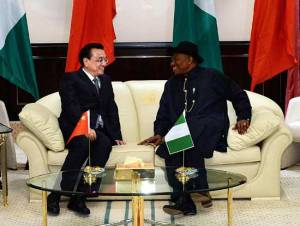
Nigeria
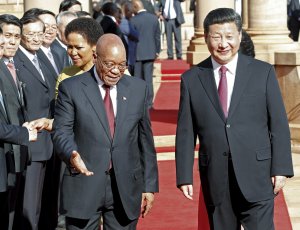
South Africa
Of course, there may be a few instances of debt forgiveness, but it’s really just a drop in the bucket when you consider how it extends to other regions like the Caribbean.
Collaboration between these islands remains critical, for economic growth to move peopel out of poverty. It makes no difference who received the first slaves to the Caribbean.
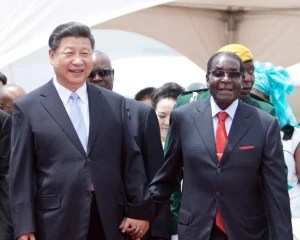
Zembarwae
The economics and the complexity of colonization and the slave trade have already resulted in significant psychological harm across the region. They are, however, inextricably linked, and what happens there may have consequences here.
It’s obvious that foreign investments can have a positive impact on various aspects of a country, such as public safety, education, healthcare, employment, and infrastructure, as noted earlier. This is especially true when these investments bring in new technology and address existing challenges.
The question remains: at what cost to the residents, culture, customs, and weekend market if soon everything is now sold in a building with well-packaged items, and there is no longer a place on the street where you may pull over despite the danger of oncoming traffic to get a fresh fruit or vegetable to eat on a long trip?
Massive imports had washed out their crops, leading the local farmers to lose faith in rain as they moved indoors.
China has a lot of money and power in the Caribbean Community (CARICOM). This isn’t a new thing for some of the countries in the region.

Caribbean region
We understand the important role of the United Nations in preventing conflict, assisting parties in it, addressing poverty, and striving to balance various geopolitical issues through the deployment of peacekeepers and the creation of conditions for peace.
Today, I asked about CARICOM and other African agencies that were established to provide a platform for the underrepresented.
According to reports, a large number of low-interest loans have been made available for medical centers and stadium construction projects in Saint Lucia, Grenada, Dominica, and Jamaica, to name a few.
As many have observed in different regions, there may be potential risks involved, like “debt traps” or imbalanced diplomacy.
Driving on the road they sponsored, which spans around 65 km one-way, can be costly for the majority of Jamaicans due to the toll collected by the Chinese developer, as recently reported.
The dates that led many of them to today’s table.
China, for example, began its Caribbean diplomacy in the early 1970s, or what you might term its master plan. It all began with a high-level visit in 1998 by former Prime Minister P. J. Patterson, who opened an embassy in Beijing and forged a Caribbean Economic and Trade Co-operation.
As early as 2005, Jamaica held the inaugural China-Caribbean trade fair, and this pattern continues today, with no input from the people who elected these decision-makers.
Several reports have stated that Jamaica alone owes China $650 million in debt, with the amount escalating by the day. This is not only in Jamaica but throughout the region.

Photo Credit: 2012-12-1: Reception Celebrating Establishment of Diplomatic Relations Between China and Jamaica
In the long run, experts say, with billions of dollars owed by the government, these lenders may decide what is best for these countries.
Although loans can be beneficial for development projects, it is crucial to thoroughly examine them, particularly those that could pose a potential risk to the environment and create a long-term financial burden for future generations, potentially uprooting them from their way of life.

Tian Qi (R), China’s ambassador to Jamaica, and Jamaican foreign minister Kamina Johnson
A recent loan was awarded for border security reasons: One individual contended that “a loan was highlighted for border security, and since when have countries like Jamaica and China had border issues?”
Furthermore, the country is not experiencing a political crisis, and local residents are not migrating to neighboring islands, parishes, or counties.” But you get the point, so let’s move on while there’s still some sand on the ground.
Many partners are waiting in different places, and many have been served.
Additionally, Forbes noted that China has established itself a prominent role in Africa’s urbanization acceleration, as a sizable portion of the continent’s infrastructure programs is led or financed by Chinese corporations.

China has surpassed the United States as Africa’s largest trading partner, with Sino-African commerce exceeding $200 billion per year.
Even though many African and Asian countries have joined the polygamous families, many experts believe that China’s “socialist market economy (SOEs) and its interests in Africa are geared toward securing enough energy, resources, and minerals to feed its industrialization program.”
Once again, experts must determine whether other industrialized countries should intensify their efforts to secure a share of this lucrative market.
What next? They may need to speak Mandarin.
Who is in charge of these marriages or debt diplomacy:
This is a delicate balance because most decisions in impoverished and emerging countries are political, and ruling party leaders have the last say.
Unlike some of our parents, many of us are more curious and educated about the sacrifices they have made. Some have passed on without seeing the fruits of their labor.

Li Keqiang, P.M. Portia Simpson Miller
For many expats, the connection is forged through our shared heritage, deep roots, or simply a genuine love. We view the ocean from a unique vantage point, far removed from the glitz and glamour of the signing ink and red carpet.
While the is not an indictment on any current or previous leadership, many people are wondering who will be responsible for the next generation’s repayment.
Even if some of these arrangements are on camera, what happens when the camera is turned off, and strategic media only reports on the benefits because they, too, want to be on the good side of any ruling party?
During times of instability and need, political systems may not have the finest credit rating. However, some analysts have questioned who will benefit from long-term investments.
The ultimate goal of opening these marriages remains unclear. Today, in the midst of all the glitz and glamour, it seems that these agreements are only exacerbating the divide between the rich and the rest of society.
Given the progress made by several Caribbean islands, African countries, and other places as a result of their investments, it is worth analyzing if they currently have any alternative possibilities, especially compared to other nations that have shifted their focus.
Nonetheless, the question remains: where is the equilibrium, especially if your traditions, as some have pointed out, are dwindling?
The situation boils down to this: once the milk has been obtained from the cow, can it freely roam and graze on a lush patch of green grass without any barriers to prevent it?

Dominica Republic

Trinidad & Tobago
Who is on the side of the poor when investment bankers are on the side of the rich, or is it always a financial investment or a covert exploitation?
“You cannot expand trade agreements or achieve other progress while seeing your international competitiveness diminish. “Where are the long-term economic benefits to indigenous peoples in terms of raising their level of living?”

Trinidad & Tobago
Numerous experts have noted that poverty rarely transforms, while many leaders have benefited from a slice of the global pie. As previously stated, these arrangements frequently have a remarkable similarity to colonialism with a fresh face, whether forced or not.
I own your ports, roads, and markets now what next on the agenda?
Those governments may be forced to use their own land as collateral if their investors’ ATMs start ringing for payments and these countries cannot afford to pay them back.

You may soon need to master these investors’ language in order to conduct business.
While new businesses may have helped to reduce unemployment rates in some areas, poverty endures due to widespread underemployment, low-skilled careers that earn low income, and little or no employee protection for individuals employed by these businesses.
Furthermore, when some of these new businesses are created, they frequently bring their employees with them. The few locals who have found work have no career path to management, and have no job security.
These issues, if not addressed holistically, not only result in the loss of the middle class but also in the relocation of people from coastlines, as I have seen the sand being swept from their feet.
Unfortunately, many elected officials, who frequently appear to benefit by the accords, as experts have stated, frequently fail to maintain environmental damage while using the media to create false impressions, particularly during an election cycle.
Regrettably, it seems that the local stores aren’t the only aspect of society that requires a delicate equilibrium in these investments.
There seems to be a correlation between the trendy new food package and the limited supply of locally grown yams, bananas, and avocados.
Today, some believe that locally produced products, such as fruits and vegetables, are relegated to tiny niches, such as information carriers covered by international media, while local customs and cultural identity are pushed to the back rack of these stores.
PART- 2
Everything is on the table, including the coasts, oceans, and mountains.
I aimed to demonstrate that everything is interconnected; however, I ended up making this report longer than intended, so I chose to include part two to capture these tides.
Experts have noted that NGOs and government programs have contributed billions of dollars to climate change programs in poor and developing countries, despite the lack of accountability for the Ecosystem Partnership Fund.
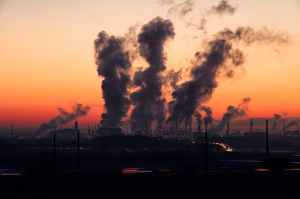
Some residents believe that not much progress has been made and that more could have been done today to tackle environmental issues arising from some of these modernization projects.
Despite the fact that polls conducted by local governments constantly reveal that these communities want the government to force firms to report climate risks before beginning any project.
Some countries have done a decent job, but as previously stated, access to ATMs can easily lead to forgetting to inspect your surroundings.
Specialists and educators, trained to monitor and manage these long-term consequences, often go unnoticed.
There have been proposals, environmentalist meetings, stream cleaning, and improved trash disposals, but concerns are frequently caught in the political whirlwind.
Poor environmental and economic policies often lead to the uprooting of valuable places, despite it being a global concern.
Regrettably, the delineation of boundaries remains elusive, particularly due to the closure or downsizing of key businesses that once served as the backbone of these countries in the past decade, leaving many residents with limited opportunities to secure alternative, safe, and well-paying employment.
Erosion is unconcerned about which party is in power. However, it is highly likely that the party leading these ventures will hold power in these nations for an extended period. I have no data on that, but that’s normally the case.
Yes, certain much-needed global investments have enhanced the quality of life in some areas, such as tax revenue to governments and job creation, but experts caution that they may have long-term detrimental consequences for their local environment. This reinforces the point.
Off-Camera Reality:
Reports indicate that leaders in various underdeveloped countries, particularly in Asia, Africa, and the Caribbean, are actively seeking exploration permits and may have already engaged in negotiations to exploit renowned undeveloped mountains and coastlines that are ecologically significant.

Some of these areas should be preserved because of their cultural and historical significance. People also had to deal with the long-term effects of mining operations that left certain areas vacant after the minerals were mined.
This is an issue that may be seen while traveling on some local picturesque roads, where the poor are sometimes abandoned or exploited as experiment rats to navigate leftover chemicals or abandoned plants after they have benefited and left town.
Some leaders may plant a few trees in some communities in the run-up to an election, before a trip to global events (Paris Agreement) on climate change, or when international organizations asked for an update, but as environmental experts have stated, it fundamentally requires more work to change course.
Others argue that even after leaders leave office, they will benefit financially from the new arrangements.
In case you forgot, here are the effects.
I’m not an expert on global climate change, but ignoring community concerns and recommendations may lead to more dangerous issues, regardless of the political side, and everyone will suffer.
If these areas are not regenerated with trees or other facilities, runoff from paved surfaces may be collected by insufficient drainage or an inadequate infrastructure system and discharged into the water, bypassing wastewater treatment plants.

Several environmental studies have indicated that mining has a negative impact on water quality and availability, as well as deforestation and destruction of forests.
Furthermore, it has the potential to induce erosion in places far from its current location. They typically increase pollution, which can lead to extra health issues and lower local farmers’ crops owing to toxicity that contaminates the soil and crops.
The public must have access to the findings and recommendations of a certified and independent local environmental body, as well as the identities and heads of companies conducting exploration and long-term impact studies.
What lies ahead: Seeing the wedding’s impact upfront
As part of Earth’s ecosystem, tropical coral reefs are essential. The island’s beauty and marine life will suffer if the coral reef continues to erode.
Toxic- and bacteria-free waterways allow a local fisherman to feed his family while drawing tourists and improving air quality. This is a link where the positive impact helps to keep a local pub or corner store open.
In some areas, it appears that fire was extinguished beneath the sea. Warmer temperatures have also been recorded on these islands.
Nevertheless, we took a glass-bottom boat tour on a recent trip with a couple of friends and family. Our tour guide tried to persuade us that it was the best coral in the area.

I wondered whether he’d never visited to other regions of the Caribbean with favorable environmental policies to have a better sense of what a healthy coral reef should look like, or if he was just going through the steps as part of his job.
As with fading plants on land, many of that section coral reefs look like they could use some water to survive despite being in the ocean. It appeared like only a couple of the smaller fish remained for the entire 20-minute trek.
Unfortunately, there are many other places where the ocean is almost at the front steps of local homes overlooking some of these once-beautiful public beaches, and people may have to risk having the sand-swept away from under their feet because there has been little or no investment to protect these areas.
Furthermore, algae-eating Parrot-fish serve an important function in coral reef ecosystems by eliminating algae that compete with corals. Everyone must play a role, including those who want to transform the landscape for profit.

Despite a difficult economic climate, local farmers must be educated and persuaded to pursue fishing in some areas.
According to the report, intensive fishing also has been a major contributor to the decline over the last several decades. However, I’m not sure about the fishing rules, and how they can be enforced without further conflicts.
Certainly, it is important to consider that China cannot be solely held responsible for the issues faced by other communities and local leadership.
However, numerous observers have highlighted that the rapid changes in the landscape, while beneficial in terms of modernization as mentioned earlier, have resulted in a society that is divided and poses risks to the health and livelihoods of some areas.
Who is to blame?
Development or gentrification has overtaken portions of many region’s cultures that appear to be disappearing from the hillside to local shops or a short visit to the fish market, depending on how you see it.
The lack of transparency, accountability, even corruption, and ignorance that has been documented in many impoverished and developing countries has caused anger, distrust, and violence, but what about those that are self-inflicted for the reasons stated?
Unfortunately, no one can say for certain because there are numerous unknown investors, local governments, and even self-interested individuals who may or may not live in these communities and are making decisions that solely benefit themselves.
Regardless of how these countries evolve over the next few decades, the balance remains precarious. Democracy appears to be practiced only on election day in some of these countries, and if we are not careful, it will vanish like the beautiful sand.
Undeveloped coasts can be gorgeous, and some regions can cause you to forget your own phone number and flight time.
A few once-open valued areas, however, have become an idea for many local residents, who used to enjoy a day at the beach, a weekend getaway with the family, or a short pit stop to cool off after a long drive.

There are fewer places to unwind as a result of development. They are forced to travel long distances to avoid paying hefty fees.
The video camera that records reality
Following the broadcast of Part Unknown, a documentary by the late Anthony Bourdain, on CNN on Sunday, November 17, 2014, some viewers became aware of the hidden stratification challenge.
This story beautifully captures the dynamic and captivating nature of the waves of change that swept away the essence from those shores and countless others.
Many cultural legacies are associated with these beautiful places, but few are willing to sell their souls for money.
It seems that some people with wealth have a knack for using the soothing vibes of love to subtly undermine the original culture and its environment, as we can see in this documentary.
The lost voices in the fog, on the hill, and across the white sand and blue waters
Now, the pressing question that many of these communities are wrestling with is: who should be held responsible – the investors, the phenomenon of reverse colonialism, or their local leaders?

It’s rather interesting to observe how many of these leaders, who frequently champion patriotism, cultural preservation, and environmental concerns, ultimately discover themselves joining the ranks of the elite and the wealthiest once they venture into politics in the Caribbean and African regions, as experts have noted.
This situation has left people scratching their heads and pondering how it all came about.
For a young police officer, teacher, nurse, or even support staff with a modest salary and a limited budget, buying a home in an area where they can contribute to the safety, health, and education of the community seemed like an insurmountable challenge. This was especially true in areas near these beautiful beaches.
If some individuals believe they are not given a fair shot in the economy or that their problems are not being addressed, such attitudes can lead to crime, violence, and more division.
A local street vendor identified one of the remaining natural beaches, and he described the legal battle he had fought to stay there.
Some of us can afford to stay in a handful of these hotels, where everything is a one-stop shop, but what about the local creators who may earn money by selling handmade gifts a few blocks from these new doors?
If these investments aren’t carefully balanced, they might have a lasting negative impact on the surrounding areas, which are crucial for their well-being.

My purchase from Ras on the outside gated beach
Underneath the comforting feelings, there is a friendly grin that welcomes you. The street vendor asserts that ensuring everyone receives their fair share presents a significant challenge for the legislative body.
The idea that a public park would be inaccessible is difficult to fathom.
Personal accountability, however, is still crucial, as mentioned earlier. A different seller said, “Some of these now-closed coastlines that became private beaches were the result of self-inflicted injuries by residents.”
When the area was free, it was scattered with trash and criminal activities, but no one appears to care any longer. Someone say the gen in the sand, built the area, and today part of the previously free access comes at a premium.

Economic and environmental policies enacted by the government should benefit everyone, not just wealthy capitalists. A delicate balance must be struck to preserve their natural habitat while also providing them with a chance to live a decent life.
Conflict, violence, and isolation are the inevitable results of policies that further restrict the upward mobility of people and raise the risk of health problems, according to experts.
Tango needs two individuals to sustain its rich posture, dance, history, and culture.
Yes, these things happen in a capitalist system, but how should they be balanced?”
Nothing will stop sand from being gently pushed beneath their feet unless concerned residents hold political authorities and even powerful environmental groups responsible.
The quality of life will suffer if there is no leadership to protect the natural beauty of these places.
Even though I will not have a vote on the next phase of any proposed project, nor will I have a financial stake in these contracts, I believe that environmental and social policies may coexist in harmony as long as they are balanced and beneficial to all.
“My island don’t sell out,” said Burning Spear, one of Jamaica’s favorite reggae stars, in a song. I believe the Lyrics traverse many oceans, mountains, rivers, and hills across the world.
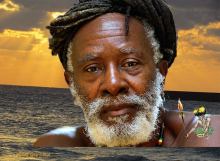
I’m still hoping that the sun will shine once the clouds have passed.
See you again soon!
 GLOBAL COLLABORATION, EMPOWERMENT, LEADERSHIP, WELLNESS, AND RESILIENCE