By R.D.
Her Story/Their Stories

She’s gone way too soon, and who is going to be the next victim?
How do you comfort the mother of Yetanya Francis, a young woman who was murdered and maybe raped, molested, and her lifeless body discovered on August 24, 2018, while out on an errand?
She was cherished and adored by her classmates, community, and friends, and she possessed an infinite number of possibilities.
Regrettably, her future was ruined by an act of violence that many on this coast have witnessed far too frequently, and it is not an accident. Others will have their lives cut short before they had a chance to succeed, which is a tragedy.
Numerous missing and unresolved cases continue to involve young people whose hopes, dreams, and aspirations have been broken by violence.
In light of the atrocities’ unfavorable coverage, many students feel frightened. For some people, the loss of a classmate or a friend can cause long-term psychological damage. Unfortunately, several students will not receive the counseling and other assistance they require to cope.
Data from experts show that when these crimes occur, young girls or boys are frequently sexually abused, or exploited. These atrocities are not the result of the perpetrators having a bad day that turned out badly.
While this young lady’s death was tragic, it is not unique to Jamaica or any of the Caribbean’s other difficult countries. Many parents are still looking for answers to these types of unsolved cases.
No matter how quickly society moves on to the next hot topic, stories like hers must not be forgotten and solutions must be sought out fiercely by the public and law enforcement officials alike.
I’m hoping it doesn’t dissipate quickly in the aftermath of selective fury.
As long as a sexual predator isn’t caught by law enforcement, or one has been released from an institution, or diagnosed with a mental illness so they can receive the proper treatment, or if someone recognizes someone but chooses to remain silent about a thug terrorizing the streets, who knows who will be the next victim.
In the past, these narratives would have typically occupied a few paragraphs within the crime section of a local newspaper or served as a succinct headline on an evening news outlet. Due to the advent of social media, the dissemination of victim testimonies and the subsequent reactions of public officials have now permeated the global sphere.

Few people, especially those in positions of authority, will admit that these cherished moments of freedom, innocence, and limitless possibilities have been ruined.
After the outrage and protests have subsided, her story will become just another one while these parents deal with their grief and continue to be afraid to send their children to school, local stores, or on future educational school trips.
The data: You’ve got to wonder if this is the norm.
In the first place, violence is all around us, and yet it appears that the most typical technique for dealing with violent acts is to place blame, be pessimistic, and divert attention by referring to other countries that have had similar experiences disguised as minimization.
Each year, the Center for the Exploited and Missing Children reports over 800,000 children missing, or nearly 2,000 children per day. This estimate is based on both foreign and domestic data.
Experts point out that, while this is just a snapshot, this information is not widely available in many countries. As a result, you should start your investigation by focusing on your local missing students, or other people, and crimes that occurred, as well as the stories of the victims, particularly one who died as a result of the crime.
Every year, almost 20,000 Australian kids go missing.
Every year, 45,288 children go missing in Canada.
Every year, almost 100,000 children are kidnapped in Germany.
The disease affects 96,000 persons in India.
In 2015, Jamaican authorities reported 1,984 children missing.
In 2015, almost 45,000 children went missing in Russia.
Every year, almost 20,000 children go missing in Spain.
Every year, around 112,853 children go missing in the UK.
Every year, an estimated 460,000 children go missing in America.
This mindset of minimizing and comparison causes tension and worry in the victim’s family and the larger public because of the absence of hope.
Who is next, and a few others who have gone before while you deflect?
A multitude of crimes have been perpetrated both before and after 2014. Possibly still under investigation is the murder of 13-year-old Aliesha Brown, who vanished and was found dead on October 2, 2014.
Had they not taken them away, what would their professional route have been?

Photo Credit: Jamaica Observer, (Associated Pres/J-Flag
The only thing Yetanya cared about was getting to and from school and home without getting hurt or losing her sense of wonder and naiveté.
A mob brutally murdered Dwayne Jones, a 16-year-old transgender adolescent, after he showed up to a street party dressed as a woman, according to reports. How many other Dwayne’s live in fear of their true selves?
Individuals who perceive homosexuals and lesbians as morally repugnant due to their lack of tolerance or harsh views create a chasm in these disadvantaged and developing communities, leading to inadequate medical treatment and even violence.
Because of the stigma and hostility that many parents face as a result of their children’s sexual orientation or gender identity, they are more concerned with the present than with the future.
Many people, not only on these shores, live in fear for their safety and feel guilty as a result of the antagonism, which can result in isolation, homelessness, abuse, a lack of resources, and a lack of access to non-political support groups.
It’s tough to fathom how awful it would be for these parents to discover their child’s lifeless body in the middle of the night on a mountainside, on a side street in a valley, in front of a stream, or at a mortuary.
The delicate selective empathy for justice- while victims’ tears continue
Regrettably, these headlines fade quickly, which is why so many individuals create reform petitions on social media. While something must change, these victims are frequently forgotten in the arguments.
As previously stated, there is a high level of violence in a number of locations.
The killings, kidnappings, assaults rapes, and robberies of many people are all too common.
These criminals (thugs) kidnap students and leave their families waiting for days, months, or even years for their return.

Mentally sick individuals or possible serial killers usually delay, or even join, the crown and wait out the frequent three to four days of media euphoria aimed at cultivating an erroneous sense of empathy.
A visit by the Prime Minister or other prominent figures to a victim’s home in response to these heinous atrocities does little to soothe the victims’ sorrow if there are insufficient follow-up resources and no justice for the victims.
A firm embrace or passionate words from a number of community leaders will not be enough to halt the cycle of criminality and family pain, even if there is no community safety and justice for these violent perpetrators.”
While they may have good intentions, if the same challenges arise with the same talking points and few resources, it is often just a photo opportunity for them.
There are many victims who have gone undiscovered because of their sexual orientation or because they lack a voice as a result of poverty. They are not members of a certain social class, but they are also deserving of a hug or an update on their case status.
Long-term socioeconomic consequences
By taking the innocent lives of these students, discord is created in these close-knit communities. Crime, in general, is not only a public health issue on many of these shores, but it also undermines the hope and security of students, as well as the nation’s upward mobility.

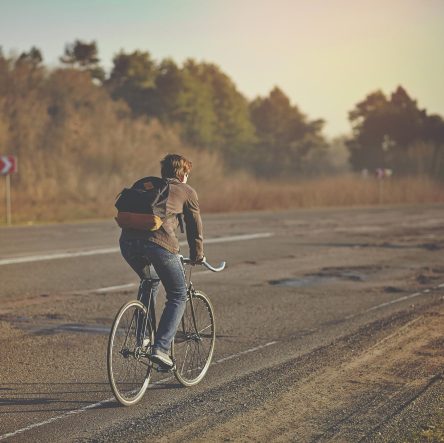
Photo by Nataliya Vaitkevich
For instance, these barbaric doctrines of violence could have contributed to, or have already contributed to, the upward mobility of society for a future scholar, sports star, counselor, or advocate.
No one benefits from a community that remains mute in the face of fresh realities.
As a result, police jobs become more challenging, and the rate of re-victimization and public safety in the neighborhood continues to decline.
Furthermore, it breeds distrust and depression, complicating crime-fighting efforts, increasing victimization, and eroding one’s sense of security.
People shake with fear and paranoia upon witnessing this. Many hardworking and law-abiding people may become victims in the absence of action.
Vigilante justice has been increasingly popular in recent years because of their dissatisfaction, lack of faith in the system, and utter disregard for the rule of law.
Furthermore, it has the ability to put innocent individuals at risk while failing to address the root causes of the problem.
There are numerous such victim stories that exist and will exist in the future; thus, when will the next round of photo ops be completed and the process of building an action campaign begin?
What has changed since the last time these problems were debated in the political arena?
Many political leaders suffering from selective amnesia merely prepare themselves for the revolving election door in which they failed while in power, rather than genuinely serving the demands of their constituents on a variety of fronts during their time in office.
Even if new policies and strategies have been developed are implemented, will they be sufficient to deal with the underlying systemic issue that has existed for years?
The leadership race appears to be held in a vacuum, with the purpose of identifying who controls reality.
As I have stated, the terrible reality is that these fears and outrages tend to fade away after a few news cycles, which is unfortunate.

Countless times have we heard the statement “we’ll find a solution” uttered by authorities, while the cries of local inhabitants are drowned out by the commotion of the crowds.
The fact that some local officials may be afraid and prefer to remain silent in the face of ongoing bloodshed suggests that the deafening silence has contributed to a feeling of normalcy.
Is it feasible for them to approach the church for assistance? I’m not sure what will happen if religious institutions, activists, counselors, and educators are unable to inspire and alleviate sorrow while also giving hope and tranquillity during these challenging times.
Many preachers are forced to turn a blind eye to crime in order to maintain their positions. Now, it appears as though the person with the best weapon is the one who resolves all disputes.
Who is making the decisions?
Organized crime appears to be gaining strength and will soon be able to outgun law enforcement officers, who may already be stretched too thin and lacking in various resources to cope with these new criminal threats properly, according to an increasing number of reports.

Despite the right to hope for better days, there is a quiet sense that the problem is worsening.
As it stands, these atrocities, like political solutions, are the result of a systemic problem that is constantly ignored, and the people who should be working tirelessly to ensure that there is hope, safety, and tangible results to help these cherished wonderful, cultural communities return to the bean of light are not being held accountable for the consequences.
People in many neighborhoods appear to have become numb and indifferent to the steady stream of news reports about violence.
The distrust of police stretches back to colonial times, making it difficult for people to speak up in closing these cases because they regard a few industrious policemen as the enemy.
Trust is further damaged if, as stated, some of those sworn to serve and protect are allocated case numbers as a result of their illicit conduct.
How can the next generation expect a better future if they see their peers’ lives cut short with little or no positive impact??
Is it possible that Jamaica, as well as a few other unstable countries, ended up in this situation?
Crime control measures have, of course, been put in place by the country in order to confront this malignancy of criminality, but many people believe that they have done nothing to restrict the easy availability of high-capacity firearms, to curtail organized crime, to get to the source of these issues.
No one seems to be ready to speak out about a crime because they are afraid they will be the next victim of a lack of support or protection, hence many homicides go unsolved. This could be because the police force is too tiny to adequately cover these congested areas.
An incentive in the form of money is nice, but community policing’s usefulness in building relationships with residents and persuading them that they are not the enemy is invaluable. Officers need your help, but it’s not just about the officers in this case.
Another wave that is rarely told.
Yetanya’s and other young people’s stories have kept me up at night because their single ambition was to be left alone to pursue their dreams.
Some of this societal deterioration can be attributed to economic stagnation, documented corruption, a widening gap between the rich and poor, and high unemployment rates.
If we don’t address this criminal disease, it will only worsen and cause much more social and economic degradation.

This is a far cry from the laid-back and trouble-free atmosphere of Jamaica and a few other troubled islands that frequently welcomed visitors and returning residents.
More than 1,600 people perished as a result of violence in 2017, according to the Jamaica Observer.
Even in areas with a higher level of safety, one would think that law enforcement would have a better handle on these types of crimes. Gunned down while waiting for his son to come home from school, Carlis Blatch worked as an assistant to the Bahamas’ governor-general.
Sadly, even some returning residents who worked their whole lives and returned to enjoy their retirement or make a difference have similar stories.
I’ve decided to highlight a few that are especially dear to me.
Delroy Walker’s death in May 2018 serves as another reminder of the danger that few individuals are aware of and/or willing to confess to others in the community.
After spending time in the United Kingdom and giving back to the island’s youth, he returned to Jamaica only to face attacks and murder.

Photo credit: Steve Walker, whose brother Delroy Walker was murdered in Jamaica
He has been an advocate for youth by giving back and making use of his abilities and resources through his nonprofit organization, which he established.
He was popular with everyone he met, and spending merely a few minutes with him reveals why: his humanity, love for the community, and upward mobility for the less fortunate, as well as his persistent desire to aid people. Furthermore, he was a gentle soul who impacted the lives of many.
Criminal groups that are gradually destroying these once-safe communities pose a significant threat to daily life, despite the fact that his assassins may have been apprehended as of this writing.
Delroy’s death delayed the shipment of numerous charitable barrels of goods intended to aid others on the island. They are now being reconsidered or sold on eBay and Amazon, and they are being kept in a basement or storage center because of safety concerns.
44-year-old Karen Cleary was last seen on Sunday, November 25th while working on her dream home in her birth nation of Canada. Her body was found in a shallow grave on her farm in Boscobel, St Mary’s Parish, according to local news reports.

Yes! To be sure, I recognize that crime is all too common, as are poverty, inequality, and socioeconomic issues.
Criminal activity becomes more appealing to young people when they lack hope, social support, or the financial means to pursue their dreams.
Many people are losing their sense of normalcy.
Many people, including myself, can afford to stay in a private villa and eat some of the best food available. I prefer to see the real thing, pick my own fruits, and nothing brings me more joy than supporting a local street vendor.
Those with a strong heritage also visit their grandparents, uncles, aunts, cousins, and other relatives. But how long will these visits be common if these types of news stories continue?
When I first fell in love with Ras’s business and other local famous spots off the beaten route, I would stop by to gather apples and mangos from Grandma’s fruit trees and wait for Ras’s steam fish supper to arrive in his handcrafted dish.
Yes, you can still find that, but there are fewer and fewer of them each year, either because of the economic downturn in some areas or because of the threat of violence, and these iconic spots are priceless.

Unfortunately, it is vital to keep an eye out for prospective threats.
Many iconic and cultural hangout shops, restaurants, and bars are now only open in the mornings and closed at night, unless they are located in one of the tourist-protected zones.
There are pockets of danger lurking in these natural events and images, like snake poison, which might strike at any time. These natural occurrences and images are not necessarily healthy.
The reality is that crime is causing some potential visitors to reconsider their stay, despite the pleasant air that caresses your cheek, the beam of sunlight, and the peaceful smile that greets you.

I do not suggest that the entire country is now isolated and violent. Many people continue to enjoy weddings and vacations.
However, authorities must acknowledge that this incredible country has been coping with major crimes for decades, and we cannot dismiss these worries by focusing on the next generation to address the underlying causes.
A shift in perspective is required.
With a chilly breeze that makes you feel like you’ve shed your skin like a snake in order to take on a new identity and forget your problems as if you were at an all-day spa, the beach’s white sand and turquoise ocean stay unchanged.
Some experts believe that a wide range of early detection, accountability, resources, and community involvement are necessary to combat crime, but they must also acknowledge that major crimes plague the nation.
Individuals who suffer from a sexual mental disorder or other antisocial dangers, as well as other forms of criminality such as rape, should have resources to help them change their criminal behavior. These concerns demand a comprehensive evaluation and psychosexual therapy.
The education system, which is critical to preparing the next generation of leaders and rebuilding the middle class, appears to be deteriorating.
Today, many young people have dropped out of school, or have to navigate violence in school, are struggling with addiction and mental health issues, and those in higher education have few opportunities for advancement because they are burdened by student loans and empty promises.

In order to prepare the next generation of leaders and re-establish the middle class, the education system appears to be failing.
As my mother once observed, “pure talk seldom results in action.”
There are many people out there who are unaware of the atrocities occurring in this gorgeous location, but the sun will rise again, and you must continue speaking out.
Although tourists are still an important component of Jamaica’s economic engine and other places, the young people I’ve encountered don’t see that as the only source of success, fulfillment, and employment prospects in other industries, which is also crucially important.
After years of photo ops and empty promises, they are ready for genuine options, leadership with a stake in their future, competitive world knowledge that will help them succeed, and not just personal rewards for themselves.
If the correct instruments are utilized to shift course, all is not lost.
Despite the atrocities committed against its people, this island nation has maintained its resiliency and hasn’t lost its will to fight back.
There may be fewer community businesses featuring late-night music and street sellers, but these beats, smiles, and pockets of authenticity will endure.

It is still possible to feel the “local smile” and “cool running vibes” in Jamaica. If you’re looking for authentic Jamaican cuisine or a flat tire fix, you can still find them at restaurants and shops that are open to everyone.
However, if they wish to reclaim their economic stability and confidence, they must demonstrate their passion, even if it is loud because only an individual can define what is normal or alter and rectify what is not.
Coming to terms with the world around you
There were lovely weddings and beaches, but I couldn’t stop thinking about their family and other heartaches, despite all that I could have eaten and danced to and forgotten that this wasn’t really the beautiful scenery.
For me, writing this blog post was therapeutic because I always wonder what 14-year-old Yetanya Francis and Aliesha Brown, as well as many other young people who died too soon, would be like today.
My heart and mind are filled with the thought of a victim crying for help.
I always wish I could go back in time and give them a chance to live because I went to college, lived a good life, achieved the goals I set for myself, and lived my life the way I wanted.

Yeah, society can’t just give up hope. We need to nurture it. These communities, no matter how far apart they are, need to be there for others to put an end to this madness.
If only they’d been given a chance!
(Stay Safe)
Make a one-time donation
Make a monthly donation
Make a yearly donation
Choose an amount
Or enter a custom amount
Your contribution is appreciated and will support students through the Blue Scholarship Fund
Your contribution is appreciated.
Your contribution is appreciated.
DonateDonate monthlyDonate yearly
 GLOBAL COLLABORATION, EMPOWERMENT, LEADERSHIP, WELLNESS, AND RESILIENCE