BY R.D.
PART I
The long and ongoing voyage with the hope of returning one day
Many years ago, when a passport was not required to enter an industrialized nation like Great Brain, which was once a colonial power of many of the Caribbean islands and other regions in Africa.

For those fortunate enough to migrate, it offered a glimmer of hope for a brighter future. Countless individuals set out on a demanding adventure, with the hope of one day coming back to the breathtaking warmth, hills, and mountains of their beloved sunset-filled destination.
Throughout history, Queen Victoria’s vessel or aircraft has served as a mode of transportation for countless individuals in pursuit of a better future or in preparation for their dreams.
It has been noted that individuals who came to the United Kingdom between 1948 and 1971 from Caribbean countries are commonly known as the Windrush generation.
The arrival of workers from the Caribbean islands of Jamaica, Trinidad, Tobago, Guyana, Barbados, and others in Tilbury on June 22, 1948, was recorded as an effort to assist the UK in addressing labor shortages after World War II.
Another perspective on this is that scholars have drawn a comparison to the Mayflower, an English ship from 1620 that transported a group of English individuals known as Pilgrims from England to the New World.
The individuals lived in cities and operated factories, filling the gap in the labor force left by men who had gone off to fight. Regrettably, several individuals returned from the war with injuries, while others tragically never reunited with their loved ones.
Even after the implementation of immigration limits in the 1960s, 1970s, 1980s, and beyond, many people remained in the country.
Their contributions to academia, medicine, and other sectors of the economy have been substantial, encompassing both public and private domains.
Additionally, there were individuals who arrived later for work-study or as refugees, and a portion of them are undocumented. Today, it is possible to identify several offspring in these neighborhoods as first and second generations.
According to experts, every year, over 500 thousand individuals set off on journeys to countries such as the United Kingdom, the United States, Canada, France, Australia, South and Central America, and even other parts of Africa and Western Europe, in pursuit of a better way of life.
These migrants, many of them, have also made significant contributions. However, for this article, we will be exploring the Caribbean, specifically some of the most popular and volatile locations.
Tenacity in the face of adversity, and the ongoing resilience in the face of obstacles
For those who said goodbye to their home country, life beyond the confines of the ship or plane was like stepping into an alternate reality filled with unexpected challenges.
Adapting to a new country can pose challenges for immigrants, particularly in industrialized nations, where assimilation may not come easily.

Many migrants faced discrimination, hostility, prejudice, and other forms of unfairness, as well as language barriers and injustice. However, they found strength in unity and banded together.
Many later highlighted their work in positions that were even unpopular with native people. They received compensation below the mandated minimum wage, faced limited job stability, and lacked access to healthcare. However, it was crucial to their upward mobility and the generation to come.
Furthermore, even individuals with less formal education, upon their arrival and settlement, only a small number pursued higher education or had the opportunity to participate in the educational system.
The only means of access for many individuals was through tasks such as cleaning or working in the kitchen.
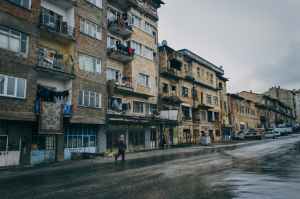
Keeping their hands and feet warm for years while coping with the unpredictably chilly and rainy weather was another task while taking the bus, the late-night public transportation to and from work.
Sometimes the conditions in the government-owned buildings they called home were worse than the ones they had left behind, with poverty, inequalities, and school dropouts. Others recalled criminal activity and even attacks they themselves experienced while commuting in hazardous locations to and from work.
Over the years, several individuals have displayed remarkable resilience. They diligently saved their hard-earned money and wisely invested it in affordable apartments or houses in neighboring communities, whenever the legal and systemic barriers allowed.
Just like a scene from an old-timey movie, many were given an opportunity to succeed, even in the face of challenges and unfairness. They have contributed to the economic strength of these nations.
On the other side of the success stories, there were conversations about people who struggled to maintain their resilience.
Due to a lack of social support, a lot of persons experienced a downturn in their mental health, and became disconnected from society, as well as losing touch with family they had left behind who may have been counting on them to take a similar trip one day.
Many began using illegal substances and turned into violence, and other psychological disorders that ultimately led to incarceration, segregation, and early death.
“Moving on Up” like the Jefferson.
It was only a matter of time before a new immigrant community formed. Others took a chance and invested in properties that were legal to do so.
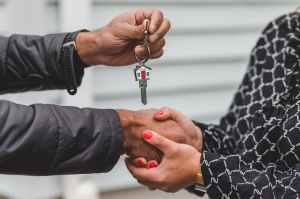
The increase in space and opportunities for the next wave of immigrants has led to the development of a unique society where many aspects of their original culture are preserved without the fear of being singled out for their achievements.
Many not only worked in the factories but also as home helpers. They took care of their boss’s kids and had hectic work schedules, which frequently left them missing significant family get-togethers, holidays, school functions, and opportunities to help with homework.
For some who got married, started a family, or reestablished ties with loved ones left behind, this new way of life helped define who they became.
Sometimes it made them overly protective of their children and pushed them to reach beyond what they have accomplished.
They established a model for future families who arrived later and became naturalized citizens, or natural-born, by fostering a melting pot of family structures in pockets of the community and ensuring that education was the primary focus in order to escape poverty or have a voice other than what they faced when they arrived.
Many had a retirement fantasy of sailing away into the sunset, but they remained working, hoping one day they could return to the place where it all began and enjoy the fruits of their effort.
Many expats today living in an exclusive or what some refer to as a gated community on some of the island shores, or in other poor and developing nations, are the result of a well-planned strategy that did not materialize overnight.
Today, after a long period of waiting, the new generation is finally enjoying the fruits of their labor, on their own terms. Recognizing the importance of respecting their parents’ wishes to return to their homeland is essential for them to reap the rewards of their hard work and reestablish a connection to the everlasting waves.
Part II
Responsibility, respect, enthusiasm, and caution, and where does research lie?
Making these decisions was more difficult for some people than breaking up with their partners, and this was one of those cases. Your parents didn’t care for either since they were stuck in that antiquated thinking, with a street report card influencing their decision.
For some of you, the only connection you have is that your parents came from this location on this lovely island. Others have developed street knowledge through frequent travel and have never lost touch with these two cultures.

Today, many offspring have formed their own families and have already settled in their homeland. Ensuring the happiness of their children’s grandparents is truly invaluable, and it is of utmost importance to respect their parents’ wishes.
This is especially non-negotiable when they are self-sufficient and in relatively good health. Consequently, a few individuals assumed the role of expatriate parents’ realtor.
To do this, much research must be conducted along with an understanding that island life may be extremely different from the one that was left.
Some expats may choose to work, while others like to rest and enjoy the cool wind, gorgeous sunsets, the ocean, or the bountiful green that never seems to fade regardless of the season.
Traveling to some of these places is typically safe, but there are several areas where you should exercise caution and take every measure to decrease the likelihood of something bad happening.
No doubt about it, their dreams will come true, and for many siblings, going to see their parents back in their native land will be given free vacation accommodations, whether they want to acknowledge it or not.
It’s highly likely that the phone will ring when it’s time to check up on the grandchildren, say hello, or book a flight for a doctor’s visit as a result of this package.
For many people, making this decision can be quite challenging. I understand that some of you may choose to delay it for now.
Love, patriotism, distance, happiness, fear, healthcare, the unknown
According to experts, there is growing concern about the rise of nationalism, driven by those who attribute their economic difficulties to immigrants and minority communities.
This trend is increasingly prevalent and alarming. As time goes by, it’s natural to feel increasing concern for your aging parents.
It’s normal to have a mix of support and concern when someone you care about is considering embarking on a journey, whether it’s for personal reasons or to pursue a long-held ambition.
Many families today have to think about what is best for their parents, grandparents, aunts, uncles, cousins, or friends when making decisions about their loved ones.

Let’s face it, especially when some people are older and set in their ways, they can be pretty stubborn about doing things their own way.
And don’t even allow me started on that special someone they either love or can’t stand. They’re convinced that their methods are foolproof because they’ve been using them for ages.
Nevertheless, it’s a cultural issue, and their age, possessions, and status allow them the power to do so. “I get to make the decisions now that I’m older,” one explained.
Returning to reality, you may now need to pay for child care. You may have to move to a cheaper place or one with better opportunities after your parents leave, but they let you stay at home.
It has been estimated that 34% of Millennials still reside within a 10-mile radius of their childhood homes, despite relocating more frequently over the past two decades than previous generations (Baby Boomers and Gen Xers).
Who benefits most from their return economically?
Furthermore, you are not the only one hoping to see them land safely; although some may have different motivations, I must emphasize this point. Overall, for many in the service economy, where the gaps between the haves and have-nots are wide and growing, these expat families will contribute positively to the community.
Ex-pats do not dump goods; instead, they bring services that do not jeopardize local farmers and small businesses struggling to compete with imports.

Many of these government pension fund managers may not express it openly, but they may have been pleased when they intended to leave these shores, and they will frequently enjoy the opportunity to pick up a direct deposit elsewhere.
They not only free up resources from the medical system, nursing homes, and other social services in developed countries.
According to an economic study, retirement income in the Caribbean region has the potential to outlast that of many other places because it benefits from a stronger healthcare system, a lower overall cost of living, and better weather.
Because they are your neighbors, the multiplier effect will be magnified as they dine at restaurants and shop locally, resulting in additional discretionary spending.
Some of these economies are currently facing challenges, but the tourist board sees it as an opportunity for additional income.
Experts emphasize the important role remittances play in the local communities, noting that retirees will still spend from their pension accounts even during economic downturns.
Part III
The truth isn’t always on the postcard.
This does not detract from the friendliness of many individuals, but there is no price to pay for the feeling of being endangered.
A large number of retirees have already settled down and are content with their lot in life; others merely want to be buried back home.
People looking for a tranquil and safe retirement have long found the most populous Caribbean islands to be ideal.

Though there are encouraging signs on these shores, some of the children have returned; grand kids enjoy reconnecting with their ancestors.
Regrettably, not all welcome mats turn out as great as one might hope. Of course, it’s not something that anyone enjoys hearing, but we must confront the fact that danger lurks beneath or alongside these breathtaking waters.
So, you bumped into Deacon Brown and his wife, and they mentioned their intention to move abroad. They were excited to start enjoying their pension as soon as they landed in the UK, Canada, the US or somewhere else decades ago.
However, you were curious when they mentioned their upcoming visit to an elderly care facility in the United Kingdom or elsewhere. You paused, waiting for them to explain the reason behind it.
There is still an investigation into the suspicious death of Mr. Denton, the neighbor who helped you mend your training bike tires, and who checked on you throughout the years until your parents returned from an errand after he retired to the island who also moved back to his native land.
When it came to their home country, many elders’ patriotism remained unwavering.
Why did she never return, and I wondered about that as well?
When they talked of a church sister and her husband, as well as many other people who returned home and told their own stories of being robbed or murdered.

He wouldn’t have hurt a fly, so if they had asked, he would have handed them his shirt off his back. She has said that as her 100th birthday draws near, “She only will return in a casket maybe”.
Today, I wonder from these statements, how can some of these service-industry countries survive in a world where the only safe way to return is from a casket to a last resting place for the dead?
To put it another way, it forces you to rethink your plans. We may never learn why so many people leave and why some decide to return or not.
So, what advice would you provide to a loved one or friend who is contemplating a move?
In other words, how many stories have gone untold—? Each of you need to to know what open an account with, and what incentives to account financial status, or visa needed to retire elsewhere.
These are important, such as crime or become a victim; and yes, they may be changing for the better, but safety is not how many keys to your home, and steel windows, but how you feel from dust to dawn in your community, and where you have to venture out.
Again, you wondered, “What if it’s time to revisit the topic of that voyage?” as the world spun on an unfathomable axis.
There have been mixed stories, with some retirees advising against returning. Today, the decision to repatriate “everything immediately” must be weighed in terms of benefits and costs.

For some, you were ten the previous time you visited, and maybe twenty-one the next time you went with your pals, a quick stop inland to meet a new cousin or aunt, but the majority of the time was spent on the beach in the pre-selected gated community.
At the moment, you’re dealing with a variety of issues, including those relating to your professional and personal lives, health and finances, family, and interpersonal connections, to mention a few.
Yes, there is always that talk; violence is everywhere, and it has been reducing. This is a positive development; crime rates are decreasing, largely due to the efforts of law enforcement and community members who have chosen to speak out, but how can we quantify feelings about safety? And many of you don’t live everywhere; we are talking here!
Fear of violence, demographic shifts, and the potential of robbery, fraud, extortion, exploitation, and murder, not just “cultural alienation,” are some of the reasons many baby boomers are reluctant to return to their tropical paradise.
The bright spots on the surface of this area hide a disgiuse reality, and those who eat too rapidly from the basket of fruits they once left intact will sometime will pay the price.

Preparing for retirement shouldn’t be so challenging.
It appears that the reports of people being killed months after their arrival are sometimes downplayed. At times it seems as though they brought it upon themselves. “He shouldn’t have fought back and should have had better security.” However, it seems that nobody has inquired about the specific targets and what actions should be taken.
Today, another family is grappling with the devastating loss of decades of hard work and cherished dreams following the passing of their beloved family member.
Because they fought back, it is possible that these victims’ valuables were not taken from them. These headlines, however, must not be twisted, diminished, or dismissed.
Law enforcement is having a difficult time breaking up these gangs and thugs, yet they continue to walk the streets unchecked.
As part of an extortion ploy, some of these criminal analyze retiree movements, then return to promising community safety for an additional cost.
Moreover, constant fraud attempts through scamming can make one more stressed. When con artists pick out individuals based on perceived deficiencies, their detrimental effects on mental health
Stories from up close and personal
There are rules, organizations, and expat associations that provide top ten lists on how to arrive safely in various places, as well as other official statements and actions that must be taken seriously. Furthermore, it appears that once they arrive, they will receive little or no assistance navigating the system.
And good luck finding someone to supervise many of these e-pats who are concerned about their own financial security and simply see them as ATMs.
Is it a coincidence that every other month, a pension from a local bank disappears from his account, a ride from the back is arranged, only to be forced out of a vehicle and robbed, or a purse is stolen after a quick trip to the store?
The other, who built a rental building on her land, hasn’t received rent in months for the bottom-floor unit she rented for less than market value to assist a young family in starting off. She is regarded as a wealthy woman who can do without paying her rent.
Yes, these incidents happen elsewhere. Your experience may be unique, and for every dismal narrative, there are equally good and uplifting ones. Fortunately, she was able to sell her multi-million-dollar home, close her business, and leave town.
Unfortunately, for others, their medical conditions have become a considerably greater barrier; some had a support system when they returned and are now simply waiting to die. Others wanted to return to the United Kingdom and other countries, but the tiny flat is no longer there, and they couldn’t find a place to remain even if they wanted to, so she should stay put.
To remain protected, she must continuously fear being attacked. This is the mindset that needs to be altered. So, while these hurdles are being highlighted to get you to look at what suits you situation, you get to consider the overall stress and risk level.
Many of these X-Pats have developed their skills in disciplines critical to a country’s economic well-being, including urban planning and social work, penal and mental health, education, and counseling.
They’ve also become experts in technology and sports medicine, among other things. The question of how many individuals will have a realistic opportunity to use their knowledge, skills, and abilities to benefit the next generation remains unanswered if they must prioritize safety over survival. The fact that robbers see ex-pats as easy prey remains a major concern in the country.
PART IV
Yes, as previously stated, the welcome mats should continue, but more needs to be done: as we have seen in local media reports, various initiatives have been made to organize our nationals overseas for the purpose of country building.
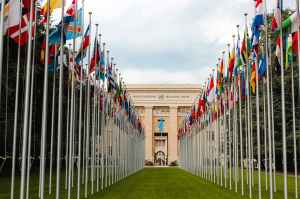
“We want our diaspora to come back and live, work, raise families, do business, invest, and retire in their own country as much as possible.”
Silently, a tropical hurricane, intermittent energy service, or a few poorly fixed potholes on rural roads aren’t the issues that some retirees confront today; it’s also the loss of close friends who join them on these return trips due to violence.
Exhibit 1)
There are many stories like Mr. Lynch’s, and I’ll get to a few more of them later. Ancel Lynch, 72, was killed early Tuesday morning when assailants stormed into his Clarendon house and opened fire (December 1).

Her husband’s wife, Inez, claims she heard him talking to one of his assailants, whom he tried to protect by latching a door.” According to the information available, he was only in the country for three days.
They negotiated their way through an ominous cloud of inequality, and in many cases, they helped to alleviate the plight of their forefathers.
Despite the disparities, many triumphed, and their only reward was the peace of mind that came with returning to their parents’ fruit tree.
But once they’ve returned, it appears that many are forced to fend for themselves in the absence of a comprehensive support structure, since they’re routinely targeted.
Many more stories might be told, and I’ve chosen a handful to share here.
Once they’ve cleared customs, many of these retirees appear to be on their own. Despite the presence of a few welcome mats, the trash is buried beneath the carpets.
While other communities work to maintain order and safety, some (thugs) view their victims’ hard-earned cash and other possessions as their own personal property.
They were stabbed to death at their Jamaican “dream mansion” in the parish of Portland, Gayle and Charlie Anderson, both 71 and 74 years old. They grow to aggravate communities over time with their distressing stories.

Gayle and Charlie Anderson Photograph: FCO/PAPhotograph: Foreign and Commonwealth Office/PA
My local officials may not know how many individuals have perished in targeted killings over the last decade
Melbourne, 81, and Etta, 70, were found dead at their Saint Thomas holiday house on January 9, 2018.
“Her father was only a few cabinets away from finishing the house he built from scratch,” their daughter stated, in pain.

Melbourne Flake, who was 81, and 70-year-old Etta Flake
Take your rainy-day funds, which you have worked hard and accumulated for decades, in an instant with little to no closure.
To find a solution, the country must return to the design for governance.
The death of Delroy Walker in May 2018 reminds us of the danger that few noticed or realize.
After returning to Jamaica from Britain, where he had planned to spend his retirement years giving back to the community, he was stabbed to death.
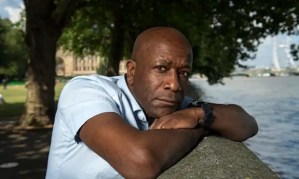
Photo credit: Steve Walker, whose brother Delroy Walker was murdered in Jamaica
It must have been a fantastic feeling for him to be able to return and give something back, especially to children and teenagers.
In other words, he didn’t come back to rob you of your livelihood, possessions, and opportunities for personal growth. If they’d asked, he’d have offered them some sound counsel.
Through his nonprofit organization, he has campaigned for youngsters by giving back and employing his abilities and resources.
It was a loss to the youths, those who longed for a ray of sunshine that was becoming more difficult to come by on these beaches, that he died too soon.
Concerns raised by Delroy’s killing have reverberated outside the islands, and as a result, many charitable barrels of goods intended for these islands are being reassessed, advertised on eBay and Amazon, or kept in a basement or storage facility out of fear for their recipients’ safety.
Even though his assassins were apprehended, criminal gang enterprises are silently destroying these once-safe communities, posing a serious threat to normal life and having a long-term economic impact.
Karen Cleary, 44, had returned from the United Kingdom and was constructing her dream home in her birth country when she went missing on Sunday, November 25, 2018.

Karen Cleary, 44
Her body was discovered in a shallow grave on her property in Boscobel, St Mary.
An investigation into the possible identification of a missing Jamaican returning resident named Barbara Findley is currently underway in St Elizabeth, Jamaica in December 2018.

Sadly, our family’s horrific narrative repeated the same faith as so many other untimely deaths.
After exiting a local bank, MR. P. (Uncle P) was slain in his own driveway. In his own way, he had been a part of that 45-year adventure.

In his entire life, he worked in public safety, giving so much back to the community that he left, and all he wanted was to sit back and enjoy the rewards of his labor, which he did as a mentor to me.
Even though he had just lost his wife two months prior, the cause of her death at the hospital remains a mystery.
Citizens in these communities who know the killers shouldn’t blame the police for their silence; they need their help to close some cases.
Many of these cases are still in “investigative status,” meaning they are just closed files, even though the authorities have settled some of them.
Another incident involving a family of returning residents was published on August 15, 2017, in which a thief took their baggage, car, and things after they had left the Norman Manley Airport and abandoned them on the side of the road.
Thankfully, there were no fatalities in this incident. However, as is typical in such situations, an investigation is currently underway with a pattern of low success rate in solving these types of crimes, according to reports.
Many families are aware that their loved ones have been murdered, but would resolving these cases bring closure and be an appropriate way to end someone’s retirement?
The State Department frequently cautions about the prevalence of violent crime in the region, including armed robbery, kidnapping for ransom, assault, and rape, particularly among expatriates and visitors.
What is causing this behavior?
More stories like this will continue until people recognize the problem and strongly denounce these atrocities from all political sides.
Crime becomes more enticing to young people when they lack hope or the resources to make a difference in their lives. It’s us, the poor, vs them over there, plain and simple (rich).
Economic stagnation has also expanded the divide between the haves and have-nots, and some people are suffering from mental illness.
Due to social exclusion, classism, and limited work opportunities, a criminal mindset has developed, perceiving itself as the only way for survival is engaging in unlawful activities.
A “crab in the bucket” mindset was established, in which the bottom was continuously trying to drag the top down, and everyone died because no one ever came out.

Many criminals often perceive other people’s success as a hindrance to their success or an easy way to live a lavish life, and most outcomes are funerals, where no one wins.
The primary focus should have been on drawing on the experiences and successes of returning citizens, many of whom give back to the community and seek mentorship from seniors to pursue a professional route or start a business.
Making quick money through illicit activities appears to be appealing to young people, who, according to local media, have played a significant role in the current increase in crime.
Some have dropped out of school and do not have jobs.
The data that may influences go/stay decisions
As noted, crime is declining, and there will be measures to further reduce the rate, but you can’t ignore that there is a problem, and regardless of whose party is in power, these are systematic issues on many of these shores and other regions.
The Jamaican Observer reports over 1,600 deaths in 2017, so how likely is it that Aunt Suzie will be in the next data set?
Is it now a false sense of security that tourists and returning residents are greeted with a serene and trouble-free atmosphere?

Reports noted that in some of these English-speaking countries, such as Jamaica and Trinidad and Tobago, there are at least 30 murders per 100,000 people.
In comparison to other countries in Europe, these rates are 15 to 30 times greater than those in most European countries, according to various statistics on crime.
There is a worrying rise in the murder rate per 100,000 people in the Caribbean, Central, and South America as a whole.
Local leaders in Belize, Belize, El Salvador, Colombia, Guatemala, Guyana, the Dominican Republic, Honduras, Panama, and the US Virgin Islands cannot afford to lose sight of this problem because they too have the red carper out for expats.
More than 350 expatriates have been slain or their goods stolen, making it one of the most dangerous places in the hemisphere to live.
Many people admire their chosen country in the same way that turtles or salmon fish leave after birth to enjoy the broad oceans. Many return to reproduce and create a new generation.
If what you earn is also mine, then welcome home.
As the head of the Jamaica Association for the Resettlement of Returning People, Mr. Percival Latouche went so far as to warn that returning people should not return home.
Latouche reported that “twelve returnees have been killed thus far this year (Early December 2018″), and the number of additional funerals he has attended,” according to local reports.
Some 200 British, American and Canadian ex-pats have been killed in Jamaica since the early 2000s, according to a single study

The number of violent gangs in the area has increased, as has the amount of weapons they possess, according to a large number of people. Someone claimed that those that return will be targeted for theft, fraud, or even murder.
In the past, I’ve watched the popular television show “Caribbean Life,” which showcases the best places to live in the Caribbean
But many families who were aware of the local political impasse reported corruption as well as poverty, criminality, and several other manifestations of social inequity that couldn’t be covered in a 30-minute episode of the show.
Mminimization is not a solution, or blame game; leadership is
Uncertainty and safety worries have spread like a virus, keeping many individuals away from these shores, regardless of their intentions.
Those who fail to anticipate these challenges and have a clear vision for addressing this public health crisis are simply unable to lead effectively.
What the critics are saying isn’t about returning residents learning what to do and what not to do, as many people try to downplay and divert.

Families are suffering as a result of the inability of government officials to get to the root these issues, and maybe allocate more resources to law enforcement and community support.
It is crucial for both the community and their leaders to come together and express stronger opposition to these crimes, recognizing the significant danger they pose to these expats and the community in general
A number of these criminals may be suffering from mental health issues, drug addictions, a lack of hope and opportunity, or be swayed by a cruel ideology.
There have been significant improvements in technology and infrastructure in these communities, indicating progress. However, it is crucial to prioritize safety, rather than solely focusing on the number of visitors at hotels.
Regardless of political party or leadership, criminals have brought many communities to the brink of collapse. They’ve lost touch with the moral compass of their peers and society.
In a retirement community, criminals lurk around every corner, ready to strike like venomous snakes.
They appear to overwhelm the authorities, but before you can implement strategies to reduce the symptoms and eventually eliminate the cause, everyone must acknowledge that this is a major issue.
Multiple serial killers may be keeping an eye on their X-pats’ vulnerabilities, and I fear they will strike at the next person’s insights.
Absolutely, you have to examine the facts and come to your own conclusion when you are ready. Crime, it might be rising or falling, and once more, it depends on your feelings, an improved system could be in place, to help you decide.
This article just examines the sacrifice, a little history, the obstacles, and perhaps possible solutions.
PART V
A conflicted mood will cause confusion.
As previously said, this idea should be hammered home. Expats I’ve met, including family members, are only able to stay in these communities because they have advanced medical conditions, such as dementia, time passes, and they are counting down the days until their death. This is a sad state of affairs.

Some of them have built multi-million dollar homes with the money they saved during their original long trip to one day be free, but their retirement homes are equipped with massive steel bars and locks to keep them secure. I often wonder what happens if there is a fire.
Accountability, security, and peace of mind are priceless.
Even though not everyone who visits the Caribbean is raped and murdered, there is an undercurrent of many unsettling tales.

As soon as you lose a sense of security, you tend to focus on the person next to you, whether it’s in a taxi, a bus, or even a bank.
Again, being robbed numerous times after leaving a local bank after receiving a fixed monthly paycheck was not an isolated incident.
Regardless of whether they drive alone, take public transportation, go to the store, or see a doctor, performing these errands as reported, many expats face tremendous risk unless they have a well-supported system.
No region wants their backyard to look bad; victims and other concerned citizens often get a response of minimizing when these serious issues are brought to light.
As reported, many families and friends are now hesitant to go more than a few kilometers from their homes, resulting in a loss of revenue.
“One indicated that he and his wife hired vehicles and drove over the country, and that it would be lovely to do the same this time around, but the sense of being targeted is not a good feeling.”
Innocent local businesses missed out on these stops. Expats’ much-needed excursions to visit friendly people and beautiful scenery are becoming less frequent.
I understand that immigrant experiences will forever link these great coasts throughout the world, bringing them together through heritage, roots, culture, and pure love.
I understand that immigrant experiences will permanently connect these wonderful coasts throughout the world, linking them together through tradition, roots, culture, and pure love.
On the other hand, if well-managed islands such as Costa Rica to Belize, Nicaragua to Dominica, and possibly Cuba in the near future, along with other regions worldwide, offer attractive features such as low taxes, low crime rates, and a low cost of living, the decision on where the next aircraft will land or ships will dock is left to these beautiful but challenging countries.
The false sense of security:
Offering appealing seaside, rustic, or secluded living options in exchange for a discount on shipping containers into a gated community might be a tempting proposition.
Once they arrive, however, a sense of insecurity drives individuals to retreat and isolate themselves from the rest of society.

Planning a comfortable retirement involves more than just purchasing a magnificent property. Expatriates’ income deserves stronger protection against money laundering and scams.
This entails having access to excellent healthcare, ensuring safety and effective environmental management, and promoting economic opportunities that foster mobility for all individuals in a democratic society.
The concerns often revolve around conflicts between certain residents who have been reported as lawbreakers but are able to afford or invest in properties. It is a delicate balance that involves some members of the law enforcement community.
Someone mentioned scammers they encountered in their community who would call their house and even try to sell them additional protection for a monthly fee.
What’s the point of having multiple keys to your home if your windows are securely barred, trapping you inside like a prison cell fueled by fear and anxiety?
Should you wait out the current mood?
Many individuals have chosen to reside in gated communities, but what about the well-being of those who continue to live in the hillside area where they grew up?
The tourist protected zone alone falls short in sustaining the Caribbean economy. People often have a strong desire to engage in activities like farming, appreciating nature, or contributing to their community due to their own life experiences.

A paradigm shift in thinking is essential so that the next generation, who may choose to go the same path as their parents, will have fewer questions.
Research suggests that there is a projected rise in the number of individuals entering retirement in the coming years. The headlines should be improved to ensure that potential retirees and their families can fully enjoy their permanent vacation and explore other places without any worries when they dock or land.

I’m still hopeful that things will improve, but like an alcoholic, the first step toward recovery is admitting that you have a problem.
While these stories are based on real experiences shared by friends, family, and others, it’s crucial to keep in mind that each person’s journey and perspective may vary.
Nevertheless, it’s reassuring to be aware that things can only get better.
We would greatly appreciate it if you could share your experiences with us, as we are eager to spread positive stories to others.
Stay safe!
 GLOBAL COLLABORATION, EMPOWERMENT, LEADERSHIP, WELLNESS, AND RESILIENCE