PART I
Her Story/Their Story
In January 2020, I decided to subscribe to several Caribbean electronic news sources with the intention of reading captivating stories, events, and recommendations for future travel destinations.
However, I was in for quite a surprise! In a matter of days, my online feed became inundated with news of multiple women who had been tragically murdered or had mysteriously disappeared.

While it’s difficult to predict when a perpetrator will act, there are usually signs that indicate an escalation. Unfortunately, I would have love to talk about starting the year on a cheerful note!
I stopped counting today after underlining a few names from a never-ending list of victims surrounding the tragic loss of lives among Caribbean women due to domestic violence and other crimes. Among the Trinidadians were, Pollyan Chunlesingh, Gabriella Dunbarry, and Jezelle Phillips.
Somattie Keosoram, Naiee Singh Naiee, 31, an administrative officer, and Sharon Burnett, 56, were from from Guyana.
Shantel McMaster died tragically at a Jamaican supermarket at the hands of her lover. It’s upsetting to witness a continuing trend of minimizing, rather than holding, the system accountable for assisting victims when they report violence in numerous cases and require resources such as seeking protection or assistance to flee such life-threatening situations.
Suzanne Easy was tragically killed in Jamaica by defense force Corporal Doran McKenzie, who later took his own life.
Kim Morley-Smith was killed on Mother’s Day in the Bahamas; later, a woman in her 30s and her 10-year-old daughter were discovered dead in their home, in yet another domestic violence incident.
How many more will we expect to emerge in the upcoming hour, days, months, or years?
Regretfully, another victim of domestic abuse will emerge before you finish this opinion article.
Yes, men are also victims of domestic violence:
Around the same time, several males were killed as a result of violence. Many of these cases are unrelated to an intimate relationship, but studies have shown that on average, men are killed by their female partners less than 25% of the time, while males kill approximately 70% of females
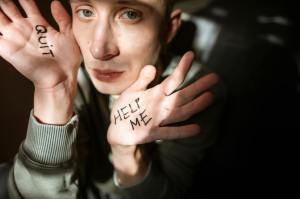
Unfortunately, once the camera turns off, victims often find themselves on their own. This is often due to a lack of resources, leaving them feeling like debris floating out to sea or a hidden coin in an old bible.
Around the world, men, mostly family members or partners, murder six women every hour.
According to the UN, during the peak of the COVID-19 pandemic, it overshadowed the issue. However, this terrible reality, which existed prior to the COVID-19 outbreak, continues to be a global catastrophe.
1 in 4 women and 1 in 9 men experience severe intimate partner physical violence, sexual violence, or stalking, which can lead to injury, fear, and post-traumatic stress disorder.
Unfortunately, who could be the next teacher, cop, doctor, social worker, singer, rapper, social worker, counselor, or perhaps Prime Minister?
Exploring the harsh reality of domestic violence
According to studies, roughly 40% of the Caribbean population views crime and security issues as more serious than poverty or inequality in their countries.
Imagine a family around the world: each year, someone they know and should be able to trust kills roughly 50,000 women.

Yes, domestic violence is a global public health issue, but for this piece, I simply chose these from the feed to highlight that regardless of location, it still hurts anywhere.
The numbers are publicly available, but this is only a quick glimpse to put these public health issues in context, rather than waiting until a popular victim or offender case arises or an election cycle becomes front-page news.
Domestic violence, in particular, poses a public health risk along several of these coastlines. How many women went missing, were molested, raped, or murdered prior to these most recent victims, and how many cases remain unsolved or are still hiding in a robe in a church or someplace else in these communities?
Many individuals in need of assistance and treatment often go unrecognized, as those around them choose to remain silent in order to preserve their reputation, due to the stigma attached to it in certain cultures.
When we have lost someone – a victim, friend, coworker, or family member – it is natural to question why it happened, but often that is where it stops.
Experts and the Center on Domestic Abuse estimate that domestic abuse accounts for around 19% of the overall healthcare burden among women between the ages of 15 and 44.

Unfortunately, the murder rate and violent crime rates, particularly against women, will continue to rise before you finish reading this article, regardless of whether you are a teacher, student, wife, mother, aunt, or sister, a public safety official, or an ordinary person struggling to make ends meet at a local market.
Systemic Failures in Helping Victims
Often, when a victim comes forward, local governments struggle to provide the necessary resources, training, and mindset to properly recognize them as victims.
Some locations, especially those in rural areas, could use improvements to better protect victims even after the initial report is made.
Politicians often take advantage of the circumstances of victims, making empty promises and only showing up for a photo opportunity, only to forget about the victims’ experiences until the next major news story.
Accountability is crucial for ensuring greater community involvement. While social media posts featuring a victim can be impactful, they should not be seen as a complete substitute for essential resources or as a reliable source of targeted anger.
These individuals often require timely duty of care, support, and counseling. Regrettably, numerous individuals who are aware of these signs are hesitant to speak up due to the social stigma associated with it, leading them to keep silent in order to safeguard their reputation.
When someone we know passes away, it’s natural to reflect on the circumstances surrounding their death and wonder about the different possibilities.
When someone we care about falls victim to senseless violence, we often find ourselves questioning what could have been done differently, and why, or what factors may have contributed to the outcome.
Exploring these thoughts and emotions is crucial for processing our grief and seeking understanding. Although equality is important, it is crucial to find closure and ensure accountability.
PART II
The often overlooked signs in plain view:
Now, let’s get to Shiatel White’s story. There are several stories like hers.
Shantel Whyte, 24, was caught in a distressing domestic situation when a perpetrator tragically shot her inside the store where she was employed. Based on multiple local news outlets, she was held in high esteem, exuded a vibrant energy, and possessed a future filled with promise.

Shaitel Whyte-24
However, some believed she was to blame for her boyfriend’s actions, which were motivated by envy.
Today, it appears that many culprits are increasingly employing firearms to settle disputes rather than engaging in conflict mediation. Disagreements can easily escalate into horrific personal violence and murder due to a lack of resolution choices.
Unfortunately, her untimely death is not unusual in this area. I couldn’t help but wonder how many other stores you would have liked to be engaged with, and now you’re left thinking.
As previously stated, she requested assistance from authorities on several occasions but rejected it as a family concern. Even when there are male victims, they must frequently display strength and lack venerability.
The game of assigning blame.
Even more concerning is some people’s attitude towards re-victimization, as if they earned it.
In our society, these discussions typically start with an interrogation of the victim.
“She had the option of fleeing the situation.”
What was the origin of her abuse? Why didn’t she just leave?
She should flee, but where does she go in a system riddled with weaknesses designed to conceal their vulnerability? It’s always about what she should have done, not what should have happened.
However, it appears that no one ever asked the culprit, whether in prison, school, church, or the community, why he or she chose violence.
We must dispute the premise that such men kill out of mistrust and poor judgment, and that she should stop moaning about how much they spent on her. Rapidly accusing victims is a sort of minimizing.
The silence is deafening
In an environment with 24-hour media attention, once the cameras go, the danger to their lives persists, rendering the method worthless. Simply minimizing or demonstrating empathy through photo-ops is not an effective method.

Tweets alone cannot generate considerable support, and continuously comparing oneself to other countries does not yield real results.
It is critical to have reliable resources that prioritize understanding the underlying causes of problems in order to find long-term solutions for people who have experienced domestic abuse in these areas.
Given the rising prevalence of violence worldwide, it is critical to enact tighter rules, particularly for people with mental health difficulties or criminal records who have obtained guns.
Experts have documented the following use of some of these weapons in domestic violence cases.
No matter where you live, even if it occurs once a month in your area, the total number of incidences of abuse accumulates. Domestic violence can manifest in a variety of ways, including digital or online abuse, financial abuse, physical abuse, sexual abuse, mental abuse, and emotional abuse.
If these issues continue untreated, they frequently result in killings.
Victims become frustrated when they strive to find solutions only to have their concerns repeatedly dismissed.
It can feel like a never-ending loop, repeating the same tune without finding a practical solution, which could lead to more serious effects.
As I previously indicated, how many women were missing, abused, or murdered before the most recent victims, and how many of these instances went unsolved?
Domestic violence is a sort of violence that occurs between persons who have a personal relationship, such as living together or being separated.
It differs from random acts of violence or the deeds of mysterious serial killers who are unknown to law enforcement or the public.
Far too often, when statements are made, they are informed that the investigation is still underway, while the relatives of vulnerable victims continue to seek answers.
“When is it?”
“When will the “next” button stop along these coastlines, which include many impoverished and developing nations with limited resources?”
voices and cries for help were going unheard or if they were in danger of going extinct.
This violence appears to follow a pattern similar to previous cases of ethnic, cultural, and religious cleansing as a result of geopolitical strife, according to reports.

Simply put, this disturbing violence against women is not a result of a catastrophic hurricane, pandemic, aging, or escape. but in the hands of their intimate partners.
These perpetrators appear to have taken out life insurance policies and, in order to cash them in, have resorted to violence.
PART III
Shaking off an outdated ideology can be quite a task
Though legislation and women’s rights movements in the region extend back to the 1950s, such as in The Bahamas under Dr. Doris Johnson, some of these laws are out of date and may need to be updated to address current challenges.
The region’s regulations make it difficult to convict a man for raping his wife, even in a same-sex union. Again, politicians should seek ways to improve the law rather than engaging in political contests that simply harm the victims.
The surge in violence, particularly against women, demands a thorough assessment of the root causes, as well as policies to give better protection and assistance.
Emotional, physiological, physical, financial, and stalking abuse do not end with incarceration. Offenders’ treatment, as well as first responder training, is crucial.
This will necessitate an adjustment in long-held ideas. Many victims, as well as those responsible for their care, may try to divert attention or diminish the problem.
Traditionalists, sometimes known as the “silent generation,” were raised to be seen but not heard to maintain their family’s image.
Although studies have shown that men are victims of abuse, as previously indicated, the prevalence is much lower. Today, I’m curious about the link between masculinity and colonialism, namely a belief system that persists.
We cannot ignore the awful history of dehumanizing and confining women, particularly black women, to the kitchen, as well as the ongoing structural problem.
Unfortunately, that mindset persists, despite recent achievements by women around the world.
Domestic violence is more than a political ploy to force a change of course.
Domestic violence is still considered taboo in some cultures on many Caribbean islands, as well as in Asia, Africa, Europe, and Latin America. It has a long history of male-chauvinistic (macho) status.

Many people still assume that street harassment is normal, and few understand that it is a major problem. This behavior frequently results in unwanted groping, assault, kidnapping, and other acts of violence.
Unfortunately, even when the offenders are there, many victims remain in the shadows after being re-victimized, humiliated, blamed, and receiving no help.
Some males may see women’s and other victims’ increased financial mobility as a threat.
She is now more autonomous, self-assured, and educated, defying societal norms that dictated gender roles and confined her to the kitchen.
According to human rights reports, women are vulnerable, and disobeying demands can result in molestation, assault, or even death.
The cycle, the disconnect, and the long-term consequences
Domestic violence puts many children at a higher risk of abuse or neglect.
This violence forms a psychological pattern, and surviving such a traumatic occurrence has long-term negative consequences, including some people becoming abusers as a result of the experience.
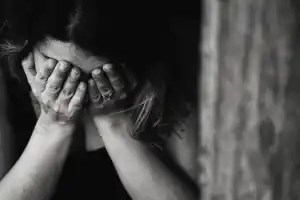
Over three million children experience domestic violence in their homes each year. Some children mistakenly believed that everything would be fine as long as their worried mother stayed. According to the World Health Organization and the United Nations,
It is critical to identify the long-term psychological implications, which are difficult to quantify.
Domestic abuse can affect more than just a single victim. Experts report that predators frequently target teenage girls who have fled their families, exploiting their vulnerability to further victimize them.
They either escape violent homes or end up in relationships where they also become victims. Without assistance or resources, the cycle keeps going.
However, the cycle continues for helpless victims due to a lack of effective responses, resources, and often accountability on the part of local law enforcement and the judiciary, as well as insufficient training for first-line responders to handle these violent cases.
The Barriers
Poverty, inequality, stigma, and polarization make it difficult to provide critical resources like family or individual counseling. With intervention and treatment, victim services such as mediation or shelters would be possible.

Experts believe that access to these services would alter the course of many Latin American and Caribbean communities.
Unfortunately, some group interventions remain hidden, lack adequate staffing, and close quickly, and convicted offenders frequently require the cooperation of law enforcement to ensure they attend treatment programs.
Victims continue to use the healthcare system more frequently and for a longer period of time than others.
On top of that, vigilant justice does not foster vibrant communities. It merely reveals a deeper, systemic issue in the community, and people must speak up to reduce violence. “Report anything that appears to be wrong.”
Getting to the root of the problem
Domestic and family violence cases are more than politicians arriving at a gruesome crime scene, taking a few photos with a victim, and then posting on social media with little or no resources to back them up.
Today, it appears that some elected officials have selective amnesia when it comes to violence, ranging from robberies to ongoing student disappearances. The complexities of law enforcement, politics, and community frequently entangle them.

Elected officials frequently politicize, deflect, or give little condemnation to these victims’ stories in an effort to prevent tourist ships from docking and hotels from filling up. Furthermore, some may be unintentional victims of the impact and are too afraid to speak out.
This is more than a couple of erroneous tweets with a skewed sense of empathy. They should mobilize more in order to demand change and accountability, because “we are going to” does not prevent fractures, third-degree burns, lacerations, disfiguring scars, and, in many cases, death.
To identify troubled individuals, leaders must invest more resources in community policing, treatment programs, victim services, and youth organizations, as well as in job training and rehabilitation, to induce a mental shift in how they resolve conflicts.
Before deploying a vaccine, these local systems must be able to identify criminal symptoms through psychosexual assessments.
There is often a 24-hour news cycle, feelings of guilt, a sense of social media bliss, and promises made as if governance could be accomplished in a few words.
Some of your leaders should go back and read their social media promises and plans, with little or no support for victims’ follow-up.
Can only dear Pastor help?
More conversation is necessary, and not only after a murder. A phone call to a dear preacher or a few social media likes will not erase the familiarity of what happened at home, especially because abusers are rarely held accountable.

Even if you are not directly affected, these issues can sometimes go unnoticed, leaving those who could help feeling useless.
Consider how many of these stories you’ve heard, and whether you know anyone who was friends with someone who became a victim of this abuse.
In order to combat violence against women, communities must remain welcoming places to live, work, and play.
They must also be able to give disadvantaged victims with resources such as food and personal care products, as well as a safe environment where victims can relate their stories without fear of being victimized again.
Here’s an alternate explanation, since it appears like they just threw everything up on the wall to see what stays.
Part IV
Studies and articles have recently revealed China’s growing global impact, which includes new pushes into Africa and the Caribbean islands. Chinese firms and other fresh investments have sparked a cultural explosion.

People claimed that these private investments would boost economic growth and security.
According to reports from one region, during the early stages of China’s coronavirus pandemic, officials effectively collected up and separated approximately 60 million people in a single place over the course of one weekend.
What if local law enforcement treated domestic abuse and violence against women in the same manner?
Will China’s takeover of public safety operations on high-crime islands protect more women from domestic violence, murder, and other criminal activity?
Given China’s dominance on these shores, I began to guess reluctantly. After conferring with a few specialists and acquaintances, I entertained some profound ideas about whether they could give a stronger public safety approach to defend their investments.
If this were to happen, whether these areas could adopt a governing structure akin to a “police state” emerges. Such a system typically operates within a totalitarian regime, where the government exercises control through the police.
Regardless of the high number of crimes, this will surely add to the rising distrust and animosity that many residents in these impoverished and developing countries have against law enforcement.
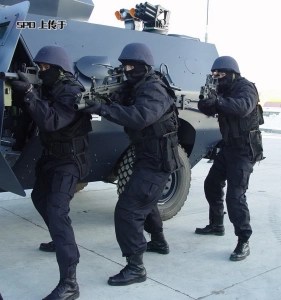
Implementing this approach will need a delicate balancing act between these countries’ political and constitutional systems.
This theory is less credible because studies indicate that China has human rights difficulties, such as imposing Mandarin on ethnic minorities like the Uyghurs.
Academics refer to this disputed procedure as “identifying who are their friends and all their enemies.” If this happens, violent offenders, like many victims in unhealthy relationships, will face severe movement restrictions.
Nonetheless, given their current investments and ownership of critical areas along these beaches, it may be conceivable to investigate other means to addressing these public health risks.
It may be beneficial to investigate even if it reduces the frequency of missing children, deaths caused by domestic violence, and other issues. Furthermore, this may result in improved technology and training.
These victims require your assistance.
There is a struggle to separate ideology from legislation in order to combat this hostile behavior, which is growing more prevalent, particularly on high-crime islands.
Violence against women remains endemic in many of these places. When these victims muster the strength to speak forward, they deserve your support and an action plan.
Every year, Reggae Fests, Soca, Afro Beats, Jazz, Latin Rhythms, and Carnivals take over these countries, but beneath the costumes and rhythms, someone is suffering as a result of irrational actions made by perpetrators, and these festivals may need to be delayed to expose this epidemic.

There is a need for more comprehensive assessments and interventions in mental health and substance abuse. Social media generally focuses on high-crime areas while ignoring rural ones.
Discussing domestic abuse can develop trust in the next generation of advocates. We can no longer blame it on a culture that continues to condone female objectification.
Let’s keep talking about it.
I hope that by coming forward without fear of financial repercussions, more helpless victims will receive critical additional support from other women and organizations.
Violence against women must be prioritized throughout the year, not just during election seasons.
This problem will not go away because many domestic partners will continue to viciously abuse and kill, no matter what day of the week.
Even when others see the signals, those in need are routinely overlooked. Remember that hindsight is 20/20, thus focusing on the past will have no effect on the present.

Instead, let’s cherish memories and support one another throughout difficult times.
Stay Safe!
 GLOBAL COLLABORATION, EMPOWERMENT, LEADERSHIP, WELLNESS, AND RESILIENCE