BY R.D.
The humanity of education:
The COVID-19 pandemic has resulted in extensive ramifications that extend beyond the mere transmission of the disease and efforts to implement quarantine measures or maintain social distancing.
Although I lack expertise in this field, I will endeavor to uncover several previously concealed issues and assess how they relate to the virus.

coronavirus under the microscope.
Numerous individuals have experienced unemployment, leading to the closure of businesses and a significant decline in sales. However, what I anticipate will be even more detrimental is the widening gap that will arise, particularly for those who were already grappling with various economic challenges.
The ramifications of over a million deaths and an estimated 50 million illnesses remain uncertain, as the number of infected individuals continues to increase, according to medical experts.
Unfortunately, many low-income families in impoverished communities in poor and developing countries lack access to the global distance learning space, preventing them from catching up to the wealthier towns, counties, and states in these school districts.
in some regions, due to a high student-to-teacher ratio, many of these educational systems are already overcrowded, low-performing, and run-down, making them unsafe for both students and teachers. Students in several of these educational systems were required to attend classes in the morning and afternoon shifts.
A nonprofit organization with whom I have worked visited several of these schools, offering students workshops on bullying, resilience, school attendance, and even supplies.
Today’s teachers may confront difficulties not just with supplies and mentors, but also with students who skip class to help their parents.
Unfortunately, this pandemic may offer as another excuse for students to avoid school, which could further impede their progress because they may not always have access to the internet to check in.
Though it is not an easy task, the pandemic has revealed how fragile economies were prior to the pandemic, as well as the lack of focus on the educational system.
According to experts, these students will miss out on the critical face-to-face socializing process for a child’s development until the global health pandemic has passed.
Several schools that followed social distancing and masking recommendations were forced to close owing to new infections, according to reports.
The COVID-19 Geopolitical Landscape
While communities debate the best course of action to mitigate the effects of science, politics, vaccination, and equitable distribution of resources.
The reality is that for many impoverished countries, this is still a complex issue, and some students may not be able to return to school due to a lack of critical resources.

Not all regions have the required resources, such as appropriate space, ventilation and as well as the technologies, to alleviate some of the potential educational losses
Aside from that, many people will object to vaccinations for cultural and religious reasons, as well as a history of mistrust, fearing that they will be used in their development.
Hunger, poverty, and malnutrition are the other hidden pandemics that are killing millions of people. Sure, COVID-19 needed attention, but what next? How will society balance these issues?
Beyond the vaccine, science, and politics.
COVID-19 exists in two worlds: behind a camera, on a computer screen hidden behind a kitchen counter, in a cafe, or in a corner office, and beyond the articles, opinions, and though it may not be related to a teacher’s engagement.

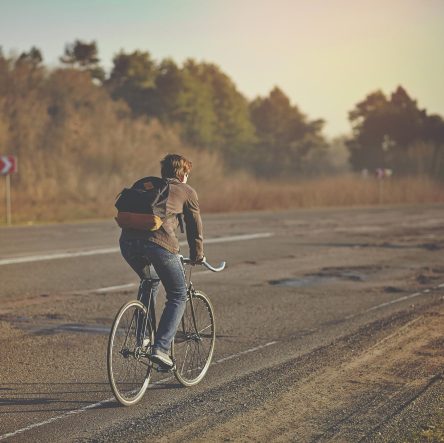
Photo by Julia M Cameron
This new normal distance learning, hybrid, behind a camera, computer screen tucked away on a kitchen counter, at a cafe, or in a corner office, it’s a fight between the haves and have-nots once more.
While there have been political debates and promises about the COVID-19 stimulus package or money distributed, there has been no accountability or mismanagement of funds, as has been reported.
Many areas have seen distribution along political lines, with the fun lasting only as long as a trip to the local grocery store for those who needed it the most.
As a result, many future local elections will be won or lost based on the amount of money distributed, with overall pandemic management becoming lost in these debates.
Unfortunately, many politicians excel at winning elections before they understand the difference between campaigning and governing. Government is about getting things done, which is far more difficult than being a politician.
We give some people more work than they can handle because they have limited skills.
The issuance of tablets by various political leaders in impoverished and developing regions is a positive development, but it is important to note that there are still ongoing challenges and obstacles to overcome. The lack of internet access and limited financial resources exacerbates the situation.

Photo by Roberto Nickson
Many of these leaders failed to recognize the technological and educational gap, which is especially important for many poor and developing countries, which can no longer wait for recycled or older computers to become competitive. The wisdom of these students goes beyond the dial-up mentality that has held several communities back.
Experts in the field of technology say that while these devices can be used to access education from a distance, they lack a keyboard and mouse, have a slow processor, and have limited research capabilities. Increasing numbers of young people are abandoning the classroom in search of a better life on the streets.
The ongoing pandemic has underscored the importance of education in encompassing individuals from all backgrounds, irrespective of their race, gender, creed, culture, or socioeconomic status. It has also highlighted the significance of fostering a sense of unity and compassion, ultimately promoting societal cohesion.
The economic reality that cannot be masked
When it comes to uploading and downloading life’s journey, poverty is like dial-up internet, and it has held many students back.
According to experts, COVID-19 has already begun to have an impact on academic achievement. Students have been failing at an alarming rate since COVID-19, according to reports. A recent test resulted in lower math, reading, and science scores.
Prior to COVID-19, many poor and developing countries were struggling and risking high tides across the perilous ocean as refugees looked for economic anchorage in any empty classroom.
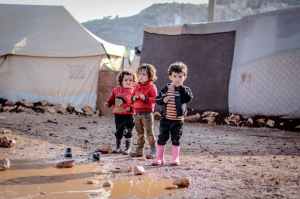
Photo by Ahmed akacha
These systemic disparities necessitate a new fiber-optic connection to combine hunger, education, and the pandemic into a single long-term social contract, similar to what your local cable company provides with broadband internet, television, and telephone.
According to the World Bank, the middle class has been equally affected, and the dreadful long-term reality of anxiety, fear, and uncertainty is appalling, as they anticipated an increase in poverty.
According to experts, between 70 and 80 million people will be pushed into deeper poverty. There were significant disparities in many areas prior to the pandemic, including education, employment, and access to good, affordable health care.
Is it a matter of budget whether you study on campus or not?
Rich school districts, as I have noted earl;ier, have the resources, and have implemented an excellent strategy that includes resources, new technology platforms, increased speed, computers, and continuous access, whether virtual, in-classroom, or hybrid.
Parents in these affluent districts are frequently more engaged, have more flexibility, and have connections that can influence the next learning platforms that work with their schedules.

And, while there are legitimate concerns about student and teacher safety, as evidenced by the teachers and their union’s picket lines, these are usually resolved through the school’s budget.
Even with access, this pandemic has devastated many families on the other side of the city, particularly minorities and people of color who have lost many families as a result of this disease.
Healthcare disparities have resulted in more deaths in these communities, and any new classroom format, whether online or in person, will not fill the emotional sadness and gaps.
Who will be there to console a student who has lost a parent or another family member to the disease? In reality, COVID-19 has already widened the gap between the haves and the have-nots.
As experts pointed out, students unquestionably missed their senior proms, hanging out with friends, homecoming, and sports, all of which are critical to a student’s social and emotional needs.
However, the impact of this pandemic will be measured not by these factors alone, nor by political polls, but by the gaps, it will leave in our society.
Despite political promises made by many leaders, such as a new potential vaccine, a reduction in death, and a return to some level of normalcy, the results for these students are not photo-ops; the effect will be judged later by test scores or other social issues they may have as a result of being excluded.
Furthermore, they will face further setbacks in their educational, social, and economic development; many may not even be vaccinated due to location, and access will remain a barrier.
As of today, I’m still hoping that things will improve. However, there have been concerns raised concerning the accounting of COVID-19 donations.
According to sources, the only people who will benefit are leaders and those with connections, especially in many poor and developing places.
In addition, the investors as shares of pharmaceutical companies skyrocketed, but one still must give credit to the scientist who has been working and got society to this point.
Today’s teachers wear many hats, including counselors, technical support, financial resource, and attendance advocate.
Teachers have a lifelong effect on schoolchildren, helping them believe in themselves, according to studies, but parents will continue to be the most influential individuals in a child’s education and development.

COVID-19 has thrown many teachers into this unknown glass room, where everyone is watching, hoping to get to know these kids through their often foggy gadgets while keeping 20-35 students alert.
The online environment does not provide an ideal platform for recognizing all students’ unique strengths, weaknesses, and motivation levels, which is essential for keeping them all engaged virtually. However, there is a trade-off given the risk of new infections because no one knows how the vaccine will react to new variants.
We can argue that these students do not have the responsibility to go to work; their only commitment is to wake up, log in, and participate, but I can see how many students’ grades may suffer, even if they had a high GPA prior to the Pandemic.
For a few days, the personal check-in was disguised.
I’ve been observing a few classes over the last three months and have come to realize just how difficult it is for teachers to adapt to this new normal.
COVID-19 exposure provides some parents who can afford to stay home with immediate access to their children, which is undeniably beneficial for the parents involved.

You get that “I’ll be right back” a lot when you’re wearing two hats, but I understand.
Even though I work in an environment where I am protecting the public and using cutting-edge technology, my somewhat unlimited budget platform has its bad days. However, as the week progressed, it became less painful, and now and then someone appears in this visual space, possibly a school counselor or based on parental feedback.
Students’ opinions, which may be formed for a lifetime, may not have any outside discussion of one’s political beliefs, socioeconomic status, culture, race, national origin, and how few view other groups.
Often, there is a sense of a misguided history from some of these selective lectures, where it appears key decades in our/their history have been painstakingly painted in a much rosier light.
There is no need to be alarmed here, but it may point to broader intersectionality in our community and why there is a continued socioeconomic and racial divide, but given the diversity, I remain optimistic.

Some teachers are extremely helpful and understanding, whereas others, once the slide is completed, please check the folder to respond. What about those who may not have access to a closed online slide from that day’s class to refresh because their connection is at a McDonald’s, far from home?
Let us hope that COVID-19 does not further divide us once we are all vaccinated and can return to normalcy.
Many questionable sections of these PowerPoints will be critical to their development outside of the classroom, such as at lunch, on the field, or while walking to their locker.
Where is Mum when the internet connection is down?
Because of the pandemic, many people are unemployed, searching for a child, caring for their parents, becoming the breadwinner, looking for work, having no support when the WIFI goes down, and the list goes on.
These parents are entitled to additional assistance and resources, such as community groups. Even to help with a homework assignment Recognizing and respecting the fact that each family and child has unique needs is critical.

Many parents have taken on the role of substitute night teachers due to the abundance of assignments and emails. How will they help their child with homework if they can’t explain what’s being taught?
Mental health problems in children, adolescents, and college students are on the rise, according to experts.
More reclusive than usual
Excessive or insufficient eating or sleeping;
Most days, I’m in an irritable mood.
They are uninterested in the activities they normally enjoy.
Parents should be aware of several pop-up learning platforms that offer free computers and dedicated support as an alternative.
They must investigate, as with any sequence-based surveillance, laboratory studies, and epidemiological findings, to ensure that it does not place an enormous financial burden on them and does not fail to prepare the child for the future.
Furthermore, the increase in fishing to lure students away from the virtual classroom to inappropriate websites and even the best internet security can’t keep track of these sites.
I’m logging out for the day with reservations, but I’m still optimistic.
As society rebalances, I hope this pandemic provides a second chance for everyone to close these systematic gaps. Times are tough right now, but I am optimistic if we prepare with a new balanced approach because education belongs to humanity, not a country.

Make a one-time donation
Make a monthly donation
Make a yearly donation
Choose an amount
We offered a few perspectives to aid in our aim. Your contribution will be used wisely. It’s similar to purchasing your morning cup of coffee:
Your contribution is appreciated
Your contribution is appreciated.
Your contribution is appreciated.
DonateDonate monthlyDonate yearly GLOBAL COLLABORATION, EMPOWERMENT, LEADERSHIP, WELLNESS, AND RESILIENCE