BY: R.D.
Part I
The hidden economic engines that left town
Tourism has historically been the Caribbean region’s economic motor in former colonial rulers left more of the region.
It is the world’s most tourism-dependent country region, according to the World Travel and Tourism Council (WTTC) and the United Nations World Tourism Organization.

According to analysts, this business contributes to as much as 40% of the Gross Domestic Product on some islands (GDP). Since COVID-19, travel expenditures have decreased by an astonishing 42% (about $500 billion).
International travel and business travel had the biggest losses, with analysts estimating that international travel spending decreased by 76% and business travel spending decreased by 70%, respectively.
As unemployment rose and the domino effect persisted around the world, local businesses that had benefited from tourists were forced to close their doors even further.
It appears that every small business operation has dried up, and only a few of the fittest have a chance to maintain a normal standard of living.

Photo by Nathan Cowley
The levy that was previously in place has been relocated.
A few decades ago, some of these countries had robust economies. Sugar, banana, coffee, poultry, and bauxite companies, as well as a variety of other businesses, were critical to the area’s economic existence.
Globalization and technological advancement resulted in the selling of numerous businesses to foreign investors, as well as the transfer of personnel to save costs. However, according to numerous accounts, some of this global change was self-inflicted as a result of weak governance, as several leaders would concede.
Experts attribute the disinvestment to a range of factors, including decreased labor costs, increased tax benefits, the facility no longer having enough space to suit their needs, unforeseen business challenges, employee safety concerns, and the finding of better talent. Millennials, for example, possess young, innovative talents.
These jobs served as an economic engine, providing a safety net for what would have been the middle class today, which no longer exists, as well as others from a local mom-and-pop store strategically tucked on a tight road.

Photo by Skitterphoto
Many enterprises that had lasted for a decade at the expense of local communities either lost their competitive price or failed owing to enormous imports, poor management, lower output, and corruption.
These industrial closures have had an impact on neighborhoods that rely on small businesses like retail shops, restaurants, pubs, and street vendors.
It has widened the wealth gap and increased unemployment, particularly in the Caribbean’s dominant islands of Trinidad and Tobago, Guyana, Haiti, Dominica, Jamaica, and the Bahamas, as well as in other parts of Latin America that were already in dire need of economic stimulus.
Furthermore, regardless of whether political party is in power, the social division has risen with each successive generation, as have poverty and inequality.
Today, it appears that many philanthropic organizations are seeking donations rather than providing a space for the next generation to generate new ideas, which is critical to the long-term sustainability of these shores.
Taking from Peter to Pay Paul: A fine line to walk in terms of their own economic servitude:
According to analysts, COVID-19 has created a twofold economic shock compared to the 2008 financial crisis.
According to the IOM UN Migration, visiting and spending outside protected tourist zones is comparable to direct remittance, with countries like Haiti, the Dominican Republic, Guyana, and Jamaica accounting for almost USD 10 billion yearly.However, due to the worldwide shock, this number has also decreased.
Since the pandemic, commodity prices have risen globally, as have the prices of building materials and even school supplies.
Furthermore, as evidenced by a slew of leading economic data, supply chains exacerbated volatility in import, export, and producer prices.

Photo by Karolina Grabowska
Nations that were unprepared, on the other hand, continued to suffer the most. Many people blame lockdown for their ongoing financial difficulties, but it is not the only issue.
There have been reports of massive fare increases when taking a local taxi from an airport to a hotel since the COVID-19 pandemic.
The pandemic has severely impacted unemployment and the service industry, leaving many local food banks unable to meet needs.
I’m here to report on what this reality has produced and how it has affected people, not to debate who should have done more to help when it was necessary.
The cost of excursion trips has nearly doubled, according to reports. Some of these businesses were already struggling financially prior to the outbreak.
It’s as if you’re simply covering the expenses of those who are afraid to travel.
A simple COVID-19 test, which few argue is required for travel, usually costs between $20 and $35 USD.
According to recent visitors who visited Jamaica, returning on a flight can cost around US$80.00, though this varies depending on location.

Photo by Polina Tankilevitch
Many travelers have expressed concern that local customs officials appear to be using luggage fines to generate extra revenue while strategically targeting citizens.
A few ex-pats expressed concerns about shipping items ahead of time, citing increased hassle and the extremely high cost of customs clearance.
The pandemic appears to have imposed several fines to make up for lost revenue from other activities.
Furthermore, after inspecting luggage, report any missing items to clear check-out.
After receiving a fine for leaving items with a sale tag at the airport checkout, one traveler and her family decided not to return anytime soon.
It is not unusual for a group of locals to take a vacation to shop for new clothes.
These visitors, who have families on these shores, often buy items with the intention of giving them away or returning them if they are unworn.
Furthermore, even bringing a few extra boxes of protected masks to help Aunt Jane was considered a business trip, and the imported ones at some local stores are significantly more expensive than she had paid elsewhere.
Prices can frequently differ from those of a nearby store a few steps away, particularly for basic food supplies, with little enforcement exacerbating the economic difficulties.
Unfortunately, it appears to be a missed opportunity for previously lost revenue and will discourage future trips, particularly for budget-conscious travelers willing to take the risk during this period of uncertainty and anxiety.
Part II
The truth or reality behind the masks
According to experts, as the global cost of living rises, the pandemic remains unpredictable, and vaccine skepticism persists, even among those who may have received the first dose, more families will fall further into poverty.
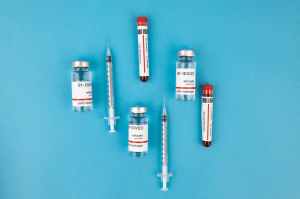
Photo by Maksim Goncharenok
The issue may not be with the number of people still on the road who are violating established restrictions aimed at slowing the spread of this disease.
COVID-19 survival is comparable to running a clandestine company. As a result, a sizable audience marches in time with the beat of their drums.
Many argued that the risk is worth taking in order to feed their children and pay their bills in the face of insufficient government assistance.
A few residents observed that only well-connected, wealthy politicians can afford self-quarantine, have access to healthcare, and live a normal life.
Many impoverished individuals, previously excluded from the local economy, now face the wrath of an outsider, particularly those who resist vaccination.
Some people are frustrated because they perceive a division between those who have access and are almost certainly already vaccinated, while others appear to be blaming those who violate rules, demonstrate an extreme need for economic assistance, or who brought the virus to the region or spread it locally.
It is difficult to balance the need to open resorts and ports for economic gain with the need to avoid responsibility for the virus’s potential risk, regardless of who is carrying it.
While adhering to the guidelines is critical for visitors and residents alike, I feel that anyone who has tested positive for COVID-19 or has other medical conditions and is aware of potential medical complications would not jeopardize their lives.
Additionally, as previously reported, there is a lack of vital resources, including enough ventilation and adequate bed space, as well as challenges in navigating healthcare systems that have outlived their elderly population and the unpredictable nature of healthcare expenses.
There is growing concern among local residents that healthcare systems are already overwhelmed with the task of meeting critical demands.
Furthermore, the surge in patients has put numerous local hospitals to the test. However, the pandemic has also revealed inefficiencies in other crucial areas that were already in place prior to COVID-19.

Overcrowding at a local hospital
If families are vaccinated as recommended, these countries will be able to recover considerably sooner, scientists say.
The difficulty in striking the right balance
The pandemic has divided many communities, with local officials debating whether businesses should remain open or temporarily close.
Managing pandemic danger while maintaining economic viability requires a delicate balancing act.
Some people said the confusion was exacerbated by the lack of consistency in local guidelines, which ranged from determining which companies would be closed to enforcing curfews and closing streets.
As I previously stated, tourism is a significant driver of many of these local economies. Managing the influx of visitors, some of whom may be unvaccinated, as well as the economic impact on the local economy if all are barred from landing, according to numerous local reports, is a difficult task.
When it comes to decision-making, the pandemic has put authorities in a bind. Closing the local economy necessitates a delicate balancing act, as others will perish due to the lack of an economic vaccine.
Even though many residents have observed social distance, wear masks, and have been vaccinated, frustration persists.

According to reports, some visitors were restricted, whereas others were free to move around and party, not following safety protocols and were leaving secured areas.
Furthermore, many argue that leaders are using these times of fear, anxiety, and economic uncertainty to gradually push toward despotic political power through restrictions.

Photo by Monstera
Though it may not be a call to limit democracy for public health, freedom comes only from knowledge, and reasonableness is only possible if talk leads to agreement.
PART III
Behind the mask are the unseen victims of unvaccinated economics.
Local communities are coughing up an economic virus that has been dormant for decades, on top of a fragile system that had a bad cold for decades.
The pandemic has cast a spotlight on the region’s governance, exposing the region’s vulnerable labor force, mismanagement, and poverty.
Even though the whole region can’t be blamed for today’s inflation, supply chain problems, or COVID-19, it looks like some leaders have been playing economic poker.
It’s just that no one predicted the outcome of the dealt hand or the resolution of their nation’s economic problem. On the other hand, with the same deck of cards, each election cycle delivers a more secure promise.

Photo by Julia Volk
Many politicians and other well-connected individuals in these emerging and poor countries are like casino dealers; they always win. Thus, the pandemic has less of an impact on them because they are salaried employees paid by the public.
Several reports have detailed the spending, management, and overall accountability of COVID-19 funds. When there is a history of reported corruption woven into public service decisions, the reality is that this is what happens.
It’s not uncommon to see some leaders minimize or deflect when they have to justify numbers or compare audits to other countries in order to ease accountability concerns. However, the country’s independent accounting system conducts the investigation.
As the cost of food, utilities, public transportation, and even government services like vehicle registration and taxes goes up, many families are already having a hard time because they can’t afford to pay for these things.
In many poor and developing countries, wages haven’t changed for years, so families have to make some sacrifices to keep up with rising costs.
Today, more individuals are concerned about inflation, growing living costs, job shortages, and food insecurity, all of which have contributed to increased economic fever and financial issues.
Today, not only do privately owned taxi and bus drivers require a booster shot, but so does a local shop outside the tourist protected zone.
The dynamics of youth and how to best serve them:
According to specialists, this is beyond the time when a vaccination will be available for that demographic or when students will be ready to return to a sense of normalcy in the classroom, which is crucial for their education and mental health.
Many students struggle to meet crucial academic standards due to a shortage of resources, forcing some to return to already overcrowded classrooms.
According to some estimations, three out of every four young adults are unemployed.
One of the few areas to find work is in contact centers, where many educated young people queue up to work.

Photo by Sora Shimazaki
Because of high unemployment and a weak currency, fewer middle-class people and more people living in poverty are committing crimes like robbery, murder, and assault.
Others struggle with massive student loan debt and a lack of career opportunities.
A small off-grid house from a low-paying job is becoming more and more difficult, and COVID-19 seems to have made it even harder.
Who is speaking for you at the table?
Nurses, doctors, and scientists have a critical role to play in educating the public about vaccination and vaccine safety. Rather than politicians, they are the ones on the front lines.
In addition to informing patients and their caretakers about the advantages and safety of vaccinations, they also provide information on the dangers.
Some people who are reluctant to get vaccinated because of religious views, distrust of their leaders, or ignorance may benefit from talking to a small support group about the vaccine.
According to reports, the United Nations World Tourism Organization (UNWTO) met to discuss a global coordinated partnership on the impact of the coronavirus on global travel and tourism, but who at the table represents impoverished nations?

Photo by August de Richelieu
We can only hope that future elections, regardless of location, do not sell or use this vaccine as a political platform.
Should society fail to secure vaccine equity, as the majority of experts recommend, to prevent the virus from spreading, the consequences will be dire.
I agree that immunity may be the only solution to mistrust and or poor leadership.
Here comes the sun
The sun will rise again on these lands, and price increases may not be necessary if people follow the science and recommendations.
Despite the risk of contracting COVID-19, many people will continue to travel to reconnect with their history, whether for cultural reasons, business, vacation, or just a mental break.
Travel reports say that before COVID-19, a lot of people were going to places like the Caribbean, Europe, North America, and parts of Asia.
Additionally, trips to historic sites and cultural events in big cities are becoming increasingly popular as an addition to traditional beach vacations.

Photo by Natasa Dav
There must be a balance that permits everyone to navigate this recent major transition; locals, as well as entering and departing guests, must work together to ensure that no one feels excluded or under pressure to preserve a feeling of normalcy.
After duty, I’ll see you soon, with or without this mask! .. Keep yourself safe!

Make a one-time donation
Make a monthly donation
Make a yearly donation
Choose an amount
Or enter a custom amount
Your contribution is appreciated. It will support, professional endeavors including civic engagement and professional development, nonprofits, and community organizations.
Your contribution is appreciated.
Your contribution is appreciated.
DonateDonate monthlyDonate yearly GLOBAL COLLABORATION, EMPOWERMENT, LEADERSHIP, WELLNESS, AND RESILIENCE