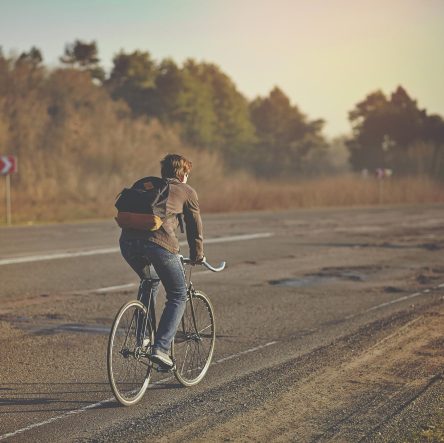
Finding the right mixture of paint.

On September 3, Jamaicans will choose their leader for the next five years. The election will scrutinize various socio-economic issues, the fulfillment of promises, and the experiences of those who have witnessed or are still waiting.
Will the incumbent, Prime Minister Dr. Andrew Holness, be entrusted with the key to drive Jamaica’s vehicle out of the repair shop, or will voters choose to change the locks, repaint it in their party color, or hand it over to Mark Jefferson Golding, the Opposition Leader, for the next five years?
Mark Jefferson Golding, who faces allegations regarding his Jamaican identity, has led the People’s National Party (PNP) since November 2020, and many consider him as upholding Jamaica’s motto, “out of many, one people”?
Considering the impact colonialism had on the lives of many voters’ ancestors, some argued is it appropriate for Jamaicans to elect a royal descendant, particularly in the wake of independence?
Jamaica’s economy encompasses more than just eligibility; however, the underlying question today is whether, a midst a political climate of confrontation, cooperation can emerge like the ocean during low tides or a blend of colors that elevates this beautiful island under the rainbow from many neglected areas. This stunning island, like many others, encounters a multitude of question.
Will this election lead to genuine transformation, or will it merely act as another means to maintain the existing order set by past administrations?
Will this be a referendum on as some local reports suggested on leadership since the last election?
These elections are often about who saw the art, who got stained, and who is still waiting for a fresh quote of paint. The question today is what color of governance Jamaica needs, because it appears that once it emerges from the political body shop, can leaders endure all the debris from the economic potholes and unpredictable weather, and can they maintain its shine after the victory dance concludes?
Is it another incomplete canvas with colorful image?

It often revolves around critical perspective of the painting on the wall filtered through narrow lenses, connections, that intertwines crime, economic upward mobility, poverty, the widening wealth gap, gender equity, inequality, and some argue, corruption, alongside climate change, and workers’ rights.
It appears that there is ample blame to distribute, and are they in a better position today under either the Jamaica Labour Party (JLP) or the People’s National Party (PNP)?
Every election cycle on this coast appears to reflect on what they should, could, and might have accomplished. Numerous damaged vehicles may need a fresh coat of paint, but the outcome hinges on the choice of body shop selected to address the rust, conceal imperfections, or preserve the vibrant hues.
Experts indicate that Prime Minister Andrew Holness (JLP) utilized his administration’s response during COVID to secure his re-election in 2020. His modernization efforts yielded favorable poll results, yet despite his popularity, many question the efficacy of his vaccine and whether economic challenges continue to ravage everything, particularly impacting the poor.
Several local reports have shown that crime has decreased, while citizens hold mixed views on whether safety has improved. It has always been challenging to manage crime on these shores.
Many of whom have experienced a strained relationship with the police since mid-1865—and the Morant Bay Rebellion (11 October 1865), which commenced with hundreds of individuals marching to the courthouse under the leadership of preacher Paul Bogle.
As observed, despite the positive data that indicates a declining trend, many argued, “Maybe it’s for residents of gated communities experiencing this impact?”
What is the best color for fueling the economy?

I hold the view that the matter at hand transcends mere election strategies and calls for a more profound exploration of a sustainable socio-economic framework to support any surface-level enhancements.
Many elections promise, or changes frequently fall short, leading to gradual decline, akin to waves wearing away a surface, ultimately resulting in deterioration irrespective of the individuals in positions of authority.
Regrettably, it appears that numerous individuals in these communities tends to only focus on one aspect of the vehicle. However, when the political vehicle is viewed from a different perspective, it becomes evident that this approach leaves them without a comprehensive solution for the other side, which may have deteriorated significantly following these elections.
Both sides are critical to fixing these imperfections that play a crucial role in deciding whether to revitalize the nation’s economic framework beyond the chosen color, enhance community resources, or repair existing issues.
Nonetheless, the outcome may hinge on the engagement of younger voters and the team that adeptly navigates social media without sidestepping direct confrontations with challenging inquiries. Thus, it may not necessarily be determined by who excelled in political debates or possesses a comprehensive understanding of the nation’s needs, but by who connects with the people.
Both sides signal better art, but where does it hang after the election?

Jamaica’s future planning must focus on environmental priorities, address the trade deficit, review the balance sheet, and enhance investments in the youths, victims protection, and public safety.
Prioritizing education, corrections, training and development, enhanced protections for women against abuse, and economic policies that benefit the collective good is essential.
Despite the political conflict in this region between two primary factions transforms politics into a complex game of strategy and manipulation, where presenting the right image is crucial. Regardless of the circumstances, the rhythms frequently coexist on the same vinyl, even with their distinct variations.
The frenzy that drives communities apart may resemble a repair shop anticipating a fresh coat of economic paint or protection from the corrosion of inequality and poverty.
Regrettably, it seems that popularity is prioritized over actual achievements when it comes to determining leadership in this region. Amidst it all, an unemployed mother, father, sons, daughters, cousins, grandparents, and uncle engage in conversation, anticipating a new melody once this political music comes to a halt.
Maybe this time they’ll see past the outside sheen?

This election, much like others, is likened to a contact sport where only the strongest endure. Will these injure community players have a chance in the next cycle, or while they attempt to repair these dents in whoever takes over the economy’s body shop?
The truth is that those who have been overlooked and marginalized, waiting for assistance to mend years of damage and systemic decline, will not see change happen instantly.
Who truly benefits from cosmetic alterations?
Jamaica and other impoverished nations experience the consequences of kleptocracy following numerous elections. Experts indicate that many of these lawmakers belong to the region’s affluent class.
A good deal of leverage in their relationships to acquire and conceal vast wealth that far surpasses their government salaries, despite starting from modest origins.
Does Jamaica need a fresh coat of paint, or should it simply repaint?

According to local media, both parties have several women running in this election. Women are the backbone of these nations and the lifeblood that determines whether these paints shine for future generations; thus, they must cooperate regardless of their political views.
Many young men and women are looking up to them not only for inspiration but also to create laws, protect them, and provide employment opportunities. When they work together, the nation wins.
After these vibrant events, I hope everyone can choose a color scheme to renovate the country as it navigates rough waters. These communities must begin to see a future over fear and reality over myth.
Yes, there will always be issues, and your vote must be for the future, not for road repair or an emergency loan, regardless of locals’ and expats’ opinions, or polls, right or wrong track, safety, or seeing a revolving door, because only you know how you feel and what is at stake for your future.
Jamaica is vibrant and promising despite its flaws. Change must begin at the grassroots and move upward.
The choice of what to display on the wall is entirely yours!

It is evident that individuals, regardless of their political affiliations, collectively aspire for an improved economy, enhanced safety, and opportunities for growth within a setting that fosters comfort and motivation for all.
While it may not be the ideal arrangement, it is certainly important for them to maintain a positive outlook and remain engaged.
It is essential for all individuals, particularly the younger generation, to continue engaging in the art of political and socio-economic painting, whether utilizing recycled images or starting anew on a blank canvas.
This journey is crucial for realizing the ultimate vision they aspire to, both for their nation and individual accomplishments, despite the apparent constraints or the unpredictability of the results.
Regardless of hue, governance must reestablish trust to start a new upward climb for long-term progress. I extend my warmest wishes for your success and happiness!


 GLOBAL COLLABORATION, EMPOWERMENT, LEADERSHIP, WELLNESS, AND RESILIENCE