Although the glass ceiling may have been shattered in the Caribbean and other impoverished and emerging countries, it still remains intact.
Despite having more tools, data, and even resources to tackle problems, it appears that with each election cycle, the stakes become higher.
Photo by Sharon McCutcheon
Political opponents will debate which candidate is most suited to tackle socioeconomic concerns including violence, poverty, inequality, and division—even those who have contributed to the discourse— to establish a brighter future.
It can be challenging for talented individuals to gain a place at the table. It isn’t because of what they know, but rather who they are.
Today, my opinion is a detached approach, reviewing a few female leaders in the region, and unveiling hidden potential in a few voting boxes.
Several women have risen to the challenge since the colonial era, thereby ushering in a new era of leadership. However, since the few women I have chosen to highlight, several things have changed.
They have successfully cracked a few glasses, but are they really busted in the region.
Shortly after a few successful women leaders lost re-election campaigns, many took advantage of the chance to blame them for their failures, rather than praising their accomplishments and adopting what experts saw as poor decisions on key matters.
They were excessively tough, held strong opinions, exhibited an attitude, and struggled to adapt to shifting demographics, thereby distancing themselves from the working class.
A list of notable women leaders from the Caribbean archives:
The Hon. Eugenia Charles: Prime minister of Dominica, July 21, 1980, – June 14, 1995,
The Hon. PortiaSimpson-Miller: Prime minister of Jamaica; March 2006 – September 2007 and again January 2012 – March 2016
The Hon. KamlaPersad-Bissessar Prime Minister: Trinidad and Tobago, May 2010 – September 2015.
In recent decades, these women highlighted above have emerged from the shadows and pursued positions of greater responsibility. However, unfortunately, many of them have faced failure.
The lack of additional openings in the ceiling has made it difficult for a lot more stuff to get through.
Eugenia Charles holds the distinction of being the inaugural female prime minister of Dominica and represents the Caribbean’s first female lawyer.
Since the death on July 21, 1980, until June 14, 1995, Dominica has not experienced any further deaths.
All three candidates, Portia Simpson, Kamla Persad, and the late Eugenia Charles, lost their re-election bids. Instead of focusing on their political achievements, it led to more critical examinations of how they lost.
Several historical reports show that even as leaders of their respective countries, Portia Simpson-Miller and Kamla Persad were subjected to unreasonable and cruel treatment by the press.
Political experts report that women faced pressure to achieve more with limited resources, including from peers and dictating men in the legislative-parliamentary system.
Frequently, individuals’ gender takes precedence over their abilities or commitment to public service. But for this opinion, Instead of focusing on what should have been done, my main concern is determining the most ideal course of action for these nations going forward.
As a side note, other women have served as Prime Minister of the Netherlands Antilles, which include Aruba, Curacao, St. Maarten, and Bonaire, and are known as Dutch Caribbean colonies.
The hazy mirror continues to struggle with cleaning up the remnants of its past.
Leta Hong Fincher of CNN recently reported that a “United Nations and Inter-Parliamentary Union report highlighted that 10 of 152 elected heads of state were women, and men made up 75 percent of parliamentarians, 73 percent of managerial decision-makers, and 76 percent of people in mainstream news media.” Fincher said.
Women have significantly contributed to the advancement of these local political communities, thought men often dominate them, whether as educators, nurses, police officers, or wives who keep the family together.
Despite the fact that many great female leaders have emerged in various societies, there is still a significant gap between gender equality and political advancement.
There are many barriers that still exist in our society, and while I am not qualified to speak on women issues, but many have been documented and may continue to play a role today.
For example, I recently read about Lisa Hanna, a former World 1993 contestant and Jamaican Member of Parliament whose personal beauty overshadows her ideas.
Photo by Emre Can Acer
Sadly, it seems on some of these shores today, the selection of our modern-day female leaders resembles a “beauty pageant,” with their physical appearance taking precedence over their abilities or economic policies.
The room’s unspoken elephant:
According to political pundits, opposition leader Dr. Phillip was one of Jamaica’s finest legislators, and his experience benefited the country greatly.
However, because demographics have shifted to a younger voters, some likely voters may believe it is time to hand over power.
Photo by Tima Miroshnichenko
Can he or others, on the other hand, instantly remove the barriers that women frequently face in politics, barriers that have been woven by a decade of a stained mirror woven by an old colonial and slavery mentality that only a few people can overcome?
Most importantly, can he use his abilities and skills to capture the imagination of young voters and persuade them to change course or continue to steer this political ship into an iceberg?
To show, an elephant is present in political and leadership rooms worldwide, including Jamaica. Even though her political views may accord with the majority, her time to lead tend to be uncertain.
In the eyes of many Jamaicans, Lisa Hanna has a better chance of delivering a clear decision concerning the country’s future than any other candidate, regardless of party affiliation.
The question of whether the Honorable Dr. Phillips will hand over his power to her or another comrade after decades in office has sparked controversy.
Is she or any other comrade able to put pressure on the Honorable Dr. Phillips, leader of the People’s National Party (PNP) to yeald power?
When it comes to guard changes, it is important for the party to acknowledge that, eventually, the male emperor may have to give up some power.
Unfortunately, it appears that no one has the authority to persuade a less-than-enthusiastic male opposition leader to cede control.
Many locals thought that it would provide the nation the opportunity to mount a serious challenge against Prime Minister Holness.
Hon. Lisa Hanna: Member of Parliament-Jamaica
It would also serve as an inspiration for future generations of young women, encouraging them to participate in politics and pass legislation that safeguard and better their futures.
Will she succeed Dr. Peter Phillips’ as Leader of the Opposition remain an open question?
Unfortunately, I am not a political expert or a voter, but based on my observations, it appears that when the PNP ship sinks in the next election, the current leadership will also go down with it.
Part II
What is the next step in the search for the next woman leader?
There was minimal discussion of veiled sexism or misogynistic views. I mentioned before that I am not an expert on women’s upward mobility; they know what is best for them and where they can excel in society.
Call it like it is: It is crucial to acknowledge and not downplay the subtle or minimal discussions about hidden sexism and misogynistic viewpoints.
While it can be challenging to balance their respective responsibilities, it is equally important to have a group of next-level women players on the bench who are willing to step in and handle the political game.
Often by the time she assumes leadership, the outcome often undergoes significant changes.
Every election should unquestionably focus on the next generation, with rigorous debates that appropriately balance voters’ legitimate concerns and interests with their economic future.
The gradual rise of populism in the Caribbean, particularly today, has never been successful. It almost always results in obvious personal financial gains for many elected officials.
Unfortunately, Lisa’s experience has paralleled others in modern politics—difficulties, setbacks, a few wins, and more barriers. The glass ceiling remains mainly intact, despite a few cracks.
It also provides in-depth understanding of the root causes of not enough of women in leadership roles, both locally and internationally.
A delicate balancing act
Again I’m not an expert on women’s politics, but despite the fact that more women are running for office in the region, it appears that the men in charge, are still in charge.
A sizable contingent of supporters or women at the table does not always result in legislative victories.
Economic policy-making in the region sometimes resembles learning the ropes at a local mechanic’s shop. Only when a supervisor has no choice or can no longer lead, then they spread the opportunity to show off the staff skills.
Clinging to power, on the other hand, breeds division, disconnect, and a stalemate of new ideas for advancement in paving the way for the next generation of female leaders.
In order to bridge the gap between the wealthy and the poor, it is crucial to develop a comprehensive strategy that addresses women issues, safety, abuse, criminal activity, like attracting new investments, to promotes economic growth.
This is particularly important given the ongoing COVID-19 pandemic, stagnant economic conditions, and high levels of unemployment.
Of course, some will push back to appear to be conscious of these issues, and even a day at church before an election, which I understand; they’re all politicians, and I’m not in the room, but after the sermons on change, it appears to be the same scriptures.
If the regional legislative system requires future female leaders to win the approval of men in order to ascend to the top, this is problematic.
Will the elephants leave the room so that other well-qualified female leaders can become the party’s commander in order to be elected as the next Prime Minister?
The revolving door of leadership:
Considering the current political climate, this assessment is not excessively severe. Many political leaders utilize appointed positions as a means to showcase their commitment to diversity. However, once elected, they tend to govern in a manner reminiscent of the old boys’ system.
Being a good leader is all about maintaining a stable environment and understanding that, as a passenger, you may benefit from your years of road experience rather than trying to drive while distracted by personal requirements.
Every election cycle appears to have the same guards and a similar platform for economic prosperity on many fronts, jobs, education, and access to good and affordable healthcare regardless of party affiliation, particularly in poor and developing countries plagued by crime and economic stagnation?
Perhaps term limits should be considered, and communities throughout the region should ask themselves: do they feel safer, better off, regardless of party affiliation?
Photo by Stephen Rupp
Every vote has consequences, but losing an election does not mean that women’s advancement in the Caribbean or elswhere is over.
More women in politics are needed, especially for adolescent girls who need a role model, better education, job opportunities, healthcare, and security.
These communities must begin to prioritize what is best for their country over short-term personal benefit.
Many people believe in “democracy,” yet in an oligarchy system in which leaders choose who they believe their society will recognize based on an emotional connection, but are completely disconnected from the reality of the community’s needs.
This allows the elected leaders to gain more control over their personal power while pretending to be working for the community at all times.
Often, operatives are purposefully used even at the highest levels; many at the table will hear her voice, but if it is solely for campaigning to keep power for personal socioeconomic standing, she must reconsider her job or impact in building the next generation.
Photo by Mikhail Nilov
It’s no different from sending Mother’s Day tweets to your constituents, which is a nice gesture but lacks a comprehensive economic strategy aimed at lifting these young women out of poverty, as well as protection, victim rights, and resources to stay safe and care for their families.
Giving out a few shopping bags to the impoverished is always a good thing, but when it comes with a camera and a 30-second film to tweet, it’s approaching exploitation.
While this is helpful for increasing voter turnout and preparing for the next election cycle, long-term economic mobility is still a key factor in the divided neighborhoods.
Taking a stand in the face of reality.
PART III
To be more than a statistic, more women must unite around similar threads, regardless of political allegiance, to show that politics and action can be the difference between success and failure for students.
Photo by PICHA Stock
Because many of the women in the region’s official titles are “former,” this is not the time to embark on an apology tour, because it cannot become a safe haven.
It’s been proven in numerous studies that men are notoriously bad at apologizing for their mistakes.
To overcome these barriers, lmore eaders must coach and encourage the next generation to lead. Young people in the region must believe that they have the potential to become the region’s leaders.
Approximately half of women in the workforce today have an undergraduate degree, matching the number of men with a college education according to Pew’s analysis and academic research.
Sadly, despite these academic achievements, there are still barriers to developing leaders and business owners who can serve as role models for the next generation of leaders and owners.
These leaders must view the obstacles or chronic challenges that women confront as an integral part of them, rather than as women working in distinct areas of the house to change the hurdles, especially in impoverished communities.
The next generation of leaders in the region must know that there is still hope for them.
This is not a last-ditch appeal for males to resign from positions of authority. And just because you cannot see the elephant in the room, it does not imply he is not present.
Given the complexity of the global economy, a candidate’s intellectual and physical capacity to lead a country in distress is a fair issue; yet, given the current situation, I believe she must have a fair shot if she is equipped.
It can be done, and nearby is a ray of light.
Prime Minister Mottley is widely recognized as one of the region’s most brilliant independent thinkers, having previously been elected as the political opposition’s leader prior to his unexpected triumph in 2018.
She recently pushed for stronger moral leadership and critical collaboration to enhance health systems across the area, particularly in light of the COVID-19 pandemic.
The Hon. Mia Amor Mottley: Prime Minister of Barbados
Her charismatic leadership and understanding of what it takes to lead in the twenty-first century make her a refreshing addition to the region.
Reports say she put the interests of her country ahead of personal gain, mismanagement, and corruption.
Hope does exist, but its realization will require more than just Prime Minister Mottley’s efforts. As noted, to ensure the development of the next generation of players, it is crucial for the team to have a group of reserves readily available, rather than waiting until the season is over to rebuild.
Furthermore, there are other women all over the world who are inspiring others, breaking down barriers, and forging their own paths, particularly in poor and developing countries.
The number of people occupying higher office chairs has been increasing for decades, even though there are fewer people in these areas, especially in coastal regions and other impoverished,and developing nations, but the sun is on the horizon.
While not all women share the same approaches, political methods, experience-based values, religious, culture or other views, the drive for socioeconomic equality, upward mobility, and gender equity remains, as various scientists have underlined.
I don’t have a ballot and I’m not voting for anyone. A female candidate should not lose an election just because she is female or because she is competing against a male candidate; similarly, a male candidate should not lose an election simply because he is running against a female candidate.
Today, I only wanted to highlight a few what i I believe are generally underestimated in terms of what they’ve accomplished, the challenges they’ve faced, and the work that still needs to be done to attain that balance.
Balance while addressing the other public health crisis
COVID-19 has exacerbated the global economic downturn by causing job losses, business closures, and disruptions to many educational systems. This has resulted in a wider gap between the haves and the have-nots.
When it came to the shores of the Caribbean Islands, it also highlighted structural discrepancies in many medical systems’ readiness and access to cheap healthcare, as well as in other poor and developing countries.
Given the magnitude of the economic damage, experts believe that many nations will face a difficult recovery in the coming months, if not years.
Furthermore, the overall strength of many economies will necessitate more than a mask, particularly in impoverished and developing countries where the tourist industry is vital to the local economy and accounts for a significant portion of the Gross Domestic Product (GDP).
It exhibited the same waves of fear, uncertainty, and anxiety as other locations, and because no one is immune, compliance will be up to the residents until a vaccine is discovered.
Anyone who lays eyes on it can figure out what’s really going on.
Additional difficulties, according to local accounts, were a lack of planning for economic loss, accountability, manipulation of monies allocated, corruption, and a lack of sufficient bed space and other resources to deal with the pandemic.
Pay-as-you-go healthcare was already beset by problems that appeared to have outgrown the system’s aging population. COVID-19 has also highlighted the delicate balance that exists between public and private treatment in terms of whether patients have a better chance of surviving.
Effective pandemic management is vital, no matter what the disputes are.
This is not an indictment of the system, but decades of failed socioeconomic policies cannot be washed away or deflected, nor can they produce a single party capable of resolving these challenges, as some assume.
However, it has exacerbated tensions between local businesses, tourists, curfews and public safety, and the long-term economic viability of the country.
Many different topics were highlighted by the outbreak, such as the safety and well-being of front-line workers, research on the most effective ways to limit transmission, and the economic consequences.
Regardless of the discussions surrounding this worldwide concern, it is crucial to effectively manage the pandemic while considering the various factors at play, such as local businesses, employment, tourism, curfews, public safety, and the long-term economic outlook.
The good news is that there are a lot of dedicated healthcare professionals working in these difficult conditions, and their methods seem to have made a big difference in the virus’s early stages.
Photo by Laura James on
People who worked hard to fight this deadly disease behind the Personal Protective Equipment [PPE] and away from the cameras and press conferences were and still are the doctors and nurses who did their best to keep it from spreading any faster than it already has.
To move forward, epidemiologists and the local communities must figure out how deadly the coronavirus will be, how many people are sick, and the exact number of deaths that have been documented.
The delicate political maneuvering
The pandemic has also provided a platform and built the foundation for a future presidential contest. Two rival parties were blamed for the country’s troubles.
With the outbreak and its handling, there was an additional layer of separation between the two groups of people who were already at odds,
Experts have noticed for decades that social upward mobility has been a major structural challenge, regardless of which party is in power. Even my grandmother’s recollections helped shed light on a couple of the main causes, which I’ll go into more detail about in a moment.
However, it may take more than a few vaccines for the region to recover and enjoy this beautiful environment, from the other issues also not just for the well-connected and wealthy but also for those who are frequently left behind.
What happens when this outbreak has discovered its vaccine and has decreased the toll on human lives? Most of the poor and developing countries have to deal with the other pandemic and public health issue. (VIOLENCE)
Part II
The COVID-19 pandemic is being accompanied by a second hidden epidemic.
For the sake of gaining a larger perspective, I approached this essay or statement of view like an academic term paper.
Recent years have seen an upsurge in several shootings, robberies, theft, assaults, and killings, as well as gang activities. Violence is a public health issue, and it has been known for years. According to local reports, leaders should follow the same rules to bring these criminal strains under control.
Photo by kat wilcox
This, too, necessitates a national daily conference, such as COVID-19 strategies, because it may have claimed more lives than COVID in the same period.
While COVID-19 has compelled numerous people to stay at home, many residents in gated communities were already mentally confined before the epidemic, with steel bars put on some properties serving as a constant reminder of security concerns.
According to some leaders, external factors like drug trafficking and the importation of illegal firearms could potentially affect the situation at hand.
Reports have suggested that young individuals may be involved in these crimes. However, it is important to question who they are working for and whether there are any affiliations with criminal groups, and why crimes seems to be the only way for their survival
I will address the common practice of putting the carriage before the horse, which is frequently observed in various regions, particularly in economically disadvantaged and developing nations, when crime waves become a prominent media topic.
Crime, on the other hand, usually requires a lot more cooperation from different groups to stop criminal businesses. What are some of the internal motivators?
Some members of the community believe that the city is not doing enough to protect them from becoming victims of this criminal virus.
While local law enforcement has been unable to attribute the surge in violence to COVID-19 or any other external factor, the outbreak has the potential to reach pandemic proportions.
Trying to avoid stigmatizing people with mental health disorders and homelessness, especially in countries where the subject has a history of being ridiculed, taunted, and consigned to the margins of the public eye.
Another question is, given the epidemic, how many facilities could have dealt with any potential problem? However, I’ll come back to this topic eventually.
Foreign travel restrictions can help prevent a pandemic, but a country also needs to vaccinate dangerous areas where crime has persisted.
Local residents may recognize that the Coronavirus and the recent increase in crime rates pose a threat to the economy.
But who is to blame for economic downturns brought on by the pandemic or the increase in crime rate, the virus, or the leaders?
Many of these communities will likely continue searching for solutions for many years to come.
Despite the reality that violence is pervasive not just in these places, some regional media outlets compare and minimize it regularly, which is not a solution.
Moral equivalence is conveyed, which conflicts with local crime figures and other socio-economic difficulties.
When it comes to horrifying crimes, many have said that COVID-19 techniques have been adequate, but do they often identify the criminals who commit them?
The evidence is clear on the true cause of death.
According to experts, crime in Latin America and the Caribbean costs an average of 3% of GDP, amounting to more than US$350 billion in enforcement, investigations, security spending, disinvestment, and other areas, and it has been increasing for decades.
Photo by cottonbro
According to experts, roughly 40% of the Caribbean population views crime and security issues as more serious than poverty or inequality in their respective countries.
There were 306 homicides in Jamaica between January 1 and March 31 of this year, according to police records. If the current weekly murder rate holds, Jamaica could see over 1,200 killings by the end of this year.
Unfortunately, the region will have the dubious distinction of having the highest murder rate per 100,000 local residents, which is something no civilized nation can be proud of.
Between January and February 2020, over 73 murders were reported in Trinidad and Tobago. If current trends continue, the 536 murders recorded in 2019 will be the second-highest in Trinidad’s history for a single year.
According to several crime analysis reports, the death rate has increased from an average of 31.5.8 per 100,000 people to more than 37.5 per 100,000 people.
A high number of cases per 100,000 people was also observed in English-speaking Caribbean countries such as Jamaica, Trinidad & Tobago, and Belize, as well as Latin American countries such as Honduras and Venezuela, according to experts.
These rates are 15 to 30 times as high as those in the majority of European nations.
Bermuda, Barbados, the Cayman Islands, Curaçao, and other countries in the region, on the other hand, maintain lower rates. Naturally, they are smaller in population, and some retain colonial authority with well-managed administrations.
Bermuda had its first murder in two years, with five occurring in 2018 and none occurring in 2019.
Despite claims of drug and firearm smuggling, organized crime, and criminal gangs, these islands have a far better grasp on crime.
A tightrope walker
Local law enforcement personnel who are required to wear numerous hats daily; crucial mediators, advisors, diversity coordinators, youth advocates; group leaders, psychologists, and community volunteers are all caught in the crossfire of politics.
Today’s officers face a challenging duty. They must serve in politically connected neighborhoods. They frequently encounter danger and hostility.
The animosity between law enforcement and the problems they face today has its roots in colonial control, but many of the conflicts they face are self-inflicted.
Officers have a significant role in preventing violence and other civil issues in these communities, as demonstrated by the discovery of a COVID-19 vaccination.
As a result of trying to replace years of experience that have departed the police, they are probably overworked and understaffed.
Today, it seems they are overburdened, outgunned, and appear to lack the resources necessary to reduce violence while reconciling community perceptions with reality.
Additionally, underpaid, and in some circumstances, the community casts doubt on some currently serving obligations or willingness to defend and serve the community for many years to come.
Sadly, many organized criminals who may be suffering from mental illness, some frustrated with their personal growth, or feel like they are untouchable because of their political connections won’t hesitate to scare people and take off their masks to make them afraid.
There are a lot of people who think that these criminals, like the COVID-19 virus, are not bound by society’s laws and rules. This makes them more dangerous to everyone who comes their way.
A lot of these criminals are trying to destabilize local communities by taking advantage of this time of unease, anxiety, uncertainty, and stress that isn’t seen in a long time.
Unfortunately, some members of the same violent communities will defend those accused of heinous crimes, disguise themselves, or refuse to provide valuable information to assist local law enforcement in being more effective.
If these towns do not respond to continuing investigations when they have important information and given the observed poor case closure rates, they risk attracting a swarm of serial killers or someone in need of rehabilitation on their streets.
You cannot continue to blame law enforcement for withholding information that might benefit the community and the country as a whole.
Along these beaches, the swaying anchor
Similar stores, like Haiti, are often neglected. In February 2020, the Armed Forces attacked the National Police Headquarters in Port-au-Prince, killing one soldier and injuring another.
Photo Credit-Globe Post
The governing structure itself may be under threat by other Haitians who are simply waiting for an opportunity to strike.
More civil unrest is possible in 2020 because of a worsening economic and political crisis ten years after their horrific calamity, reports other publications.
If the country of Haiti collapses and ignites innocent people in its path because of political unrest and economic ruin, society should pray for the best and prepare for the worse.
People who live over there aren’t alone, but some of the postcard images sent from other places may not tell people where the real stories are.
If you think the Pandemic or the Crime should be prioritized, then you’re right. I’m just pointing out the difficulties.
Separate but equal judiciary roles:
Will an offender’s behavior alter if countries like Jamaica, Trinidad and Tobago, Guyana, Balise, Haiti, and other Latin American countries reinstate the death penalty by hanging?
Hanging offenders, even though it is a degrading, brutal, and inhumane penalty, has been argued to dissuade those who have violated the peace of the nation.
Even though the death penalty has been abolished in a large number of nations for serious crimes, Amnesty International remains opposed to it.
As of today, it appears like the court needs to get more engaged. In their publication, The Role of Judges, the American Bar Association stated it best.
“What exactly is a judge’s job description? What he or she doesn’t do may be the greatest place to begin.
When it comes to enforcement of the laws, I believe that the legislative body, public employees, and citizens as a whole need to work together to ensure public safety. A judge is not a law enforcement officer.
Even though it is true that no country can forecast criminal conduct for a variety of reasons, reactionary law enforcement is not a long-term solution.
To effectively deal with it as a public health issue outside of the elected or elite bubble, the correctional system, legislation, and judicial system, as well as politicians, must speak out in one collective voice. They must stop pointing fingers and speak together.
Often, you read, stiffer penalties, but as soon as it hits the media, it becomes a political debate and dies quickly.
A severe penalty will not be sufficient punishment for leaders who fail to address the root causes of socioeconomic deterioration.
Even if tougher are introduced, as experts have remarked, is not a long-term solution to discourage crime, it requires jobs, training, rehabilitation assessment, recognizing potential problems, and building confidence with law enforcement
Finding the root cause of a problem
A focus on the primary area where I believe criminal elements contribute to high recidivism rates and other safety problems is not a denigration of the system.
What are the socio-economic hurdles that, especially for many young people, make joining a gang, indulging in scamming, or targeting vulnerable people more attractive?
It’s not only about breaking the boundaries of social distance or curfew but rather, what’s the pathology behind the behavior?
Addressing issues such as neglect, re-victimization, school fights that might escalate, weapons accessibility, school dropouts, juvenile criminality, and substance abuse will take some time, realistically.
Photo by RODNAE Productions
Leading experts warn that if these problems aren’t addressed immediately, they could spiral out of control.
A lack of parental direction, low self-esteem, sadness, rage, and other symptoms of social and economic inequality are all red flags that need to be addressed if they are to address these problems.
Although they may have the best of intentions in some interventions, it appears that many residents engage in “selective wrath” before moving on to the next hot topic.
It is time to move the focus of crime-fighting measures away from how government institutions such as law enforcement and the courts operate in these close-knit communities.
While these disputes boil with each shifting of the guard in the people’s house, atrocities continue unabated. From the pulpit to the classroom to counselors, teachers, music icons, sports stars, babies, or grandma, it appears as though no one or nothing is secure today.
Closing a single door allows for simple access to mayhem.
Regrettably, tales of guns discovered in barrels and containers intended to import food and other supplies suggest that the government is preparing for civil war or that criminal gangs are wreaking havoc on an already criminal economy.
Social media increasingly displays more potent weapons previously only seen in war battles. Additionally, how many barrels of weapons or illegal drugs have been discovered in these ports?
Perhaps it is time to undertake a more thorough background check on individuals in these crucial public service roles, as they also contribute significantly to the nation’s safety and security.
However, the growing disparity between rich and poor that has existed for decades must be addressed, and collaboration between social development and law enforcement is essential.
Numerous analysts have warned that these developments suggest that you may be in or near a failed state.
Additionally, whether arming company owners or expanding citizen access to firearms is a solution that could end in vigilante justice. Some may become targets for their legal firearms, while others may lack the training necessary to wield a weapon, resulting in a few of these new offenses.
There is evidence of the succession of violence on these islands, indicating that it is not all doom and gloom, but it does demand a rational plan.
The criminogenic risk and needs:
Though many have stated that COVID-19 measures have been adequate, horrendous crimes require more than “we’re tough on crime,” but do these strategies frequently identify these criminals?
The character of a crime appears to be gaining greater attention in these community conversations, while the source of criminality appears to be dwindling.
Numerous disadvantaged and emerging countries need re-entry programs. According to specialists, many people are now living alone at home with little or no support, are unemployed, or have a history of mental health difficulties.
Photo by Chris John
These horrible headlines will not go away, needing a multidimensional strategy that examines growing societal disadvantages and the plight of many disadvantaged youngsters.
Regrettably, their economy and lack of proper assistance undermine their prospects for a bright future.
Numerous individuals may have been unaware of criminogenic risk factors such as anti-social cognition. They frequently demonstrate risk factors such as antisocial conduct and personality characteristics.
They are irritable, lack appropriate education and employment skills or training, are jobless, and struggle with illegal substance usage and mental health difficulties. Regrettably, many are also victims of crime in need of counseling.
People have expressed unhappiness with their leaders in the face of expectations only to find themselves in the same predicament following each election cycle.
There has also been an increase in domestic violence and other community conflicts, which may or may not be related to gang turf battles, while the economic and psychological effects of COVID-19 are being assessed.
Unresolved conflicts often degenerate into physical violence and homicide as a result of a lack of available resources. Weapons, on the other hand, appear to have overtaken talk as a method of resolving small disputes in the modern era.
It’s not merely a place to sleep and be confined.
The use of prison to reduce crime does not always yield the desired results. Many incarcerated offenders face stigma, inhumane treatment, and a lack of resources after reintegration.
Studies show that recidivism is minimal in institutions and programs that focus on rehabilitating ex-offenders, and career criminals for reintegration into society.
institutions I’ve visited and talked about community risk reduction with. They have a great re-entry program in a brand new facility that is very offender rehabilitation focus.
Mental health assessment and treatment, substance addiction therapy, psychosexual evaluation, vocational training, and increasing investment in social workers are all critical components. “
This intervention in criminal behavior and community reintegration will result in a fundamental shift in addressing the root causes of the problem.
Many troubled people have limited adaptive abilities and are quick to commit crimes against anyone, including family members, in any conflict, using vigilante justice.
The use of a blanket classification for all convicted offenders, whether inside or outside the prison walls, contributes to feelings of isolation and tension.
Another example is that many deported people frequently lack the resources they need to reintegrate, and yes, some are misclassified and blamed for a crime even when they are innocent to divert attention.
Combating crime is more than just a political issue, despite its difficulty. To eliminate these pockets of criminals and restore public trust, all hands must be on deck.
The threat to public safety necessitates a multifaceted response. Counseling and social assistance, as well as cooperation from law enforcement and artists who many of these individuals trust and follow their music, are all part of this effort.
Is defining silence and selective empathy a viable solution?
Many critical points have been emphasized throughout this text to aid in the resolution of these issues. I don’t have all the answers, and I have no financial or political ties.
In neighborhoods where crime and other economic challenges are being ignored or where a swift and rigid implementation serves a public relations objective, any solution will certainly create more questions than answers.
I have not shied away from the realities of everyday life. Crime prevention, on the other hand, necessitates a firm but balanced approach, and political solutions are not always possible.
In most areas, each electoral cycle is like a revolving door. Economic inequalities, widespread poverty, and reported corruption that breeds despair pervade the country.
Leaders on both sides blame each other, causing critical crime-fighting and economic policies to stall. When does good governance enter the picture after an election?
While many victims seek justice, neither political party has called for the dismantling of criminal gangs in outlying parishes and counties.
The joint video statements, like photo-ops, serve to showcase the progress they have made and gain more support from voters. It is crucial to make it abundantly clear to these offenders that their criminal acts of chaos and mayhem will not be tolerated by the nation, regardless of party affiliation.
Community and political leaders must work together s to condemn these heinous ideas that target police officers to reduce robberies, murders, and kidnappings.
As the struggle for social intelligence intensifies,
They must accept reality, regardless of socioeconomic status, to eliminate these pockets of criminals and restore social trust.
Many will claim patriotism from their gated community, either locally or globally, while continuing to influence the political system to protect their profit margins while violence and systematic issues rage on.
The silent generation can no longer close their eyes and hope that the atrocities will stop. Fear and clinging to the polling booth appear to have devolved into a delicate balance in governance.
Some leaders appear to lack the courage and resolve to confront these criminals. They’re on a tightrope, pushing back to sell a delightful story while the systemic issues persist.
When a person dies as a result of a heinous crime, personal responsibility cannot be captured in a few tweets for likes, selective amnesia, and a false sense of empathy.
This creates the impression that politicians are the only astute people in those communities, manipulating headlines to downplay the reality on the ground.
When well-known media outlets criticize leaders for their mistakes, they are also attacked. The real victims, as I have said before, tend to get lost in the debates.
No matter your political affiliation, violent crime has hidden victims.
As leaders debate, the emotional, economic, and psychological effects of their actions will last for a long time. Unfortunately, more people will be hurt.
On March 26, 2020, for example, a 75-year-old grandmother broke down in tears as she followed the COVID-19 rule in the wake of the death of a 22-year-old man. Her unhappiness with the ongoing violence was reported by the Jamaican Gleaner.
Photo Credit: Jamaica Gleaner
A quick media clip is regularly published in the name of empathy, but the victims in these areas receive little to no follow-up care.
Far too many stories have come out about people going about their daily lives and hardworking business owners who help the local economy. These criminals seem to think that their success puts them at risk.
Statistics demonstrate that the cycle of violence continues, and her tale is only one of many.
While local officials have caught a few offenders, the situation may worsen if they continue to walk the streets.
As I sat there attempting to make sense of it all, it occurred to me that if all of the apples on the tree are rotten, you may eventually have to look at the tree.
To eliminate the perception that a nation is being put on trial, society must return to caring for one another following each crisis.
Is there still a sense of pride on these islands?
Despite the cloudy skies, the economy will rebound and the people will stay resilient.
New roadways, technological advancements, and improved crime-fighting strategies have all been outlined as modernization that are unquestionably beneficial to the nation.
However, they require government actions after speeches to be proactive, such as ensuring that children are immunized, collaborating with teachers, and ensuring that parents have the resources they need to recognize and report any problems in their homes.
COVID-19 affects a large number of individuals, but if criminals continue to make people feel uncomfortable, they will never regain their sense of security.
Photo by Skylar Kang
Our social and safety masks will fall off when society defeats this crime virus, such as COVOD-19 mitigation through vaccines or other safety measures. This means that all of our masks will fall off.
The gorgeous islands and otherareas will be destroyed if the crooks win, so don’t give up!
Brain Drain has been a global phenomenon for decades, affecting many impoverished and developing countries from the Caribbean to Asia, and Africa. These nations lose out on the expertise of exceptional teachers, nurses, and doctors who play a crucial role in nation-building and shaping the future generation.
According to experts, various reasons prompt these individuals to leave their homeland, including internal conflicts, anxiety, enticing job opportunities, or a longing for an improved quality of life.
Today, we’re witnessing a fresh surge of “Brain Drain” caused by the impact of COVID-19. It’s not about playing politics, seeking attention, or aligning with a single party. However, many of these highly trained individuals are starting to realize that their educational sacrifice can be a one way ticket out.
Individuals who spoke out about COVID-19’s experience working under difficult and inhumane conditions appeared to be silenced shortly after. This reduces responsibility, makes people more prone to errors, reduces best practices, and increases risks.
No matter where you are, it is never a good thing when your teachers, nurses, or doctors leave.
Some countries are tired of the lack of job satisfaction, inadequate facilities, flawed healthcare systems, and subpar educational systems. It’s not just about who holds power or controls the narrative, or which receiving country can pay the most.
Experts explain that this value is crucial for both personal growth within a company and for external factors like salary and job stability.
Those who have departed or are eagerly anticipating that phone call frequently discuss the antiquated Occupation Health and Safety laws, the absence of a robust pension plan, and the concerning lack of regulation that compromises protection and ethics, particularly in the field of medicine.
Prior to COVID-19, there were plenty of discussions about the pressing need for better technology, supplies, and equipment to save lives, including newborns.
These concerns echoed through the hospital wards. According to some individuals who have departed earlier, certain facilities allegedly put both nurses and patients at risk by increasing their likelihood of contracting an infectious disease.
In numerous regions plagued by ineffective governance and widespread allegations of corruption and mismanagement, the brain drain has a significant impact on various sectors, extending beyond healthcare.
It’s unfortunate that these issues continue to persist, makes the potential for migration and impeding local socio-economic growth.
COVID-19 really brought attention to that big elephant in the room.
COVID-19 revealed the lack of preparedness in even the most affluent industrialized nations with top-notch medical facilities, not to mention economically challenged territories.
The stories reverberate with the challenges of limited resources, exhausting work schedules, emotional strain from witnessing loss, and the frustration of not being able to apply their expertise to save lives.
Photo by Laura James
Although government policies provided monetary relief and supplies, aided financial markets, and stimulated economic activity in response to business closures and unemployment, experts cautioned that it may be too late to retain many professionals seeking better-paying jobs and security.
Today, it’s clear that keeping nurses local takes precedence over any stimulus package passed by governments worldwide.
Regrettably, these packages won’t be able to fill the shoes with these professionals or bring back the countless lives lost on the front lines.
In addition, there is frustration among these dedicated workers, some of whom have also been infected with COVID-19 and have become victims of inadequate medical systems. Some also have concerns about difficulties in balancing work and family responsibilities, as well as emotions during this pandemic.
The choice of remaining or returning
Today’s new set of nurses may be the current focus, but this issue extends to various critical industries, including education. Numerous reports have indicated that once these individuals are trained, a significant number of them choose to leave.
Regrettably, it’s not just those who will be departing. Year after year, a multitude of bright young minds in the Caribbean and beyond embark on their journey to acquire nursing degrees and essential medical assistant training in places like Germany, Cuba, Canada and the United States.
Healthcare studies reveal that a significant percentage of medical systems are now hiring nurses who have received their education abroad. This trend is on the rise and shows no signs of slowing down.
The role of a nurse is equally vital, alongside that of a skilled doctor, a dedicated police officer, a passionate teacher, and other professions that contribute to our community.
Their presence in these facilities often allows families to have apiece of mind, sparing them from taking time off work or enduring a night on an uncomfortable chair while waiting for a doctor’s response.
These first responders have a multitude of roles beyond just being doctors’ assistants. They are the ones who ensure everything runs smoothly, from setting up a clean bed to accompanying patients, even those with mental health concerns.
Additionally, they offer guidance and comfort to families during difficult times.
The workforce of a country plays a vital role in its capacity to innovate and thrive in a global economy. Ensuring the well-being and sustainable development of a nation showcases its capacity to cultivate capable individuals and proactive problem-solvers with invaluable expertise. Providing incentives is crucial for maintaining a motivated workforce.
Studies have indicated an increase in demand from countries like the United States, Canada, and the United Kingdom, as well as other nations affected by COVID-19 will be looking to address the exposed gaps, and the shortage of well-trained nurses.
Working visas that are in high demand have become an irresistible opportunity for many to embark on a journey towards permanent residency. In the event of another pandemic, these nurses will be prepared with a surplus of gowns, masks, and ventilators.
Moreover, scholars reported that recruiters are cognizant of the profound influence imported nurses have had on numerous industrialized nations, notwithstanding recent restrictions on immigration prompted by politics, prejudice, and other ideologies towards certain immigrants.
Many industrialized health care systems, economic progress, and social development are all eagerly anticipating the arrival of the subsequent cohort of prospective applicants.
There are also organizations and support groups stand to benefit from assisting many of these young students in migrating from their home country with these critical skills.
PART II
After graduation, it is more than a paycheck for these professionals.
Brain drain is not always about money, but also a better work-life balance (spouses, parents, children’s future), with the hopes of a well-prepared system and organizational management, job protection, and consistency.
Even for those who may consider looking beyond the local issues and wanting to return to their native land to give back, and escape from the harsh weather, it is the responsibility of the leaders to create incentives for those trained individuals to return or, as mentioned earlier, to encourage them to stay locally.
Again, it is more than just nurses who want to leave these locations, as I know from working with some of them who have shared their personal experiences.
These nurses’ future departure is not due to poor leadership alone, gender equality, or nationality desertion. Few will admit the lack of a good education and there little few investments in research and development.
In addition, numerous manufacturing companies have departed from the town, which could have provided an alternative career path for many individuals in these impoverished and developing nations.
Unfortunately, the few success stories now face enormous student loans, under employment safety concerns due to high crime, and reports of inadequate support structure to alleviate emotional scarring.
Today, some argued that veteran nurses are skipping vacations out of fear of losing their jobs, which could result in the current wage being reset after years of hard work.
They discussed how, while missing their own country, sometimes being in isolated locations, and having some difficulty adjusting to the culture, the benefits outweighed the negative aspects.
They are critical areas to a nation’s economic stability and prosperity, such as urban planning, social workers, corrections, counselors, notably substance abuse and mental health, technology, and sports medicine, which are now contributing to these other countries’ robust healthy economies.
Although some have returned, there is still a significant gap between the haves and have-nots in many Brain Drain countries. The question is not if they will depart again, but when.
Viewing closely:
Healthcare experts and scholars predict that the demand for hospital and home-based care will increase in the coming decades due to factors such as the aging population and the ongoing impact of COVID-19 and other medical issues. As a result, the role of nurses will become increasingly vital in meeting these growing healthcare needs.
Take for example, experts have noted, the Caribbean Single Market and Economy’s promise of collaboration remains emblematic as the global hunt for talent continues.
During the height of the pandemic, instead of collaboration, there was a sense of competition in various areas. It became more of a race for equipment and Personal Protective Equipment (PPE), with participants engaging in fierce battles akin to modern-day pirates. Supply and demand turned into a political sport.
Poor and emerging countries, as well as several dominant Caribbean islands like Jamaica, Trinidad and Guyana, Belize, Haiti, and other Latin American and African countries, whose long-term economic illnesses have debilitated major public medical institutions for decades, stand to lose a lot from the ongoing brain drain.
Efficient collaboration in healthcare is crucial to ensure that all CARICOM members, particularly those in underprivileged areas, have access to comprehensive medical care beyond vaccinations.
This collaboration should also extend to the educational system, in order to cultivate and educate young individuals in various sectors of the economy.
Many young individuals are not willing to incur significant student debt in order to pursue a successful career. One of the reasons individuals choose to leave is their willingness to sacrifice training demands. Once they complete a program, they exit.
Furthermore, the current medical system, which has outgrown its aging population, as well as the rising cost of healthcare, must be addressed.
Traveling , especially the more remote ones, can be quite a journey to get to a medical facility. It’s not like those well-organized places with better accessibility.
Haiti
Ensuring the safety and well-being of these invaluable medical professionals goes beyond mere bed space availability or the number of press conferences held.
It’s about holding the medical system to a higher standard, reducing turnover, and safeguarding these dedicated workers.
Additionally, creating a structure that connects job enjoyment and organizational dedication to all parties involved, rather than just for profit alone.
The complexity of care remains a global challenge.
It would be worth exploring a system similar to Cuba’s, where, despite travel limitations, Cuban doctors and nurses have contributed their experience to the fight against various diseases and pandemics. Caregivers are becoming increasingly important globally, regardless of political systems or financial arrangements.
While the region is fortunate to have some exceptional doctors in private institutions, it seems that a few of them are nearing retirement and could benefit from staying up-to-date with the latest cutting-edge technologies.
There are reports of little modernization throughout these regions, but one cannot have faith in the system if some leaders appear to have a “pre-existing condition” that is a defensive and basic question asked about the number of people tested for COVID-19, or died or other socio-economic numbers like crime, poverty rates, but stimulus checks handed out are published.
Politics should never exploit or divide the valuable experiences of caregivers, regardless of their origin or location. Their roles are absolutely crucial, extending far beyond the mere act of making a brief appearance at a nearby store to hastily fix a road just a week before an election.
While there may be arguments that things are improving, it is important to consider how people feel as another aspect of the equation.
Today, you may be on a bus, train, or subway, and the next person in uniform, if you can inquire where they are on their way to their next shift, give them a seat if they need one; after all, a country’s economic growth is determined on how healthy its society.
Is this a much-needed strategic announcement, or not?
According to reports, on February 8, 2020, Robert Nesta Morgan, parliamentary secretary in the Prime Minister’s Office of Jamaica, announced that an incentive plan was in place or being developed to provide students with the opportunity to have their debts forgiven for public service work.
It is one of the best-imported policies to arrive on these shores in a long time.
Several countries around the world will occasionally introduce rules and regulations that are linked to another country. Some may not be appropriate for all cultural and traditional backgrounds.
Many developed countries share basic principles on how to approach similar problems that have been agreed upon. For example, consider the fight against drugs, crime, and environmental issues, or mitigating a health crisis such as a pandemic.
Although some copied policies worked as intended, other measures for moving a nation forward may not. It could be due to a lack of funds, technical skills, or other resources.
Furthermore, any government proposals that generate votes or increase community division across party lines may fail. However, this is not a comparative analysis point of view, but rather a much-needed attempt by the minister to provide students burdened with debt with a better future.
Potential impact
A previous opinion, “The Brain Drain of Caribbean Nurses,” raised concerns in the medical field about a lack of resources, patient safety, staff safety, job protection, wages, and leadership failure.
As a result, many experienced-well-trained nurses leave the region after receiving their nursing degree to work elsewhere, but overall student loan debt was a major motivator.
My phone rang a few times from friends I met while in the region, informing me that they had migrated with their families. “My wife works as a nurse,” he explained when I asked why he was on that side of town.
It’s far away, with only one major department store carrying everything; I miss home, but it will alleviate her financial burden.”
Theirs is one of many stories from the Caribbean region of people fleeing to Canada, England, the United States, and even other Caribbean islands.
This student loan proposal should be implemented beyond the party line and adopted by other impoverished and developing countries that do not currently offer this incentive. However, I will check back after the election is over to check on the status.
Many students on these shores will benefit from the elimination of loan burdens, which may alter their willingness to leave if an opportunity to migrate arises.
This trend depletes critical human capital that the country can use to maintain its standard of living.
However, it necessitates more than just likes on social media and genuine debate, accountability, affordability, and implementation with students at the decision table.
Perhaps it goes beyond politics.
Regardless of a political party, student loans enable many people to attend college, graduate, and obtain a degree, resulting in a more promising long-term future and overall economic stability for the country.
Though the proposal is a step in the right direction, it is unclear how it will be funded in the final details, which cannot be captured in a few tweets. However, as with other countries that participate in this program, there are requirements and commitments for individuals to be involved.
The expectation is that it will benefit everyone in the long run, rather than being used as a campaign talking point, as has been seen elsewhere, to generate votes on this platform.
Previous reports of free healthcare in the run-up to elections and other promises have surfaced, but it appears that many people are still waiting for bed space or free access to a much-needed medical screening.
The point is that many candidates for elected office will make promises, and in an attempt to demonstrate a different leadership style, some may over-promise and fail to deliver.
However, this is not about which part one should vote on, but about how this program may provide a solid foundation for upward mobility for students burdened by death and limited job prospects.
Because I have no political or financial interest in local politics, this goes beyond the social media outpourings, some of which appear to be more political for and against while interest rates on these debts remain high.
The reality of student loan debt
Evidence suggests that student debt jeopardizes the financial well-being of many households and the economy in the long run, not just in the Caribbean but in other countries as well.
This debt burden has also contributed to the wealth disparity between black and white people across the wealth distribution. According to other studies, roughly two out of every five households now have student debt, and the number is growing.
A person with approximately $45,000-53,000 in educational debt can result in a lifetime wealth loss of approximately $215,000.
According to academic experts, this has an impact on one’s retirement, long-term savings, and home equity.
In the United States, student debt has surpassed $1 trillion, and the delinquency rate has risen to more than 50%. According to these studies, the suicide rate in the United States has risen to its highest level in more than a decade.
I’m not sure if the majority of these suicides are entirely related, but others have noted a negative impact on people between the ages of 20 and 31.
Do some math before you apply.
Today, it appears that there are more financial advisors than clients, and having the right information is critical to making the best decisions for students.
I am not a financial advisor, but I have witnessed the impact of carrying a large student debt burden.
It can limit not only where you want to live, but also your overall outlook and flexibility to create wealth, as previously stated.
Understanding student loans, like financial literacy, is critical. It educates people on how to avoid predatory lending, unsolicited credit cards, and investment strategies.
Following up on re-payments to ensure they are forgiven on time, as other programs have been sued for denial after eligibility. But I’ll leave it to the local experts to raise awareness.
In the future, school officials should take responsibility and encourage students to take advantage of all available scholarships, grants, and aids before taking out loans, as well as career counseling to help them find work after graduation.
An understanding of the fine print can help you avoid problems in the future.
Household size, marital status, income levels, and employment status can all have an impact on these loans; thus, tailoring traditional loan repayments to this income base will be critical.
Students should understand how the symmetry between traditional banks and government loans will work, but for now, it is a significant step forward if created for the right reasons.
Furthermore, who will be eligible, what functions in government will be covered, and the government’s commitment regardless of which party is in power.
On many of these shores, your job security may be based on who is in power, even if you are not involved in decision-making and are simply a public servant.
Senator Kamina Johnson Smith, Minister of Foreign Affairs and Foreign Trade, tweeted that she thinks this is a great idea worth exploring! 50% or 100%, 5 years or 10 years; Is the bi-national commission going to discuss police with forensic and cyber capabilities, critical care nurses, and teachers (especially STEM)? Or separately examined.”
I believe her conversation was extremely important, but it doesn’t change the fact that they use these loans for tuition, books and supplies, and ongoing expenses.
It is not one’s hope that this new loan forgiveness to one’s degree, but rather an incentive to attract and retain the best and brightest. It’s similar to a private corporation giving you a bonus stock option or a reward for your efforts.
This much-needed proposal, like the application, should not create additional social stratification in terms of which jobs are more important to consider.
Attracting and retaining the right workforce will be a win-win situation for the country’s economy. Civic service should be the common denominator.
Tyrone Brown, who ensures that your water is clean and that your trash is picked up on a daily basis, or Susie Brown, who processes your property tax on a daily basis, or Nadine, who went to school to study agriculture and is still paying off those loans.
Sadly, she became unemployed when her factory closed and shipped elsewhere, but she has always enjoyed cooking and now prepares your child’s lunch at primary school. They also do government work.
Your commitment is also essential.
Officials devised these loan incentives in order to compete with the private sector for the best and brightest. Your civil service career is unlikely to make you extremely wealthy, as these positions are frequently similar to being a law enforcement officer in a position of authority.
They must dedicate one who is physically and mentally fit, where pride and a sense of duty determine success or failure. It is a career that allows you to maintain a high standard of living while also providing a comfortable retirement package (hopefully).
Furthermore, before deciding on an academic institution to pursue your dream career, prospective students should have an open discussion with their families.
Photo by RODNAE Productions
There are numerous stories in which retired parents are left to bear the burden of simply wanting to believe that their children have a chance at success, and one should not dismiss a good idea simply because one disagrees with the messenger’s ideology or party affiliation
For one thing, there has been a massive increase in government spending globally, but from the outside looking in, I hope this one is beyond Twitter and an incentive beyond votes because these students will benefit greatly long after many of these politicians have left their elected offices.
The only way to be certain is to hold them accountable, ask for evidence that their proposals have been implemented, and let them show you who the beneficiaries are while remaining focused on your career.
This is not the result of a single party’s victory or funding. This is a global issue, and you are not looking for a handout or to join a specific political party. It is simply some strings to hold up your boot while also giving back to your country or community, and in the end, everyone will benefit.
Countries around the world occasionally introduce rules and regulations that are associated with other nations. Some may not fit all backgrounds from various cultures and traditions.
Many developed countries share basic principles for commonly agreed-upon approaches to similar problems. For instance, these principles are commonly applied in the fight against drugs, crime, and environmental issues.
On February 8, 2020, Robert Nesta Morgan, parliamentary secretary in the office of the Jamaican prime minister, announced that an incentive plan, offering students the opportunity to have their debts forgiven for public service work, was either in place or under development. It is one of the best imported policies to arrive at these shores in a while..
Potential impact
A previous opinion, “The Brain Drain of the Caribbean Nurses,” highlighted concerns in the medical field surrounding lack of resources, patients’ lives, staff safety, job protection, wages, and failure by leaders.
As a result, many experienced, well-trained nurses leave the region once they receive their nursing degree to work elsewhere, but overall, student loan debt was one of the major driving forces.
A few times my telephone rang from friends I had encountered while in the region, which informed me they had migrated with their families.
And when I asked, “Why on that side of town?” the response was, “My wife is working as a nurse.” It is remote; there is one major department store that carries everything. I miss home, but it will relieve her financial burden.”
Their story is one of many across the Caribbean region of residence leaving for Canada, England, the US, and even other Caribbean islands.
Other poverty-stricken and developing countries that may not currently provide this incentive should implement and adopt this student loan proposal.
Maybe it is beyond politics
Regardless of the political party, student loans support many people to attend college, graduate, and attain a degree for a more promising long-term future and, overall, the nation’s economic stability.
While the proposal is a positive step, the funding details remain unclear, making it difficult to summarize in a few tweets. However, like other countries that participate in this program, there are requirements and commitments for individuals to be involved.
In the long run, we anticipate that this program benefits everyone and does not serve as a mere election talking point to garner votes. Prior to the previous elections, there were reports of free healthcare. However, after tabulating the votes, many argue that they are still waiting for bed space and the results of the free test.
But if everything goes according to plan, this program could offer many students who are still figuring out their career path a strong foundation and an alternative in public service.
Additionally, the social media responses after the announcement appeared to be tremendous, but who will hold these leaders accountable?
Many students on these shores will benefit from loan burdens, and their appetite for waiting to leave may change if an opportunity presents itself to migrate. However, it requires a genuine debate, accountability, and implementation beyond likes on social media.
Student loan debt burden reality
Evidence shows that student debt jeopardizes the financial wealth of many households and the economy in the long run, not only in the Caribbean but also in other countries.
This debt burden has also contributed to the black-white wealth gap across the wealth distribution. Other studies have shown that about two in five households now owe student loans, and that number is increasing.
A person with about $45,000–53,000 in educational debt can suffer a lifetime wealth loss of around $215,000. This also affects one’s retirement, long-term savings, and lower home equity, according to academic experts.
Student debt has surpassed $1 trillion in the US, and the delinquency rate has increased to over 50 percent.
These studies also showed the suicide rate in the United States rose to the highest levels in more than a decade. I do not know if most of these suicides are 100 percent related, but others noted the negative impact for individuals between ages 20 and 31.
Crunching the numbers before you apply
Understanding student loans is extremely important, like financial literacy. It informs individuals to avoid the predatory lending trap, unsolicited credit cards, and investment strategies.
It is crucial to monitor re-payments to guarantee timely forgiveness, given that other programs have faced lawsuits for denial of eligibility.
But I will leave that to the local experts to continue raising awareness.
Going forward, school officials should be responsible and encourage students to maximize all options, including scholarships, grants, and aids, before taking out loans and provide career counseling suitable for gaining employment after graduation.
Understanding fine prints can help reduce potential problems.
Household size, marital status, income levels, and work status can all influence these loans; therefore, differentiating traditional loan repayments according to this income base will be important.
Students should recognize how the symmetry will work between traditional banks and government loans, but for now, it is a key step forward if created for the correct reason.
For example, Minister of Foreign Affairs and Foreign Trade, Senator Kamina Johnson Smith, tweeted that this is a great idea worth exploring!
Should we allocate 50 percent, 100 percent, or 10 years? Police with forensic and cyber capacities, nurses with critical care, teachers (esp. STEM)—is this something that would be part of the bi-national commission to discuss? Or examined separately.”
I believe her conversation was extremely significant and does not alter the fact that they also use these loans for tuition, books, and supplies, as well as ongoing expenses.
It does not define one hope that this new loan forgiveness will affect one’s degree, but rather an incentive to attract and keep the best and brightest. It is like a private corporation giving you a bonus stock option or a reward for your work upfront.
This application should not create other social stratification about what jobs are more important to consider. Attracting and keeping the right workforce will be an economic win-win for the nation. Civic service should be the common denominator.
Tyrone ensures the cleanliness of your water and the daily collection of trash; Susie manages your property tax; and Nadine, who once pursued a degree in agriculture and continues to repay her loans, now finds herself jobless due to the closure of her factory.
However, she has a passion for cooking and now prepares your child’s lunch at the primary school. They are also government workers.
Your commitment
These loan incentives were first developed by officials to compete with the private sector to attract and retain the brightest.
It is more than likely that your civil service career will not make one extremely wealthy, as these public service positions often like being a law enforcement officer that is put in a position of authority.
They must dedicate one, physical and mentally fit, where pride and sense of duty dictate success or failure. It is a career that helps to maintain a quality standard of living and has a smooth retirement package (hopefully).
For one, there has been a massive increase in government spending globally, but looking in, I hope this one is beyond Twitter and an incentive only for votes because these students will benefit tremendously.
Finally, before you pick that academic institution to build your dream career, this is a candid conversation potential students should have with their families because far too often, retired parents are left to carry the burden, just wanting to perceive their children as having a chance at being successful, and one should not eliminate a good idea even if you have an ideological difference with the messenger.
The strength of a nation is the ability for the next generation to feel both safe and secure, both socioeconomically, and that they have a shot at fulfilling their dream and making a vital contribution for the next generation to take it further.
It’s similar to any technological software, but how can it progress and improve without adequate resources? This extends beyond politics in the long run.
In January 2020, I decided to subscribe to several Caribbean electronic news sources with the intention of reading captivating stories, events, and recommendations for future travel destinations.
However, I was in for quite a surprise! In a matter of days, my online feed became inundated with news of multiple women who had been tragically murdered or had mysteriously disappeared.
While it’s difficult to predict when a perpetrator will act, there are usually signs that indicate an escalation. Unfortunately, I would have love to talk about starting the year on a cheerful note!
I stopped counting today after underlining a few names from a never-ending list of victims surrounding the tragic loss of lives among Caribbean women due to domestic violence and other crimes. Among the Trinidadians were, Pollyan Chunlesingh, Gabriella Dunbarry, and Jezelle Phillips.
Somattie Keosoram, Naiee Singh Naiee, 31, an administrative officer, and Sharon Burnett, 56, were from from Guyana.
Shantel McMaster died tragically at a Jamaican supermarket at the hands of her lover. It’s upsetting to witness a continuing trend of minimizing, rather than holding, the system accountable for assisting victims when they report violence in numerous cases and require resources such as seeking protection or assistance to flee such life-threatening situations.
Suzanne Easy was tragically killed in Jamaica by defense force Corporal Doran McKenzie, who later took his own life.
Kim Morley-Smith was killed on Mother’s Day in the Bahamas; later, a woman in her 30s and her 10-year-old daughter were discovered dead in their home, in yet another domestic violence incident.
How many more will we expect to emerge in the upcoming hour, days, months, or years?
Regretfully, another victim of domestic abuse will emerge before you finish this opinion article.
Yes, men are also victims of domestic violence:
Around the same time, several males were killed as a result of violence. Many of these cases are unrelated to an intimate relationship, but studies have shown that on average, men are killed by their female partners less than 25% of the time, while males kill approximately 70% of females
Unfortunately, once the camera turns off, victims often find themselves on their own. This is often due to a lack of resources, leaving them feeling like debris floating out to sea or a hidden coin in an old bible.
Around the world, men, mostly family members or partners, murder six women every hour.
According to the UN, during the peak of the COVID-19 pandemic, it overshadowed the issue. However, this terrible reality, which existed prior to the COVID-19 outbreak, continues to be a global catastrophe.
1 in 4 women and 1 in 9 men experience severe intimate partner physical violence, sexual violence, or stalking, which can lead to injury, fear, and post-traumatic stress disorder.
Unfortunately, who could be the next teacher, cop, doctor, social worker, singer, rapper, social worker, counselor, or perhaps Prime Minister?
Exploring the harsh reality of domestic violence
According to studies, roughly 40% of the Caribbean population views crime and security issues as more serious than poverty or inequality in their countries.
Imagine a family around the world: each year, someone they know and should be able to trust kills roughly 50,000 women.
Yes, domestic violence is a global public health issue, but for this piece, I simply chose these from the feed to highlight that regardless of location, it still hurts anywhere.
The numbers are publicly available, but this is only a quick glimpse to put these public health issues in context, rather than waiting until a popular victim or offender case arises or an election cycle becomes front-page news.
Domestic violence, in particular, poses a public health risk along several of these coastlines. How many women went missing, were molested, raped, or murdered prior to these most recent victims, and how many cases remain unsolved or are still hiding in a robe in a church or someplace else in these communities?
Many individuals in need of assistance and treatment often go unrecognized, as those around them choose to remain silent in order to preserve their reputation, due to the stigma attached to it in certain cultures.
When we have lost someone – a victim, friend, coworker, or family member – it is natural to question why it happened, but often that is where it stops.
Experts and the Center on Domestic Abuse estimate that domestic abuse accounts for around 19% of the overall healthcare burden among women between the ages of 15 and 44.
Unfortunately, the murder rate and violent crime rates, particularly against women, will continue to rise before you finish reading this article, regardless of whether you are a teacher, student, wife, mother, aunt, or sister, a public safety official, or an ordinary person struggling to make ends meet at a local market.
Systemic Failuresin Helping Victims
Often, when a victim comes forward, local governments struggle to provide the necessary resources, training, and mindset to properly recognize them as victims.
Some locations, especially those in rural areas, could use improvements to better protect victims even after the initial report is made.
Politicians often take advantage of the circumstances of victims, making empty promises and only showing up for a photo opportunity, only to forget about the victims’ experiences until the next major news story.
Accountability is crucial for ensuring greater community involvement. While social media posts featuring a victim can be impactful, they should not be seen as a complete substitute for essential resources or as a reliable source of targeted anger.
These individuals often require timely duty of care, support, and counseling. Regrettably, numerous individuals who are aware of these signs are hesitant to speak up due to the social stigma associated with it, leading them to keep silent in order to safeguard their reputation.
When someone we know passes away, it’s natural to reflect on the circumstances surrounding their death and wonder about the different possibilities.
When someone we care about falls victim to senseless violence, we often find ourselves questioning what could have been done differently, and why, or what factors may have contributed to the outcome.
Exploring these thoughts and emotions is crucial for processing our grief and seeking understanding. Although equality is important, it is crucial to find closure and ensure accountability.
PART II
The often overlooked signs in plain view:
Now, let’s get to Shiatel White’s story. There are several stories like hers.
Shantel Whyte, 24, was caught in a distressing domestic situation when a perpetrator tragically shot her inside the store where she was employed. Based on multiple local news outlets, she was held in high esteem, exuded a vibrant energy, and possessed a future filled with promise.
Shaitel Whyte-24
However, some believed she was to blame for her boyfriend’s actions, which were motivated by envy.
Today, it appears that many culprits are increasingly employing firearms to settle disputes rather than engaging in conflict mediation. Disagreements can easily escalate into horrific personal violence and murder due to a lack of resolution choices.
Unfortunately, her untimely death is not unusual in this area. I couldn’t help but wonder how many other stores you would have liked to be engaged with, and now you’re left thinking.
As previously stated, she requested assistance from authorities on several occasions but rejected it as a family concern. Even when there are male victims, they must frequently display strength and lack venerability.
The game of assigning blame.
Even more concerning is some people’s attitude towards re-victimization, as if they earned it.
In our society, these discussions typically start with an interrogation of the victim.
“She had the option of fleeing the situation.”
What was the origin of her abuse? Why didn’t she just leave?
She should flee, but where does she go in a system riddled with weaknesses designed to conceal their vulnerability? It’s always about what she should have done, not what should have happened.
However, it appears that no one ever asked the culprit, whether in prison, school, church, or the community, why he or she chose violence.
We must dispute the premise that such men kill out of mistrust and poor judgment, and that she should stop moaning about how much they spent on her. Rapidly accusing victims is a sort of minimizing.
The silence is deafening
In an environment with 24-hour media attention, once the cameras go, the danger to their lives persists, rendering the method worthless. Simply minimizing or demonstrating empathy through photo-ops is not an effective method.
Tweets alone cannot generate considerable support, and continuously comparing oneself to other countries does not yield real results.
It is critical to have reliable resources that prioritize understanding the underlying causes of problems in order to find long-term solutions for people who have experienced domestic abuse in these areas.
Given the rising prevalence of violence worldwide, it is critical to enact tighter rules, particularly for people with mental health difficulties or criminal records who have obtained guns.
Experts have documented the following use of some of these weapons in domestic violence cases.
No matter where you live, even if it occurs once a month in your area, the total number of incidences of abuse accumulates. Domestic violence can manifest in a variety of ways, including digital or online abuse, financial abuse, physical abuse, sexual abuse, mental abuse, and emotional abuse.
If these issues continue untreated, they frequently result in killings.
Victims become frustrated when they strive to find solutions only to have their concerns repeatedly dismissed.
It can feel like a never-ending loop, repeating the same tune without finding a practical solution, which could lead to more serious effects.
As I previously indicated, how many women were missing, abused, or murdered before the most recent victims, and how many of these instances went unsolved?
Domestic violence is a sort of violence that occurs between persons who have a personal relationship, such as living together or being separated.
It differs from random acts of violence or the deeds of mysterious serial killers who are unknown to law enforcement or the public.
Far too often, when statements are made, they are informed that the investigation is still underway, while the relatives of vulnerable victims continue to seek answers.
“When is it?”
“When will the “next” button stop along these coastlines, which include many impoverished and developing nations with limited resources?”
voices and cries for help were going unheard or if they were in danger of going extinct.
This violence appears to follow a pattern similar to previous cases of ethnic, cultural, and religious cleansing as a result of geopolitical strife, according to reports.
Simply put, this disturbing violence against women is not a result of a catastrophic hurricane, pandemic, aging, or escape. but in the hands of their intimate partners.
These perpetrators appear to have taken out life insurance policies and, in order to cash them in, have resorted to violence.
PART III
Shaking off an outdated ideology can be quite a task
Though legislation and women’s rights movements in the region extend back to the 1950s, such as in The Bahamas under Dr. Doris Johnson, some of these laws are out of date and may need to be updated to address current challenges.
The region’s regulations make it difficult to convict a man for raping his wife, even in a same-sex union. Again, politicians should seek ways to improve the law rather than engaging in political contests that simply harm the victims.
The surge in violence, particularly against women, demands a thorough assessment of the root causes, as well as policies to give better protection and assistance.
Emotional, physiological, physical, financial, and stalking abuse do not end with incarceration. Offenders’ treatment, as well as first responder training, is crucial.
This will necessitate an adjustment in long-held ideas. Many victims, as well as those responsible for their care, may try to divert attention or diminish the problem.
Traditionalists, sometimes known as the “silent generation,” were raised to be seen but not heard to maintain their family’s image.
Although studies have shown that men are victims of abuse, as previously indicated, the prevalence is much lower. Today, I’m curious about the link between masculinity and colonialism, namely a belief system that persists.
We cannot ignore the awful history of dehumanizing and confining women, particularly black women, to the kitchen, as well as the ongoing structural problem.
Unfortunately, that mindset persists, despite recent achievements by women around the world.
Domestic violence is more than a political ploy to force a change of course.
Domestic violence is still considered taboo in some cultures on many Caribbean islands, as well as in Asia, Africa, Europe, and Latin America. It has a long history of male-chauvinistic (macho) status.
Many people still assume that street harassment is normal, and few understand that it is a major problem. This behavior frequently results in unwanted groping, assault, kidnapping, and other acts of violence.
Unfortunately, even when the offenders are there, many victims remain in the shadows after being re-victimized, humiliated, blamed, and receiving no help.
Some males may see women’s and other victims’ increased financial mobility as a threat.
She is now more autonomous, self-assured, and educated, defying societal norms that dictated gender roles and confined her to the kitchen.
According to human rights reports, women are vulnerable, and disobeying demands can result in molestation, assault, or even death.
The cycle, the disconnect, and the long-term consequences
Domestic violence puts many children at a higher risk of abuse or neglect.
This violence forms a psychological pattern, and surviving such a traumatic occurrence has long-term negative consequences, including some people becoming abusers as a result of the experience.
Over three million children experience domestic violence in their homes each year. Some children mistakenly believed that everything would be fine as long as their worried mother stayed. According to the World Health Organization and the United Nations,
It is critical to identify the long-term psychological implications, which are difficult to quantify.
Domestic abuse can affect more than just a single victim. Experts report that predators frequently target teenage girls who have fled their families, exploiting their vulnerability to further victimize them.
They either escape violent homes or end up in relationships where they also become victims. Without assistance or resources, the cycle keeps going.
However, the cycle continues for helpless victims due to a lack of effective responses, resources, and often accountability on the part of local law enforcement and the judiciary, as well as insufficient training for first-line responders to handle these violent cases.
The Barriers
Poverty, inequality, stigma, and polarization make it difficult to provide critical resources like family or individual counseling. With intervention and treatment, victim services such as mediation or shelters would be possible.
Experts believe that access to these services would alter the course of many Latin American and Caribbean communities.
Unfortunately, some group interventions remain hidden, lack adequate staffing, and close quickly, and convicted offenders frequently require the cooperation of law enforcement to ensure they attend treatment programs.
Victims continue to use the healthcare system more frequently and for a longer period of time than others.
On top of that, vigilant justice does not foster vibrant communities. It merely reveals a deeper, systemic issue in the community, and people must speak up to reduce violence. “Report anything that appears to be wrong.”
Getting to the root of the problem
Domestic and family violence cases are more than politicians arriving at a gruesome crime scene, taking a few photos with a victim, and then posting on social media with little or no resources to back them up.
Today, it appears that some elected officials have selective amnesia when it comes to violence, ranging from robberies to ongoing student disappearances. The complexities of law enforcement, politics, and community frequently entangle them.
Elected officials frequently politicize, deflect, or give little condemnation to these victims’ stories in an effort to prevent tourist ships from docking and hotels from filling up. Furthermore, some may be unintentional victims of the impact and are too afraid to speak out.
This is more than a couple of erroneous tweets with a skewed sense of empathy. They should mobilize more in order to demand change and accountability, because “we are going to” does not prevent fractures, third-degree burns, lacerations, disfiguring scars, and, in many cases, death.
To identify troubled individuals, leaders must invest more resources in community policing, treatment programs, victim services, and youth organizations, as well as in job training and rehabilitation, to induce a mental shift in how they resolve conflicts.
Before deploying a vaccine, these local systems must be able to identify criminal symptoms through psychosexual assessments.
There is often a 24-hour news cycle, feelings of guilt, a sense of social media bliss, and promises made as if governance could be accomplished in a few words.
Some of your leaders should go back and read their social media promises and plans, with little or no support for victims’ follow-up.
Can only dear Pastor help?
More conversation is necessary, and not only after a murder. A phone call to a dear preacher or a few social media likes will not erase the familiarity of what happened at home, especially because abusers are rarely held accountable.
Even if you are not directly affected, these issues can sometimes go unnoticed, leaving those who could help feeling useless.
Consider how many of these stories you’ve heard, and whether you know anyone who was friends with someone who became a victim of this abuse.
In order to combat violence against women, communities must remain welcoming places to live, work, and play.
They must also be able to give disadvantaged victims with resources such as food and personal care products, as well as a safe environment where victims can relate their stories without fear of being victimized again.
Here’s an alternate explanation, since it appears like they just threw everything up on the wall to see what stays.
Part IV
Studies and articles have recently revealed China’s growing global impact, which includes new pushes into Africa and the Caribbean islands. Chinese firms and other fresh investments have sparked a cultural explosion.
People claimed that these private investments would boost economic growth and security.
According to reports from one region, during the early stages of China’s coronavirus pandemic, officials effectively collected up and separated approximately 60 million people in a single place over the course of one weekend.
What if local law enforcement treated domestic abuse and violence against women in the same manner?
Will China’s takeover of public safety operations on high-crime islands protect more women from domestic violence, murder, and other criminal activity?
Given China’s dominance on these shores, I began to guess reluctantly. After conferring with a few specialists and acquaintances, I entertained some profound ideas about whether they could give a stronger public safety approach to defend their investments.
If this were to happen, whether these areas could adopt a governing structure akin to a “police state” emerges. Such a system typically operates within a totalitarian regime, where the government exercises control through the police.
Regardless of the high number of crimes, this will surely add to the rising distrust and animosity that many residents in these impoverished and developing countries have against law enforcement.
Implementing this approach will need a delicate balancing act between these countries’ political and constitutional systems.
This theory is less credible because studies indicate that China has human rights difficulties, such as imposing Mandarin on ethnic minorities like the Uyghurs.
Academics refer to this disputed procedure as “identifying who are their friends and all their enemies.” If this happens, violent offenders, like many victims in unhealthy relationships, will face severe movement restrictions.
Nonetheless, given their current investments and ownership of critical areas along these beaches, it may be conceivable to investigate other means to addressing these public health risks.
It may be beneficial to investigate even if it reduces the frequency of missing children, deaths caused by domestic violence, and other issues. Furthermore, this may result in improved technology and training.
These victims require your assistance.
There is a struggle to separate ideology from legislation in order to combat this hostile behavior, which is growing more prevalent, particularly on high-crime islands.
Violence against women remains endemic in many of these places. When these victims muster the strength to speak forward, they deserve your support and an action plan.
Every year, Reggae Fests, Soca, Afro Beats, Jazz, Latin Rhythms, and Carnivals take over these countries, but beneath the costumes and rhythms, someone is suffering as a result of irrational actions made by perpetrators, and these festivals may need to be delayed to expose this epidemic.
There is a need for more comprehensive assessments and interventions in mental health and substance abuse. Social media generally focuses on high-crime areas while ignoring rural ones.
Discussing domestic abuse can develop trust in the next generation of advocates. We can no longer blame it on a culture that continues to condone female objectification.
Let’s keep talking about it.
I hope that by coming forward without fear of financial repercussions, more helpless victims will receive critical additional support from other women and organizations.
Violence against women must be prioritized throughout the year, not just during election seasons.
This problem will not go away because many domestic partners will continue to viciously abuse and kill, no matter what day of the week.
Even when others see the signals, those in need are routinely overlooked. Remember that hindsight is 20/20, thus focusing on the past will have no effect on the present.
Instead, let’s cherish memories and support one another throughout difficult times.
After the hurricane, Dorian landed on Abaco Island on September 1, 2019, and a day later in Grand Bahamas as a category five hurricane with winds of up to 215 miles per hour; the damages amounted to about 3.4 billion, at least 70 deaths, and about 14,000 families displaced according to weather experts.
Credit: Abaco Islands in the Bahamas. PHOTO: Christy Delafield/Mercy Corps
Millions watch helplessly, but with the tenacity of its people and with the help of other nations, The Bahamas is now rebuilding.
Who, what when get rebuild first?
Following a catastrophic event, inquiries are inevitable. Although there are areas for improvement, there is a chance to gain insights from errors related to inadequate planning and enhance environmental management. Regardless of how this paradise is reconstructed, some intangibles cannot be resolved through donations, improved infrastructure, or moving to higher ground.
The hidden debris that washed up with hurricane Dorian’s has brought a gloomy side to the surface on this paradise and exposed unresolved issues in the Caribbean. The complexity of classism, racism, and the social-stratification still roars like high tides reaching its banks.
Even though these islands are close together, they share music, customs, skin tone, culture, beautiful beaches, and food. Arriving by a homemade boat in search of a better life may result in a less welcoming reception compared to those showing up on a cruise ship, or private or public airplanes.
The hidden trashthat resurfaced
Some individuals, including those with Caribbean roots, were surprised by the aftermath and have donated to established organizations to help rebuild the island. Yet, a discussion emerged about the most effective way to assist those who are already struggling.
Simply put, after the camera leaves, and the photo-ops are no longer staged, the genuine work and the reality sets in.
This discussion surrounding migrants, especially Haitians who live on the island, is an undercurrent seldom discussed. They make up about 20 percent of the population in some areas, according to reports.
After Dorian, some believed that leaders treated them less than humans, not worthy of being counted for aid or basic support like food, water, or shelter. Many Haitians who came ashore in The Bahamas have had their share of catastrophes, from poor governance to crime and natural disasters.
hoto Credit: Cheryl Diaz Meyer for NPR
Exodus for a more quality standard of living carried the risk on the ocean. Some often never make it to The Bahamas and other Caribbean islands.
Stories like these seldom receive media attention of an unwelcome mat on the white sands for many neighbors who made it to shore. These stories are like migrants fleeing parts of North Africa to the coast of France, Italy, and Germany. Often as it appears leaders are struggling, to manage migrants inflow, and any immigration violation(s), as one noted, leaders and enforcement remains an open question.
Beneath the sunshine, broad smiles, and an inviting ocean, if you planned to stay beyond spending your tourist dollars; or are not able to fill a financial void locally, it is time to go. Most of these Caribbean islands’ immigration laws; even getting a work permit sometimes is more difficult than in many industrial countries.
Photo by Belle
Being part of the CARICOM community that was built on integration and cooperation among each other, like the European Union where its members can travel, work, and live and study with access to health care. In the Caribbean, this policy appears to only be on paper.
Some migrants’ when they arrive in The Bahama’s, and other places in the Caribbean, immediate exclusions have created tension and distrust. They are often relegated, marginalized; coupled with social isolation woven from cynicism and protectionism as leaders and many locals are still searching for the right balance.
Amalgamation can be slow where some found themselves in areas known today, as the hood; but in the Caribbean, better known as the shanty towns. This hierarchy of class systems can be just as cruel as racial segregation seen elsewhere.
Indisputable though, they must maintain the rule of law as some argued that when they arrive, there is an uptick in crime. Sure, local leaders have the responsibility to protect their country from additional financial burden, crime and overcrowding for the smaller islands.
The historic wavesbeyond The Bahamas
Colonial slave ships have once docked on these waters where their ancestors were exploited, whether to produce sugar, coffee, spices, and other crops, centuries later that connection should have created more acceptance, but the struggle to see themselves as one lingers.
Before Dorian, most of the region from history came to accept that the ongoing fog of Christopher Columbus since 1492 and later British rule in 1717, to independence in 1973. However, struggles remain to emancipate mentally from that period, despite today’s diversity, which makes this island and others unique.
I am not a historian on The Bahamas open economy to business investments, robust tourism, strong financial management, politics, immigration policies, competitive ranking, foreign investments, travel, crime rate, corruption index, taxation or status of women mobility, but these social nets must be addressed.
Today, with over 80 percent of blacks who made up The Bahamas island population, there is still a wide gap in the lack of business ownership, as if it is the ancient colonial period, but this is not a history paper on cultural divides, inequality, poverty that has led to some industrialized nations widen gaps between the have vs, the have-nots.
Beyondthe Caribbean coastlines
Dorian debris is beyond The Bahamas. Various experts have also seen similar patterns of marginalization in parts of Latin America, even Brazil.
Many reports show that if black Brazilians could get on a boat and leave they would because out of 2019 studies, blacks are killed at an alarming rate in addition to the economic stagnation. Even when crimes overall dropped, the number of violent deaths recorded, in comparison, the murder rate of black people has not decreased.
In addition, it is worth noting that this pattern is not confined to a single location where a significant number of black individuals were brought in as slaves. Experts have observed that following the abolition of slavery in 1854, black individuals are noticeably underrepresented in Peru’s business and political elite. The majority of them work on sugar cane plantations located along the Pacific coast of the country. A small percentage of Peru’s black population pursues higher education.
In Lima, Peru, there is a tradition where pallbearers are black and native; some argue it is simply employment, but others see it as racism, and only those job opportunities are for blacks.
Photo Credit: Associated Pres
Sexism and classism are significant factors that hinder upward mobility for women in various parts of the Caribbean. It is often attributed to the historical mistreatment of black individuals, particularly women, over the course of centuries.
Regrettably, it appears that this has become the standard despite advancements in upward mobility during since that period. Some individuals, including those in leadership and powerful positions, seem to be oblivious to these social issues, making it difficult to even acknowledge the existence of them.
What’s next:
During my travels to the regions and elsewhere, I have seen marginalization against other groups, but sometimes a disaster is an opportunity to change course.
Haitians and other migrants will continue to search for stability in The Bahamas and other places. The argument is that migrants taking native jobs, husbands, wives, and contributing to the uptick in crimes may be a topic for a good debate.
Regardless of how many husbands and wives when natives hire migrants as domestic aides; economists argued that even in industrial countries, migrants do not take away native jobs. They carry out jobs where natives will not, and these service jobs are vital to the local economy.
Dorian has uncovered a systematic problem throughout the region born out of social stratification that will not end with donations. They have contributed millions to rebuild The Bahamas. And while few will move to a better location and higher grounds; hate, polarization, and self-interest will remain.
Photo by Kelly Lacy
National safety is vital, and if migrants commit crimes, they ought to be held accountable swiftly. They, too, like other islands have challenges in drug trafficking and illegal immigration according to experts, but socioeconomic divide and isolation as studies have shown may cause a struggle to solve some crimes, if migrants only see public safety officials as part of their problems.
The next hurricane will not consider what group they should count, but will all be prepared, and survive since its wind will not dictate who lives where.
No need to panic, the sun will rise again, but all the old trash must dispose.
These islands, after a century of being told what to do, are still going through modernization to find a good balance to reduce the gap between the have vs the have-nots. Sure, those who sit on the sidelines looking in will get push back that it is all well here, and you have your issues.
The Bahamas is still one of the safest places to live, invest and visit in the region, and they equip its leaders to handle its affairs, but it can only get better when you move all its socioeconomic debris together.
Despite the task forwards, The Bahamas will rise again. More tourists will arrive, but I hope that they will use this opportunity to be more inclusive while remaining one of the safest and more attractive places in the region where people want to live and retire.
No, only the Bahamas still needs your support, but other island in the region; and that infectious smile will continue to say; how may I help you, rather than go back to your country or be treated less than?
Tolerance will be the key to success in this new world economy. We all cannot be the same because life would be boring. Let us kill ignorance, narrow-mindedness mentality, and embrace each other to grow.”
The long and ongoing voyage with the hope of returning one day
Many years ago, when a passport was not required to enter an industrialized nation like Great Brain, which was once a colonial power of many of the Caribbean islands and other regions in Africa.
For those fortunate enough to migrate, it offered a glimmer of hope for a brighter future. Countless individuals set out on a demanding adventure, with the hope of one day coming back to the breathtaking warmth, hills, and mountains of their beloved sunset-filled destination.
Throughout history, Queen Victoria’s vessel or aircraft has served as a mode of transportation for countless individuals in pursuit of a better future or in preparation for their dreams.
It has been noted that individuals who came to the United Kingdom between 1948 and 1971 from Caribbean countries are commonly known as the Windrush generation.
The arrival of workers from the Caribbean islands of Jamaica, Trinidad, Tobago, Guyana, Barbados, and others in Tilbury on June 22, 1948, was recorded as an effort to assist the UK in addressing labor shortages after World War II.
Another perspective on this is that scholars have drawn a comparison to the Mayflower, an English ship from 1620 that transported a group of English individuals known as Pilgrims from England to the New World.
The individuals lived in cities and operated factories, filling the gap in the labor force left by men who had gone off to fight. Regrettably, several individuals returned from the war with injuries, while others tragically never reunited with their loved ones.
Even after the implementation of immigration limits in the 1960s, 1970s, 1980s, and beyond, many people remained in the country.
Their contributions to academia, medicine, and other sectors of the economy have been substantial, encompassing both public and private domains.
Additionally, there were individuals who arrived later for work-study or as refugees, and a portion of them are undocumented. Today, it is possible to identify several offspring in these neighborhoods as first and second generations.
According to experts, every year, over 500 thousand individuals set off on journeys to countries such as the United Kingdom, the United States, Canada, France, Australia, South and Central America, and even other parts of Africa and Western Europe, in pursuit of a better way of life.
These migrants, many of them, have also made significant contributions. However, for this article, we will be exploring the Caribbean, specifically some of the most popular and volatile locations.
Tenacity in the face of adversity, and the ongoing resilience in the face of obstacles
For those who said goodbye to their home country, life beyond the confines of the ship or plane was like stepping into an alternate reality filled with unexpected challenges.
Adapting to a new country can pose challenges for immigrants, particularly in industrialized nations, where assimilation may not come easily.
Many migrants faced discrimination, hostility, prejudice, and other forms of unfairness, as well as language barriers and injustice. However, they found strength in unity and banded together.
Many later highlighted their work in positions that were even unpopular with native people. They received compensation below the mandated minimum wage, faced limited job stability, and lacked access to healthcare. However, it was crucial to their upward mobility and the generation to come.
Furthermore, even individuals with less formal education, upon their arrival and settlement, only a small number pursued higher education or had the opportunity to participate in the educational system.
The only means of access for many individuals was through tasks such as cleaning or working in the kitchen.
Keeping their hands and feet warm for years while coping with the unpredictably chilly and rainy weather was another task while taking the bus, the late-night public transportation to and from work.
Sometimes the conditions in the government-owned buildings they called home were worse than the ones they had left behind, with poverty, inequalities, and school dropouts. Others recalled criminal activity and even attacks they themselves experienced while commuting in hazardous locations to and from work.
Over the years, several individuals have displayed remarkable resilience. They diligently saved their hard-earned money and wisely invested it in affordable apartments or houses in neighboring communities, whenever the legal and systemic barriers allowed.
Just like a scene from an old-timey movie, many were given an opportunity to succeed, even in the face of challenges and unfairness. They have contributed to the economic strength of these nations.
On the other side of the success stories, there were conversations about people who struggled to maintain their resilience.
Due to a lack of social support, a lot of persons experienced a downturn in their mental health, and became disconnected from society, as well as losing touch with family they had left behind who may have been counting on them to take a similar trip one day.
Many began using illegal substances and turned into violence, and other psychological disorders that ultimately led to incarceration, segregation, and early death.
“Moving on Up” like the Jefferson.
It was only a matter of time before a new immigrant community formed. Others took a chance and invested in properties that were legal to do so.
The increase in space and opportunities for the next wave of immigrants has led to the development of a unique society where many aspects of their original culture are preserved without the fear of being singled out for their achievements.
Many not only worked in the factories but also as home helpers. They took care of their boss’s kids and had hectic work schedules, which frequently left them missing significant family get-togethers, holidays, school functions, and opportunities to help with homework.
For some who got married, started a family, or reestablished ties with loved ones left behind, this new way of life helped define who they became.
Sometimes it made them overly protective of their children and pushed them to reach beyond what they have accomplished.
They established a model for future families who arrived later and became naturalized citizens, or natural-born, by fostering a melting pot of family structures in pockets of the community and ensuring that education was the primary focus in order to escape poverty or have a voice other than what they faced when they arrived.
Many had a retirement fantasy of sailing away into the sunset, but they remained working, hoping one day they could return to the place where it all began and enjoy the fruits of their effort.
Many expats today living in an exclusive or what some refer to as a gated community on some of the island shores, or in other poor and developing nations, are the result of a well-planned strategy that did not materialize overnight.
Today, after a long period of waiting, the new generation is finally enjoying the fruits of their labor, on their own terms. Recognizing the importance of respecting their parents’ wishes to return to their homeland is essential for them to reap the rewards of their hard work and reestablish a connection to the everlasting waves.
Part II
Responsibility, respect, enthusiasm, and caution, and where does research lie?
Making these decisions was more difficult for some people than breaking up with their partners, and this was one of those cases. Your parents didn’t care for either since they were stuck in that antiquated thinking, with a street report card influencing their decision.
For some of you, the only connection you have is that your parents came from this location on this lovely island. Others have developed street knowledge through frequent travel and have never lost touch with these two cultures.
Today, many offspring have formed their own families and have already settled in their homeland. Ensuring the happiness of their children’s grandparents is truly invaluable, and it is of utmost importance to respect their parents’ wishes.
This is especially non-negotiable when they are self-sufficient and in relatively good health. Consequently, a few individuals assumed the role of expatriate parents’ realtor.
To do this, much research must be conducted along with an understanding that island life may be extremely different from the one that was left.
Some expats may choose to work, while others like to rest and enjoy the cool wind, gorgeous sunsets, the ocean, or the bountiful green that never seems to fade regardless of the season.
Traveling to some of these places is typically safe, but there are several areas where you should exercise caution and take every measure to decrease the likelihood of something bad happening.
No doubt about it, their dreams will come true, and for many siblings, going to see their parents back in their native land will be given free vacation accommodations, whether they want to acknowledge it or not.
It’s highly likely that the phone will ring when it’s time to check up on the grandchildren, say hello, or book a flight for a doctor’s visit as a result of this package.
For many people, making this decision can be quite challenging. I understand that some of you may choose to delay it for now.
Love, patriotism, distance, happiness, fear, healthcare, the unknown
According to experts, there is growing concern about the rise of nationalism, driven by those who attribute their economic difficulties to immigrants and minority communities.
This trend is increasingly prevalent and alarming. As time goes by, it’s natural to feel increasing concern for your aging parents.
It’s normal to have a mix of support and concern when someone you care about is considering embarking on a journey, whether it’s for personal reasons or to pursue a long-held ambition.
Many families today have to think about what is best for their parents, grandparents, aunts, uncles, cousins, or friends when making decisions about their loved ones.
Let’s face it, especially when some people are older and set in their ways, they can be pretty stubborn about doing things their own way.
And don’t even allow me started on that special someone they either love or can’t stand. They’re convinced that their methods are foolproof because they’ve been using them for ages.
Nevertheless, it’s a cultural issue, and their age, possessions, and status allow them the power to do so. “I get to make the decisions now that I’m older,” one explained.
Returning to reality, you may now need to pay for child care. You may have to move to a cheaper place or one with better opportunities after your parents leave, but they let you stay at home.
It has been estimated that 34% of Millennials still reside within a 10-mile radius of their childhood homes, despite relocating more frequently over the past two decades than previous generations (Baby Boomers and Gen Xers).
Who benefits most from their return economically?
Furthermore, you are not the only one hoping to see them land safely; although some may have different motivations, I must emphasize this point. Overall, for many in the service economy, where the gaps between the haves and have-nots are wide and growing, these expat families will contribute positively to the community.
Ex-pats do not dump goods; instead, they bring services that do not jeopardize local farmers and small businesses struggling to compete with imports.
Many of these government pension fund managers may not express it openly, but they may have been pleased when they intended to leave these shores, and they will frequently enjoy the opportunity to pick up a direct deposit elsewhere.
They not only free up resources from the medical system, nursing homes, and other social services in developed countries.
According to an economic study, retirement income in the Caribbean region has the potential to outlast that of many other places because it benefits from a stronger healthcare system, a lower overall cost of living, and better weather.
Because they are your neighbors, the multiplier effect will be magnified as they dine at restaurants and shop locally, resulting in additional discretionary spending.
Some of these economies are currently facing challenges, but the tourist board sees it as an opportunity for additional income.
Experts emphasize the important role remittances play in the local communities, noting that retirees will still spend from their pension accounts even during economic downturns.
Part III
The truth isn’t always on the postcard.
This does not detract from the friendliness of many individuals, but there is no price to pay for the feeling of being endangered.
A large number of retirees have already settled down and are content with their lot in life; others merely want to be buried back home.
People looking for a tranquil and safe retirement have long found the most populous Caribbean islands to be ideal.
Though there are encouraging signs on these shores, some of the children have returned; grand kids enjoy reconnecting with their ancestors.
Regrettably, not all welcome mats turn out as great as one might hope. Of course, it’s not something that anyone enjoys hearing, but we must confront the fact that danger lurks beneath or alongside these breathtaking waters.
So, you bumped into Deacon Brown and his wife, and they mentioned their intention to move abroad. They were excited to start enjoying their pension as soon as they landed in the UK, Canada, the US or somewhere else decades ago.
However, you were curious when they mentioned their upcoming visit to an elderly care facility in the United Kingdom or elsewhere. You paused, waiting for them to explain the reason behind it.
There is still an investigation into the suspicious death of Mr. Denton, the neighbor who helped you mend your training bike tires, and who checked on you throughout the years until your parents returned from an errand after he retired to the island who also moved back to his native land.
When it came to their home country, many elders’ patriotism remained unwavering.
Why did she never return, and I wondered about that as well?
When they talked of a church sister and her husband, as well as many other people who returned home and told their own stories of being robbed or murdered.
He wouldn’t have hurt a fly, so if they had asked, he would have handed them his shirt off his back. She has said that as her 100th birthday draws near, “She only will return in a casket maybe”.
Today, I wonder from these statements, how can some of these service-industry countries survive in a world where the only safe way to return is from a casket to a last resting place for the dead?
To put it another way, it forces you to rethink your plans. We may never learn why so many people leave and why some decide to return or not.
So, what advice would you provide to a loved one or friend who is contemplating a move?
In other words, how many stories have gone untold—? Each of you need to to know what open an account with, and what incentives to account financial status, or visa needed to retire elsewhere.
These are important, such as crime or become a victim; and yes, they may be changing for the better, but safety is not how many keys to your home, and steel windows, but how you feel from dust to dawn in your community, and where you have to venture out.
Again, you wondered, “What if it’s time to revisit the topic of that voyage?” as the world spun on an unfathomable axis.
There have been mixed stories, with some retirees advising against returning. Today, the decision to repatriate “everything immediately” must be weighed in terms of benefits and costs.
R.D.
For some, you were ten the previous time you visited, and maybe twenty-one the next time you went with your pals, a quick stop inland to meet a new cousin or aunt, but the majority of the time was spent on the beach in the pre-selected gated community.
At the moment, you’re dealing with a variety of issues, including those relating to your professional and personal lives, health and finances, family, and interpersonal connections, to mention a few.
Yes, there is always that talk; violence is everywhere, and it has been reducing. This is a positive development; crime rates are decreasing, largely due to the efforts of law enforcement and community members who have chosen to speak out, but how can we quantify feelings about safety? And many of you don’t live everywhere; we are talking here!
Fear of violence, demographic shifts, and the potential of robbery, fraud, extortion, exploitation, and murder, not just “cultural alienation,” are some of the reasons many baby boomers are reluctant to return to their tropical paradise.
The bright spots on the surface of this area hide a disgiuse reality, and those who eat too rapidly from the basket of fruits they once left intact will sometime will pay the price.
Preparing for retirement shouldn’t be so challenging.
It appears that the reports of people being killed months after their arrival are sometimes downplayed. At times it seems as though they brought it upon themselves. “He shouldn’t have fought back and should have had better security.” However, it seems that nobody has inquired about the specific targets and what actions should be taken.
Today, another family is grappling with the devastating loss of decades of hard work and cherished dreams following the passing of their beloved family member.
Because they fought back, it is possible that these victims’ valuables were not taken from them. These headlines, however, must not be twisted, diminished, or dismissed.
Law enforcement is having a difficult time breaking up these gangs and thugs, yet they continue to walk the streets unchecked.
As part of an extortion ploy, some of these criminal analyze retiree movements, then return to promising community safety for an additional cost.
Moreover, constant fraud attempts through scamming can make one more stressed. When con artists pick out individuals based on perceived deficiencies, their detrimental effects on mental health
Stories from up close and personal
There are rules, organizations, and expat associations that provide top ten lists on how to arrive safely in various places, as well as other official statements and actions that must be taken seriously. Furthermore, it appears that once they arrive, they will receive little or no assistance navigating the system.
And good luck finding someone to supervise many of these e-pats who are concerned about their own financial security and simply see them as ATMs.
Is it a coincidence that every other month, a pension from a local bank disappears from his account, a ride from the back is arranged, only to be forced out of a vehicle and robbed, or a purse is stolen after a quick trip to the store?
The other, who built a rental building on her land, hasn’t received rent in months for the bottom-floor unit she rented for less than market value to assist a young family in starting off. She is regarded as a wealthy woman who can do without paying her rent.
Yes, these incidents happen elsewhere. Your experience may be unique, and for every dismal narrative, there are equally good and uplifting ones. Fortunately, she was able to sell her multi-million-dollar home, close her business, and leave town.
Unfortunately, for others, their medical conditions have become a considerably greater barrier; some had a support system when they returned and are now simply waiting to die. Others wanted to return to the United Kingdom and other countries, but the tiny flat is no longer there, and they couldn’t find a place to remain even if they wanted to, so she should stay put.
To remain protected, she must continuously fear being attacked. This is the mindset that needs to be altered. So, while these hurdles are being highlighted to get you to look at what suits you situation, you get to consider the overall stress and risk level.
Many of these X-Pats have developed their skills in disciplines critical to a country’s economic well-being, including urban planning and social work, penal and mental health, education, and counseling.
They’ve also become experts in technology and sports medicine, among other things. The question of how many individuals will have a realistic opportunity to use their knowledge, skills, and abilities to benefit the next generation remains unanswered if they must prioritize safety over survival. The fact that robbers see ex-pats as easy prey remains a major concern in the country.
PART IV
Yes, as previously stated, the welcome mats should continue, but more needs to be done: as we have seen in local media reports, various initiatives have been made to organize our nationals overseas for the purpose of country building.
“We want our diaspora to come back and live, work, raise families, do business, invest, and retire in their own country as much as possible.”
Silently, a tropical hurricane, intermittent energy service, or a few poorly fixed potholes on rural roads aren’t the issues that some retirees confront today; it’s also the loss of close friends who join them on these return trips due to violence.
Exhibit 1)
There are many stories like Mr. Lynch’s, and I’ll get to a few more of them later. Ancel Lynch, 72, was killed early Tuesday morning when assailants stormed into his Clarendon house and opened fire (December 1).
Her husband’s wife, Inez, claims she heard him talking to one of his assailants, whom he tried to protect by latching a door.” According to the information available, he was only in the country for three days.
They negotiated their way through an ominous cloud of inequality, and in many cases, they helped to alleviate the plight of their forefathers.
Despite the disparities, many triumphed, and their only reward was the peace of mind that came with returning to their parents’ fruit tree.
But once they’ve returned, it appears that many are forced to fend for themselves in the absence of a comprehensive support structure, since they’re routinely targeted.
Many more stories might be told, and I’ve chosen a handful to share here.
Once they’ve cleared customs, many of these retirees appear to be on their own. Despite the presence of a few welcome mats, the trash is buried beneath the carpets.
While other communities work to maintain order and safety, some (thugs) view their victims’ hard-earned cash and other possessions as their own personal property.
They were stabbed to death at their Jamaican “dream mansion” in the parish of Portland, Gayle and Charlie Anderson, both 71 and 74 years old. They grow to aggravate communities over time with their distressing stories.
Gayle and Charlie Anderson Photograph: FCO/PAPhotograph: Foreign and Commonwealth Office/PA
My local officials may not know how many individuals have perished in targeted killings over the last decade
Melbourne, 81, and Etta, 70, were found dead at their Saint Thomas holiday house on January 9, 2018.
“Her father was only a few cabinets away from finishing the house he built from scratch,” their daughter stated, in pain.
Melbourne Flake, who was 81, and 70-year-old Etta Flake
Take your rainy-day funds, which you have worked hard and accumulated for decades, in an instant with little to no closure.
To find a solution, the country must return to the design for governance.
The death of Delroy Walker in May 2018 reminds us of the danger that few noticed or realize.
After returning to Jamaica from Britain, where he had planned to spend his retirement years giving back to the community, he was stabbed to death.
Photo credit: Steve Walker, whose brother Delroy Walker was murdered in Jamaica
It must have been a fantastic feeling for him to be able to return and give something back, especially to children and teenagers.
In other words, he didn’t come back to rob you of your livelihood, possessions, and opportunities for personal growth. If they’d asked, he’d have offered them some sound counsel.
Through his nonprofit organization, he has campaigned for youngsters by giving back and employing his abilities and resources.
It was a loss to the youths, those who longed for a ray of sunshine that was becoming more difficult to come by on these beaches, that he died too soon.
Concerns raised by Delroy’s killing have reverberated outside the islands, and as a result, many charitable barrels of goods intended for these islands are being reassessed, advertised on eBay and Amazon, or kept in a basement or storage facility out of fear for their recipients’ safety.
Even though his assassins were apprehended, criminal gang enterprises are silently destroying these once-safe communities, posing a serious threat to normal life and having a long-term economic impact.
Karen Cleary, 44, had returned from the United Kingdom and was constructing her dream home in her birth country when she went missing on Sunday, November 25, 2018.
Karen Cleary, 44
Her body was discovered in a shallow grave on her property in Boscobel, St Mary.
An investigation into the possible identification of a missing Jamaican returning resident named Barbara Findley is currently underway in St Elizabeth, Jamaica in December 2018.
Sadly, our family’s horrific narrative repeated the same faith as so many other untimely deaths.
After exiting a local bank, MR. P. (Uncle P) was slain in his own driveway. In his own way, he had been a part of that 45-year adventure.
In his entire life, he worked in public safety, giving so much back to the community that he left, and all he wanted was to sit back and enjoy the rewards of his labor, which he did as a mentor to me.
Even though he had just lost his wife two months prior, the cause of her death at the hospital remains a mystery.
Citizens in these communities who know the killers shouldn’t blame the police for their silence; they need their help to close some cases.
Many of these cases are still in “investigative status,” meaning they are just closed files, even though the authorities have settled some of them.
Another incident involving a family of returning residents was published on August 15, 2017, in which a thief took their baggage, car, and things after they had left the Norman Manley Airport and abandoned them on the side of the road.
Thankfully, there were no fatalities in this incident. However, as is typical in such situations, an investigation is currently underway with a pattern of low success rate in solving these types of crimes, according to reports.
Many families are aware that their loved ones have been murdered, but would resolving these cases bring closure and be an appropriate way to end someone’s retirement?
The State Department frequently cautions about the prevalence of violent crime in the region, including armed robbery, kidnapping for ransom, assault, and rape, particularly among expatriates and visitors.
What is causing this behavior?
More stories like this will continue until people recognize the problem and strongly denounce these atrocities from all political sides.
Crime becomes more enticing to young people when they lack hope or the resources to make a difference in their lives. It’s us, the poor, vs them over there, plain and simple (rich).
Economic stagnation has also expanded the divide between the haves and have-nots, and some people are suffering from mental illness.
Due to social exclusion, classism, and limited work opportunities, a criminal mindset has developed, perceiving itself as the only way for survival is engaging in unlawful activities.
A “crab in the bucket” mindset was established, in which the bottom was continuously trying to drag the top down, and everyone died because no one ever came out.
Many criminals often perceive other people’s success as a hindrance to their success or an easy way to live a lavish life, and most outcomes are funerals, where no one wins.
The primary focus should have been on drawing on the experiences and successes of returning citizens, many of whom give back to the community and seek mentorship from seniors to pursue a professional route or start a business.
Making quick money through illicit activities appears to be appealing to young people, who, according to local media, have played a significant role in the current increase in crime.
Some have dropped out of school and do not have jobs.
The data that may influences go/stay decisions
As noted, crime is declining, and there will be measures to further reduce the rate, but you can’t ignore that there is a problem, and regardless of whose party is in power, these are systematic issues on many of these shores and other regions.
The Jamaican Observer reports over 1,600 deaths in 2017, so how likely is it that Aunt Suzie will be in the next data set?
Is it now a false sense of security that tourists and returning residents are greeted with a serene and trouble-free atmosphere?
Reports noted that in some of these English-speaking countries, such as Jamaica and Trinidad and Tobago, there are at least 30 murders per 100,000 people.
In comparison to other countries in Europe, these rates are 15 to 30 times greater than those in most European countries, according to various statistics on crime.
There is a worrying rise in the murder rate per 100,000 people in the Caribbean, Central, and South America as a whole.
Local leaders in Belize, Belize, El Salvador, Colombia, Guatemala, Guyana, the Dominican Republic, Honduras, Panama, and the US Virgin Islands cannot afford to lose sight of this problem because they too have the red carper out for expats.
More than 350 expatriates have been slain or their goods stolen, making it one of the most dangerous places in the hemisphere to live.
Many people admire their chosen country in the same way that turtles or salmon fish leave after birth to enjoy the broad oceans. Many return to reproduce and create a new generation.
If what you earn is also mine, then welcome home.
As the head of the Jamaica Association for the Resettlement of Returning People, Mr. Percival Latouche went so far as to warn that returning people should not return home.
Latouche reported that “twelve returnees have been killed thus far this year (Early December 2018″), and the number of additional funerals he has attended,” according to local reports.
Some 200 British, American and Canadian ex-pats have been killed in Jamaica since the early 2000s, according to a single study
The number of violent gangs in the area has increased, as has the amount of weapons they possess, according to a large number of people. Someone claimed that those that return will be targeted for theft, fraud, or even murder.
In the past, I’ve watched the popular television show “Caribbean Life,” which showcases the best places to live in the Caribbean
But many families who were aware of the local political impasse reported corruption as well as poverty, criminality, and several other manifestations of social inequity that couldn’t be covered in a 30-minute episode of the show.
Mminimization is not a solution, or blame game; leadership is
Uncertainty and safety worries have spread like a virus, keeping many individuals away from these shores, regardless of their intentions.
Those who fail to anticipate these challenges and have a clear vision for addressing this public health crisis are simply unable to lead effectively.
What the critics are saying isn’t about returning residents learning what to do and what not to do, as many people try to downplay and divert.
Families are suffering as a result of the inability of government officials to get to the root these issues, and maybe allocate more resources to law enforcement and community support.
It is crucial for both the community and their leaders to come together and express stronger opposition to these crimes, recognizing the significant danger they pose to these expats and the community in general
A number of these criminals may be suffering from mental health issues, drug addictions, a lack of hope and opportunity, or be swayed by a cruel ideology.
There have been significant improvements in technology and infrastructure in these communities, indicating progress. However, it is crucial to prioritize safety, rather than solely focusing on the number of visitors at hotels.
Regardless of political party or leadership, criminals have brought many communities to the brink of collapse. They’ve lost touch with the moral compass of their peers and society.
In a retirement community, criminals lurk around every corner, ready to strike like venomous snakes.
They appear to overwhelm the authorities, but before you can implement strategies to reduce the symptoms and eventually eliminate the cause, everyone must acknowledge that this is a major issue.
Multiple serial killers may be keeping an eye on their X-pats’ vulnerabilities, and I fear they will strike at the next person’s insights.
Absolutely, you have to examine the facts and come to your own conclusion when you are ready. Crime, it might be rising or falling, and once more, it depends on your feelings, an improved system could be in place, to help you decide.
This article just examines the sacrifice, a little history, the obstacles, and perhaps possible solutions.
PART V
A conflicted mood will cause confusion.
As previously said, this idea should be hammered home. Expats I’ve met, including family members, are only able to stay in these communities because they have advanced medical conditions, such as dementia, time passes, and they are counting down the days until their death. This is a sad state of affairs.
Some of them have built multi-million dollar homes with the money they saved during their original long trip to one day be free, but their retirement homes are equipped with massive steel bars and locks to keep them secure. I often wonder what happens if there is a fire.
Accountability, security, and peace of mind are priceless.
Even though not everyone who visits the Caribbean is raped and murdered, there is an undercurrent of many unsettling tales.
As soon as you lose a sense of security, you tend to focus on the person next to you, whether it’s in a taxi, a bus, or even a bank.
Again, being robbed numerous times after leaving a local bank after receiving a fixed monthly paycheck was not an isolated incident.
Regardless of whether they drive alone, take public transportation, go to the store, or see a doctor, performing these errands as reported, many expats face tremendous risk unless they have a well-supported system.
No region wants their backyard to look bad; victims and other concerned citizens often get a response of minimizing when these serious issues are brought to light.
As reported, many families and friends are now hesitant to go more than a few kilometers from their homes, resulting in a loss of revenue.
“One indicated that he and his wife hired vehicles and drove over the country, and that it would be lovely to do the same this time around, but the sense of being targeted is not a good feeling.”
Innocent local businesses missed out on these stops. Expats’ much-needed excursions to visit friendly people and beautiful scenery are becoming less frequent.
I understand that immigrant experiences will forever link these great coasts throughout the world, bringing them together through heritage, roots, culture, and pure love.
I understand that immigrant experiences will permanently connect these wonderful coasts throughout the world, linking them together through tradition, roots, culture, and pure love.
On the other hand, if well-managed islands such as Costa Rica to Belize, Nicaragua to Dominica, and possibly Cuba in the near future, along with other regions worldwide, offer attractive features such as low taxes, low crime rates, and a low cost of living, the decision on where the next aircraft will land or ships will dock is left to these beautiful but challenging countries.
The false sense of security:
Offering appealing seaside, rustic, or secluded living options in exchange for a discount on shipping containers into a gated community might be a tempting proposition.
Once they arrive, however, a sense of insecurity drives individuals to retreat and isolate themselves from the rest of society.
Planning a comfortable retirement involves more than just purchasing a magnificent property. Expatriates’ income deserves stronger protection against money laundering and scams.
This entails having access to excellent healthcare, ensuring safety and effective environmental management, and promoting economic opportunities that foster mobility for all individuals in a democratic society.
The concerns often revolve around conflicts between certain residents who have been reported as lawbreakers but are able to afford or invest in properties. It is a delicate balance that involves some members of the law enforcement community.
Someone mentioned scammers they encountered in their community who would call their house and even try to sell them additional protection for a monthly fee.
What’s the point of having multiple keys to your home if your windows are securely barred, trapping you inside like a prison cell fueled by fear and anxiety?
Should you wait out the current mood?
Many individuals have chosen to reside in gated communities, but what about the well-being of those who continue to live in the hillside area where they grew up?
The tourist protected zone alone falls short in sustaining the Caribbean economy. People often have a strong desire to engage in activities like farming, appreciating nature, or contributing to their community due to their own life experiences.
A paradigm shift in thinking is essential so that the next generation, who may choose to go the same path as their parents, will have fewer questions.
Research suggests that there is a projected rise in the number of individuals entering retirement in the coming years. The headlines should be improved to ensure that potential retirees and their families can fully enjoy their permanent vacation and explore other places without any worries when they dock or land.
I’m still hopeful that things will improve, but like an alcoholic, the first step toward recovery is admitting that you have a problem.
While these stories are based on real experiences shared by friends, family, and others, it’s crucial to keep in mind that each person’s journey and perspective may vary.
Nevertheless, it’s reassuring to be aware that things can only get better.
We would greatly appreciate it if you could share your experiences with us, as we are eager to spread positive stories to others.
Photo Credit: Latoya Riley, the mother of 14-year-old Yetanya Francis
She’s gone way too soon, and who is going to be the next victim?
How do you comfort the mother of Yetanya Francis, a young woman who was murdered and maybe raped, molested, and her lifeless body discovered on August 24, 2018, while out on an errand?
She was cherished and adored by her classmates, community, and friends, and she possessed an infinite number of possibilities.
Regrettably, her future was ruined by an act of violence that many on this coast have witnessed far too frequently, and it is not an accident. Others will have their lives cut short before they had a chance to succeed, which is a tragedy.
Numerous missing and unresolved cases continue to involve young people whose hopes, dreams, and aspirations have been broken by violence.
In light of the atrocities’ unfavorable coverage, many students feel frightened. For some people, the loss of a classmate or a friend can cause long-term psychological damage. Unfortunately, several students will not receive the counseling and other assistance they require to cope.
Data from experts show that when these crimes occur, young girls or boys are frequently sexually abused, or exploited. These atrocities are not the result of the perpetrators having a bad day that turned out badly.
While this young lady’s death was tragic, it is not unique to Jamaica or any of the Caribbean’s other difficult countries. Many parents are still looking for answers to these types of unsolved cases.
No matter how quickly society moves on to the next hot topic, stories like hers must not be forgotten and solutions must be sought out fiercely by the public and law enforcement officials alike.
I’m hoping it doesn’t dissipate quickly in the aftermath of selective fury.
As long as a sexual predator isn’t caught by law enforcement, or one has been released from an institution, or diagnosed with a mental illness so they can receive the proper treatment, or if someone recognizes someone but chooses to remain silent about a thug terrorizing the streets, who knows who will be the next victim.
In the past, these narratives would have typically occupied a few paragraphs within the crime section of a local newspaper or served as a succinct headline on an evening news outlet. Due to the advent of social media, the dissemination of victim testimonies and the subsequent reactions of public officials have now permeated the global sphere.
Few people, especially those in positions of authority, will admit that these cherished moments of freedom, innocence, and limitless possibilities have been ruined.
After the outrage and protests have subsided, her story will become just another one while these parents deal with their grief and continue to be afraid to send their children to school, local stores, or on future educational school trips.
The data:You’ve got to wonder if this is the norm.
In the first place, violence is all around us, and yet it appears that the most typical technique for dealing with violent acts is to place blame, be pessimistic, and divert attention by referring to other countries that have had similar experiences disguised as minimization.
Each year, the Center for the Exploited and Missing Children reports over 800,000 children missing, or nearly 2,000 children per day. This estimate is based on both foreign and domestic data.
Experts point out that, while this is just a snapshot, this information is not widely available in many countries. As a result, you should start your investigation by focusing on your local missing students, or other people, and crimes that occurred, as well as the stories of the victims, particularly one who died as a result of the crime.
Every year, almost 20,000 Australian kids go missing. Every year, 45,288 children go missing in Canada. Every year, almost 100,000 children are kidnapped in Germany. The disease affects 96,000 persons in India. In 2015, Jamaican authorities reported 1,984 children missing. In 2015, almost 45,000 children went missing in Russia. Every year, almost 20,000 children go missing in Spain. Every year, around 112,853 children go missing in the UK. Every year, an estimated 460,000 children go missing in America. This mindset of minimizing and comparison causes tension and worry in the victim’s family and the larger public because of the absence of hope.
Who is next, and a few others who have gone before while you deflect?
A multitude of crimes have been perpetrated both before and after 2014. Possibly still under investigation is the murder of 13-year-old Aliesha Brown, who vanished and was found dead on October 2, 2014.
Had they not taken them away, what would their professional route have been?
The only thing Yetanya cared about was getting to and from school and home without getting hurt or losing her sense of wonder and naiveté.
A mob brutally murdered Dwayne Jones, a 16-year-old transgender adolescent, after he showed up to a street party dressed as a woman, according to reports. How many other Dwayne’s live in fear of their true selves?
Individuals who perceive homosexuals and lesbians as morally repugnant due to their lack of tolerance or harsh views create a chasm in these disadvantaged and developing communities, leading to inadequate medical treatment and even violence.
Because of the stigma and hostility that many parents face as a result of their children’s sexual orientation or gender identity, they are more concerned with the present than with the future.
Many people, not only on these shores, live in fear for their safety and feel guilty as a result of the antagonism, which can result in isolation, homelessness, abuse, a lack of resources, and a lack of access to non-political support groups.
It’s tough to fathom how awful it would be for these parents to discover their child’s lifeless body in the middle of the night on a mountainside, on a side street in a valley, in front of a stream, or at a mortuary.
The delicate selective empathyfor justice- while victims’ tears continue
Regrettably, these headlines fade quickly, which is why so many individuals create reform petitions on social media. While something must change, these victims are frequently forgotten in the arguments.
As previously stated, there is a high level of violence in a number of locations.
The killings, kidnappings, assaults rapes, and robberies of many people are all too common.
These criminals (thugs) kidnap students and leave their families waiting for days, months, or even years for their return.
Photo by Dellon Thomas
Mentally sick individuals or possible serial killers usually delay, or even join, the crown and wait out the frequent three to four days of media euphoria aimed at cultivating an erroneous sense of empathy.
A visit by the Prime Minister or other prominent figures to a victim’s home in response to these heinous atrocities does little to soothe the victims’ sorrow if there are insufficient follow-up resources and no justice for the victims.
A firm embrace or passionate words from a number of community leaders will not be enough to halt the cycle of criminality and family pain, even if there is no community safety and justice for these violent perpetrators.”
While they may have good intentions, if the same challenges arise with the same talking points and few resources, it is often just a photo opportunity for them.
There are many victims who have gone undiscovered because of their sexual orientation or because they lack a voice as a result of poverty. They are not members of a certain social class, but they are also deserving of a hug or an update on their case status.
Long-term socioeconomic consequences
By taking the innocent lives of these students, discord is created in these close-knit communities. Crime, in general, is not only a public health issue on many of these shores, but it also undermines the hope and security of students, as well as the nation’s upward mobility.
Photo by Nataliya Vaitkevich
For instance, these barbaric doctrines of violence could have contributed to, or have already contributed to, the upward mobility of society for a future scholar, sports star, counselor, or advocate.
No one benefits from a community that remains mute in the face of fresh realities. As a result, police jobs become more challenging, and the rate of re-victimization and public safety in the neighborhood continues to decline.
Furthermore, it breeds distrust and depression, complicating crime-fighting efforts, increasing victimization, and eroding one’s sense of security.
People shake with fear and paranoia upon witnessing this. Many hardworking and law-abiding people may become victims in the absence of action.
Vigilante justice has been increasingly popular in recent years because of their dissatisfaction, lack of faith in the system, and utter disregard for the rule of law.
Furthermore, it has the ability to put innocent individuals at risk while failing to address the root causes of the problem.
There are numerous such victim stories that exist and will exist in the future; thus, when will the next round of photo ops be completed and the process of building an action campaign begin?
What has changed since the last time these problems were debated in the political arena?
Many political leaders suffering from selective amnesia merely prepare themselves for the revolving election door in which they failed while in power, rather than genuinely serving the demands of their constituents on a variety of fronts during their time in office.
Even if new policies and strategies have been developed are implemented, will they be sufficient to deal with the underlying systemic issue that has existed for years?
The leadership race appears to be held in a vacuum, with the purpose of identifying who controls reality.
As I have stated, the terrible reality is that these fears and outrages tend to fade away after a few news cycles, which is unfortunate.
Countless times have we heard the statement “we’ll find a solution” uttered by authorities, while the cries of local inhabitants are drowned out by the commotion of the crowds.
The fact that some local officials may be afraid and prefer to remain silent in the face of ongoing bloodshed suggests that the deafening silence has contributed to a feeling of normalcy.
Is it feasible for them to approach the church for assistance? I’m not sure what will happen if religious institutions, activists, counselors, and educators are unable to inspire and alleviate sorrow while also giving hope and tranquillity during these challenging times.
Many preachers are forced to turn a blind eye to crime in order to maintain their positions. Now, it appears as though the person with the best weapon is the one who resolves all disputes.
Who is making the decisions?
Organized crime appears to be gaining strength and will soon be able to outgun law enforcement officers, who may already be stretched too thin and lacking in various resources to cope with these new criminal threats properly, according to an increasing number of reports.
Photo by kat Wilcox
Despite the right to hope for better days, there is a quiet sense that the problem is worsening.
As it stands, these atrocities, like political solutions, are the result of a systemic problem that is constantly ignored, and the people who should be working tirelessly to ensure that there is hope, safety, and tangible results to help these cherished wonderful, cultural communities return to the bean of light are not being held accountable for the consequences.
People in many neighborhoods appear to have become numb and indifferent to the steady stream of news reports about violence.
The distrust of police stretches back to colonial times, making it difficult for people to speak up in closing these cases because they regard a few industrious policemen as the enemy.
Trust is further damaged if, as stated, some of those sworn to serve and protect are allocated case numbers as a result of their illicit conduct.
How can the next generation expect a better future if they see their peers’ lives cut short with little or no positive impact??
Is it possible that Jamaica, as well as a few other unstable countries, ended up in this situation?
Crime control measures have, of course, been put in place by the country in order to confront this malignancy of criminality, but many people believe that they have done nothing to restrict the easy availability of high-capacity firearms, to curtail organized crime, to get to the source of these issues.
No one seems to be ready to speak out about a crime because they are afraid they will be the next victim of a lack of support or protection, hence many homicides go unsolved. This could be because the police force is too tiny to adequately cover these congested areas.
An incentive in the form of money is nice, but community policing’s usefulness in building relationships with residents and persuading them that they are not the enemy is invaluable. Officers need your help, but it’s not just about the officers in this case.
Another wave that is rarely told.
Yetanya’s and other young people’s stories have kept me up at night because their single ambition was to be left alone to pursue their dreams.
Some of this societal deterioration can be attributed to economic stagnation, documented corruption, a widening gap between the rich and poor, and high unemployment rates.
If we don’t address this criminal disease, it will only worsen and cause much more social and economic degradation.
This is a far cry from the laid-back and trouble-free atmosphere of Jamaica and a few other troubled islands that frequently welcomed visitors and returning residents.
More than 1,600 people perished as a result of violence in 2017, according to the Jamaica Observer.
Even in areas with a higher level of safety, one would think that law enforcement would have a better handle on these types of crimes. Gunned down while waiting for his son to come home from school, Carlis Blatch worked as an assistant to the Bahamas’ governor-general.
Sadly, even some returning residents who worked their whole lives and returned to enjoy their retirement or make a difference have similar stories.
I’ve decided to highlight a few that are especially dear to me.
Delroy Walker’s death in May 2018 serves as another reminder of the danger that few individuals are aware of and/or willing to confess to others in the community.
After spending time in the United Kingdom and giving back to the island’s youth, he returned to Jamaica only to face attacks and murder.
Photo credit: Steve Walker, whose brother Delroy Walker was murdered in Jamaica
He has been an advocate for youth by giving back and making use of his abilities and resources through his nonprofit organization, which he established.
He was popular with everyone he met, and spending merely a few minutes with him reveals why: his humanity, love for the community, and upward mobility for the less fortunate, as well as his persistent desire to aid people. Furthermore, he was a gentle soul who impacted the lives of many.
Criminal groups that are gradually destroying these once-safe communities pose a significant threat to daily life, despite the fact that his assassins may have been apprehended as of this writing.
Delroy’s death delayed the shipment of numerous charitable barrels of goods intended to aid others on the island. They are now being reconsidered or sold on eBay and Amazon, and they are being kept in a basement or storage center because of safety concerns.
44-year-old Karen Cleary was last seen on Sunday, November 25th while working on her dream home in her birth nation of Canada. Her body was found in a shallow grave on her farm in Boscobel, St Mary’s Parish, according to local news reports.
Yes! To be sure, I recognize that crime is all too common, as are poverty, inequality, and socioeconomic issues.
Criminal activity becomes more appealing to young people when they lack hope, social support, or the financial means to pursue their dreams.
Many people are losing their sense of normalcy.
Many people, including myself, can afford to stay in a private villa and eat some of the best food available. I prefer to see the real thing, pick my own fruits, and nothing brings me more joy than supporting a local street vendor.
Those with a strong heritage also visit their grandparents, uncles, aunts, cousins, and other relatives. But how long will these visits be common if these types of news stories continue?
When I first fell in love with Ras’s business and other local famous spots off the beaten route, I would stop by to gather apples and mangos from Grandma’s fruit trees and wait for Ras’s steam fish supper to arrive in his handcrafted dish.
Yes, you can still find that, but there are fewer and fewer of them each year, either because of the economic downturn in some areas or because of the threat of violence, and these iconic spots are priceless.
Unfortunately, it is vital to keep an eye out for prospective threats.
Many iconic and cultural hangout shops, restaurants, and bars are now only open in the mornings and closed at night, unless they are located in one of the tourist-protected zones.
There are pockets of danger lurking in these natural events and images, like snake poison, which might strike at any time. These natural occurrences and images are not necessarily healthy.
The reality is that crime is causing some potential visitors to reconsider their stay, despite the pleasant air that caresses your cheek, the beam of sunlight, and the peaceful smile that greets you.
I do not suggest that the entire country is now isolated and violent. Many people continue to enjoy weddings and vacations.
However, authorities must acknowledge that this incredible country has been coping with major crimes for decades, and we cannot dismiss these worries by focusing on the next generation to address the underlying causes.
A shift in perspective is required.
With a chilly breeze that makes you feel like you’ve shed your skin like a snake in order to take on a new identity and forget your problems as if you were at an all-day spa, the beach’s white sand and turquoise ocean stay unchanged.
Some experts believe that a wide range of early detection, accountability, resources, and community involvement are necessary to combat crime, but they must also acknowledge that major crimes plague the nation.
Individuals who suffer from a sexual mental disorder or other antisocial dangers, as well as other forms of criminality such as rape, should have resources to help them change their criminal behavior. These concerns demand a comprehensive evaluation and psychosexual therapy.
The education system, which is critical to preparing the next generation of leaders and rebuilding the middle class, appears to be deteriorating.
Today, many young people have dropped out of school, or have to navigate violence in school, are struggling with addiction and mental health issues, and those in higher education have few opportunities for advancement because they are burdened by student loans and empty promises.
In order to prepare the next generation of leaders and re-establish the middle class, the education system appears to be failing.
As my mother once observed, “pure talk seldom results in action.”
There are many people out there who are unaware of the atrocities occurring in this gorgeous location, but the sun will rise again, and you must continue speaking out.
Although tourists are still an important component of Jamaica’s economic engine and other places, the young people I’ve encountered don’t see that as the only source of success, fulfillment, and employment prospects in other industries, which is also crucially important.
After years of photo ops and empty promises, they are ready for genuine options, leadership with a stake in their future, competitive world knowledge that will help them succeed, and not just personal rewards for themselves.
If the correct instruments are utilized to shift course, all is not lost.
Despite the atrocities committed against its people, this island nation has maintained its resiliency and hasn’t lost its will to fight back.
There may be fewer community businesses featuring late-night music and street sellers, but these beats, smiles, and pockets of authenticity will endure.
Photo by James Wheeler
It is still possible to feel the “local smile” and “cool running vibes” in Jamaica. If you’re looking for authentic Jamaican cuisine or a flat tire fix, you can still find them at restaurants and shops that are open to everyone.
However, if they wish to reclaim their economic stability and confidence, they must demonstrate their passion, even if it is loud because only an individual can define what is normal or alter and rectify what is not.
Coming to terms with the world around you
There were lovely weddings and beaches, but I couldn’t stop thinking about their family and other heartaches, despite all that I could have eaten and danced to and forgotten that this wasn’t really the beautiful scenery.
For me, writing this blog post was therapeutic because I always wonder what 14-year-old Yetanya Francis and Aliesha Brown, as well as many other young people who died too soon, would be like today.
My heart and mind are filled with the thought of a victim crying for help.
I always wish I could go back in time and give them a chance to live because I went to college, lived a good life, achieved the goals I set for myself, and lived my life the way I wanted.
Yeah, society can’t just give up hope. We need to nurture it. These communities, no matter how far apart they are, need to be there for others to put an end to this madness.
If only they’d been given a chance!
(Stay Safe)
One-Time
Monthly
Yearly
Make a one-time donation
Make a monthly donation
Make a yearly donation
Choose an amount
$3.00
$6.00
$10.00
$5.00
$15.00
$100.00
$5.00
$15.00
$100.00
Or enter a custom amount
$
Your contribution is appreciated and will support students through the Blue Scholarship Fund
Many governments recognize the importance of modernization and are making efforts to improve their infrastructure, such as roads, bridges, stadiums, and technology.
Several residents, however, have voiced their reservations about the prospect of foreign investment, arguing that it provides the impression that impoverished and developing nations are being treated as though they were still under the control of their colonial masters.
It’s as if the rule-making process is reserved for the wealthy, powerful, and politically connected. Recently, numerous studies and publications have focused on China’s expanding global influence.
Experts noted that China may not be the sole source of these new investments, but the number of Chinese-based companies, especially in the Caribbean and several African countries, is expanding at an alarming rate, and many local mom-and-pop shops are being displaced by Chinese-based businesses.
Nonetheless, it is impossible to deny the massive changes that occur when new owners take over what was previously a locally owned grocery and electronics store.
Who actually reaps the benefits of these ostensibly advantageous investments? Is it the people who are most in need or those who stand to benefit personally from leadership or other political connections?
What strategies do these leaders utilize to effectively manage any repercussions of their decisions?
Although I lack expertise in Chinese expansion and do not personally own a local business in any of the locations I have looked into, it is important to acknowledge that this issue has become a significant global geopolitical concern.
According to some economists, the main reason certain developed countries are upset is that they lost out on these lucrative investment prospects, while others have politicized the issue.
Hey, they keep coming in, huh?
There is a growing concern among residents that this platform may lead to an influx of cheap goods, leaving the local goods and services to be overshadowed and swept away like debris.
I spoke with a few experts and friends to gain a deeper understanding of the trend, but they cautioned that little can be done in these political systems, especially in impoverished and developing countries, where the leader frequently retains the final say on deals despite citizen complaints.
Despite open disagreements, industrialized nations often maintain relationships in other crucial areas.
If your country gets a cold when they cough or you get a gift you can’t refuse, it’s not a marriage, but an arrangement.
As I’ve already mentioned, it’s quite intriguing to contemplate where certain leaders choose to draw the line. Or perhaps they can now undo the influence that has engulfed their communities.
These tempting delicacies are hard to resist.
While this topic may spark heated debates globally, it’s worth noting that certain countries face challenges such as low credit ratings, high corruption rankings, and significant issues like crime rates, brain drain, and disinvestment from other industries.
It is not anti-Chinese, and neither are their investments. Many of these countries have Chinese descendants and businesses that date back decades to colonial rule.
Furthermore, they cannot be held accountable for a range of other local sandstorms, such as high unemployment, crime, poor education, poor leadership, and a failure to lift people out of poverty. I will go over some of these things later.
They have, however, made significant contributions to the development of several impoverished and developing countries. My primary focus is on marriages that may require future counseling.
These eye-catching treats, resembling a dangling Pinata of some sort. A Pinata, on the other hand, frequently leaves behind a mess that must be cleaned up by someone else after the celebration is over.
This vibrant hanging package has succeeded in convincing numerous political leaders to go on strike in order to obtain some of its treats.
The unfortunate reality of poor governance, economic stagnation, persistent crime, increasing inequality, and poverty is that they all frequently open the door to forced marriages in the hope of finding a better life somewhere else.
But, once the honeymoon period is over, what will it take to maintain the community’s socioeconomic and environmental relationship when the marriage’s true purpose is revealed?
Additionally, when the dirty laundry of high debt accumulates, they now hold the key to your main house and can decide who gets in and who gets out.
Consider expats who send food products to their families that used to be a lifeline, or the expense of clearing an online purchase from another country with advancements in technology.
Are the recent tax hikes implemented by your government leaders, some of whom possess unchecked authority on import fees, especially as reports have indicated many of these ports are not owned by the local governments or private companies?
Therefore, as some have argued, these fees amount to a deterrence to purchase imported goods locally. One report also noted many locals can no longer afford to shop online due to fees that often exceed the price of the item purchased from another country.
These items can now be found at a charming local store in the international flair isles.
Additionally, airport security may compel you to pay for personal items such as shoes, electronics, or gifts for loved ones. Again, one visitor noted the recent frustration of having to clair the local customs; she is no longer considering bringing any personal items.
A close-up look at a few weddings.
Strategic partnerships and diplomacy are always beneficial, and here are just a few examples from the archives; you can add your own.
According to reports, it’s worth mentioning that Chinese lenders have a significant stake in Africa’s private and public external debt, which has skyrocketed to $696 billion from 2000 to 2020, marking a more than fivefold increase.
Nigeria
South Africa
Of course, there may be a few instances of debt forgiveness, but it’s really just a drop in the bucket when you consider how it extends to other regions like the Caribbean.
Collaboration between these islands remains critical, for economic growth to move peopel out of poverty. It makes no difference who received the first slaves to the Caribbean.
Zembarwae
The economics and the complexity of colonization and the slave trade have already resulted in significant psychological harm across the region. They are, however, inextricably linked, and what happens there may have consequences here.
It’s obvious that foreign investments can have a positive impact on various aspects of a country, such as public safety, education, healthcare, employment, and infrastructure, as noted earlier. This is especially true when these investments bring in new technology and address existing challenges.
The question remains: at what cost to the residents, culture, customs, and weekend market if soon everything is now sold in a building with well-packaged items, and there is no longer a place on the street where you may pull over despite the danger of oncoming traffic to get a fresh fruit or vegetable to eat on a long trip?
Massive imports had washed out their crops, leading the local farmers to lose faith in rain as they moved indoors.
China has a lot of money and power in the Caribbean Community (CARICOM). This isn’t a new thing for some of the countries in the region.
Caribbean region
We understand the important role of the United Nations in preventing conflict, assisting parties in it, addressing poverty, and striving to balance various geopolitical issues through the deployment of peacekeepers and the creation of conditions for peace.
Today, I asked about CARICOM and other African agencies that were established to provide a platform for the underrepresented.
According to reports, a large number of low-interest loans have been made available for medical centers and stadium construction projects in Saint Lucia, Grenada, Dominica, and Jamaica, to name a few.
As many have observed in different regions, there may be potential risks involved, like “debt traps” or imbalanced diplomacy.
Driving on the road they sponsored, which spans around 65 km one-way, can be costly for the majority of Jamaicans due to the toll collected by the Chinese developer, as recently reported.
The dates that led many of them to today’s table.
China, for example, began its Caribbean diplomacy in the early 1970s, or what you might term its master plan. It all began with a high-level visit in 1998 by former Prime Minister P. J. Patterson, who opened an embassy in Beijing and forged a Caribbean Economic and Trade Co-operation.
As early as 2005, Jamaica held the inaugural China-Caribbean trade fair, and this pattern continues today, with no input from the people who elected these decision-makers.
Several reports have stated that Jamaica alone owes China $650 million in debt, with the amount escalating by the day. This is not only in Jamaica but throughout the region.
Photo Credit: 2012-12-1: Reception Celebrating Establishment of Diplomatic Relations Between China and Jamaica
In the long run, experts say, with billions of dollars owed by the government, these lenders may decide what is best for these countries.
Although loans can be beneficial for development projects, it is crucial to thoroughly examine them, particularly those that could pose a potential risk to the environment and create a long-term financial burden for future generations, potentially uprooting them from their way of life.
Tian Qi (R), China’s ambassador to Jamaica, and Jamaican foreign minister Kamina Johnson
A recent loan was awarded for border security reasons: One individual contended that “a loan was highlighted for border security, and since when have countries like Jamaica and China had border issues?”
Furthermore, the country is not experiencing a political crisis, and local residents are not migrating to neighboring islands, parishes, or counties.” But you get the point, so let’s move on while there’s still some sand on the ground.
Many partners are waiting in different places, and many have been served.
Additionally, Forbes noted that China has established itself a prominent role in Africa’s urbanization acceleration, as a sizable portion of the continent’s infrastructure programs is led or financed by Chinese corporations.
China has surpassed the United States as Africa’s largest trading partner, with Sino-African commerce exceeding $200 billion per year.
Even though many African and Asian countries have joined the polygamous families, many experts believe that China’s “socialist market economy (SOEs) and its interests in Africa are geared toward securing enough energy, resources, and minerals to feed its industrialization program.”
Once again, experts must determine whether other industrialized countries should intensify their efforts to secure a share of this lucrative market.
What next? They may need to speak Mandarin.
Who is in charge of these marriages or debt diplomacy:
This is a delicate balance because most decisions in impoverished and emerging countries are political, and ruling party leaders have the last say.
Unlike some of our parents, many of us are more curious and educated about the sacrifices they have made. Some have passed on without seeing the fruits of their labor.
Li Keqiang, P.M. Portia Simpson Miller
For many expats, the connection is forged through our shared heritage, deep roots, or simply a genuine love. We view the ocean from a unique vantage point, far removed from the glitz and glamour of the signing ink and red carpet.
While the is not an indictment on any current or previous leadership, many people are wondering who will be responsible for the next generation’s repayment.
Even if some of these arrangements are on camera, what happens when the camera is turned off, and strategic media only reports on the benefits because they, too, want to be on the good side of any ruling party?
During times of instability and need, political systems may not have the finest credit rating. However, some analysts have questioned who will benefit from long-term investments.
The ultimate goal of opening these marriages remains unclear. Today, in the midst of all the glitz and glamour, it seems that these agreements are only exacerbating the divide between the rich and the rest of society.
Given the progress made by several Caribbean islands, African countries, and other places as a result of their investments, it is worth analyzing if they currently have any alternative possibilities, especially compared to other nations that have shifted their focus.
Nonetheless, the question remains: where is the equilibrium, especially if your traditions, as some have pointed out, are dwindling?
The situation boils down to this: once the milk has been obtained from the cow, can it freely roam and graze on a lush patch of green grass without any barriers to prevent it?
Dominica Republic
Trinidad & Tobago
Who is on the side of the poor when investment bankers are on the side of the rich, or is it always a financial investment or a covert exploitation?
“You cannot expand trade agreements or achieve other progress while seeing your international competitiveness diminish. “Where are the long-term economic benefits to indigenous peoples in terms of raising their level of living?”
Trinidad & Tobago
Numerous experts have noted that poverty rarely transforms, while many leaders have benefited from a slice of the global pie. As previously stated, these arrangements frequently have a remarkable similarity to colonialism with a fresh face, whether forced or not.
I own your ports, roads, and markets now what next on the agenda?
Those governments may be forced to use their own land as collateral if their investors’ ATMs start ringing for payments and these countries cannot afford to pay them back.
You may soon need to master these investors’ language in order to conduct business.
While new businesses may have helped to reduce unemployment rates in some areas, poverty endures due to widespread underemployment, low-skilled careers that earn low income, and little or no employee protection for individuals employed by these businesses.
Furthermore, when some of these new businesses are created, they frequently bring their employees with them. The few locals who have found work have no career path to management, and have no job security.
These issues, if not addressed holistically, not only result in the loss of the middle class but also in the relocation of people from coastlines, as I have seen the sand being swept from their feet.
Unfortunately, many elected officials, who frequently appear to benefit by the accords, as experts have stated, frequently fail to maintain environmental damage while using the media to create false impressions, particularly during an election cycle.
Regrettably, it seems that the local stores aren’t the only aspect of society that requires a delicate equilibrium in these investments.
There seems to be a correlation between the trendy new food package and the limited supply of locally grown yams, bananas, and avocados.
Today, some believe that locally produced products, such as fruits and vegetables, are relegated to tiny niches, such as information carriers covered by international media, while local customs and cultural identity are pushed to the back rack of these stores.
PART- 2
Everything is on the table, including the coasts, oceans, and mountains.
I aimed to demonstrate that everything is interconnected; however, I ended up making this report longer than intended, so I chose to include part two to capture these tides.
Experts have noted that NGOs and government programs have contributed billions of dollars to climate change programs in poor and developing countries, despite the lack of accountability for the Ecosystem Partnership Fund.
Photo by Pixabay
Some residents believe that not much progress has been made and that more could have been done today to tackle environmental issues arising from some of these modernization projects.
Despite the fact that polls conducted by local governments constantly reveal that these communities want the government to force firms to report climate risks before beginning any project.
Some countries have done a decent job, but as previously stated, access to ATMs can easily lead to forgetting to inspect your surroundings.
Specialists and educators, trained to monitor and manage these long-term consequences, often go unnoticed.
There have been proposals, environmentalist meetings, stream cleaning, and improved trash disposals, but concerns are frequently caught in the political whirlwind.
Poor environmental and economic policies often lead to the uprooting of valuable places, despite it being a global concern.
Regrettably, the delineation of boundaries remains elusive, particularly due to the closure or downsizing of key businesses that once served as the backbone of these countries in the past decade, leaving many residents with limited opportunities to secure alternative, safe, and well-paying employment.
Erosion is unconcerned about which party is in power. However, it is highly likely that the party leading these ventures will hold power in these nations for an extended period. I have no data on that, but that’s normally the case.
Yes, certain much-needed global investments have enhanced the quality of life in some areas, such as tax revenue to governments and job creation, but experts caution that they may have long-term detrimental consequences for their local environment. This reinforces the point.
Off-Camera Reality:
Reports indicate that leaders in various underdeveloped countries, particularly in Asia, Africa, and the Caribbean, are actively seeking exploration permits and may have already engaged in negotiations to exploit renowned undeveloped mountains and coastlines that are ecologically significant.
Some of these areas should be preserved because of their cultural and historical significance. People also had to deal with the long-term effects of mining operations that left certain areas vacant after the minerals were mined.
This is an issue that may be seen while traveling on some local picturesque roads, where the poor are sometimes abandoned or exploited as experiment rats to navigate leftover chemicals or abandoned plants after they have benefited and left town.
Some leaders may plant a few trees in some communities in the run-up to an election, before a trip to global events (Paris Agreement) on climate change, or when international organizations asked for an update, but as environmental experts have stated, it fundamentally requires more work to change course.
Others argue that even after leaders leave office, they will benefit financially from the new arrangements.
In case you forgot, here are the effects.
I’m not an expert on global climate change, but ignoring community concerns and recommendations may lead to more dangerous issues, regardless of the political side, and everyone will suffer.
If these areas are not regenerated with trees or other facilities, runoff from paved surfaces may be collected by insufficient drainage or an inadequate infrastructure system and discharged into the water, bypassing wastewater treatment plants.
Photo by Pixabay
Several environmental studies have indicated that mining has a negative impact on water quality and availability, as well as deforestation and destruction of forests.
Furthermore, it has the potential to induce erosion in places far from its current location. They typically increase pollution, which can lead to extra health issues and lower local farmers’ crops owing to toxicity that contaminates the soil and crops.
The public must have access to the findings and recommendations of a certified and independent local environmental body, as well as the identities and heads of companies conducting exploration and long-term impact studies.
What lies ahead: Seeing the wedding’s impact upfront
As part of Earth’s ecosystem, tropical coral reefs are essential. The island’s beauty and marine life will suffer if the coral reef continues to erode.
Toxic- and bacteria-free waterways allow a local fisherman to feed his family while drawing tourists and improving air quality. This is a link where the positive impact helps to keep a local pub or corner store open.
In some areas, it appears that fire was extinguished beneath the sea. Warmer temperatures have also been recorded on these islands.
Nevertheless, we took a glass-bottom boat tour on a recent trip with a couple of friends and family. Our tour guide tried to persuade us that it was the best coral in the area.
Photo) of coral reef
I wondered whether he’d never visited to other regions of the Caribbean with favorable environmental policies to have a better sense of what a healthy coral reef should look like, or if he was just going through the steps as part of his job.
As with fading plants on land, many of that section coral reefs look like they could use some water to survive despite being in the ocean. It appeared like only a couple of the smaller fish remained for the entire 20-minute trek.
Unfortunately, there are many other places where the ocean is almost at the front steps of local homes overlooking some of these once-beautiful public beaches, and people may have to risk having the sand-swept away from under their feet because there has been little or no investment to protect these areas.
Furthermore, algae-eating Parrot-fish serve an important function in coral reef ecosystems by eliminating algae that compete with corals. Everyone must play a role, including those who want to transform the landscape for profit.
Despite a difficult economic climate, local farmers must be educated and persuaded to pursue fishing in some areas.
According to the report, intensive fishing also has been a major contributor to the decline over the last several decades. However, I’m not sure about the fishing rules, and how they can be enforced without further conflicts.
Certainly, it is important to consider that China cannot be solely held responsible for the issues faced by other communities and local leadership.
However, numerous observers have highlighted that the rapid changes in the landscape, while beneficial in terms of modernization as mentioned earlier, have resulted in a society that is divided and poses risks to the health and livelihoods of some areas.
Who is to blame?
Development or gentrification has overtaken portions of many region’s cultures that appear to be disappearing from the hillside to local shops or a short visit to the fish market, depending on how you see it.
The lack of transparency, accountability, even corruption, and ignorance that has been documented in many impoverished and developing countries has caused anger, distrust, and violence, but what about those that are self-inflicted for the reasons stated?
Unfortunately, no one can say for certain because there are numerous unknown investors, local governments, and even self-interested individuals who may or may not live in these communities and are making decisions that solely benefit themselves.
Regardless of how these countries evolve over the next few decades, the balance remains precarious. Democracy appears to be practiced only on election day in some of these countries, and if we are not careful, it will vanish like the beautiful sand.
Undeveloped coasts can be gorgeous, and some regions can cause you to forget your own phone number and flight time.
A few once-open valued areas, however, have become an idea for many local residents, who used to enjoy a day at the beach, a weekend getaway with the family, or a short pit stop to cool off after a long drive.
There are fewer places to unwind as a result of development. They are forced to travel long distances to avoid paying hefty fees.
The video camera that records reality
Following the broadcast of Part Unknown, a documentary by the late Anthony Bourdain, on CNN on Sunday, November 17, 2014, some viewers became aware of the hidden stratification challenge.
This story beautifully captures the dynamic and captivating nature of the waves of change that swept away the essence from those shores and countless others.
Many cultural legacies are associated with these beautiful places, but few are willing to sell their souls for money.
It seems that some people with wealth have a knack for using the soothing vibes of love to subtly undermine the original culture and its environment, as we can see in this documentary.
The lost voices in the fog, on the hill, and across the white sand and blue waters
Now, the pressing question that many of these communities are wrestling with is: who should be held responsible – the investors, the phenomenon of reverse colonialism, or their local leaders?
It’s rather interesting to observe how many of these leaders, who frequently champion patriotism, cultural preservation, and environmental concerns, ultimately discover themselves joining the ranks of the elite and the wealthiest once they venture into politics in the Caribbean and African regions, as experts have noted.
This situation has left people scratching their heads and pondering how it all came about.
For a young police officer, teacher, nurse, or even support staff with a modest salary and a limited budget, buying a home in an area where they can contribute to the safety, health, and education of the community seemed like an insurmountable challenge. This was especially true in areas near these beautiful beaches.
If some individuals believe they are not given a fair shot in the economy or that their problems are not being addressed, such attitudes can lead to crime, violence, and more division.
A local street vendor identified one of the remaining natural beaches, and he described the legal battle he had fought to stay there.
Some of us can afford to stay in a handful of these hotels, where everything is a one-stop shop, but what about the local creators who may earn money by selling handmade gifts a few blocks from these new doors?
If these investments aren’t carefully balanced, they might have a lasting negative impact on the surrounding areas, which are crucial for their well-being.
My purchase from Ras on the outside gated beach
Underneath the comforting feelings, there is a friendly grin that welcomes you. The street vendor asserts that ensuring everyone receives their fair share presents a significant challenge for the legislative body.
The idea that a public park would be inaccessible is difficult to fathom.
Personal accountability, however, is still crucial, as mentioned earlier. A different seller said, “Some of these now-closed coastlines that became private beaches were the result of self-inflicted injuries by residents.”
When the area was free, it was scattered with trash and criminal activities, but no one appears to care any longer. Someone say the gen in the sand, built the area, and today part of the previously free access comes at a premium.
Economic and environmental policies enacted by the government should benefit everyone, not just wealthy capitalists. A delicate balance must be struck to preserve their natural habitat while also providing them with a chance to live a decent life.
Conflict, violence, and isolation are the inevitable results of policies that further restrict the upward mobility of people and raise the risk of health problems, according to experts.
Tango needs two individuals to sustain its rich posture, dance, history, and culture.
Yes, these things happen in a capitalist system, but how should they be balanced?”
Nothing will stop sand from being gently pushed beneath their feet unless concerned residents hold political authorities and even powerful environmental groups responsible.
The quality of life will suffer if there is no leadership to protect the natural beauty of these places.
Even though I will not have a vote on the next phase of any proposed project, nor will I have a financial stake in these contracts, I believe that environmental and social policies may coexist in harmony as long as they are balanced and beneficial to all.
“My island don’t sell out,” said Burning Spear, one of Jamaica’s favorite reggae stars, in a song. I believe the Lyrics traverse many oceans, mountains, rivers, and hills across the world.
I’m still hoping that the sun will shine once the clouds have passed.
He strikes once more: Another warning about sexual assault:
Stuck in traffic on a commuter bus one evening heading home from work, I came across an article published on October 2, 2018, by the Detroit Free Press about two women raped in Jamaica at an exclusive hotel by an employee hired a few days earlier.
He climbed onto a balcony, carrying a handgun, and committed a heinous act by assaulting both individuals in their hotel room. The victims responded by firing back and injuring him in the arm with his own weapon.
He was caught after he went to a nearby hospital for medical help, and the hospital informed the authorities.
The local authorities apprehended this individual for questioning regarding other alleged rape cases in a neighboring area, but he managed to escape on foot. This search, like countless others before it, led to a disappointing outcome.
Re-victimization might occur from the additional barrier of minimization.
There are those who contend that the issue extends beyond the Caribbean, encompassing multiple incidents and misunderstandings.
The Caribbean region is grappling with the complex issue of effectively addressing sexual violence for decades. One approach used is to shift focus away from unfavorable media attention by minimizing the problem.
It is a common tactic for individuals and even some organizations to employ this approach in order to avoid taking responsibility, but the truth is that, no country can anticipate the specific media coverage related to rape, or sexual assault.
Several reports indicate that the absence of resources and a prevailing sense of despair are contributing factors, especially in situations where there is no collaboration among businesses or local authorities.
The question remains: is there a sex offender registry, and is it helpful for alerting potential employers; even in schools and the community in general to reduce potential risk ?
I connected with a few individuals on social media to discuss the topic. Regrettably, there are some people who refuse to recognize the difficulties that women frequently face when confronted with ignorant who question their responsibility or blame them in cases of rape, hindering their quest for justice.
Studies have shown that in some cases of rape, there is a common assumption that the perpetrator may have used flirting behavior to lure the victim, or that the victim’s clothing or behavior outside the home may have been seen as provocative or promiscuous.
Equally important in finding a safe space for victims to come forward, is important as to debunk the belief that men cannot be raped.
According to experts, one in every five women and one in every 71 men will be raped at some point in their life. This includes 46.4% lesbians, 74.9% bisexual women, and 43.3% heterosexual women. However, let us return to this viewpoint.
The reality
Sexual assault is a serious crime that involves engaging in non-consensual sexual activity against someone’s will, regardless of factors such as location, attire, flirting, or conversation.
What follows when individuals step forward is often a challenging ordeal, particularly when it comes to substantiating their accounts, especially in areas with limited resources. Additionally, there is a prevailing mindset of blaming the victim, and lack of training.
This thinking discourages victims from reporting sexual assault instances and contributes to the isolation of these crimes along these lovely shores. It is critical to address them swiftly and hold those involved accountable.
The claim that silence or the act of reporting it late reduces credibility. Also, when victims refuse aid, this thinking must be corrected.
Far too often, these conversations usually lose sight of the victim, especially if it does not look good for these locations.
As I repeat all the time, I have a few sisters, a ton of nieces and nephews, friends, and family, and some of them had similar experiences.
Approximately 2.6 percent of males have reported being raped or having someone they know or trust try an unwelcome sexual act on them.
Over 81.3 percent of female victims were raped before 25. Yes, shame or taboo masks many of these crimes, and the perpetrators remain in the community. Many will kidnap and murder victims.
Just 25 of every 1,000 offenders, meantime, will face jail time experts have noted.
PART II
Time for a discussion
After the Jamaican event, many victims have bravely shared their personal experiences at some prominent five-star hotels.
This is a widespread problem: a victim shared that her story stayed hidden for many years, as fearful teenagers were afraid of ruining their parents’ beloved vacation. Like many others, she kept her horrific trauma to herself.
What if society quantified the potential long-term effects on her future relationships, perspectives, and mental health, as well as those who did not survive? Can you give a monetary value on that?
What if these hotels were treated like a college campus?
According to surveys, roughly 28% of college students experienced unwanted sexual contact. It would serve the same purpose as any other sign in deterring crises or raising awareness.
Photo by Athena
Perhaps new welcome packages for all visitors should include a section on how to deal with sexual assaults, suspicion, and unwanted behavior, as well as available resources.
The emphasis, particularly in resorts, is simply on raising awareness, providing adequate services, and providing victims with a safe haven.
The gay and lesbian community has also been the victim of rapes and murders. These cases are up against a tidal wave because many people still consider same-sex relationships to be sinful.
As previously stated, 25 to 35 percent of women will experience rape at some point in their life, with many choosing not to report the occurrence.
Who are those who don’t make headlines?
Every nine minutes, a child falls prey to a terrible fate. Only a small fraction of offenders, 25 out of every 1,000, will be incarcerated. I won’t delve into any further statistics, but I’m sure you understand the concept.
I want to emphasize this point: when faced with these headlines, minimizing the issue or using victims for political gain is not the solution. Take action!
Discover the untold stories of those who have yet to speak up, such as the resilient high school kids. Indeed, Aunt Jane or a young man who continues to sing in the church choir while immersed in the Bible and waiting for the pastor’s verdict could be the one you fear.
Photo by RODNAE Productions
Experts have noted that these individuals are often respected, trusted, and well-known within the community.
Consider an employee whose existence is dependent on the finances who witness these sexual predators on a daily basis in a hostile atmosphere but remains silent due to fear.
I am not shifting from the two victims’ stories, but it opens another door to get to the source of this problem: they will always be violence, but justice and accountability remains important in order to address these issues.
My opinion is that I should use the tools I have not only to combat violence, but also to raise awareness about the topic.
I am concerned about the abrupt disappearance of a local worker, teacher, or student who lacks resources or a voice at the hands of someone familiar with the system, as well as the potential harm posed by predators in the community.
Even after believing her in this situation, what happens?
Some victims have expressed concern that some perpetrators are being released into the community with few or no treatment options.
Sure, there may be new policies to address this issue, but they are never at the right pace for victims or many others.
If they can afford bail, these communities frequently release many offenders back into society.
Unfortunately, some may strike again, not only revictimizing existing victims but also creating new ones. However, we could improve sentencing, particularly in terms of victim rights, rehabilitation, tracking, and swift punishment, to reduce the likelihood of recidivism.
Victims frequently spend several hours at police stations filing an incident, and an opportunity to collect DNA evidence if equipped quickly fades.
Reporting rape or domestic violence incidents is not always handled properly, as some victims report.
“The victim may have had a relationship with the perpetrators, leading to the overcoming of unrealistic suspicions.”
Here’s the other ridiculous one: they’re married, and these archaic laws need to be changed, and a call to the a pastor won’t do it.
According to reports, many rural courts lack the resources to even order an expert assessment to diagnose and treat these dangerous offenders.
There are concerns about cases being held for extended periods before trial, while some predators are released on bail, free to move like the ocean, only to target victims and re-offend.
Specialized training to handle sensitive cases remains a problem. We conducted some of the victims’ interviews in public. When someone arrives, poorly run and underfunded medical systems lack the skills and authority to guide them.
In an earlier report, it was stated that a foreign student on a study abroad program was sexually assaulted and robbed, and that she was brought to the airport in her pajamas and covered in dried blood after spending nine hours in a hospital.
Ideological shifts or a blame game
How many rape cases in the region resulted in a conviction, were dismissed, or went unresolved? Several women who still live on these islands or have migrated have similar stories but have chosen to remain silent.
Law enforcement, like any other organization, faces challenges in locating and resolving criminal cases due to limited resources.
The Caribbean region and its gated resorts are currently facing a critical juncture in addressing complaints with promptness and efficiency. To effectively address these challenges, it is imperative to prioritize education, training, and accountability.
The US Embassy has also expressed concerns regarding incidental incidents involving sexual assaults in hotel rooms, casinos, and cruise ships. According to a report from 2014, there were unfortunate incidents involving a woman who experienced gang-rape and other individuals who were subjected to sexual assault at the Sandals Resort in the Bahamas.
According to recent reports from Mexico, it has been observed that around 170 tourists experienced health issues, and there have been instances of blackouts involving the use of date rape drugs and contaminated alcohol in beverages.
According to multiple reports, a significant number of Americans, approximately 70, have reported incidents of sexual assault in Jamaica over the past seven years.
Regrettably, numerous narratives like this may fade into obscurity, while more than half a million individuals will revisit these islands for a holiday. However, it has sparked a crucial dialogue and heightened awareness along these shores.
The institutional barriers and the economics of rape:
Tourism has historically been the Caribbean region’s economic motor in former colonial rulers left more of the region.
According to analysts, this business contributes to as much as 40% of the Gross Domestic Product on some islands (GDP)
Managers invest billions of dollars in resources, so while keeping a positive image is important, they must prioritize safety and require accountability to overcome any impediments that could hurt their financial health.
For example, a discussion can delve into hiring managers’ practices and determine whether cheap labor or a connection is more important than a background check.
In all cases, make sure you’re treating everyone fairly, but a thorough background check is essential.
Local managers and human resources must now re-evaluate their hiring policies and practices, even though it is difficult to determine the intent of these predators.
This would have verified that an individual is who they claim to be, and it would have provided an opportunity to check and confirm the validity of someone’s criminal record, education, and employment history.
The island and others with rape cases may not be affected by this international case. It should be a wake-up call, not a tourism embargo. Unfortunately, most victims seek answers privately due to a lack of resources.
However, if there were widespread calls to avoid some of these areas, it might send a different message, even though, as previously stated, it would negatively impact their bottom line.
Furthermore, reports point to the slow pace of the judicial system or overcrowding in corrections as another systemic issue, despite laws that hold offenders accountable for their actions on these islands.
PART III
Do you truly know who committed the crimes?
Then there’s someone you know and trust, like a family member, someone in authority, or a powerful person in the community who everyone looks up to, or someone who has serious mental health issues but has never been treated.
See if you can spot the wolf in sheep’s clothing
You also can’t rule out the possibility that this person was a victim in the past, and because there was no justice or a safe place to tell his story, he sought revenge as a form of payback. This led to gratification and obsession, and eventually, it became an ideology that will never fade.
Many sex offenders, according to reports, have schizophrenia or other psychotic disorders and are three times more likely to have a history of bipolar disorder.
It’s not an excuse, but it raises the question of what good governance is to prevent this from becoming global news, and this isn’t the first time in Jamaica or the area.
Furthermore, as previously noted, these people’ authority and respect in these communities, as well as failure to collaborate with local law enforcement and other services, frequently equip them with a platform to perpetuate their behavior.
For example, consider a perverted doctor who is more interested in her patients’ underwear than the basic examination, or a teacher who engages and exploits the vulnerability of a young student.
These microaggressions, like misogyny, carry similar risks as traveling on public transportation with an offender, getting into an unregistered taxi, breaking a window to gain entry, or dealing with this untreated mental illness.
Take action, speak out to change events, demand accountability,
If you have a strong connection to this beautiful location, whether through heritage, roots, or culture, you are unofficial ambassadors, excitedly urging people to visit and enjoy the stunning majesty of this place for their vacations.
Rest assured, there will be a fenced area for safety, exactly as numerous other places, is that correct?
The “Me-Too” movement has given victims a platform to speak out about their horrifying experiences with powerful men who have misbehaved.
Several organizations survived, and the culture endures, despite the fact that few men faced termination or criminal charges.
Feminist movements have highlighted men’s motivation for sexual violence, which is a desire to exercise dominance over women. To lessen the risk to society, we must treat those involved, constantly monitor them, and hold them accountable.
According to experts, treatment for sexual offenders has improved to reduce recidivism. Experts have modified and refined various theoretical and practical models. Accountability and treatment are extremely important for both the victim and the offender.
Incarcerating them without treatment and releasing them back into the community because they don’t age out can have predictable consequences and potentially put the community at risk. Whether castrated or not, they require rehabilitation.
In addition, there should be a national registry that keeps track of these offenders, close monitoring.
When will the next law enforcement operation begin to capture sexual predators, whose dysfunctional brains make them as dangerous as any other high-powered weapon?
While I have no financial or political ties, I believe in humanity, public safety, rehabilitation, and accountability. I should also mention that I write for free.
Beyond October: The National Coalition Against Domestic Violence organized a day of unity in October 1981, with purple serving as the official color.
Many partners will continue to abuse, and there will be more victims before and after October, making this global public health issue unresolvable.
Simply put, domestic violence is more than just one fight. If something doesn’t feel right, it probably is. Domestic violence abuse, on the other hand, can take many forms, including physical, mental, social, and economic abuse.
Domestic violence does not discriminate based on gender or ethnicity. Gender Ethnicity Age Socio-Economic Status Sexual Orientation Regardless of the season, national origin is a significant factor.
Ok! Let’s make it simple: how famous you are or the number of followers on social media platforms.
Imagine yourself impoverished and deprived of resources due to abuse. Hold that thought!
Hold that thought!
Simply put, domestic violence is more than just one fight. If something doesn’t feel right, it probably is. Domestic violence abuse, on the other hand, can take many forms, including physical, mental, social, and economic abuse.
For several years, I have participated in a three-mile walk during the fall season. Members of the law enforcement community, advocates, treatment providers, and other support groups participate in this community event, which supports victims of domestic violence and raises awareness about this frequently unseen killer.
While taking the annual walk, I often reflect on the people living in poor and developing nations, along with numerous immigrant communities globally, who have limited resources and face the daunting fear of speaking out.
Domestic Violence’s Challenges, Revictimization, Blame Game, and Faces
Unfortunately, many victims do not come forward because they fear having to defend themselves in public, especially with today’s social media.
It is often difficult to leave these toxic relationships because of additional fear or economic reasons; children may be involved, especially when the perpetrators are powerful and well-respected members of the community. abuse.
Admitting to being a victim may require a delicate balance of power and status. Consequently, some individuals remain in the dark. One’s title or position does not restrict this type of behavior. Power and control are still used to abuse women and men.
Sadly, many victims stay in these relationships and sympathize with the perpetrator due to a lack of an exit plan or resources. Some victims began to blame themselves for the abuse they experienced.
Furthermore, when a victim comes forward in many poor and developing countries, the conversation about the case begins with an interrogation. As a result, obtaining appropriate intervention or medical assistance becomes difficult.
Even more problematic is some people’s re-victimization attitude, as if they deserved it.
“What did this person do to make the abuse happen?”
“Why didn’t she or he leave?”
Wherever the assault took place—in the home, a church, a school, or the community at large—what if they started asking the offender why?
Many victims, as well as those tasked with assisting them, often minimize the impact of cultural dynamics, particularly in areas with few or no laws and within male-dominated cultural systems.
Furthermore, they lack the necessary training as first responders to create a safe space for victims. This is why training is essential for reducing potential implicit bias.
Whether the victim experiences forced sexual activities, intimidation, stalking, social isolation, economic manipulation or deprivation, or blocked access to medical treatment, it is never their fault.
Who are the real victims and faces of domestic violence?
According to the National Coalition Against Domestic Violence, both men and women can be victims of this type of situation, but women are more often than not. Men abuse women in 70–80% of cases, often leading to their murder without intervention.
Domestic violence affects approximately 25 to 40% of men. However, due to the stigma associated with it, people often overlook this issue, along with the perception of weakness.
Additionally, according to UN figures, a partner or member of their family kills 137 women worldwide every day—a total of 50,000 women murdered annually by people they know and should be able to trust; a partner, ex-spouse, or dating partner kills one woman every 14 hours.
Beyond the Domestic Violence Data
Domestic violence encompasses more than just data; it also includes tangible aspects that are difficult to measure.
According to several academic international journals, domestic violence accounted for approximately 19% of the total burden of healthcare for women. Victims who lost days of work alone cost an estimated $5.1 to $6.8 billion, which equates to approximately 32,000 full-time jobs.
Domestic violence cases account for more than half of all police response calls, outnumbering robbery, motor vehicle theft, and burglary. Many studies have found that even after the violence has stopped, victims continue to use the healthcare system more than others.
Studies show that children who live in homes with domestic violence are more likely to experience abuse or neglect.
Young adults aged 18 to 30 are 2.41 times as likely to experience physical violence. Over three million children witness domestic brutality in their homes every year.
Domestic violence extends beyond the primary victim; it can result in child trafficking from a runaway child who fled a violent home. According to the UN, approximately 15 million young girls are victims worldwide each year.
PART II
Beyond the Makeup, shades, and even COVID-19 mask.
Domestic violence abuse often goes unnoticed in many of these communities. While a beautiful sunglass may conceal the scars of a violent relationship, disguised as a day trip to the beach, a corner store, or church, joining me on this walk for awareness could have a positive and long-lasting impact.
Despite the breathtaking scenery, wide-open fields, beautiful shorelines, and white sand, not all victims, including perpetrators of domestic violence, recognize a safe place to go for help.
Domestic violence is still taboo and hidden in some of these communities that share our roots, culture, and heritage. Furthermore, consider the countless others who are being abused today in private due to a lack of support and outdated ideologies that persist alongside every instance of abuse captured on camera.
Although the COVID-19 pandemic has caused anxiety, fear, and frustration, experts have reported an increase in domestic violence cases involving unemployed individuals, some of whom are depressed or have other mental health issues, and where there are ongoing conflicts in these relationships.
The lingering shadow and struggle to break free from certain historical beliefs persist.
Photo by Anete Lusina
The challenges faced by some regions, the presence of wrongdoers with 16th-century mentalities, and cultural beliefs that view women as property and primarily as childbearers have all contributed to the cycle of violence.
Some men who hold deeply held beliefs may believe they have the right to control women and that women are not equal to men. Scholars have observed a link between colonialism and the dehumanization of Black females confined to the kitchen, highlighting the tragic period of slavery.
Even though the tragic colonial past continues to cause psychological suffering in many people, we must refute the idea that this dark period is solely to blame for the mistreatment of some women.
As noted earlier, many victims remain silent out of fear of losing their financial support, economic status, racial tolerance, and social standing while they navigate the cultural and legal complexities that lead to further isolation.
Despite increased rights and a growing shift toward gender equity, equality, and even upward mobility into leadership positions for women, this does not always result in increased awareness.
Is it time for a new treatment program?
Fortunately, this October has provided another opportunity to look deeper beyond gender stereotypes, masculinity, and sexuality, all of which can obstruct self-observation.
Experts also noted that, despite the efforts of a few groups, classes tend to remain in the shadows. They are understaffed and often close abruptly, and offenders frequently require the cooperation of law enforcement to ensure that they attend treatment programs.
When treatment programs are available, dropout rates remain high, and victims will use cultural reasons to justify their absence. According to experts, the lack of resources suffocated by poverty can make it difficult to connect families or victims to programs in many Latin American, African, and Caribbean communities, as well as other poor and developing areas.
Domestic violence creates a pattern of psychological barriers that make it difficult to get over traumatic events. These barriers can have long-lasting effects that go beyond the physical scars.
Because a victim may not have a visible scar, the non-intervention mentality must end. Many studies have found that even after the violence has stopped, victims continue to use the healthcare system more than others.
Whether in Barbados, Boston, or the United Kingdom, or as a gay person living under a bridge in the Caribbean, being victimized should make no difference. It hurts everywhere, and everyone must work together to develop solutions to this problem, including victims, advocates, providers, law enforcement, and even previous offenders.
Is your community doing enough to bring this issue to light, or should political leaders wear victims of domestic violence on campaign buttons?
Part III
Aside from the light, camera, and dance:
During COVID-19, many of us had a chance to reflect as society rebalanced. However, domestic violence has not taken a break but will still be under the mask going forward, as many community summer events will continue to burst forth like a vibrant canvas, splashed with cultural colors for celebrations.
Yes, there will be dancing to the latest Soca, Rhythm and Blues, Jazz, Reggae, and Latin rhythms, African Beats, or any other cultural events around the globe. However, beneath the layers of dazzling costumes and the harmonious pulse of one-love vibes, there lies a heart aching like a flower crushed underfoot, suffering from the irrational decisions of those who perpetrate violence.
Many communities were able to reduce stigma through awareness and accountability, even as medical advances made the HIV/AIDS epidemic a more manageable disease.
We must move away from minimalism, acknowledge and create a safer space for victims, and hold abusers accountable for their actions.
No one is immune from violence:
As studies have shown, violence and death within the LGBTQ community have increased since 2010 and continue today due to ignorance and taboo, even by straight offenders who may struggle with homosexual tendencies.
Today, our society is becoming more accepting, with advocates promoting equality, but it has been a long and winding road. Some social, religious, and political groups continue to regard lesbian, gay, bisexual, and transgender relationships as sinful and morally repugnant.
It is more difficult for a victim in these communities to seek and receive help in an abusive relationship because of their identity.
No, you don’t have to be a member of the LGBTQ community or a victim to support these organizations.
Once again, it’s clear that as a society, we need to shift our focus. We can’t just rely on famous individuals, who some of us consider role models, to dictate our opinions on weather, sports, and the arts.
When celebrities are caught on camera committing domestic violence, far too many individuals, particularly those in that circular orbit, exploit their troubles to engage in what I refer to as selective outrage.
While no one can tell you how to feel or mourn a victim, we can use our anger, outrage, or disappointment to examine the larger issue.
It’s all too easy to get caught up in the social media frenzy, gaining likes and followers while ignoring the other victims in underserved communities who lack a voice or resources and are often not believed when they come forward.
What’s next is Up to You!
Making people aware of the need to change course begins with you and your community. Please use your platform, as we seem to be more distant in helping each other despite being closer in social media awareness. Keep yourself safe!
The next time you walk, run, or even stand under a banner for victims’ rights, I hope you will consider how many stories go untold and how many are unable to receive a like on social media due to a lack of resources and awareness.
The Eternal Struggle of Inefficiency, Politics, Complication, Implicit Bias, and Bureaucracy.
Access to adequate and affordable health care continues to be a significant factor in global mortality rates, as highlighted by the World Health Organization (WHO) and other medical experts.
While the medical profession strives to treat all patients equally, healthcare inequalities and disparities persist. Some of these disparities and social disadvantages can be traced back to colonial rule along these Caribbean shores.
According to the expert, a significant portion of the global population, approximately 2.4 billion people, currently lack access to basic healthcare facilities.
Whose responsibility is it to ensure the well-being of individuals: elected officials or the private sectors that dominate this industry, particularly in impoverished and developing countries?
In countries where the healthcare system is managed by the government, there can still be a significant wait to receive the necessary treatment. According to experts, this problem has resulted in numerous deaths each year, particularly among those who are economically disadvantaged.
Witnessing the medical tragedy firsthand.
Our family’s tragedy serves as a poignant reminder of the systemic flaws within this lovely island’s medical practice or system.
While the coastlines, beaches, sunsets, and friendly smiles are undeniably enchanting, falling ill can be a challenging ordeal, particularly for those who are impoverished and lack necessary medical care or support.
There are highly skilled doctors available in Jamaica and throughout the Caribbean. Their contribution has played a crucial role in upholding the standard of life on these islands.
Being a doctor, or a leader in the medical field comes with significant authority, trust, responsibility, and accountability. They are highly respected, even more so than armed police officers, local judges, pastors, or politicians.
Moreover, even though some of their patients are unable to read what they wrote regarding their medical condition, their signature of recommendation or prescription is always respected.
Even with all their knowledge, achievements, and immense power, understanding the complex workings of the nation’s healthcare system can still be a challenging task, especially for those who are less fortunate or lack connections.
Again, this is not an indictment of the entire system, but it does have some serious problems that need to be addressed.
Bidding farewell to Johnny, his story, and the medical failure
After delivering his eulogy, I had a flight booked to head back home, already thinking about my next job-related task the following day. He had to endure a difficult mental health condition that life handed him for decades, just like countless others around the world.
You may encounter them while walking down the streets, under a bridge, an abandoned home, or within these communities. They are often overlooked, forgotten, and left to fend for themselves. But they are someone’s dad, brother, cousin, or uncle.
Despite his mental health issues, he was able to care for himself, function properly, and pose no threat to the community.
It was heartwarming to see the love and affection they had for him during his funeral, knowing how deeply they loved for him while he was alive. As everyone gathered at the repast, the moment had come for my final farewell.
I came back to bid farewell to his 81-year-old mother while the hired vehicle patiently waited. Deep down, I was aware that no matter what I said, the chances of me making the journey to this part of town to support her and provide her with extra strength in person after her son’s funeral were slim.
There was a profound sadness in her eyes as she gazed at me, and her hands clung to mine with a firm grasp, as if she had a final message to share or a reason for me to stay.
I waited an extra minute before entering a small back room, approaching another family member, and questioning as to what caused Johnny’s horrible demise.
I returned and sat in a little hallway, watching folks pass in and out with a lot of unanswered questions. Should this be another funeral and we go on? I wondered.
During our summer and winter breaks, I couldn’t help but admire how he looked after us. He had a way of showing love, care, and instilling important values in everyone he met.
Unfortunately, his mental health struggles eventually overshadowed who he was.
How could someone just toss aside those valuable life lessons? “What on earth would he have done?” I asked.
I have been trained in a field which emphasize the importance of providing an explanation or seeking closure before burying a civil servant or a family member.
My brief trip unexpectedly transformed into a five-day journey, but it was undeniably worthwhile as I unraveled the complexities of the medical system and sought the truth or evidence.
Now, what happened to Johnny?
According to others who saw him on a regular basis, including his family, Johnny visited the doctor frequently, complaining about his stomach on each time. This happened around five times over the course of 15-20 months, and each time he used money provided by family members abroad to pay for his visits.
At first, what were the documented concerns?
“Did he vomit before arriving?” Question asked.
How did he arrive at the facility, and can we have a breakdown of the thousands of dollars spent?
May I inquire if there were any records or follow-up care provided when he was admitted for the first time and subsequently discharged?
Were there any follow-up visits or calls to verify if the most recent medication was effective?
The prescription and issuance of medication at the medical center should ideally be accompanied by a receipt indicating the amount paid and type of medication.
Who attended to him? Or was it because of his mental illness that no one bothered to notify or call to ensure that it was administered correctly?
How can you obtain a copy of the prescription medication? This became like a strange language.
Johnny was familiar with the doctor and the local medical center, despite not being known by them.
The initial interaction with an intake or evaluation staff at these community medical health centers is of utmost importance. The decision made by these intake units could have life-saving consequences.
Many patients’ lives are greatly affected by classism, poverty, and inequality, which diminishes their value to mere monetary worth.
Unfortunately, like many other places, it seems a person’s social or economic status dictates their value in today’s society.
Despite perhaps unclean appearance and potential need for hygiene, it is important to consider the urgency of someone seeking help before dismissing them based on surface-level judgments.
The game of guessing!
Decision fatigue cannot appropriately deal with the thousands of dollars spent on recommended tests, medicines, and additional tests from the previous test, to test the outcome of the prior test, all funded by funds from hard-working family members abroad, some of whom are on fixed income.
This is one of the reasons why many families have fallen into financial catastrophe and yet have no solution.
When you obtain the results, please notify the family?
The time he passed away on a bench while waiting for a doctor for over eight hours in the middle of the night is not the main concern, but rather the exact cause of his tragic demise.
Although our society cannot blame all losses on poor care, this “inexplicable death” embodies a familiar model of suspicion” that has caused financial, emotional, and psychological anguish for many families.
Where is his doctor when to ask follow-up questions and verify his medical records? Who takes his or her place at this medical facility if he or she is out of the country on vacation?
The exact cause of Johnny’s death remains a mystery; however, the family must either embrace or reconcile the information provided in the official death certificate.
It is truly appalling that the family was contacted after his passing to inquire about symptoms, possibly in an attempt to justify the information that should be recorded on the death certificate.
The Office of the Medical Examiner is responsible for identifying the cause and manner of death. How could they have come to this decision if he hadn’t been treated for cancer and had no prior diagnosis, despite years of evaluation by medical professionals?
What were the reasons he was admitted for several days, given fluids, paid for testing, and thanked you for his care?
Do you happen to have a copy of the cancer medication that your team has kept? Additionally, were any recommendations given regarding a treatment plan.
We are still waiting for a response.
If they released him alone on the street, where are the documents of his treatment plan, or what caused his discharge if he returned to the center in a few days for the same medical issue?
Was he prescribed appropriate pain relievers, or is it based on his ability to pay, or did they confiscate the money we sent him and give him whatever was available that day?
“Speak up, ask questions, and demand an answer if you become ill.”
There were several reports of seizures after he was given medication. They did not, however, diagnose him with epilepsy, and there was no family history to suggest any underlying hereditary mutations in genes.
Despite the lack of documentation, our relentless quest for the truth left us with even more questions after each visits to different medical facilities he visited.
I am not a doctor and do not play one on television. I continue to respect and admire their work, but I am aware that preventive medicine and the medical system, particularly in low-income rural counties, could benefit from an update, improved accountability, and increased access for the poor.
It was quite frustrating to find that no one was willing to provide any information regarding the date and specific type of prescription given.
An effectively qualified employee, such as a caring intake staff member at a local hospital or a knowledgeable pharmacist distributing prescription drugs, can help save lives.
Does the system acknowledge the potential for addiction when multiple prescriptions are over-prescribed, instead of addressing the root causes of the symptoms?
Research indicates that administering a controlled chemical to patients despite concerns, and neglecting to provide counseling, can significantly elevate the likelihood of overdose and mortality.
Through my professional experience, I have witnessed the detrimental consequences that can arise from the overuse and misuse of medication in the absence of assistance or awareness.
As I delve deeper into the inquiry into his cause of death, I questioned the lack of monitoring for prescribed medications. It makes me wonder if pharmaceutical companies influence the use of their drugs through financial incentives, and if there are any safeguards in place to prevent misuse.
From my conversations with a few patients, it seems like providing a sick patient with a personal doctor’s letter often leads to additional financial strain without effectively addressing the patient’s needs.
Let’s return to the probe into Johnny’s death.
The delicate balance between integrity, moral responsibility, and ethical concerns
Due to the limited number of pathologists available to serve multiple parishes in a country with a population of approximately three and a half million people, the bureaucratic backlog continued to persist.
It seems that the delay in burial may be connected to the backlog, as the family had to wait for quite some time before being notified to make arrangements for the burial.
Johnny’s conclusion is a “bad prognosis” and a haste to finish the next death certificate in order to fill another empty family burial plot or general cemetery. For many families, the wound remains fresh while driving past or visiting a burial ground.
Given that many families cannot afford even the most basic medicines or burial costs, how can one seek an answer when a loved one dies and there are issues about the death or how the reports or cause of death are being handled?
Discussing the treatment plan and potential medical outcomes with the patient and family can foster trust, comfort, and fairness in the system, even if the desired results are not achieved.
It is crucial for local doctors, medical examiners, and the coroner’s local offices to reach a consensus on the exact cause of death. Their primary focus should be providing families with independent answers, rather than being preoccupied with fees.
An autopsy is crucial as it may reveal vital clinical findings that can help safeguard the family’s future well-being.
If there is uncertainty surrounding the cause of death, it is considered acceptable to use terms such as “unknown,” “undetermined,” “awaiting further examination,” or “probable.” It does not affect one’s professional reputation.
Although it may not offer solace to loved ones, it does shed light on the moral expectations placed upon individuals in disadvantaged circumstances.
This premature death reflects a gap in access to better health care between the haves and have-nots, as well as a lack of critical accountability in some sectors where patients should come first.
Growing implicit bias toward poor patients and lack of empathy.
Johnny would be unable to obtain blood unless a member of his family or someone else contributed in advance. Some believe that people rarely volunteer to donate blood or organs, while others see it as a taboo stemming from distrust of the medical system.
Indeed, donating blood is crucial. I fully grasped the importance of maintaining a balanced reserve for the benefit of others. While the argument is sound, it promotes a tit-for-tat mentality, leaving those without a support system at a disadvantage when it comes to their social welfare.
Nevertheless, it is crucial to establish certain regulations in the medical field to ensure resources are available for others especially the poor.
What would Johnny’s file have revealed if they had access to his medical records?
Did they only see his mental illness, which was frequently labeled [insane- or mad man], and use that to determine the level of attention?
Did anyone know he used to be a public servant, a dedicated police officer?
Individuals, regardless of location, community, or status, must be able to get the information and support they need for their medical care. Absolutely no one should be greeted with silence when they seek assistance.
Given his status, it appeared that one had to die for a bed to become accessible; or perhaps because he arrived alone when the pain was unbearable without bedding supplies, as many argued, it is more useful to have your own and keep it under close supervision.
What happened to the bedding and additional items he brought to the facility when he was admitted?
They had previously turned him away several times, and it appeared as if the medical center had already admitted patients who had arrived earlier and had reached bed space capacity, so please wait on God.
I imagine he must have felt like a veteran who left to serve his country in a war and returned alone to find himself homeless on a city street.
Without a family member or an advocate, you are on your own.
Is there such a thing as a “Patient’s Bill of Rights” or even a “Nurse’s Bill of Rights?”
The community expects local medical practitioners to adhere to high standards and hold one another accountable, as many medical experts advocate, regardless of socioeconomic status.
These centers vary greatly, and they face additional challenges due to a depressing lack of essential resources and inadequately qualified personnel.
Economic disparities and administrative stumbling barriers may have kill more individuals than their medical conditions. The continued wait for crucial surgery looks to be at the mercy of the system.
For those who cannot afford to pay in advance, death may be the only option to alleviate their suffering.
It is a harsh reality that every minute, lives are lost all around the world due to various causes such as medical conditions, accidents, violence, and other unforeseen circumstances.
Nevertheless, it is expected that individuals receiving medical care will be guided by healthcare professionals to effectively and compassionately manage their situation.
It’s absolutely mind-boggling how some of these local emergency rooms and medical centers seem to have turned into death traps.
Seriously, it’s like they’re competing for the highest mortality rate!
Once again, we find ourselves in a situation where resources are scarce and the system seems to have a knack for making the downtrodden settle for whatever little care is available, even in emergencies. It’s almost as if their lives are worth absolutely nothing!
The reality on these medical systems:
Johnny’s situation is not unique to these communities, nor is it an isolated incident. The more questions about his treatment that were asked, the fewer answers that were given.
The absence of ethical standards in medicine is causing the loss of lives, while the silence surrounding the issue allows thousands of dollars in medical debt to serve as the only evidence of care.
Many lives have been lost on these shores, as well as in other impoverished and developing regions, leaving their families unable to find closure.
Some individuals are still clinging to the phrase “It is under investigation,” seemingly hoping that the anguish of the victim’s family will diminish over time.
Imagine accompanying a loved one on a long journey, traveling through the hillsides and lovely plains for hours with anxiety or returning at dawn frightened that a loved one may experience severe pain overnight to be led to a morgue and no answer.
The extra misery, the hospital clock buzzed, the end of family visiting hours, and they unwillingly bid their farewells, unable to provide any overnight support; knowing that resources are limited, who knows what care will be provided overnight.
Nobody knows if an overworked staff on duty for that midnight shift had time for someone who might need oxygen, clear their vomit to help them breathe, or administer pain medication..
Heartbreaking news has emerged of people sadly dying while awaiting critical surgery, which is not new.
Medical pathologists must strike a delicate balance.
Doctors, just like anyone else, have their fair share of financial obligations. It’s no surprise that in any medical system, both public hospitals and private networks have to invest in purchasing MRI equipment and ensuring it stays up to date.
The imaging system is a crucial element in modern medicine, providing X-rays, ultrasound, and CT scans to capture important details.
While diagnostic tests can sometimes give false positives, the role of a pathologist as a team member in helping other healthcare providers make diagnoses is absolutely vital.
When does honesty and integrity balance in ensuring additional requests for tests are not based solely on the dollar amount, but rather on the hope of saving lives?
Johnny’s test result, like the others, remains inconclusive despite multiple tests, and even retesting the previous one yields no clear explanations or recommendations.
Is it liver, stomach, or kidney, cancer, water on the brain, wheezing, shortness of breath, excess mucus, and chest tightness, or diabetes, heath issues that has resulted in surgeries and, in some cases, fatal outcomes?
While many patients struggle to find answers and undergo various tests and surgeries, the ethical dilemma arises from the intersection of public health responsibility, private financial burden, and potential benefits, considering the hidden privatization linked to the public medical services and networks.
Furthermore, because of their power in these communities and minimal post-procedure monitoring, if no one is held accountable for negligence, as medical professionals have warned, it would only lead to further errors.
This just harms other fine doctors and nurses who are attempting to do the right thing despite inadequate resources.
Even today, it is unclear what medical standards effectively safeguard a family seeking appropriate answers to core questions of accountability.
The files of administrative bureaucracy
There’s still hope in the system! If you’re willing to pay upfront, you might just stumble upon some exceptional local private doctors who offer top-notch critical care in these communities.
The office is clearly struggling to keep up with the increasing and aging population, which highlights the urgent need for substantial resources to revamp the medical system.
Many patients have remained in a crowded area for an extended period of time.
Where it become problamatic, getting medical records has suddenly become a lot more interesting.
How can Johnny and others determine if a physician lacks expertise in crucial medical areas and is ordering unnecessary tests for potential financial gain if his file is now missing?
Despite the fact that there are few official certificates on the back wall of personal achievements. One has to wonder where the “Board Certification” document is. …
This is frequently used to demonstrate that a physician has passed periodic exams to confirm proficiency in the field.
According to medical experts, this amounts to a violation of human rights, patient well-being, and social responsibility.
Johnny and many others may have left some of these offices on their own in order to avoid becoming another case where patients died before Emergency Management Services [EMS] arrived.
Building trust to reduce barriers in the local system.
Building trust within the community is absolutely essential. In impoverished communities, it’s unfortunate that some people delay seeing a local doctor and miss out on important tests for early detection.
This is often due to a lack of trust and negative experiences among their families and friends.
However, these interventions may have the potential to prevent diseases, lower medical risks, and extend life expectancy, but who get access and are they free to the poor?
Barriers often give rise to doubt, and even medications funded by the government or important contributions from international health organizations are seen as experimental drugs by some people.
With no medical insurance, a certain status in life, and if society deems one to be a mental health problem-(mad -man), additional barriers can arise.
Medical education, such as access, saves lives, and it begins in schools by changing some cultural ideas and stigma, which remain a social concern for some.
For example: Erectile dysfunction, chronic chest discomfort, or a peculiar mass on one’s body might necessitate the care of a trained doctor, not a homemade drink or alternative medication.
Who do you blame for some people’s way of thinking, especially in a system where no one seems to question authority or leaders, and where there is constant minimization to deflect?
The politics of the medical system, and it will get better after this election, and the next?
Unpacking Johnny’s route through the system and looking from the outside, it appears that political leaders submitted items before the blueprint of total care, which served as talking points and picture opportunities until your family needed emergency medical attention.
“Where are the political officials and the minister in charge of health?” I inquired. …. When a moral crisis strikes or during the national election cycle, these events have thrown communities into a frenzy, and many people, regardless of political affiliation, vote against their upward mobility.
Many individuals heard promises to enhance their health care during election campaigns, but nothing has changed since; especially for the underpriveliage.
What if some of those leaders invested in more local family practitioners, internists, and pediatricians, or established a path to becoming a physician?
These specialized treatments and preventive screenings save lives and reduce the need for expensive emergency room visits and hospitalizations.
Why would they seek special treatment abroad in countries such as the United States, Canada, or England for surgery when they have health problems locally, and where some wealthy individuals have died if they trusted their local medical system?
Many wealthy countries, including the United States, Canada, Germany, and the United Kingdom, experience high wait times for care, similar to these less efficient and well-funded medical systems. However, the chances of someone dying on a bench for over 8 hours while waiting for a local doctor is slim.
We have another family member who died of cancer after seeing the same doctor for 40 years and having excellent medical insurance, and while we do not question the cause of death, each family will wonder what else they could have done, but the lack of knowledge about the cause of death, as well as neglect, would have been concerning.
What comes next and how to proceed.
If the healthcare system fails to modernize in certain crucial areas. Analysts anticipate that the movement of knowledgeable nurses and proficient doctors from these communities will persist in, adding to the phenomenon known as the “Brain Drain” effect.
A number of these medical students have undergone training both domestically and internationally. This will lead to a significant decline in essential services for the nation, and place a burden on the overall economy to address these pressing needs.
One nurse I spoke with mentioned the lackluster management and the less-than-ideal pay of the job.
It all starts with logical economic strategies to address the challenge of medical school debts, attract highly skilled doctors, and potentially improve compensation, as well as necessary upgrades, accountability, and even patient bills of rights.
Ensuring equal access to medical care for all, regardless of background or health, is just as crucial as it is for local social or sporting events.
Even though certain upgrades have been implemented, the idea of a highly efficient medical system can differ significantly from the real situation, posing substantial challenges in an era of rising economic disparity.
Accept it, eat, drink, get and dance because the alternative is unknown.
Should families like Johnny’s just accept that it is what it is? Once again, the funeral band has played and the food has been served countless times, but the pain lingers long after everyone has departed from the grieving family.
It seems like these communities have developed a certain resilience to these sensitive issues, likely because they lack the necessary resources, hope, advocates, or support. Unfortunately, this pattern has become all too familiar.
This beautiful land, always bound by heritage, culture, or genuine love, but no one would jeopardize it all because of the poor medical infrastructure, which has outpaced its effectiveness in the face of an aging population.
The Bittersweet Goodbye: It was tough, but we had to keep pushing ahead.
I’m hoping Johnny’s unexpected mission will serve as a voice for those who do not have one, as well as those who do but keep it quiet to save face.
We may never know what caused your death, but I have looked into the circumstances surrounding it and, as part of our obligation, have established a plausible cause of negligence to proceed.
Nonetheless, the extended stay and extra cash spent were motivated by a need for knowledge, accountability, and closure, rather than a desire to submit a claim based on the information gathered.
Regrettably, despite your pledge to uphold a system that has failed you, many of us have become more equipped public servants as a result of the vital lessons we’ve learned from your steadfast standards as a law enforcement officer, no matter where we work.
Your influence, motivation, compassion, and affection for humanity continue to resonate.
You took us to the beach during our summer vacations, winter holidays, and memorable block parties, street vendor meals, but most importantly, your strong principles and commitment to the law left a lasting impact.
We did not come seeking a terrible story or to express an opinion. This situation analysis aims to remedy a major flaw that is commonly hidden behind the surface and a pleasant smile often in this medical system.
We will continue to speak up for the voiceless, so that this does not happen again to anyone, regardless of race, gender, color, or socioeconomic background.
It was an honor to be a part of the effort that resulted in you receiving the homecoming that every officer deserves for putting their lives on the line each day.
Photo Credit: Latoya Riley, the mother of 14-year-old Yetanya Francis
Who will be next? Gone Too Soon?
How do you console the mother of Yetanya Francis, a young woman who was raped and murdered and whose lifeless body was discovered on August 24, 2018, while out on an errand for her mother?
Her family held her in high regard, her classmates held her in high regard, and her promising future was abruptly cut short. Unfortunately, other young people’s lives will be cut short before they have a chance to succeed.
These young people, including several who are still missing and unsolved, will not be able to realize their hopes and aspirations or contribute to society as a result of violence. They must not be forgotten, and they must be emphasized regularly to keep them alive and to continue to seek accountability from both the community and law enforcement to resolve these cases.
Who will be the next sexual predator victim, whether overlooked in the justice system, released from a facility, suffering from schizophrenia or bipolar disease and in need of treatment, or simply a thug wreaking havoc on the streets who someone recognizes but chooses to remain silent?
This young lady’s untimely death, in particular, is one of many for which other parents are still looking for answers, and it is not unique to Jamaica or other troubled islands with beautiful shores.
Now, social media has spread these stories about victims and elected officials’ responses globally, and more will come.
Almost no one, especially those in charge, will admit that these cherished moments of freedom and these troubling headlines have left many students scared and dealing with the mental trauma of losing a classmate or friend. Parents are also scared to send their kids to school or a nearby store.
After these protests, it seems that things will return to normal until the next one.
Yes, she was not alone!
There has been a slew of new reports. Murders, kidnappings, assaults, rapes, robberies, and others are forgotten because of their sexual orientation and lack of a voice; they, too, are victims with families who could benefit from a hug or an update on the status of their case. And the murder and exploitation of young girls, or anyone else, in any location, is not the result of a bad day.
Sure, violence is all around us, but the initial response to addressing these violent crimes often involves blaming others, expressing hopelessness, and deflecting attention by pointing to nations with similar issues, which serves as a form of minimization.
However, Aliesha Brown, a 13-year-old girl who went missing and was eventually found dead on October 2, 2014, serves as a reminder, as do countless other horrible acts committed since her murder.
A mob brutally murdered Dwayne Jones, a 16-year-old transgender adolescent, for attending a street party while dressed as a woman. How many other Dwaynes are living in fear for who they are?
Many parents face discrimination as a result of having LGBT children, and they are more concerned about social stigma and antagonism today than about their children’s future.
The hostility has resulted in safety concerns and a sense of guilt, which often leads to isolation, homelessness, abuse, a lack of resources and access to support groups, as well as insufficient medical care and even violent death by some who see members of the LGBTQ community as a moral sin resulting from a lack of tolerance and barbaric ideology.
Imagine these parents having to show up on a mountainside, a side street in a valley, or in front of a stream or a mortuary to locate their child’s lifeless body, with little or no victim’s assistance to help them cope.
The loss of a sense of normalcy is inevitable.
What appears normal in these natural events and pictures is not necessarily healthy because there are pockets of danger in some locations that, like snake poison despite its attractive new skin, might strike at any time.
Crime is causing the lovely breeze that caresses your cheek, along with the beam of sunshine and grin that greet you with a sense of peace, to disappear; as a result, many iconic and cultural hang-out shops, restaurants, and bars are now only open in the morning and close at dusk unless they are located in tourist-protected zones.
Several experts noted that combating crime necessitates a wide range of early detection, accountability, resources, and community engagement, but they also acknowledged that the country faces serious crime issues and that changing the criminal behavior of a few mentally ill individuals requires accepting that the country faces serious crime issues.
Indeed, I’m not suggesting that the entire country has become isolated and plagued by violence. Many people continue to arrive for weddings and enjoyable vacations. Others with deep roots pay visits to their grandmothers, uncles, aunts, and other relatives, but how long will these visits be frequent if the headlines continue?
I like to stop by, pick apples and mangos from Grandma’s fruit trees, or wait for Ras’s steamed fish supper to arrive in his handcrafted dish, which I can’t remember what color it was when I first came and fell in love with his business and other local iconic places off the beaten path.
The delicate selective empathyfor justice—while victims’ tears continue
While violence is prevalent in many areas, these criminals (thugs) kidnap students, leaving families waiting for days for their children to return. According to local accounts, they murder intellectuals, sports figures, teenagers, seniors, entrepreneurs, company owners, and women in numerous domestic violence cases.
Vigilante justice emerges frequently, often as a result of frustration, lack of faith in the system, and total disregard for the rule of law. Furthermore, it may endanger the lives of innocent people while ignoring the underlying cause of the problem.
Such visits to a victim’s home by the Prime Minister or other public officials in response to these heinous atrocities do not alleviate the pain. Although their intentions may be good, it often becomes merely a photo opportunity when the same issues are addressed with identical talking points and without any resources.
No one wins when a community goes silent if they have information. This situation makes officers’ work more difficult, erodes re-victimization and a sense of safety, breeds hopelessness due to a lack of socioeconomic upward mobility, and causes hard-working people to become targets.
Unfortunately, no amount of consolation, a tight hug, or passionate remarks from other leaders will be enough to change this pattern of criminality and family suffering. There may be proposed new strategies, but that alone will not be able to diminish this ongoing cruel act.
The victims’ tears continue, with a greater impact.
The situation may worsen if leaders fail to confront the truth. While many blame previous administrations on both sides, gangs are rapidly expanding and will soon surpass law enforcement personnel, who may already be overburdened and inadequately equipped to tackle these criminal issues.
Photo by kat Wilcox
Each time a serial killer uses a weapon, the potential for their next mission to occur increases if law enforcement does not apprehend and prosecute them quickly.
In these troubled times, I wondered if religious institutions, advocates, counselors, and teachers who are respected in these communities can no longer inspire, calm fear, and bring hope and peace.
Today, it seems that the individual with the most effective weapon resolves all disputes.
There are and will be many more victims’ stories, so when does the next round of photo-ops, the next button stop, and the next round of building an appeal to action begin?
How did Jamaica, as well as a few other unstable countries, end up here?
Yes! I understand that criminality, poverty, inequality, and socioeconomic problems are all too common.
I would argue that poverty, economic stagnation, reported corruption, the growing gap between rich and poor, and high unemployment rates have contributed to some of this social decay.
Many murder cases remain unsolved because of insufficient technical skills and resources, the police force’s inability to cover these densely populated areas, and the fear of becoming a victim that prevents people from speaking out due to inadequate support or protection.
The education system, which is critical to preparing the next generation of leaders and rebuilding the middle class, appears to be deteriorating.
Today, many young people have dropped out of school and are struggling with addiction and mental health issues, and those with higher education have few opportunities for advancement because they are burdened by student loans and empty promises.
Photo by Alexandr Podvalny
It seems that political strife results from a systematic problem that is consistently ignored without accountability. Many communities appear to have emotionally distanced themselves and developed an immunity to the constant news of violence.
The debate is a battle to determine who is responsible for the perception of reality. Unfortunately, these fears and outrages often disappear until the next election cycle.
Moreover, many local officials, seemingly forgetting their past failures, are simply preparing for the upcoming election cycle.
They have not addressed the root causes of these issues, and it seems their only goal is to keep power and blame each other.
If, as reported, some of those sworn to serve and protect are now assigned case numbers as a result of their criminal activities, trust is further eroded. And in a system where police mistrust dates back to colonial times, it is extremely difficult for some to uphold the rule of law and speak out.
Unfortunately, some of these local leaders may also be living in fear and choosing to remain silent in the face of ongoing violence. The deafening silence has contributed to a sense of normalcy for some.
How many times have we heard the same story when leaders resort to “we’ll explore for solutions” and local concerns’ voices appear to be drowned out?
How can the next generation aspire and hope for a better future when they see their peers’ lives cut short with a detrimental outcome?
According to local reports, the nation has developed crime control measures to combat this criminal malignancy, but many people believe these measures have failed to restrict easy access to high-capacity firearms, curb gangs, address the root of these problems, and other criminal activities.
These occurrences necessitated an adjustment of perspective.
Photo by KALZud8
The pristine white sand and turquoise water, complemented by the sun shining through the trees and a cool breeze, evoke a sensation of shedding one’s skin like a snake and temporarily forgetting one’s troubles, akin to a spa experience. However, it is crucial to remain vigilant and cautious.
When these crimes occur, there are many appeals for change on social media, but what is troubling is that these headlines dissipate quickly. However, if many meeting places have become more isolated and indoors due to security concerns, and if vital stores close by sunset, who are the real winners, not just for students?
Something has to change, and like Mom once said, “Pure talk never leads to anything done.”
Many of our parents may be unaware that this beautiful place has more adverse headlines today than positive ones, but the sun will rise again, and you must continue to speak up.
Today, tourism serves as Jamaica’s primary economic engine, yet the young individuals I have encountered are not placing their future solely in the hands of tourists.
They are tired of photo opportunities and want tangible options, leadership that has a vested interest in their future, knowledge of the competitive world to lead effectively, and the ability to contribute to the next generation instead of merely pursuing personal gains within a gated community.
You can turn things around with the right tools.
Despite the atrocities that have attempted to take over these communities, Jamaica has maintained its strong perspective, morals, pride, vitality, and persistence. Many communities, albeit fewer in number, will enjoy themselves.
Photo by James Wheeler
Especially for the people, they must hold their leader accountable, not just for temporary fixes. Tthey must unleash their drive, even in a raucous manner, to restore their economic security and confidence, as only individuals can define what is normal or change
The concepts of Jamaica’s “cool running vibes” and its “local smile” continue to exist. The neighborhood stores are still welcoming to all, where you can fix a flat tire or eat at a restaurant squeezed against the mountain serving real Jamaican cuisine.
I would have gladly taken these youngsters’ place so they could live after seeing their families’ heartbreaks, which linger.
Part II:
I have decided to highlight a few other cases.
Here are a few stories from expats who encountered similar situations, which you can explore in my other opinion piece, “Can Expats Find Peace on These Shores?”
This piece also aims to challenge the widespread inclination to minimize our situation, with many individuals quickly responding, “Oh, it’s happening over there too!”
While that is true, many have deep ties here too, tangled up like a colorful knit sweater that just refuses to unravel.
Delroy Walker’s death in May 2018 is yet another reminder of the danger that most people ignore or deny. He was stabbed and murdered in Jamaica while on vacation, where he had returned to give back to the youth.
Photo credit: Steve Walker, whose brother Delroy Walker was murdered in Jamaica
He has advocated for youths by giving back and making use of his skills and resources through his charitable organization. He was well-liked by everyone who met him, and if you spend a few minutes with him, you’ll wonder why: his humanity, love for community, and upward mobility for the less fortunate, always looking to help others.
This untimely death has robbed the youth of a chance at success, particularly for those who yearn for a brighter future that is becoming increasingly elusive on these shores.
Although his assassins may have been apprehended at the time of writing, the criminal enterprises that are silently destroying these once-safe communities pose a significant threat to a normal life.
Delroy’s death has stymied many charitable barrels of goods destined for the island to help others, which are now being reconsidered or listed on eBay and Amazon and are being held in a basement or storage center due to safety concerns.
He primarily focused on navigating the bureaucratic customs system before his death. If you have a connection and are willing to pay extra, your charitable goods can flow freely out of what should be a public function. However, I will move on from this problematic issue, which will worsen if local customs continue to view incoming charitable goods intended to make a difference as a revenue source.
When young people have no hope or lack the resources to pursue their dreams, crime becomes more appealing.
Karen Cleary, 44, had gone missing on Tuesday, November 25th, while working on her dream home in her birth country. According to local news, her body was discovered in a shallow grave on her property in Boscobel, St Mary’s Parish.
If the system turns a blind eye to this criminal cancer, it will only fester and wreak havoc on the nation’s fabric, leaving even those returning residents—who dedicated their lives to hard work and dreamt of a peaceful retirement—wondering what went wrong.
The reality frequently oscillates between a serene atmosphere and sudden storms that take anything not grounded in their path, while on one side, like many other troubled islands, both visitors and returning residents receive a warm welcome.
According to the Jamaica Observer, more than 1,600 people were killed due to violence in 2017.
Other reports indicate that since the year 2000, over 200 British, American, and Canadian expatriates have been murdered, with more than 500 killed since the beginning of 2018.
The Nassau Guardian reported the gunning down of Carlis Blatch, the assistant to the governor-general of the Bahamas, while he was waiting for his son from school.
When honest, hardworking, and successful people who want to help are now viewed as a threat, the region’s losses and remittances cannot solve these systemic problems.
Many people believe that violent gangs and the ongoing lottery scam in major cities are still a problem and that criminals see expatriates as easy targets.
Today, I wonder what life would be like for these three young people—14-year-old Yetanya Francis, 13-year-old Aliesha Brown, and 16-year-old Dwayne Jones—as well as many other missing individuals.
I often wish I could have changed places because I had the opportunity to finish college, have a decent life, and achieve the goals I’d had since I was a child.
Jamaica and several other Caribbean islands under colonial rule and their quest for emancipation have a profound mistrust of their law enforcement system. Research has shown that ongoing conflicts and struggles have been constantly until today.
There are numerous other stories and a foundation of distrust through these blue waters. The Morant Bay Rebellion marked a significant shift in the dynamics between law enforcement and civilians.
Around October 7th, 1865, a disturbance occurred in the court and the individual responsible was summoned to appear before the justices. They were apprehended by the authorities and promptly saved by Paul Bogle. [He is regarded as a National Hero of Jamaica according to historians.
Approximately one hundred and fifty individuals joined him wielding sticks, and proceeded to administer a severe beating to the constabularies. Historians have noted that there was tension leading up to the event, but the turning point occurred after Paul Bogle’s interview.
The officers were once again assaulted and temporarily seized in their attempt to capture Paul Bogle. A pledge was required to ensure that individuals in the community would not be arrested.
The Slavery Society, known for its strong opposition to British rule, played a significant role in fostering a sentiment of distrust towards law enforcement, which has contributed to the prevalent “US vs Them” mentality we see today in many parts of the Caribbean.
Muscle Memory:
Having strong muscle memory is absolutely essential in law enforcement, as it can literally mean the difference between life and death in critical operations.
It appears that some in these communities have encountered a situation where certain parents have influenced their children, resulting in some lingering resentment.
According to many scholars, there have been decades of rebellion and socio-economic failures by rulers and political leaders. Many of whom were allowed to get reelected, and poverty and crime continue.
Regrettably, law enforcement has been unable to effectively address the insults and resentment stemming from these profound wounds. Despite some efforts to shift that narrative, there are still lingering uncertainties about whether anything has genuinely transformed.
The lasting impact of colonialism in Jamaica and other regions, where law enforcement was employed to control and segregate slaves and marginalized individuals, again that resentment continues to be felt today.
The psychological anguish experienced by many during that era, which is often overlooked or denied, has left a legacy of tension, anger, hate, and mistrust that still resonates in our society.
While it is true that some of today’s challenges stem from issues such as community distrust, questionable police actions, abuse of power, lack of accountability, and reported corruption, it is important to consider whether a few individuals should be allowed to hinder a nation’s progress and put public servants at an elevated risk just to serve their communities.
Undoubtedly, the new paradigm that resulted from a fresh approach has aroused debate, with some arguing it is a positive step forward and others seeing it as a band-aid for a grievous wound.
The efforts to raise a new generation of people who are motivated to serve their country for the right reasons while avoiding unfair criticism for their roles as officers are excellent. However, it will not immediately result in the creation of more jobs, lower taxes, climate solutions, or the development of better roads for those who see crime as their only means of survival.
According to reports, Jamaica and a few other Caribbean islands, as well as other poor and developing countries, are among the most dangerous locations in the world.
The Silent Generation
The “silent generation,” which may be subconsciously harboring deep-seated hatred, is like a cancer in many of these communities. The persistent antagonism has been a generational issue. Some people simply cannot let go of the past and will hunt for any excuse to return to it.
Though their concerns are legitimate, they too must play a role to build on what is working and help to fix any shortcomings, even if they do not live on these shores, or tucked away in a gated community. They should stop looking for the perfect, because it cannot continue to be the enemy of good efforts.
These Cohorts are vital to understanding how their formative experiences on these shores, whether technological, economic, and social that influenced their lives.
Experts noted that though we may share divergent views from Traditionalist, 1900 to 1945, Baby Boomers, 1646-1964, Generation X, 1965-1980, their influence plays an important role especially and how many Millennials 1981 and 1996 and Generational Z view the world current’s polarization, inequality, political, socioeconomic divide and uncertainty.
Frankly, some may require counseling for closure and where not even reparation for that dark period in its history can fix.
Wearing multiple hats and without them, then what?
The law enforcement of marriage in Jamaica is a challenging and unpredictable journey. It requires navigating through a range of emotions, from fear to love, and dealing with a mix of respect, hate, distrust, and trust.
It’s a profession that demands hard work and often goes unnoticed, making it a constant reminder of the tough task at hand.
Combating crime remains a contentious roll-call, and it is a public health issue regardless of what party is in power. It is a constant mission that has to be illustrated in a delicate balance between politics, crime control, civilian rights, and rule of law.
They must continue forging relations in the open to show an alternative approach since you can’t shoot your way out of crime.
No matter whether it’s a bag of apples or something else, is bound to have a few spoiled ones. However, it’s disheartening to see how little attention is given when an officer dies in the line of duty.
On the other hand, when criminals are apprehended, it often sparks a flurry of questions as communities grapple with the complex issue of Perception vs Reality.
As we reflect and examine the situation more closely, our intention is not to assign blame, but rather to strive for an improved public safety system.
In fact, a lot of us have personal connections to someone who has served or lost their life in the line of duty.
Reflecting on the past, it appears that the value of fostering meaningful relationships in these communities is sometimes underestimated, leading to increased tension.
It’s important to prioritize more meaningful interactions and not just focus on superficial photo opportunities. Today, that community event might not be specifically for Tony’s dad, but it could be a great opportunity for his generation.
Perhaps one day, he’ll share with his children about the wonderful time he had with an officer. That experience could really stick with a child and potentially change their dad’s negative emotions from before. Community Policing is similar to exercising your right to vote. This should be for the next generation.
It’s quite concerning to witness the lack of attention given to the unfortunate loss of an officer’s life in that region, despite the longstanding tensions that have persisted since colonial times. However, it is evident that there is a significant amount of emphasis and enthusiasm directed towards the apprehension of high-profile criminals and celebrities.
Where can I find the combined video statements made by politicians condemning this kind of violence, which could assist the situation become less violent?
Perhaps more joint statements from all political leaders, influential citizens, and the Twitter journalists that can change the outcome of an election should be more open to condemn these atrocities from the headlines that may change a potential criminal outlook.
Finding the appropriate balance to make sense of it all
Community Policing is a method that fosters trust and respect within society, cultivating a new generation of individuals driven by genuine motives to serve. These diligent officers frequently bore the weight of society’s issues.
They are essential for the functioning of a democratic society and the existence of a nation. Law enforcement plays a crucial role in these communities, and a country relies on their presence.
Without these civil personnel, safety on these shores would be like to a stray dog crossing a busy street at night with oncoming vehicles.
Every day, these dedicated police wear numerous hats, navigating between banana peels, leaping pockets of stagnant water in 100-plus degree weather, managing everything from little thefts to armed robberies, and yes, counselors and mediators, all while preventing violence and assisting victims of crime.
This very day it seems the foggy history of misgiving between the police and its people often led to apprehension from coming forward and speaking up to reduce violence and hold perpetrators accountable.
But the community should not blame law enforcement alone if they have information and remain silent. An officer is someone’s brother, mom, father, an uncle, aunt a cousin.
The debris that lingers across many shores
Jamaica is not alone, other regions of the Caribbean and Latin America are experiencing this struggle to deal with these criminal elements, according to reports.
Sadly, crime has contributed to high unemployment and has caused an ever-widening gap between the rich and poor, and violence become glorified by a selected few.
Crime can take place anywhere and the issue is normally internal, inner-city, and pockets of rural areas, and rarely it touches the millions of visitors, but recent warnings may change travel plans for many.
Crime experts noted that some of the most dangerous islands are Jamaica, St. Kitts and Nevis, Trinidad and Tobago, Bahamas, Haiti, Puerto Rico, and the Dominican Republic and other places have seen an increase.
If 20-year-old Jimmy, who did not complete high school, is currently without a job, owns the latest motor vehicle, and does not have any source of income, resides in the most prestigious neighborhood, and is regarded with apprehension by the residents on the block, but is untouchable.
His lifestyle may become attractive to the hopeless youths. He then uses his influence to recruit young individuals who may be lacking support and guidance, offering them gifts and attention to form his crew.
Unfortunately, if this menace to society remains untouchable despite evidence of wrongdoing, this is one method of how gangs are formed while using a history’s toxicity, with added barbaric ideology, and resentment to create community mayhem.
And if law enforcement struggles met with resistance to order shut down, even a loud music; or illegal drug operations, or scamming, then what type of statement are these communities sending?
More residents must speak up and stop treating lawless criminals who have exploited communities like heroes. It only creates an uneasy feeling for many including visitors outside the protected zones.
With a nation’s delicate economy depend on a sense of safety regardless of what party was in power when the amount of murders spiked, if the absolute disregard for public servants does not take on a more urgent need, soon criminals will start charging their tolls and other extortion.
And then who will be the voice for a high school girl sexually exploited, raped, gone missing, or killed for not complying with criminal demands and her family must stay silent because of fear?
Balancing safety and the socioeconomic dance
Decades ago, few people possessed a firearm on these shores. Usually, a local business owner, security, and law enforcement officers. Today, a grocery store worker, taxi driver, and food stand vendors are armed. Carrying a weapon has become the norm more than job security, economic development, career plan, or youth deterrence programs.
Today, a fight to gain social control in some communities riddled with crime, they are under-developed, lack upward mobility, and where lethal weapons are present in the hands of criminals, law enforcement officers are frequently outgunned and that makes it a risky undertaking.
Many reports have shown leaders have declared “Zone Strategies” to dismantle havens that harbor criminals and gangs linked to an increasing murder rate; some remains unresolved. According to local news reports, the operations identified high “criminal zones” to rid communities of violence. But has it worked as intended?
For decades, pockets of criminals have caused serious public safety concerns. “They display no respect for the rule of law,” a victim argued. “They are carrying out retaliation and fighting over territory with no regard for human lives.
“These targeted communities will be re-introduced once officers vacate this area.” “Some choose to remain silent in fear of being classified as a snitch and later targeted.”
On the other side of the debate, arming more civilians may not be the solution because criminals often will target citizens for their weapons.
Many of these legal gun owners lack the skills to operate these weapons properly. This is where a forensic system to determine if a person has recently handled or fired a weapon is critical.
Forensic evidence in a firearms-related case is key to link a small piece of a bullet fragment mark to provide the manufacturer or marketer information, and I believe this is an area that may require more investments.
Selected town hall meetings and promises alone cannot fix these systematic issues. It is like solving crime with bullets alone, and that represents a losing strategy.
Politics and complexity.
Sadly, many constituency leaders are at excellent winning an election, but governing is more difficult. They are good at an image like they are balancing justice, economic prosperity and developing solutions.
Some may share a similar attitude towards public servants, and studies have shown that not all political leaders share the same approach, but will remain silent.
Often opposing party, despite their previous time in power, seems to have discovered reasons to dissent and not collaborate because of political ideology and indirectly they likewise are victims.
Reducing crime and achieving social reform needs more than legislation and incarceration, and after the camera has departed from the scene of a crime, and a victim receives a hug from an elected official.
It calls for a holistic approach that incorporates, accountability, job opportunities, treatment and rehabilitation, and economic policy that targets these impoverished communities.
It is crucial to ensure that every member of the community is held accountable, regardless of their position in society or status, especially if they are involved in gangs or criminal organizations.
You cannot neglect an area and ask law enforcement to correct it years later.
Today, Jamaica and several other Caribbean islands Constabulary Force operate under an ancient Political Era. A time before the 20th century refers to a period when the police were under the control of politicians according to experts.
These officers were linked to the political machine, operating with less transparency, selectively reporting crimes, and protecting influential groups, which frequently led to corruption and a lack of trust.
This is a form of Colonialism when citizens perceive their primary duty as solely enforcing the law in order to monitor and regulate people’s actions, with minimal focus on solving cases or engaging with the community to foster trust.
The Reform-Era -While many of these communities are going through reported rampant struggles to balance poverty, justice, corruption, and other barriers.
Therefore, they must institute fundamental systematic change because of political strife and color of sabotage and let the police do their work, from recruit, training, and a decentralization of the system according to the experts.
Community Policing Era, which focuses on connecting all stakeholders, embracing other roles; including counselors and social workers as many criminal justice institutions.
Scholars argued this modern concept should be embraced or enforced to a broader extent to build trust and therefore reduce conflicts.
The difficulty many crime fighting leaders face is chronic poverty, political influence, and offenders with substance abuse, mental health issues, and lack of resources to find and maintain a jobs makes it a daunting task.
The success or failures of implementing a new strategy should not be about what party messenger the appointees came from to lead.
The rapid turnover rate of Commissioners in the past is also problematic. Far too often stymies crime-fighting strategies that are already in place. These top positions in the Caribbean; and especially poor and developing countries, is complicated.
Thankfully, amidst the debris, most of the population consists of law-abiding individuals who, like in any other location, are constantly seeking an alteration or a lasting solution.
Any mission to curb violence and lower the chance of becoming a victim endures an auspicious start.
Shifting an old mentality is critical. There has to be significant change like people marching to condemn criminals like when an offer executes a terrible judgment, pastor, guidance counselors, teacher, social workers, youth clubs, politician, and rehabilitated offenders, the “all hands on deck”approach
It is possible if these high crime communities select their safety officials, rather than political appointments, this could create a smoother ride from the ongoing turbulent relationships, and build more trust.
Do some of the more populated areas grappling with high crime need a military presence?
Perhaps consolidating these institutions could be a practical solution to strengthen the law enforcement and reduce expenses.
Jamaica and the majority of these islands do not face any border issues with neighboring countries.
It could learn from Costa Rica, which eliminated its military in the late 1940s and invested resources into education, national safety, and general healthcare. As economic scholars have written, it appears to have been a positive return from that strategy.
Sure, some of us do not give a damn from the outside, and thank you in advance for advising us to “butt out” since we have our crime issues.
However, it is not about location or ideology, but safer communities, good economic policies that create change for a better quality of life for all.
Though crime is ubiquitous; for some looking in, if the erosion of safety in these crime-riddled headlines continues on these lovely shores; it is not only a public health issue, but may cause an economic downturn if visitors stayed away from a vacation package, and expatriate goes elsewhere.
Finally, education, training, treatment, community support because you cannot have a society without the safety of its people. And maybe a mental shift-is more effective than a bullet.
Paul Bogle has his resentment, but because he was being oppressed to free a generation from colonial laws. I am hopeful, but it will take a generational shift from its history.
A British scientist from the University of Manchester, England, demonstrated in a recent column published in The (Nigeria) Herald that the man Christians have worshiped for centuries or called Jesus Christ was more like an African descendant than the pure white, long-haired, blue-eyed, six-foot-tall, groomed candle-holding chap without a tan.
Prior to Richard Neave’s reconstruction, Jesus’ ethnicity and relationship to John the Baptist were always unclear.
I am not a scholar of theological advice or history, nor am I a particularly devoted Christian, but this should make no difference when considering conversion as a result of discovery or possibly arguing for the signing of a new song in the future.
There are still some who ask why Jesus was the only Caucasian male in a place where everyone is thought to have tan skin and wool hair, and why he was not adopted or flown in from the West. Despite today’s postcard of Christ’s image,.
Religion, with or without DNA, has always been complicated, particularly when it comes to conflicts over this mystical being who spreads peace and calm like an eagle gliding through the air, but since he left, there have been ongoing wars.
Furthermore, many archaeologists and theological scholars have interpreted or concluded where the holy sites surrounding the Christian experience began, but the Holy Scriptures remain complicated for many readers.
I had no choice but to get up every Sunday and accompany my parents to church until I could say, “Not this Sunday.” There has always been a profound spiritual struggle and questions about how the world should look, live, and accept itself under this tent.
Even in the neighborhood where I grew up, I observed numerous incidents that made me think about the depths of our humanity. I often contemplate the influence of early archeologists on our perception of beauty and intelligence, and how the media has further perpetuated this portrayal.
As a result, many people have developed a hatred for themselves; could this be an extension of that? In fact, the objective of religion is to delve further into these concepts.
The complexities of this history also appeared to have widened into a debate that has lasted since Muhammad, who outlived his sons and died without an apparent heir, has remained a source of contention between Shia and Sunni Muslims.
Perhaps they are trying to figure out which culture, or “faith,” is the true heir and representative of true Islam. Again, I am not an expert on these topics.
Nonetheless, those who believe in creationism have a problem with Christianity after the crucifixion because they believe that the universe, humanity, and other living things were created by supernatural acts of divine creation. As a result, a lot of individuals are still looking for a new leader.
From the Pulpit
For over 2,000 years, Christianity was the most popular religion in the twentieth century, according to history. It has encountered difficulties, as have many geopolitical issues, in the pursuit of tolerance, freedom, acceptance, and the role it can play in doing more for the poor.
Today’s sermon is not an attack on Christianity, religious doctrine, or promoting racial divisions; nor is it an attempt to install a new piece of artwork in the pulpit or halls depicting a bronze-skinned male holding a sword in wool clothing looking over a flock of sheep.
This is only an outside evaluation, without the scriptures that focus on the ongoing questions. It doesn’t matter what your skin tone or eye color is; each person has their own canvas. Even those who are not sure where he came from or what he should look like struggle with their own divisions within themselves.
However, seeing him through the lens of stratification and socioeconomic status, some still believe their pigmentation makes them similar to that man and thus superior to others who do not look like him.
As a result, it has created an ongoing struggle for the universal good. He once preached that everyone should be allowed in, and countless people are still waiting outside the gates to get in.
One positive is that this establishment’s efforts to unite communities under the faith of peace, reconciliation, tranquility, and tolerance will determine the future of Christianity, not one’s skin color, church size, political connections, or what many families instilled in them.
According to the scriptures, he breathed life into non-believers, Buddhists, Jews, Muslims, Christians, and everyone else. Scholars also contended that he was the Father, Son, and Holy Spirit, manifested in Jesus, who came to save the world.
Although there are many powerful religious leaders today, preachers of tolerance appear to have taken a back seat or only appear when the camera is on.
The ongoing social and geopolitical turmoil has also raised questions about whether Jesus has done enough for humanity, especially since Christianity has spread across many continents and into the Western world.
What grade would I assign to some of his disciples today? If you believe that John the Baptist had an assistant or an advisor, it appears that many disciples today could benefit from another John the Baptist.
t is not as simple as the number of new baptisms performed, and to sum it up, if my interpretation of Luke 14 is correct, “how willing are we to give up?”
II don’t want to compare followers’ undivided love to being in a toxic relationship, in which love can cloud one’s vision.
This silent affirmation, special reverence, and usual respect for calm even high tides is a powerful tool that many of us could use today.
The Altar Call
According to Reuters, “Pope Francis asked Protestants and other Christian churches for forgiveness for past persecution” a few weeks ago. His gesture represents more than just a desire for peace; it also represents one of the institution’s guiding principles.
Pope Francis: Papacy began 13 March 2013
Even many non-believers have viewed the church for thousands of years as a community force that fosters tolerance, towns, sustainability, and guidance for future generations.
Religion became the foundation of the family, as well as a place for mutual support that represents good health and cohesion.
Many scholars have documented that during slavery, it served as a place of rest, hope, and liberation, where the planning and implementation of freedom took place.
Now, despite less religious persecution and greater freedom of worship in many places, social and economic strife is displacing inspiration, peace, and prosperity from a number of pulpits.
The financial burden that churches face today due to overall poor economic conditions has created a battleground for psychological, social, and spiritual development.
There is the other side, as some of us now look through the church window like it is a piece of broken glass, trying to figure out why there are so many empty seats, or who are those leaving before the sermon.
Did they hear the cry of the poor? Or was the window shattered by some of those who were outside?
The drive for probability is a fine line that can be seen between a pimp and a pastor with a significant influence on these communities, which are now facing more empty benches and souls as polls show an increase in non-believers.
A brief spiritual pilgrimage
Today, it appears that there are more churches per square mile than schools, police stations, rehabilitation centers, or low-income housing. On the other hand, theoretical strength appears to be dwindling like a board-up or forgotten building with a fire, hazard code
As I visited some of Europe’s, Africa’s, and the Caribbean region’s historic churches, it became clear that some had lost their stride, power, and influence.
Many of the traditional spiritual followers and teachers who once spread his philosophy now have one foot in the political polls and the other in the offering basket.
Others who once stood up for the principles have died or stopped attending.
Many pulpits appear to have abandoned history, and social issues such as marriage equality, abortion, and political philosophy have now become an extension of cable news. While the destitute search for a meal a few feet away, these ministries are rated for profitability in the same way that cable networks, news, or hotels are.
The church does not have to unravel its core beliefs and interpretations of historic doctrines passed on to each generation. However, take a step back and look at the empty chairs through the stained windows, figuring out which light shines better from within.
Confession:
The church alone cannot solve today’s social problems. Today’s DNA will not bring us any closer if its leaders are unable to avoid more chaos, mismanagement of trust, and the quest for more power. Furthermore, some argue that many of today’s leaders are well-dressed and polished, and their capitulation and protagonist views only serve to isolate and ignore reality from fiction.
The fear of God will not be blasting through an amplifier for many houses, especially along the small shore’s lines, up the hill, or down the road; the church is more powerful than the rule of law or local elected officials who occasionally gather after a popular event to make them relatable for the subsequent election.
Some people who hang out on street corners aren’t there because of who’s making the altar calls. They, too, struggle to distinguish between these moral compass-bearers and their messages.
Because of inconceivable economic conditions, deviation from one’s parents’ upbringing is not a struggle. It is simply taking a step back and understanding who benefits now when there are wars, divisions, and yes, we are all equal, but some are more.
I used to believe that taking a trip to the fifth row would make my mother proud, but all I remember today are the few checks I mailed to a man who, in return, sent her a postcard, some holy water, and an image of what he thought this guy looked like.
That again, we can’t even agree on, and much less, those who should set an example of what he believed and stood for would sell it all for a set in their exclusive, financial, or political club.
I kept seeing them today on cable television, telling people what they couldn’t and shouldn’t do with their bodies, but to buy more weapons out of fear.
How can young people get to the altar when preachers have more bodyguards than heads of state? It appears that some churches now require appointments even for confession or to discuss their struggles, as well as what color should be in focus if one decides to pray.
Benediction:
What will it take to rediscover their church roots?
Following these resurrection ceremonies, the church must cease to be just another structure. Only a few individuals today possess the courage to confront their fears and anxieties, and their elderly personal history has kept them going. However, what will happen if the next generation fails to recognize their contribution to the community?
This institution plays an important role in communities. Although tucked away behind century-old trees, where few are looking for a resurrection, a beam of light remains, competing with the sound of the most recent music blasting while the pastor reads the first Psalm.
Although some have migrated for economic reasons and to avoid social taboos covering spirituality, many young men and women have given up lucrative opportunities and are now serving their community despite not being recognized.
They have gay, lesbian, bisexual, and transgender friends, as well as others who could facilitate reconciliation between gangs that have taken over communities, and yes, even an ex-offender who could benefit from a job connection.
Though many churches have seen more fences today, whether due to reduced membership, gentrification, or political and social ideology, it remains the only beacon of hope for even two Sunday services each month, and it may come down to more than the color of the wall.
Today, a new altar call may be able to resurrect this new generation. Regardless of a man’s skin color, poverty, corruption, and other social issues exist; however, access to good and affordable health care remains a problem, particularly in many impoverished and developing countries.
One-Time
Monthly
Yearly
Make a one-time donation
Make a monthly donation
Make a yearly donation
Choose an amount
$3.00
$5.00
$10.00
$5.00
$15.00
$100.00
$5.00
$15.00
$100.00
Or enter a custom amount
$
Your contribution is appreciated. Some of the opinion articles on this blog are free, while others require a small subscription fee to support the foundation’s charitable mission.


































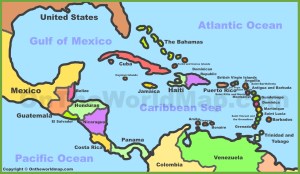



























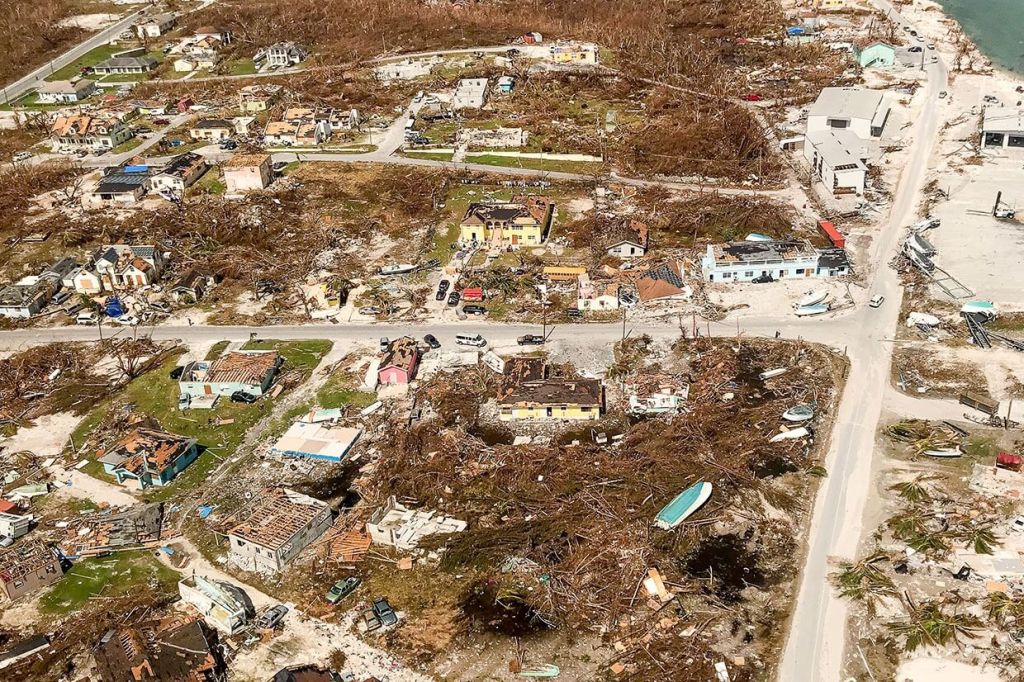
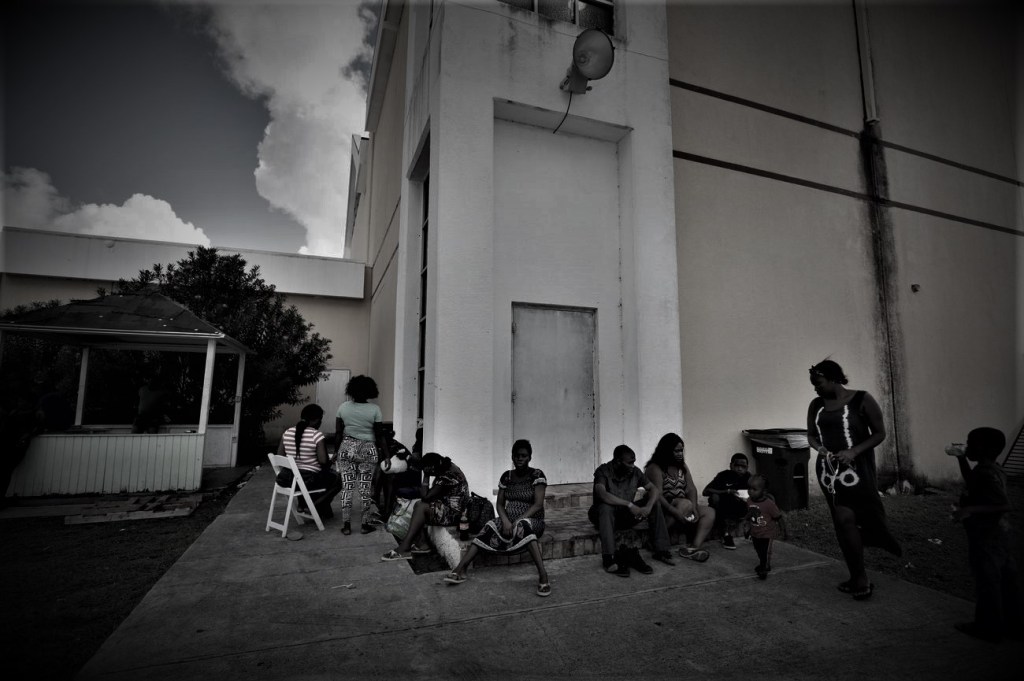
















































































































 GLOBAL COLLABORATION, EMPOWERMENT, LEADERSHIP, WELLNESS, AND RESILIENCE