What color, or multicolored dynamic, defines governance?
Ever since Mark Jefferson Golding became the leader of the People’s national Party (PNP) in November 2020, Jamaica’s motto, “out of many, one people,” has become a subject of political scrutiny.
The country is no stranger to heated elections; since its independence from British rule in 1962. Experts have often compared the battles between political parties to atmosphere-like tribes vying for territory.
No matter whether the party is in power or who backed the previous election, many voters seem to swing like a pendulum, but not always smoothly.
Within the intricate framework of Jamaica’s class system, the dynamics of social status and political affiliations frequently assume a pivotal role in ascertaining an individual’s standing.
However, in the current version of this general election, the main focus is on the realm of eligibility, resulting in a multitude of disagreeing inquiries. Is this truly the underlying reason behind it?
In today’s political atmosphere, which has seen more conflict than cooperation in many aspects of our society, the hidden question is. Should Jamaicans elect someone who appears to be descended from the Royal family tree, especially after independence, given the role colonialism played in their forefathers’ lives?
Say it loudly, then change the constitution.
The democratic system in Jamaica has demonstrated remarkable resilience in the face of the post-independence in 1962.
For many years, there has been an unsaid question: which hue is best suited for modern Jamaican governance?
Some politicians seem to be leveraging the challenger’s British dual citizenship and ignoring his Jamaican birth certificate.
According to local media, opposition leader Golding recently stated that he does not have to choose between the two.
Critics argue that he must publicly commit to Jamaica alone to lead the people. Many hope this is not a “Birther” debate like elsewhere.
Sadly, the “us and them” mentality may stem from humans’ innate tendency to split the world into groups and favor their own, but this political strategy can be dangerous.
Could the nuanced suggestion of using one’s color as a way to gauge Jamaica’s representation, while also recognizing the possibility of adjusting eligibility, sway voters to change their voting preferences?
Nevertheless, the paramount concern in the forthcoming elections is not eligibility, but rather the image that should guide Jamaica.
Though I am not an expert on Jamaican politics, it may be time to examine the situation more closely because many government officials may also be dual citizens or have green cards, which entitle them to permanent residency in other nations.
Born in Boston, Massachusetts, United States, Edward Philip George Seaga, was a former prime minister of Jamaica, had Lebanese Jamaican parents.
Edward Philip George Seaga: Former Prime Minister of Jamaica
Based on reports, Golding is running a strong campaign. The incumbent’s path to victory, again, may have more holes than many local roads.
Experts noted that he has a good chance of becoming Jamaica’s next prime minister.
Apparently, many noted that it seems race or ethnicity is now a factor and a distraction in the fight against crime, poverty, and corruption to develop the nation going forward.
Many who blamed rising inequality, poverty, corruption, and criminality for the then-political and economic turmoil are now asking what has changed since 2016.
On this governmental surfboard, there is a never-ending political balancing act.
Jamaicans faced challenges once again during the Holness administration in 2020 due to the economic impact of COVID-19, which has affected economies worldwide.
The local challenges it presented also exposed the deficiencies in the healthcare system and the service sector economy, shedding light not only on Jamaica but also on the vulnerabilities of the surrounding regions.
Sure, vacationers are arriving in large numbers, but who is actually hopping on a surfboard after a long 10-12 hour shift or stocking their pantries till the next paycheck?
Even with better roads and technology today, if you have not driven on one, have internet access, or have running water, there’s hope, but it depends on your economic status that may be the ultimate driver.
Years later, reports show that wealth discrepancies persist, as does a generational shift that contributed to JLP’s success.
The party now claims to have the requisite knowledge to keep its promises, but one wonders if this is too little, too late, or just another example of a never-ending cycle.
Those younger voters who were key to the JLP’s win are now grown up and continuing to fight for that economic balance on both sides.
The political shift
Following an extended period of governance by the PNP, there has been a visible political shift across several constituencies.
In 2016, experts pointed out that the electorate needed a new route from the PNP, longstanding politician Portia Simpson-Miller.
Despite some voters’ opinions, particularly on the opposing side, then-Prime Minister Simpson-Miller’s triumph over a male-dominated system was a significant accomplishment for Jamaica and women.
Former P.M. Simpson-Mill/er and PM Holness
Jamaica had another election in 2020 during the pandemic, which the opposition deemed unwise. Despite P.M. Holness’ internal discord, the JLP used Dr. Phillips, low-polls to their advantage as rivals perceived him as part of the previous system.
Andrew Holness was sworn in as prime minister for a second term on September 7, 2020.
What would a third term entail, given that the same questions have persisted for decades under both parties, particularly concerning the marginalized? What has changed?
Commentators predict that the 2025 general election will be a referendum once more, testing the administration’s authority, and even the Constitution as another fight approaches the ring.
What have you done for me recently, and how do fresh voters on both sides fit into the daily calculations long-term?
Campaigning for the 2025 general election will be different. Visits to local shops, cash distribution, playing dominoes, dancing to tunes, and temporary road repairs will not win either side.
Today’s voters are dynamic, media-savvy, more educated, and willing to work with dedicated party members to improve their lives, their parents’ lives, and the community.
Fortunately, they are also able to discern what party is saying, “Thank you, Jah, for what you have provided with the JLP,” while others are shouting Bob Marley’s line, “Even though the rain is falling, the ground is still tough, and a hungry person becomes an angry person.”
So, you want to play the game : prints, posts, tweets, or wild ride of statistics, and news headlines!
Critics argued while then-Prime Minister Simpson-Miller was learning the internet, charismatic rival Andrew Holness was like a vanguard of technology, especially among younger people, and masterfully controlled the narrative that was so critical in his 2016 triumph.
Today is different, and in a similar fashion to the JLP in 2016, the PNP team has taken to social media to challenge the JLP’s narrative on various issues by sharing their own data and figures.
Both sides will present poll results, favorability ratings, local income, economic growth, infrastructure spending, taxes, completed buildings, trade deficits, healthcare development, crime, jobs, poverty, unemployment rate, new roads, and national growth.
Choose one today because there will most likely be others before the 2025 election.
Today appears to be the best photo-ops contest. Unfortunately, if one party attends a local school or travels overseas within 48 hours, it seems the other does too.
A voter said, “Both parties brag about the drop-in crime rates, inflation, and list of achievements over the past ten years or more, but I can’t see it on my side of town.”
“We saw Haitian deportation and Chinese immigrants arriving.”
What is in it for me now, and what have you done for me lately?”
Today, voters expect results and accountability. Many are tired of upward mobility feeling like a lottery to advance and enhance one’s life.
Young college graduates must decide whether to immigrate to avoid intellectual loss or underemployed with economic uncertainty.
“People will forget what you said and did, but never how you made them feel.” Maya Angelou.
“Every day is a never-ending struggle to navigate the treacherous landscape of maintaining how to pay back a student loan,” a student said.
They worry about how to afford a house in the pricey real estate market after college. Since many of their parents are teachers who could use additional educational resources, they are aware of the school safety meeting that follows every conflict and the blame games that are played on both sides who had an opportunity to resolve these problems.
Even when professionals signal a drop in crime, the dispute over perception and reality continues. They are aware of the funerals performed for young victims murdered by criminals, and often unresolved.
Fear is several local businesses closing many shops early, limiting street sellers and making block party licenses tougher to get to reduce crime.
What have you done for me lately? The rising prices of vital food goods, such as a loaf of bread you bought a year ago for double the price and much smaller, is frustrating not only in Jamaica.
Regrettably, price gouging is a common issue faced by many in the local community. Even with existing laws, their enforcement is lacking, leading to hoarding and worsening shortages, particularly in times of emergencies. These elevated prices persist unchanged even as inflation decreases.
The recently issued US$150 million catastrophic insurance disaster bond may not matter to voters, though it is important.
What have you done for me lately? Mental health, substance abuse, and career opportunities for the overlooked must be addressed by the government, even though it cannot fix everything quickly.
The other neighborhood on this side of town?
In what seems to be a hostile political climate, some voters are blocking roads that have hurt local businesses to attract public authorities’ attention to neighborhood issues, as reported.
Unfortunately, disrupting and dividing your once-close communities with politics never works. You failed, not them!
Many expats, some of who are oral historians, expressed sadness about the ongoing behavior for decades.” Politicians often give money and alcohol to clean up trash, the tension dies down until another election draws near, but this is unsustainable.”
A monthly election seems vital for progress. Unfortunately, many people vote without considering their long-term well-being, waiting excitedly for the outcome as poverty rises!
After most elections, shops increase prices, schools and hospitals need repairs, including road upkeep, and community conflict persists. Economic survival seems to be limited to the wealthy and connected.
Despite the rain, to summarize Bob’s song. But those without the means to plant seeds—the impoverished in particular—are frequently ignored as though there had been a drought.
Hovering near the ballot box; foreigners [Expats] chimed in:
Recently, on May 10, 2024, many expats marched in New York to protest export fees, crime, the economy, and corruption.
According to a local outlet, many pundits say it has not shaken the government, and they were unpatriotic.
While it might have minimized the march from different viewpoints, the remittances and other disposable resources being sent to these shores have played a vital role in improving the lives of many local families and have contributed to the overall GDP.
Jamaican elections, like competitive sports, require extremely tight rules. Even when injured, many athletes must continue playing, especially if their competition is ahead or gaining an advantage.
Both sides appear more interested in fighting than addressing problems. As each side attempts to discredit each other.
Skepticism of politicians, government, and media persists. Many communities are skeptical about moving the nation forward through change and compromise.
While thoughts on the future of this lovely country and who will win the next election differ, the amount of people who turned out in the rain may have influenced non-voters, whether via heritage or an interest to watch the local news.
Except for people who share what data works from both sides, few voters will stop playing dominoes to analyze socioeconomic facts.
As noted earlier, the key, as the generation evolves, is to avoid being caught up in political polarization from either side. Form an “apolitical” group that holds leaders accountable on various issues including education, climate, equity, justice, inclusion, policymaking, work, and the economy.
Finally, each decision is about the future, not what’s in it for you today.
There are significant discussions going on, but in the end, one’s view of their own economic potential may have a greater impact than data or the legitimacy of their passport for government.
Flying above the beautiful sandy beaches and blue waters.
Every year, different travel and marketing magazines and companies issue a list of the most amazing and safest destinations to visit:
I recently discovered Off Path’s travel list, which featured some of the safest Caribbean destinations to visit: Aruba, Bonaire, Curaçao, Antigua and Barbuda, Barbados, Dominica, Grenada, Saint Lucia, Saint Vincent, and the Grenadines.
The United States State Department warned of a surge in crime in Jamaica and the Bahamas in January 2024, reporting burglaries, armed robberies, and sexual assaults in both tourist and non-tourist areas. Short-term vacation rentals are especially problematic without adequate security.
These two islands, which are on the warning list, have gained immense popularity over time and have become renowned brands in the region.
These islands are truly remarkable for vacationers, with stunning beaches and a reputation as a popular tourist destination.
They have also generated a wide array of highly regarded individuals from these islands.
Following the release of the cautionary notice, I engaged in conversations with a handful of individuals who appeared unaffected by the report and well-informed about the crime concerns.
R.D. The Bahamas
Opinions on the situation have varied, possibly due to personal or local connections to the events that led to the warning.
The locals have their own ongoing alternative list for several reasons:
Jamaica
The Bahamas
The competitiveness of these island have been around for decades. People often argue about which island is safest, prettiest, cleanest or best kept on these beaches. These debates are endless, like waves smashing on the coast.
Residents understand that their presence in the highly competitive tourism industry depends on their reputation, despite the constant advertisements on television and social media. They function as a brand, and only loyalty will ensure long-term sustainability.
Ratings vary throughout the island and some people may grade it from worry about the financial or political system, while others may endure long ATM or bank withdrawal delays.
In some cases, a visitor may have a total rating after difficulties having to navigate a complicated healthcare system to get medical care. Some people just accept these kinds of situations and move on.
Some people may recommend non-listed venues based on one-time positive experiences or other criteria.
Perception and reality can sometimes clash. Of course, there are those who visit these islands, whether it’s just for a few hours from a cruise ship or another location, and have to step outside, even in the tourist-protected zone.
I’ve heard about a variety of experiences on these islands. Sometimes, all it takes is one individual approaching aggressively, asking for money, or trying to rob a tourist.
There are additional family stories that could have contributed to the inclusion of these two islands on the warning list.
There are victims cases are closed or documented as “we’re working on it,” or funeral attendees may still hold a different perspective. This is because there are still families seeking answers, regardless of where they are located.
Observing the vital sand from a historical perspective.
Many islands have achieved independence, but according to experts, they have also become more reliant. It is worth considering why this is the case.
It should come as no surprise that many safer islands have close relationships to their former colonizers. Are they doing better socioeconomically because the colonial relationship continues?
Similar to Jamaica and The Bahamas, these islands have a rich historical background intertwined with the slave trade. They have left a significant mark on history and are renowned for their warm hospitality and breathtaking landscapes.
Many locals express concern about the evolving landscape in their area. While the beaches remain beautiful, there is a growing trend of privatization, leading to a decrease in public access.
The intricacy of these island shores goes beyond a mere checklist of safety measures. This is the space where scholars can engage in debates about the impacts of colonialism, societal transformation, effective governance, the state of education, economic disparities, social mobility, and the beneficiaries of post-independence.
Nevertheless, it is crucial to consider travel advice, just like reviews for restaurants, cars, electronics, and hotel reservations.
Multiple reports suggest that Jamaica and the Bahamas have not witnessed a significant decrease in tourist arrivals following the release of the report.
Paper, score lists, and photos hide continuous issues.
Photo by Tutti Martin
Today, many people are debating whether to reintroduce a colonial system that may limit liberties or to propose reparations for generations impacted by colonialism in order to bring about positive change.
Regardless of one’s viewpoint, even if particular islands did not make Santa’s pleasant list, there are still ongoing challenges, even for some of the ones who made the good list.
Dealing with socio-economic problems has been a major undertaking since achieving freedom.
These include addressing criminal activity, mental health issues, substance abuse, gender bias, violence (particularly against women), a deteriorating educational system, insufficient leadership to lift people out of poverty, and a persistent conflict between political factions on some of these islands, which experts compare to a volatile volcano.
Nevertheless, there are still numerous individuals with a pleasant demeanor and an optimistic atmosphere.
It is possible that this is merely a coping mechanism, as the initial impressions may not always align with the actual situation.
While it is praiseworthy to emphasize pride and the good image associated with patriotism, it is equally vital to admit that these attributes can occasionally obscure the necessity of addressing safety
This includes tackling issues such as poverty, inequality, colorism, the hidden class system, and, as some individuals have pointed out, injustice.
Maybe you’re getting ready to touch down.
The local tourist board members are known for their strong responses to these warnings, and rightfully so, considering the stakes involved.
Unfortunately, if things don’t change, the laid-back atmosphere and variety of activities on these islands may just become a distant memory and a figment of one’s imagination after a 30-second commercial.
Fortunately, a lot of individuals still have choices in spite of the warnings. Many people will nevertheless take a closer look or land on these beaches based mostly on internal criteria like family, heritage, past memories, business, and brand loyalty.
While some travelers will continue to fly and/or dock at these well protected locations, others are at a crossroads, deciding whether to take the chance and travel to sunny areas.
Today, it seems that only individuals who have the means to invest in a private location can truly appreciate its beauty and the heightened sense of security it offers. What would those reviews reveal, if anything?
Today, some islands function with a governance that resembles a corporate entity, exacerbating the disparity between the affluent and the disadvantaged. These intricacies extend far beyond the tranquil shores.
Go beyond the crime statistics to uncover the underlying causes of the problems.
Given the ongoing evaluations and criticisms among political parties, there is always room for growth and self-reflection in order to strive for progress.
Even in the midst of a negative situation or a period of quiet and reserved silence, there is always the possibility for something positive to emerge.
According to reports, a large number of young people are having difficulty getting the resources they need to address a variety of difficulties, including mental health, substance misuse, and unemployment.
These challenges may potentially contribute to the ongoing violence epidemic. A significant number of individuals are graduating from educational institutions with a sense of despair, coupled with the burden of substantial student loan debt.
Thus, gangs frequently exploit these communities’ vulnerabilities, providing a glimmer of hope at a high cost. Many have witnessed their young friends, classmates, parents, and neighbors falling prey to crime.
If these issues persist, the next generation may lose their optimism about finding a stable job and escaping poverty.
There is still a ray of optimism, though. Many are good young people, and some of those we’ve worked with have provided us with firsthand information. To turn the tide, all they need are opportunities, mentors, and an upward perspective.
Let us go for a walk on the beach or dance on a tightrope.
Instead of focusing on quick fixes, a more holistic approach is required. These communities cannot tackle these crimes in isolation, therefore it is crucial for them to support local law enforcement and advocate for the necessary resources.
The results of decades of leadership promises to reduce poverty and promote safety are unclear. Undoubtedly, tribal politics will reappear in the next election cycle.
If new measures works, they may rescue these gorgeous islands from poverty and crime and build on what is working, but many people believe strategies are simply to win votes and stay in power.
Possible Term Limit to generate fresh ideas?
Negative lists can have long-term effects. Businesses may cut investment and travel, hurting the middle and working classes and increasing unemployment.
Many financially-conscious travelers and expats returning today have concerns that go beyond just inflation. They might come across unexpected charges, additional taxes on small personal items, and the need to be more cautious when spending outside designated areas.
Because of growing global prices, many people are now paying the expenses of others who cannot afford their favorite brands, vacations, or evenings out.
Who gets caught in the waves?
This is not the time to say, “Look at them over there,” so let’s relax.
According to experts, in a region where a significant portion of the GDP depends on the entire landing package, selling only half of its image without attracting new businesses to the shores or manufacturing to generate much-needed jobs, these media storms are not a sustainable long-term strategy.
If these visitors cough or other nations cough, and you know you could catch a cold, consider wearing your country’s safety mask at all times.
A secure service sector and commerce are linked like a teacher to students, or like a river running through the hills and valleys. If it dries up, many more people will suffer.
Since the publication of the trip guide, it is time to examine which is more important: a prosperous economy that has the potential to benefit everyone or protected pre-paid zones where large numbers of visitors are whisked in and out for safety.
Though vital, how do you balance those at the gates, where ships land, yearning for a piece of the protected pie, with the various local items that keep these little settlements viable while remaining hidden, like a grilled back room?
More vendors than consumers often leave you conflicted, and picking who gets lucky today is like choosing which child eats first. If tourists restrict purchases of local items due to safety concerns, small marketplaces around the docks would suffer further.
Unfortunately, this list excludes these kind-hearted, always-ready helpers. They work hard to make a living. These islands must find a way to remove debris that went unreported and is generating congestion.
Despite the stunning sunsets and oceans, locals worry.
Jamaica still has one of the world’s highest murder rates, although recent data showing homicide rates have dropped and overall crime has grown.
Although real statistics cannot truly represent the feeling of safety and freedom to take a leisurely night stroll to a few areas or open your window to enjoy the fresh breeze, it is a positive step.
Given Nassau’s safety reputation, experts are surprised that 18 homicides have occurred since 2024.
Note: Recent news is worrisome and should wake up those paying attention.
The reality of rough tides.
Unfortunately, a lack of optimism, rising unemployment rates, division between the wealthy and less fortunate, and other longstanding challenges have created a situation where many people struggle to identify the place they once viewed as perfect, let alone feel secure in a world where safety is scarce.
Though it looks difficult on the surface, they must remain optimistic because behind it all are hardworking, dedicated individuals, some of whom now have more keys to their homes than windows.
These issues eventually transcend who holds positions of power; much like people who seek to bask in the warmth of the sun, it is a balancing act.
Fortunately, more people can now review the data to discern whether the vibes are still favorable or whether there is optimism or pessimism in the news clips.
You may need to openly recognize the islands that have performed better, collaborate more, and stop admiring their success from your lighthouse in order to learn from them.
Today, connectivity is becoming more crucial, so embrace autonomy and collaboration.
History tends to repeat itself along several of these beaches.
Bob Marley fled Jamaica decades ago, alleging violence and threats to his life. His personal tale has emerged at a critical time, coinciding with contemporary regional issues in crime, politics, and economics.
Think about the film “One Love” by Bob Marley. It enables curious travelers to learn about this stunning nation, the highlights of its past, the influence of his music on a global scale, and the current conflicts.
It’s fascinating to see how history seems to repeat itself.
Think about how the COVID-19 pandemic affected these islands; it caused hardship, anxiety, and fear in a lot of the local families and businesses.
These fears may worsen the situation for local businesses that are just recovering from the outbreak. They must also work with authorities and the community to reduce reported violence and improve neighborhood safety.
Young, middle-class, and working-class people must ask if they are safer, stronger, and progressing regardless of who is in power.
Why not try to make the safe list or get included if you were left off? Why were you removed from the excellent list?
There will be another review, and you should succeed. The list goes beyond these surfaces, but you have time to correct it.
According to economists, the world economy is facing its highest inflation rate in 40 years, with more than a 9% increase. It may drop to roughly 8% in the next few months.
Since May 2021, many central banks have raised interest rates by approximately 1.25 percent per month, posing a threat to their economies.
Many industrialized countries have historically implemented regulations to limit the impact, and while these policies can have a direct effect on cutting inflation, experts say the risks involved can add uncertainty to the broader economy.
Many poor and developing countries have historically experienced “demand-pull inflation,” which occurs when the economy’s demand for goods and services exceeds the economy’s ability to produce them.
The government can raise taxes, cut spending, and limit the money supply; however, not all analysts agree on how to deal with inflation.
Monetary policy: higher interest rates reduce demand, resulting in slower economic development and inflation. Because of its link to inflation, monetarists believe that reducing the money supply will lower inflation.
Supply-side efforts lower long-term costs by boosting economic competitiveness and efficiency. Higher income taxes could reduce spending, demand, and inflation. Several economists believe that controlling wages and prices can help to reduce inflation.
Regrettably, numerous impoverished and developing nations have limited options when it comes to witnessing a price drop. However, they can certainly inform you about the significantly lower costs that were previously present.
Nevertheless, I won’t burden you with an exhaustive list of factors contributing to inflation. In simple terms, increasing prices reduces people’s ability to buy, leading them to spend less and borrow less for investments such as property.
What is certain for people living in many poor and developing nations is that high costs for basic products and services, low wages, high employment, underemployment, and little pressure to hire new workers have long been problems.
The eternally hidden math that is rarely discussed:
For decades, the high cost of living has already resulted in tremendous inequality and an economic division between the haves and have-nots.
Inflation also increases the cost of acquiring personal loans, mortgages, and credit cards. This enhances the potential for lenders to achieve higher earnings. Rates on local savings accounts or Certificates of Deposit (CDs) can also increase savings accounts.
Experts have noted that saving rates in underprivileged and developing areas tend to be lower than the national average. Purchasing essential food items, especially when imported, can pose a significant challenge for many families.
Those at the bottom of the wage scale, as well as the middle class, are more likely to see their savings decrease.
The hidden numbers include local grocery stores, hardware stores, petrol stations, restaurants, and street vendors offering goods and services; their pricing might vary dramatically within a block of each other.
Furthermore, while costs for fuel, food, and utility services have stabilized or declined marginally, as inflationary rates have in other developed countries, the opposite is true here.
Filling a normal compact automobile with gas in the United States, for example, averaged $40.00 at the height of inflation, and filling a similar vehicle can cost around $US70.00 on these shores.
Another reason is price gouging, which occurs in several of these local communities with little to no control and only the wealthy profit.
Today, it seems that many expats and visitors are facing the consequences of people who chose not to take vacations or explore other investment options, similar to what happened during the height of the COVID-19 pandemic.
Unfortunately, due to inflation and other socioeconomic issues, many expats are choosing to return to the countries they left because of unexpected financial burdens that exceed their initial budget.
Inflation is just a reflection of underlying socioeconomic conditions.
While inflation cannot be solely blamed for all economic issues, it has brought to light the prevailing economic conditions that often contribute to the Brain Drain phenomenon. This phenomenon occurs when individuals, after completing their training, tend to permanently leave their respective countries.
Consequently, impoverished and developing nations face a substantial shortage of essential skills in various sectors.
It can be challenging for diligent individuals to achieve homeownership and establish a foundation for future wealth. The housing market seems to heavily favor foreign investors, leaving teachers, nurses, police officers, and others unable to afford homes where they work.
Unfortunately, there is that elephant. Huge imports have driven numerous local farmers’ products out of their stores, forcing them to reduce output. Local farmers, moms, and corner stores can no longer compete with nicely packaged maize, tomatoes, pigs, poultry, potatoes, fish, apples, grapes, and bananas from China and elsewhere.
Straying far from traditional dishes and cultural practices has led to a significant increase in prices within the food distribution network. Is there any accountability, and, regrettably, it seems that inflation has become a convenient excuse for unsuccessful policies?
Beyond the Consumer Price Index (CPI)
Analysts believe the actual inflation rate is 8–9 percent. However, how many people have already fallen behind, not only because of increased prices, but also because of a lack of job opportunities for advancement?
Experts agree that the increased price pressure is progressively decreasing. Unfortunately, prices in these poor neighborhoods have steadily risen, even in times of deflation or any other economic condition.
Socioeconomic disparities have been associated with a supposedly high cost of living for decades.
Could you kindly elaborate on whom, what, when, how, and where you are referring to when you say things are returning to normal?
Many of these shores have already been affected by inflation long before it reaches Wall Street. Local customs fees at local ports, supply networks, and imports that were previously beneficial to local families from expats have experienced a significant increase in fees.
This has raised concerns among locals who are wondering who stands to benefit from these fees.
This practice may deter people from importing things for personal use from other countries. As a result, people are forced to pay significantly higher costs in the area, which has been a long-standing issue for many years. This behavior is known as “underground inflation.”
Over the last year, the cost of various beverages, burgers, and fries has more than doubled. McDonalds is seeing a drop in consumer demand, while Target and other businesses are rethinking their strategy because, despite the excessively high pricing, consumers still have some leverage.
Furthermore, analysts have highlighted the fact that the average client on whom they rely is turning away.
Home cooking offers the added benefit of helping you to save money while prioritizing your health. However, it can be difficult in today’s economy for may people to find reasonable costs for food products and ingredients.
Numerous individuals expressed their dissatisfaction with the perceived decrease in native cuisine choices due to imports. As a result, individuals tend to consume processed foreign goods.
Not only does it put people’s health at risk, but it also excludes those who cannot afford these expensive new imported prestige packages.
People cannot help but feel the true numbers in their pockets. It’s like an endless game of financial roulette.
Economic inflation increases with a high CPI. Higher CPI and inflation mean consumers pay more for the same things.
The CPI calculation can provide insight into why things have become more expensive. While it serves as a guide for experts, it may not always reflect the actual situation for the general population.
In these less affluent and developing nations, the connection between the currency, inflation, and even the banking system in these regions is as complex as the political structure.
Sadly, regardless of the party in power, inflationary times have become a talking point for ineffective policies that continue to win local elections.
Today’s issue is not how much small neighborhood retailers can increase their prices while staying profitable, but who can afford to shop there to support them.
Yes, geopolitical concerns such as conflict, supply chain issues, and political turmoil play a role, but these communities must continue to suffer the persistently harsh seas with little or no reinforcement to survive the increasing price hurricanes.
When the industrialized world catches an economic cold, the rest of these shores will likely catch the flu and struggle to get medication.
If investors and politicians are bullish, who is bearish?
In reality, inflation has decreased and continues to decline in certain areas. It is crucial for local citizens to actively engage in democracy, regardless of political affiliation.
While your vote may not directly address the global issue of inflation, it is important to reflect on whether you are currently in a better position than before and how you envision the future.
Think about your safety, growing pricing, upward mobility, education system, and healthcare, to mention a few.
Inflation is only a minor component of these regions’ structural issues. I believe democracy ends at the ballot box. Poverty, inequality, unemployment, and weak governance persisted beyond the elections.
The inflation rate may fluctuate, but, as previously stated, if corruption, poor leadership, and authoritarian maneuvers are used solely to keep power, and only those connected to political leaders benefit, inflation is simply another hurdle.
Many argued that vital community needs are being ignored and that decisions taken by a few only appear to benefit them, yet you are the change one desires for better numbers, just like inflation.
According to studies, this form of oligarchy governance structure places these politicians and their close supporters among the wealthiest individuals in these communities. They have great effect even in the administration of justice.
Many retiring political figures departed government with considerable riches, but the issues they were elected to address, such as the high cost of living, crime, and poverty, continue.
However, let me return to my opinion on inflation.
“As inflation stabilizes, the stock market is ready for a strong rise,” Wharton professor Jeremy Siegel claims. Some countries are experiencing decreasing unemployment rates, but only with effective economic strategies.
Unfortunately, many of these poor communities’ accounts have alredy been depreciated, pushing them further behind.
The outlook depends on where you sit.
Photo by Arthur Wans
The quality of life for residents and expats who once relished their communities is now overshadowed by public safety concerns that seem to surpass inflation rates.
They must now be more protective of their belongings. Many studies have indicated that the crime rate is consistently greater than the inflation rate.
Ms. Jane, who has retired, has put the new building on hold since the cost of materials and labor has risen above what she had planned. The surrounding laborers or handymen who were required to complete her project must now wait.
Withdrawing her funds from some of these local banks is a challenging task in an inflationary economic crisis. The lines to even reach an ATM resembled those for an outdoor cultural event. Some have also reported that funds are missing from accounts, and without access to these local banks, it is impossible to create trust in the system.
Combined with her fear of becoming a target for crime, she also opted to leave town, causing many local businesses to suffer.
Despite some encouraging signs of slight economic progress, many people complain that they do not feel it.
Experts noted that inflation only exacerbates the situation in communities where unemployment and crime are already on the rise, as is the ever-widening gap between the haves and the have-nots.
A significant number of these countries have become members of the International Monetary Fund (IMF), an organization dedicated to promoting sustainable economic growth and prosperity for its 190 member states.
Today, many finance leaders will be taking trips to attract investments, while some nations may face exploitation due to their poor governance.
Undoubtedly, the IMF remains a crucial lifeline for these nations, as it offers vital support in managing employment, financial stability, and overall productivity. Experts have highlighted the fact that these nations heavily rely on the IMF as their sole source of finance for survival.
So the local question remains the same: “What inflation?”
The only response is that, as they frequently say, things have been this way for a long time.
The erosion of the Caribbean landscape due to violence and economic uncertainty is causing growing concern among locals, visitors, and expatriates, prompting them to take a moment to reflect.
For certain leaders, especially those who rely on their popularity, it’s quite a juggling act.
They have to navigate through challenges like soaring inflation, political alliances within the community, tribal politics, skyrocketing unemployment rates, public safety concerns, inequality, poverty, and other essential social services that are crucial for progress.
As a few of the wise individuals, many of whom have relocated and may be considering coming back to savor the rewards of their hard work, observed. “It’s absolutely striking how, in the midst of an election cycle, the realm of possibilities expands exponentially.”
“There is certainly no shortage of cash, and plenty of unfulfilled promises from leaders seem to go unnoticed.
It’s interesting how both sides use carefully selected photos to rile up their respective communities, but unfortunately, this often leads to even more division, just like in many other places.
Following an election, communities are left contemplating the future in terms of safety and progress until the next election looms on the horizon. Where have all the elected officials been who should have realized that once the votes are counted, governance is for all?
Violent crime against humanity shows no mercy, targeting individuals from all walks of life. It doesn’t matter if you’re a member of the clergy, a woman, a child, a counselor, a law enforcement officer, a teacher, a sports icon, a businessperson, a student, an elder, or just an average faithful worker. It spares no one in its path.
Experiencing violence, whether it’s due to heritage, culture, family, a friend, or love, can leave lasting psychological effects, no matter where you come from, your race, gender, or economic status.
These difficulties require a fundamental paradigm shift through education, resources, and a long-term economic and public safety strategy, rather than a short remedy to deflect via a Twitter post or to fill a talking point until the next election cycle, in the absence of a comprehensive strategy.
The Caribbean islands, particularly the dominant ones, and a few Latin countries cannot claim that an increase in crime and economic decay is the result of an erosion of democracy or an influx of migrants, cultural transformations, or weapons, as reported.
The truth is that many of those who came to these other shores fled or migrated from comparable violent and economic challenges in quest of a better way of life, and they will be permanently linked to the slave ship that was previously anchored there.
The evidence is no longer filed in the backroom closed files.
For decades, the death toll on some of these Caribbean islands has consistently exceeded the number of calendar days and has been extremely high in comparison to the population.
Murders, robberies, assaults, rape, and kidnappings have plagued several communities known for their laid-back vibes and brilliant sunsets reflecting off the green mountains and the blue ocean. These challenges will make many citizens concerned and dissatisfied towards any notion of progress.
It appears that impoverished neighborhoods are being hit with both criminal and political blows, much like an ocean without a levee to keep the water from overflowing.
Many treasured intimate community associations have eroded, retirement plans have been uprooted, or people have become more isolated, even scattered for safety reasons.
Although there appears to be a lack of new policies being implemented to tackle these problems, it seems that everything is being perceived from a political perspective.
Simply replacing the law enforcement personnel will not have an impact if the attitude remains unchanged. It is a circumstance that is simultaneously praised and mocked, even though they all shop at the same nearby markets.
Attempting to downplay or establish a connection with other societies does not alleviate these problems. Likewise, using catchy phrases and showing empathy selectively does not provide the necessary assistance and resources to victims who require support for addressing ongoing public safety and socioeconomic difficulties.
These victims, particularly women and other vulnerable groups, cannot be relieved of their fear and anxiety through the use of pepper spray, condensed social activities, and abnormal living conditions with more steel bars in their homes.
In the past, leaders may had the knack for presenting information about crime data, the impact on victims, and cases that were resolved from their unique perspective. In today’s world, the media wields significant influence in shaping electoral outcomes.
Fortunately, individuals possess the knack for capturing and disseminating their skepticism and dissatisfaction towards their leaders, along with their exasperation over the deterioration of their communities, including unfortunate events, in the blink of an eye.
These survivors are cleverly sharing their stories to present an alternative perspective of reality that sidesteps any inconsistencies, differences, or downplaying.
A gunshot or knife wound to the torso eliminates any doubt about the cause of death. Where other deaths leave questions unanswered: Is it cancer, COVID-19, surgeon negligence, lack of oxygen, diabetes, or a long wait for critical medical care?
Conspicuous fight for safety and economic equilibrium
Finger-pointing often takes precedence over effective strategies in the complex web that entangles the delicate balance between personal freedom, security, innovative crime-fighting methods, and an economic foundation for progress.
Opposition frequently confronts each new strategy, and the debate continues over which party is better prepared to address these public health or economic issues. Many leadership positions appear to be built on connections and lack the expertise and abilities to deal with these difficult situations.
For decades, criticizing the previous administration was the only way to win or lose many elections in these areas. People have likened the peaceful transfer of power to a contact sport with constant exchanges.
After the final political whistle is blown; before the next season begins, the unsuccessful players appear to be sidelined, but often still in the game.
The hold on power in numerous interconnected communities, especially in less developed and developing countries, resembles a never-ending cycle with no way out.
Many of these socially wounded leaders resurfaced under a variety of titles and networks of the well-connected.
With each newly appointed public safety official, top security personnel, and pledges to reduce crime, improve safety, and promote economic growth to lift people out of poverty, the communities that voted them into office are still scratching their heads, wondering what has changed.
Even in reports of unsatisfactory performance, corruption, and ineffective management, as well as calls to change course, one contends that “you are more likely to be penalized for dissenting views.”
Many frustrated locals argue that turf battles over important socioeconomic issues are being punted or diverted down the road for the next generation.”
Legislators’ personal financial growth is frequently the one that comes ahead. Criminals appear to use the same tactics to gain influence.
For a decent economic meal, peel back this onion.
Today, it seems like every time there’s talk of an economic blueprint to uplift families, enhance quality of life, or attract businesses and skilled workers, the blame game begins, with each political side pointing fingers at the previous administration from decades ago.
According to economists, inequality has been on the rise and causes, diseases, and other medical issues in the region as well as other locations for decades.
Perhaps it’s about time to look at things more closely.
The stark truth lies not only in the consequential socioeconomic disparity, which breeds further violence in the absence of opportunities, but also in what appears to be a silent reluctance to confront and tackle the underlying cause of these problems directly.
Political strife, in which job security appears to be more important than lifting people out of poverty and not just a temporary fix and photo-op, has made it more difficult for many localities, regardless of which administration is in power, to strike a balance between personal autonomy and addressing the more pressing issue on a daily basis.
According to experts, the growing disparity between the haves and have-nots has made it difficult to address the well-being of individuals, the elderly, counseling, combating discrimination, and developing job training programs beyond those already in place because the next generation might not want a similar career path to their personal and future families’ financial stability or upward mobility.
With each passing day, the downtrodden struggle to stay afloat in the face of the relentless, rough tides. The chaos and mayhem that divide people along party lines and social class, woven into decades of stratification, appear to give each new leadership more authority.
Unfortunately, with another failed year of systemic violent crime and economic problems emerging, many impoverished countries, like any other, must examine their strengths and weaknesses.
When an ancient recipe for leadership collides with new ingredients
Kleptocratic leadership rules these impoverished nations. Despite democratic elections, many of them have amassed multi-million dollar fortunes. They govern in a charismatic manner for the people, yet they are enormously affluent after leaving offices. These politicians utilize their political clout, close allies, and influence to amass personal fortunes.
Even though the British, Dutch, French, and Spanish occupied the majority of the territory, and some of it is now independent, their footprints are still visible in the sand.
Scholars and residents are secretly probing what would happen if the British Pound and Eurodollars became official currencies in a couple of these troubled territories; what would happen to these countries’ academic system, Gross Domestic Product (GDP), crime rate, and corruption index?
Many people are losing faith in certain banking and educational systems. Thousands of young people graduate from colleges and universities with significant student loan debt. Others who drop out of school uninformed or without a future only contribute to increased violence and lower upward mobility, raising safety concerns.
What role do social disadvantages, economic barriers, developing structures, juvenile delinquency, mental health issues, conflict resolution, substance abuse, and a lack of employment play in these communities?
What could possibly encourage young people to join a gang or completely disregard the law if they lack any positive influences in their lives?
Several people are seen cruising the streets, asking for freebies and looking for a means to generate money, while others wait for the next easy target to commit a crime.
Below this, there are others who have been doing exceptionally well, but that may be limited to expand due to the same concerns that have stymied further progress.
The figures and the well-being of the community
According to studies, roughly 40% of the Caribbean population considers crime and security issues to be more serious than poverty or inequality in their own countries. Despite leaders’ disagreements, the emotional and physical repercussions endure, sadly impacting a greater number of individuals.
Few people possessed a licensed firearm along these shores a few decades ago. It was a well-known local business owner and law enforcement officer. Today’s taxi, bus, and truck drivers, as well as grocery store baggers and street vendors, are all armed.
One disadvantage is that it puts law enforcement officers at greater risk, and in some of these places, they are struggling to receive the support they require to solve many cases or prevent crime.
Even though crime is all around us regardless of location, separating the data is terrifying. The majority of these English-speaking Caribbean countries have crime rates of 30 per 100,000 population or above. According to experts, these rates are six times those in the United States and 15-30 times that in most European countries.
According to various crime analysis reports in these high-crime zones, the death rate is likewise on the rise and might reach above 39.1 deaths per 100,000 inhabitants.
In 2020, the homicide rate in Venezuela was 45.6, Honduras was 37.6, Mexico was 27, Columbia and Belize were 24.3, Brazil was 19.3, and El Salvador was 19.7. Puerto Rico, Guatemala, and Panama average between 14.6 and 14.6 homicide rates per 100,000. In 2019, Trinidad and Tobago recorded 539 murders—the second-highest in Trinidad’s history for one year.
Jamaica alone reported about 1300 killings from January to November 2021. These figures are appalling, and no civilized nation should be proud of the region for having the greatest murder rate per 100,000 people.
One victim says, “They are hoping that gangs are annihilating each other, whether over drug turf or vulnerable victims to scam.” Unfortunately, this is not a solution and is more of a fear-based approach to dealing with these gangs.
Is vigilante justice the solution to reestablishing security, even if it results in the deaths of innocent people?
Repeatedly implementing an analogous approach and expecting a remarkable result will continue to fail. It’s as if many impoverished people are betting on the lottery as their only hope of getting out of poverty.
When history collides with today’s accountability and authority.
In many parts of the region, the ongoing conflict between law enforcement, legislators, and civilians dates back to the colonial period, when alliances often meant more than policies and power was more about balancing image than realit
Many residents argue that their rage is not an impediment to the proposed crime-fighting strategy. Some have even proposed reintroducing hanging as a form of punishment, despite opposition from human rights organizations.
Scholars assert that since the introduction of policing in the early 1800s in Metropolitan London, England, public safety has maintained close ties with politicians.
Despite a later decentralized system, improved training, and recruits, scholars noted that the Caribbean region’s, parts of Africa’s, and poor and developing nations’ community safety systems have never left the political era.
These outdated top-down power systems require a comprehensive overhaul, and all of these arguments have some merit. There are individuals who possess both positive and negative traits. However, in the absence of resources and local support, criminal enterprises can thrive.
Despite historical distrust and toxic relationships, some of which are self-inflicted today, the community’s assistance is critical in producing additional intelligence to investigate and solve a significant number of unsolved cases, as reported.
Although experts argue that the concept of policing was implemented to keep slaves from fleeing their masters in the western hemisphere, some scholars now attribute crime reductions to increased community police presence.
The policymaking of next?
Former British Prime Minister David Cameron made a comment on the centenary of World War I in 2014. He emphasized the willingness and value of combining local ideas with national initiatives and government actions.
Socioeconomic policies should focus on achieving success and growth for all. Collaboration is essential for moving forward from bureaucratic and dysfunctional power struggles across political positions.
Everyone, including social workers, school teachers, youth leaders, civic leaders, public safety officials, offenders, and counselors, must be present at the table, just as a surgeon planning a necessary surgery would with other professionals inside the operating room.
Rebuilding the middle class includes issues such as affordable healthcare, job protection, and a medical bill of rights.
Furthermore, investing in the educational system, victims, teachers, law enforcement, offenders rehabilitation, and more local manufacturing to create better-paying employment and protect the environment is vital to a country’s progress.
Make your voice heard for a brighter future.
To be successful as a drug addict in rehabilitation, one must first admit that there is a problem.
If there was a term limit on power in the region, it would generate new ideas and long-term success for future generations.The economic sun will rise again on the few remaining non-fee beaches in the area.
Though there have been reports of some positive growth in key areas, such as crime reduction, it must benefit all citizens, not just the wealthy, who frequently control the narrative.
The late pop star Michael Jackson’s song “The Man in the Mirror” serves as the starting point for upward mobility.
“First, they ignore you, then they laugh at you, then they fight you, then you win,” Mahatma Gandhi.
On Monday, April 5, 2021, the Jamaica Observer reported that “Minister of Security Dr. Horace Chang claims that if more people replicate the respect that “genuine” Rastafarian men show to females, it will reduce recently reported heinous acts of violence against women.”
The recognition of Rastafarians as symbols of peace, safety, self-sufficiency, or humanism was a meaningful gesture.
For the Jamaican government’s acknowledgement and or elsewhere, this overdue gesture falls short publicly. However, it could initiate a crucial discussion about this long-ignored culture.
According to reports, Antigua and Barbuda West Indies also expressed regret for the long-standing hostility and exclusion of this culture in the Americas during a speech in 2019.
In many communities they share, there has been a persistent and unwavering pursuit for complete and ongoing unity. This pursuit has been ongoing for decades, with the aim of achieving full recognition, respect, and understanding without reservation.
From an outsider’s perspective, you may not be familiar with this culture, but it encompasses much more than just “One Love,” ganja, weed, or marijuana, music, depending on how you’ve come to know it.
Many locals concluded that the administration had run out of public safety options in dealing with the rising crime rate and other issues that social media clips and repeated promises could not address.
Others maintained that it was long past time to recognize their way of life as a model for reducing public safety concerns.
Even though this acknowledgement could have a domino effect and appeared to be welcomed news, it falls short on many fronts in terms of what needs to happen next to open the doors for upward mobility in this culture.
It did not mean that Rastafarians (Rasta) would take a more active communal role in a task force dedicated to violence prevention, socioeconomic upward mobility, especially for the poor, one of the movement’s foundations, or any other safety measures that many communities need.
What next, and who holds the key to a seat at the table.
Over the course of several decades, there has been limited advancement in terms of increased political engagement of the Rastafarian community. I, along with numerous individuals, started contemplating the following question: with the persistent challenges faced by the country as a whole, what lies ahead?
Sure, many will argue that things are good, but it seems that only the well-connected benefit as studies have shown that politicians are among the wealthiest in the Caribbean and, to a large extent, in many poor and developing countries.
For decades, the Rastafarian culture has persisted, and beneath the locks and systematic isolation, they have been a force in the arts, medicine, and academia, making significant contributions to our society.
Rastafarian movement culture and context are more than just growing dreadlocks or smoking marijuana. Today, their peace-making practices may be the most effective way to calm these turbulent seas.
Is it time for a Rasta to run for the highest post in Jamaica, as well as other Caribbean countries, maybe CARICOM, and other challenging countries beset by violence and economic stagnation?
According to accounts, political domination on these shores typically boils down to having the financial resources to promote their campaigns and, if elected, being beholden to the biggest bidder, but Ras, I believe, will simply look to the community for guidance.
Furthermore, regardless of which side of the issue you are on, they can undoubtedly provide another road to socioeconomic growth and crime reduction for all people, particularly the disadvantaged.
Unfortunately, the reported spike in violent headlines appears to highlight that the Rastafarian way of life, love for people, and peace can be a pattern for change.
The inclusion of Rastafarian culture in an economic upward mobility panel is crucial because the relationship between poverty, social division, safety, love, and unity will lead to less criminal activity and community breakdown.
Given the chaos of today, where every day feels like an election campaign, what advice would Ras offer?
During these elections cycles, a plethora of opportunities arise, ranging from the construction of new roads, to the provision of small handouts, leaving many voters uncertain about their next steps until the next polling booth. Nevertheless, I will try to make a case amidst all the cycle of noise.
Beyond the dreadlocks, there is a reality.
Equally ubiquitous as those annoying high tides in the ocean are poverty and inequality and violence. Experts argue that corruption, social injustice, and a plethora of failed economic policies have occurred all across the world, especially in many underdeveloped nations.
Photo by lyncoln Miller
Both sides accuse each other of being less corrupt, yet poverty persists in these communities without any clear economic guidance.
Some argue that instead of working together to assist students and uplift people out of poverty, each cycle has its own set of protagonists on both sides. In the end, the key point is to determine which individual is least affected by corruption and who is responsible for starting the ongoing systemic problem.
In today’s world, it appears that every newly elected leader, irrespective of their political affiliation, tends to attribute the lack of progress to the previous administration, even after assuming office for several years.
For decades, economic insecurity has left these neighborhoods exposed to crime and contributing to brain drain throughout the nation. The working class continues to be battered like waves, scrambling for an anchor.
Furthermore, many people continue to struggle as a result of unemployment, underemployment, and other social challenges like mental health and substance abuse.
These issues greatly widened the gap between the privileged and the underprivileged, exacerbating the disparity.
Many scholars have pointed out that the only consistent gains appear to benefit the leaders who become financially wealthy, while the oppressed future remains stagnant day by day.
Should Ras transition into leadership to usher in a fresh approach to governance, with a new wave of leaders dedicated to inclusivity, peace, and economic prosperity for all?
Despite the political interpretation of the public announcement, I perceive it as an act to raise awareness. For instance, we should applaud an increase in awareness of domestic abuse, public safety in general, tolerance, or equality, regardless of the messenger.
Recognizing Rastafarianism, however, requires more than just a brief statement in a tweet, public relations, or a sound bite. There needs to be a fundamental shift in the paradigm to promote greater inclusion at the highest level.
These platforms have the potential to inspire and empower both youth and members of the Rastafarian community.
It can also help them improve their relationship with the public, build a dedication to, and actively pursue greater success and tolerance on issues that are in the best interests of future generations.
Despite Rastafarians’ popularity, many people who wear natural hair on these islands and even outside of Jamaica often still face discrimination.
Part II
After a century of fighting and struggle, a quick trip to Ras’s house
I am not a philosopher, nor am I attempting to explain the origins of my opinion, but I kindly request that you remove your hand from their hairstyle and take your foot off the man’s neck.
According to scholars, Rastafarians in Jamaica started advocating for the authority of Selassie’s teachings over King George V in the mid-1930s, right after Ras Tafari’s inauguration as Ethiopia’s Negus, or “King of Kings.”.
Jamaica was formerly an English colony, and the movements faced enormous resistance, according to scholars.
In the 1940s and 1950s, many branches were established, led by Leonard Howell, a former member of Garvey’s Universal Negro Improvement Association who was imprisoned for preaching its culture.
Unfortunately, reports indicated that the Jamaican government viewed Rastafarian ideology as dangerous, subversive, and a threat to social norms at the time.
Many individuals were marginalized instead of being recognized as determined and valuable citizens connected to the same slave ship. Consequently, individuals experienced increased isolation from educational opportunities, job prospects, access to land, and housing.
Rastafarians were often regarded as deviants by many in leadership, who saw them as slaves from another planet. Cultural isolation has historically fostered an oppressive mindset, leading to increased tension and mistrust in authority.
For over a century, they have faced social exclusion in the Caribbean and other regions of the world. This was primarily because they resisted imperial power and refused to accept marginalization.
Research suggests that Rasta played a significant role in raising awareness about the suffering of black individuals, with the ultimate goal of liberating them from slavery and neocolonial oppression, ultimately leading them back to Africa.
Unlike Paul Bogle, a Jamaican national hero who fought for liberty, equality, and justice during the Morant Bay Uprising on October 11, 1865, these movements did not use violence to achieve equality and freedom. Bogle bravely challenged police enforcement under a colonial administration.
Paul Bogle (1820 – 24 October 1865
Many individuals worldwide fought for equality, and many have died, went to prison, and abused. I was inspired by American statesman and civil rights leader John Robert Lewis. He was Georgia’s 5th congressional district representative from 1987 to 2020.
He tirelessly opposed segregation from the 1880s until the 1960s, especially “Jim Crow” laws. He was dedicated to positive change and confronting unfair systems, calling it “good trouble.”
Today, Rasterfreian movements are crucial to the fight for equality. This is shown by Paul Bogle’s 1865 revolt.
Undoubtedly, altering the deeply entrenched mentality of social segregation that has endured for years would be a formidable undertaking.
To attain absolute autonomy especially from colonial rule, it is imperative to adopt a fundamental alteration in mindset, which is also crucial in moving forward
The struggle for mental shifts and the drumbeat of equality continue to this day.
The foot on the Rastafarian culture, as I have noted, is not simply an outward image but also a mental ideology by some, as shown in a reported “British Insignia.”
Many individuals found it offensive, not just to the Rastafarian culture but also to the general population and dignitaries, including those who may have proudly worn this emblem without taking a closer look.
Some of these local leaders may not have even looked at what they were wearing since they were so concerned with their image, but it’s never too late to make a mental adjustment.
Unfortunately, some institutions across the region still operate in the manner of a scene from George Orwell’s best-known novel, 1984: Animal Farm: “All are equal, but some are more.”
Today, history seems to have overlooked the humiliation and treatment of Rastafarians on these shores and in other places, where they have endured a decade of resentment.
Unfortunately, full acceptance of the architectural class system necessitates a mental shift back to the classroom.
Some argue that there is a rationale for keeping them as outcasts—not because of what they know and can contribute to society, but because of their outward appearance.
According to sources, the Supreme Court of Jamaica ruled in July 2020 that a student may not attend school unless her dreadlocks are trimmed.
It appears that many Rastas, as they are commonly known, feel the need to showcase their intelligence through excessive talking, often overshadowed by their distinctive dreadlocks.
Many argue that this decision serves to maintain the class structure, which affects public trust.
Some sources claim that even Karl Samuda, the education minister at the time, refrained from commenting on the verdict, which took place on the eve of Emancipation Day, a day Jamaica and other countries honor to commemorate the abolition of slavery in the British Empire.
Taking a step back and feeling the Rasta vibes:
Regrettably, there is a pressing need for increased recognition. However, it is challenging to determine where to begin when the majority of these islands are unable to reach a consensus on reparations, let alone develop an economic package for the future generation that encompasses education, employment opportunities, and overall social mobility.
Rastafarians have long been recognized as advocates for social equality, peace, brotherhood, environmental preservation, liberty, resistance, independence, and universal love.
They have played a crucial role in advocating for the cause of impoverished, black-oppressed Jamaicans and other marginalized communities worldwide.
Although there are ongoing cultural challenges in the local context, it is clear that Rastafarianism is a complex movement that connects with people from various backgrounds.
People from all walks of life, regardless of race, sex, religion, political views, or economic status, are drawn to its passionate energy and values of peace and harmony.
Since the 18th century, Rastafarianism has made significant progress, with Ethiopians placing great emphasis on an idealized Africa. Later, the music of the devoted Rastafarian Bob Marley and other individuals he influenced led to its global recognition.
Morgan Heritage, of the reggae band, said in one of his songs, “You don’t hiffi dread to be Rasta.”
Bob Marley
Even though some of us have given in to razors or barbershops, we don’t rock dreads because we live in a world that has certain rules we’ve reluctantly agreed to in order to keep our finances in check. But deep down, we’re all about that Rasta mindset—embracing peace, love, and humility.
A circle of warmth and courtesy:
Regardless of the political and economic climate, people’s experiences can vary greatly depending on their status or political affiliation.
While some may perceive it as a beautiful, sunny day, others might experience constant rain, preventing them from enjoying the outdoors.
Nevertheless, it is crucial to acknowledge that these debates hold significant value for democracy on all fronts. However, achieving a collective consciousness to uplift individuals from poverty and combat crime and corruption continues to be a challenging endeavor.
Therefore, it’s possible that only a highly skilled individual can manage these problems, ensuring that everyone in the circle gets an opportunity to participate.
A visit to one of their locations truly demonstrates their remarkable determination, resilience, and unwavering commitment in challenging circumstances where many would have given up.
Rasta will greet you when you arrive at his or her home. You don’t need to look around because a sense of respect, hospitality, and calm has washed over you.
There are many stories about the exceptional comfort of the accommodations they offer, whether for a long or short stay on these shores.
Furthermore, by promoting peace and love, their way of life can have a greater impact on regions afflicted by socioeconomic hardship, political dogma, and violence.The data provided could be of great value to the Rastafarian leadership.
Rastafarians display a diverse array of abilities, qualifications, dispositions, and competencies, all of which make them prepared to create a positive impact.
Beyond the steps of Ras’s small village, reality still lurks.
Violence is a prevalent issue in the region, and it poses a significant public health concern.
Reports have shown for more than a decade that a few Caribbean islands, including several poor and developing nations, are among the ten most violent, with an average of more than 30 deaths per 100,000 citizens.
It is of utmost importance for RAS to receive reports of violence in order to effectively tackle issues such as domestic violence, robbery, murder, and corruption. RAS can effectively address these problems with the support of the community.
This culture’s usefulness and its potential to alleviate some of the systemic problems that afflict these distressed countries are noteworthy.
The next politician, doctor, police officer, teacher, counselor, or investment banker may benefit from their skills if the government invests more in this community.
Just like any other place on earth, it’s pretty clear that wherever Rasta people are, there’s always going to be some chill vibes and peace.
Here’s another way to look at it: let’s compare the number of Rastafarians with criminal records or who are behind bars to their overall population.
The complexities of politics, law, culture, and economic status often entwine in addressing crime and other social-economic issues. Reports indicate that the recidivism rate among incarcerated Rastas is lower.
PART III
Welcome Honorable Prime Minister, Ras!
What might the Right Honorable Prime Minister (Ras administration) look like?
I intend to highlight Rasta’s initial 100 days on the job, at the very least.
It’s hard to say if the Honorable Prime Minister (Ras) can quickly address the effects of poverty, social disadvantage, and oppression, but it’s worth giving them an opportunity to see what they can achieve.
According to economic data, foreign investments and imports have played a crucial role in generating a substantial number of local jobs along these coasts.
However, there is growing concern regarding the decline of locally produced goods and agricultural products, as they are increasingly replaced by imported processed foods.
Numerous experts have raised concerns regarding the potential long-term health implications for communities.
Should these islands hope to soon be able to say, “Welcome First Lady Queen, someone like “Ifrica,” to the Nyabinghi Mansion, which serves all communities?”
Photo by Junny Sema
What might Prime Minister RAS’ agricultural legislation look like today?
I have a feeling the Rasta administration will go for a grassroots approach, promoting local production and bringing back more self-sufficiency.
In order to eliminate bias and corruption and promote diversity and public safety, a diverse board that represents everyone at the table, from the farmer to the sanitation worker, is a top priority.
Many people doubt that Haile Selassie’s divinity or a black figure of God will replace what is already prevalent in many local churches, but there will be an increase in social consciousness.
Their narrative of change will be consistent with their agenda, rather than simply exploiting popular sound bites to win elections.
Haile Selassie I was Emperor of Ethiopia from 1930 to 1974. Photo Credit: Wikipedia
Many politicians continue to view the “reparation” discussion through a financial lens.
Prime Minister Ras’ strategy may not be about bank account size but about a mental shift away from despair, criminality, and women’s upward mobility.
By promoting peace and prosperity, honesty, stability, tranquility for all, and respect for humanity, we will once again make the land holy, preserving not only life but also economic progress.
Indeed, the movements were already in existence and flourishing prior to August 20, 2012, when artist Snoop Dog decided to adopt the name Snoop Lion as a result of his fascination with Rastafarianism.
In truth, there have been stories of positive developments in technology and infrastructure. However, it is important to consider who reaps the benefits of these advancements.
I am confident that when an election approaches and everything appears plausible, Ras will pose a thought-provoking question throughout its leadership:
Do you find yourself living a more fulfilling life and experiencing a greater sense of security today?
Are you better off today, mentally, financially, emotionally, and yes, feel safer?
Ultimately, leaders should be dedicated to serving and representing the people, and this is a matter that deserves careful consideration.
The unexpected phone call, but will it create momentum?
After the killing of George Floyd, an African American, in a police interaction in Minneapolis, Minnesota, a global social consciousness erupted, accompanied by large protests.
Protesters gather Saturday, May 30, 2020, in Minneapolis
Many organizations, led by Black Lives Matter use the occasion to seek a wide reversal of laws and policies that they said had damaged local communities of color socially and economically for decades.
This global reckoning on race relations has become deeply nationalized once more, but this time much beyond one race or group, which has resulted in seismic transformations.
The question of how long it will persist is still unanswered.
Nevertheless, the domino effect, some corporations that benefited from discriminatory practices dating back to slave ships have embraced symbolic gestures to acknowledge their past.
Scholars have identified many financial and insurance corporations throughout the world, and it is no secret that slavery was at the heart of capitalism.
After 130 years, Aunt Jemima, Uncle Ben’s Rice, and Mrs. Butterworth all changed their logos, which many argued were a racial stereotype of blacks.
Today’s global racial equity cry, on the other hand, is not the same as the recent women’s me-too campaign, in which women spoke up about inappropriate pervasive sexual approaches, harassment, and rape by prominent men, and swift action was taken.
Storm North finally made it to the beach.
Many parts of the Caribbean catch a cold when other large economies sneeze, but even if they are the only few droplets of sniffles or selective outrage, others argue that it is past time.
Despite the fact that many Caribbean islanders bravely replied to the world media’s recommendations, it was a positive step forward; but, what will it take to generate momentum and maintain a sturdy anchor that can be drifted?
The terrible colonial history of the Caribbean, which still bears its effect on many of the islands and towns today, cannot be obliterated with a rope, stones, or fire, as seen by the tearing down of historic generals or former slaves owners’ sculptures.
Furthermore, local managers who generally oversee enterprises in the region that once benefited from these ships have been called to resign as a result of criticism, fury, and inaction.
Unfortunately, despite educational and economic progress, many people on these beaches remain socially disadvantaged, and they cannot afford to tear down, block, burn, or vandalize, demand a meeting, or block some access to a building.
Many people would like to participate in these activities, but these few remaining locations are the only source of survival. Some risk their lives to eliminate an attempt to project a departure from its past.
Few will admit that the ongoing fight for equality and equity is not only against the impact of colonialism but also against class stratification, local poverty, inequality, which still exists on many of these coasts among persons of the same skin tone.
Colonial occupation has left a legacy in which only a new path of economic reconciliation for all will establish the first step.
Unfortunately, some leaders are unable to decide whether or not to protest, with whom to protest, or what structure to erect in order to steer this ship toward necessary reform.
As it stands, there is still a generational divide and a battle over who will benefit the most from not only an apology but also other forms of compensation.
However, it appears that addressing this issue will necessitate more than tweets, likes, and attempts to silence messengers based on political affiliation.
Youths, the community, and political alliances will need to provide fundamental support, education on this troubled history, as well as accountability to ensure that elected leaders do not lose hope, remain objective.
Furthermore, stay motivated off camera and to make the best decision for all, because change can only happen when people speak up together.
A delicate dance for equity:
Though there appear to be echoes of microphones, this does not imply that a closer look at its past is not planned; however, who is willing to speak up or be invited remains an open question going forward.
If any of today’s buildings, contracts for imported goods and services, ports, and manufacturing are owned by foreign investors who will sit at the reparation table, me-too may not represent the oppressed.
Can they all afford to protest vehemently and how do you bite off the nervous hands that are only sustaining you?
And, if, as reported many of these islands’ debt levels exceed their economic output, with significant inflation and unemployment, where do you begin to negotiate, do you criticize them, or do you strike a deal?
If the Caribbean’s “me-too” response is for “reparation” or a unilateral economic package for better schools, education, acceptable healthcare, higher salaries for public workers, infrastructure, and new manufacturing businesses, it will be a great start.
However, like the ocean, openly addressing reparations for enslaved men and women is a matter of ideological waves as to where, who, and when any economic tides would touch its beaches that needed a new course first.
Some argued that, while eliminating several debts for many Caribbean islands would be beneficial, mental rehabilitation from slavery, regardless of independence or financial compensation, would continue to be a psychological drain.
Another example: The COVID-19 pandemic has highlighted the existing insufficient healthcare system, the rising gulf between the haves and the have-nots, access to competent healthcare, and massive disparities since it arrived on the beaches.
Many lives would have been saved by a cost-effective and collaborative me-too for the opportunity to travel to other islands for correct diagnosis and necessary medical care rather than waiting weeks for urgent surgery or test results.
This pandemic has had an impact on tourism, which is one of the Caribbean’s most important economic and cultural businesses, and if one wins in fighting these issues and is willing to help the less fortunate, everyone will win on many other issues.
However, it demonstrates a lack of cooperation in the economy and security. It appears that who has a firmer grasp on the pandemic for the next terrorist money, or who had the most slaves, or who was the first to have a larger piece of this illusive reparation pie.
Unfortunately, if local reports continue to show widespread corruption, mismanagement of COVID-19 funds, and a system in which no one can agree on whether it will rain or which party is less corrupt in controlling these islands, it will complicate any future settlement.
Furthermore, with reported millions of dollars in debt owed to foreign investors, it’s almost as if you’re in a football game down 3-4 touchdowns with two minutes to go and the opponent has the ball.
Where does the Caribbean begin in terms of social and economic justice for Afro-Caribbean and ethnic minority groups?
In dealing with this new movement, it will come down to type leaders who tell the truth about the number of infected individuals, fatalities, and the true reason of death, rather than who delivered it there, for the benefit of all.
Again, it is a step in the right direction, but as of now, there are more questions than blueprints to begin building collaboration to make the case, as previously stated.
Lifting the anchor is a careful process.
This re-independence-me-too movement, as seen elsewhere where many nations’ systematic racism and barriers to economic prosperity for many people of color, and once who have been marginalized, being scrutinized globally, may mean different things to different people.
As a result, I warned against painting all nations seeking this reversal with the same brush, because the slave ships that carried many to this reckoning, while constructed of the same iron and chained to the same anchor, currently have different navigation systems.
It is not just about resettlement, re-distribution of land to the poor owned by elected officials or the top one percent of the rich, removal of colonial images from a local church window, lower interest rates on predatory loans, a new police station to combat violent crimes, and reported corruption or political alliances that only create a stalemate.
This reconciliation will not be based on skin color alone or widespread economic needs, or gender equity. It’s possible that the people brought to the tables are only interested in how much pie one can keep in their social class in order to keep their advantage status.
Many of the beautiful shores may be difficult to bring forward without some compensation from its once treasured soils, but it appears that many leaders are having difficulty identifying intolerance found elsewhere with the naked eye, possibly because many look like you.
Photo by Tim Mossholder
Unfortunately, many affluent islands and other impoverished and developing nations that have obtained an education and are now successful enough to buy their way into the upper crust have a lot of bourgeoisie-conscious colonial mentality.
To keep their standing, some will conveniently, or subconsciously yield power to the origins of colonialism, and as many have argued sometimes for financial or political benefit.
One diplomat commented, ” many are more foreign-minded than foreigners. As a result, any me-too moment for equality will be stymied by this mindset.”
Many people will blame the downtrodden structural difficulties on themselves or anyone who is not a member of the social elites. This, in my opinion, is no different than putting a foot on their necks when they are trying to stay afloat financially.
Though these islands remain a haven to temporarily forget about your outstanding debts and other problems; where the smile remains broad, and the provenance of the slave ships is never in doubt.
There is still a deep socioeconomic disadvantage, poverty, and in some cases, inadequate education, as well as high crime, have been ignored regardless of whatever political party is in control.
Internal political conflict continues, I believe, demonstrating some colonial doctrinal balance that despite independence, or more dependent today.
Is it poor management, or the anchor of a never-sunk slave ship?
A troubled History:
The unfortunate reality is that in order for many Europeans to expand their economy from Africa, they packed millions of people of color into ships without providing any reservations.
Today, we have a clear understanding of the factors that are holding back economic prosperity in the region’s shorelines and what needs to be done to overcome them.
Because this isn’t a history paper, and I’m not a historian, when you think about these issues and how the region came to be, it’s not just about figuring out how to be compensated, mentally untangled, or financially whole, but also about understanding the complexities that they are up against today’s tide.
Unfortunately, removing 400 years of colonial chains, regulations, and mental detritus that have been wreaking havoc on these impoverished areas like a catastrophic hurricane, creating administrative, economic, and social hurdles to upward mobility, is more challenging than good intentions.
Yes, some will argue that black people sold their own, but I would argue that did they had a choice in the matter and that their economic viability, if not their lives, depended on it, and as previously stated, I am not a historian.
According to history, the Caribbean islands were ruled by European nations such as the British, Dutch, and French. Previously, these lands were occupied by Denmark, Portugal, and Sweden.
They devised rigorous norms and penal laws since innocent people of color did not have a personal reservation, which has evolved into institutionalized institutional racism today.
Between 1788 and 1838, workhouses in Jamaica, the most important British West Indian colony, marginalized its population, which hampered the expansion of local sectors such as finance and manufacturing.
Today, many dark-skinned people have greater mobility, which has resulted in more recent free migration elsewhere.
The Caribbean’s hostility tone may have subsided since the cultural prohibitions of black settlement in some areas to interracial sex, which were part of the racial discrimination known as the “color bar” that severely hampered the region’s unique culture and economic growth, but it still resonates globally today.
It may create a melting pot atmosphere, but it still separates people by status and, yes, the complexity that many people of color face as a result of their horrible past.
Putting the pieces back together
Slavery split the territory into many plantations, which developed a protectionist and competitive system, whether intentionally or unintentionally.
Today’s islanders aren’t from the sugar cane and coffee fields, and they’re free to travel between them, but some still perceive other islands the same way you do, and if they could build a wall, they would.
Even though slavery is no longer legal, how can one support the casting of a new fishing net in order to achieve a [me-too] balance dance when the justice system is riddled with gaps in basic democracy and cultural tolerance for all?
Photo by George Becker
After colonial domination, one must take a step back and critically test “Out of Many One People” and any other motto.
The Jamaican Supreme Court recently declared that a student could not attend lessons until she clipped her dreadlocks and that the school did not violate the student’s constitutional rights.
This decision shows that Rastafarianism is often regarded as a social misfit based on an antiquated colonial ideology and that this culture should be performed solely behind closed doors.
How do you achieve a balance if laws still exist 400 years later, and people in power have similar control over their subjects?
Without a doubt, the Caribbean is still looking for its soul, and if one’s hair was no longer allowed in the local school, what was next, a Rasta-only bathroom, dining room, and so on?
As the colonial mentality still remains, the availability of bleaching cream being bought in the region may explain the excess of bleaching cream being bought in the region for acceptance by many.
Bob Marley: From R.D. Library
As the colonial mentality still remains, the availability of bleaching cream being bought in the region may explain the excess of bleaching cream being bought in the region for acceptance by many.
The governor-general of Jamaica has recently discussed removing a British insignia, a medal representing a Caucasian person on the neck of a black person, from the neck of a black person.
The Order of St. Michael and St. George
Regardless of other systematic gaps, acknowledgment is the first step toward socioeconomic opportunity for upward mobility.
However, without the proper leadership and overwhelming community support, regardless of social class, I’m afraid they’ll all be wearing the official insignia, and the newfound “mee=Too” to re-write this checkered past, or perhaps just another gathering when there’s a headline.
Beyond October: The National Coalition Against Domestic Violence organized a day of unity in October 1981, with purple serving as the official color.
Many partners will continue to abuse, and there will be more victims before and after October, making this global public health issue unresolvable.
Simply put, domestic violence is more than just one fight. If something doesn’t feel right, it probably is. Domestic violence abuse, on the other hand, can take many forms, including physical, mental, social, and economic abuse.
Domestic violence does not discriminate based on gender or ethnicity. Gender Ethnicity Age Socio-Economic Status Sexual Orientation Regardless of the season, national origin is a significant factor.
Ok! Let’s make it simple: how famous you are or the number of followers on social media platforms.
Imagine yourself impoverished and deprived of resources due to abuse. Hold that thought!
Hold that thought!
Simply put, domestic violence is more than just one fight. If something doesn’t feel right, it probably is. Domestic violence abuse, on the other hand, can take many forms, including physical, mental, social, and economic abuse.
For several years, I have participated in a three-mile walk during the fall season. Members of the law enforcement community, advocates, treatment providers, and other support groups participate in this community event, which supports victims of domestic violence and raises awareness about this frequently unseen killer.
While taking the annual walk, I often reflect on the people living in poor and developing nations, along with numerous immigrant communities globally, who have limited resources and face the daunting fear of speaking out.
Domestic Violence’s Challenges, Revictimization, Blame Game, and Faces
Unfortunately, many victims do not come forward because they fear having to defend themselves in public, especially with today’s social media.
It is often difficult to leave these toxic relationships because of additional fear or economic reasons; children may be involved, especially when the perpetrators are powerful and well-respected members of the community. abuse.
Admitting to being a victim may require a delicate balance of power and status. Consequently, some individuals remain in the dark. One’s title or position does not restrict this type of behavior. Power and control are still used to abuse women and men.
Sadly, many victims stay in these relationships and sympathize with the perpetrator due to a lack of an exit plan or resources. Some victims began to blame themselves for the abuse they experienced.
Furthermore, when a victim comes forward in many poor and developing countries, the conversation about the case begins with an interrogation. As a result, obtaining appropriate intervention or medical assistance becomes difficult.
Even more problematic is some people’s re-victimization attitude, as if they deserved it.
“What did this person do to make the abuse happen?”
“Why didn’t she or he leave?”
Wherever the assault took place—in the home, a church, a school, or the community at large—what if they started asking the offender why?
Many victims, as well as those tasked with assisting them, often minimize the impact of cultural dynamics, particularly in areas with few or no laws and within male-dominated cultural systems.
Furthermore, they lack the necessary training as first responders to create a safe space for victims. This is why training is essential for reducing potential implicit bias.
Whether the victim experiences forced sexual activities, intimidation, stalking, social isolation, economic manipulation or deprivation, or blocked access to medical treatment, it is never their fault.
Who are the real victims and faces of domestic violence?
According to the National Coalition Against Domestic Violence, both men and women can be victims of this type of situation, but women are more often than not. Men abuse women in 70–80% of cases, often leading to their murder without intervention.
Domestic violence affects approximately 25 to 40% of men. However, due to the stigma associated with it, people often overlook this issue, along with the perception of weakness.
Additionally, according to UN figures, a partner or member of their family kills 137 women worldwide every day—a total of 50,000 women murdered annually by people they know and should be able to trust; a partner, ex-spouse, or dating partner kills one woman every 14 hours.
Beyond the Domestic Violence Data
Domestic violence encompasses more than just data; it also includes tangible aspects that are difficult to measure.
According to several academic international journals, domestic violence accounted for approximately 19% of the total burden of healthcare for women. Victims who lost days of work alone cost an estimated $5.1 to $6.8 billion, which equates to approximately 32,000 full-time jobs.
Domestic violence cases account for more than half of all police response calls, outnumbering robbery, motor vehicle theft, and burglary. Many studies have found that even after the violence has stopped, victims continue to use the healthcare system more than others.
Studies show that children who live in homes with domestic violence are more likely to experience abuse or neglect.
Young adults aged 18 to 30 are 2.41 times as likely to experience physical violence. Over three million children witness domestic brutality in their homes every year.
Domestic violence extends beyond the primary victim; it can result in child trafficking from a runaway child who fled a violent home. According to the UN, approximately 15 million young girls are victims worldwide each year.
PART II
Beyond the Makeup, shades, and even COVID-19 Mask.
Domestic violence abuse often goes unnoticed in many of these communities. While a beautiful sunglass may conceal the scars of a violent relationship, disguised as a day trip to the beach, a corner store, or church, joining me on this walk for awareness could have a positive and long-lasting impact.
Despite the breathtaking scenery, wide-open fields, beautiful shorelines, and white sand, not all victims, including perpetrators of domestic violence, recognize a safe place to go for help.
Domestic violence is still taboo and hidden in some of these communities that share our roots, culture, and heritage. Furthermore, consider the countless others who are being abused today in private due to a lack of support and outdated ideologies that persist alongside every instance of abuse captured on camera.
Although the COVID-19 pandemic has caused anxiety, fear, and frustration, experts have reported an increase in domestic violence cases involving unemployed individuals, some of whom are depressed or have other mental health issues, and where there are ongoing conflicts in these relationships.
The lingering shadow and struggle to break free from certain historical beliefs persist.
Photo by Anete Lusina
The challenges faced by some regions, the presence of wrongdoers with 16th-century mentalities, and cultural beliefs that view women as property and primarily as childbearers have all contributed to the cycle of violence.
Some men who hold deeply held beliefs may believe they have the right to control women and that women are not equal to men. Scholars have observed a link between colonialism and the dehumanization of Black females confined to the kitchen, highlighting the tragic period of slavery.
Even though the tragic colonial past continues to cause psychological suffering in many people, we must refute the idea that this dark period is solely to blame for the mistreatment of some women.
As noted earlier, many victims remain silent out of fear of losing their financial support, economic status, racial tolerance, and social standing while they navigate the cultural and legal complexities that lead to further isolation.
Despite increased rights and a growing shift toward gender equity, equality, and even upward mobility into leadership positions for women, this does not always result in increased awareness.
Is it time for a new treatment program?
Fortunately, this October has provided another opportunity to look deeper beyond gender stereotypes, masculinity, and sexuality, all of which can obstruct self-observation.
Experts also noted that, despite the efforts of a few groups, classes tend to remain in the shadows. They are understaffed and often close abruptly, and offenders frequently require the cooperation of law enforcement to ensure that they attend treatment programs.
When treatment programs are available, dropout rates remain high, and victims will use cultural reasons to justify their absence. According to experts, the lack of resources suffocated by poverty can make it difficult to connect families or victims to programs in many Latin American, African, and Caribbean communities, as well as other poor and developing areas.
Domestic violence creates a pattern of psychological barriers that make it difficult to get over traumatic events. These barriers can have long-lasting effects that go beyond the physical scars.
Because a victim may not have a visible scar, the non-intervention mentality must end. Many studies have found that even after the violence has stopped, victims continue to use the healthcare system more than others.
Whether in Barbados, Boston, or the United Kingdom, or as a gay person living under a bridge in the Caribbean, being victimized should make no difference. It hurts everywhere, and everyone must work together to develop solutions to this problem, including victims, advocates, providers, law enforcement, and even previous offenders.
Is your community doing enough to bring this issue to light, or should political leaders wear victims of domestic violence on campaign buttons?
Part III
Aside from the light, camera, and dance:
During COVID-19, many of us had a chance to reflect as society rebalanced. However, domestic violence has not taken a break but will still be under the mask going forward, as many community summer events will continue to burst forth like a vibrant canvas, splashed with cultural colors for celebrations.
Yes, there will be dancing to the latest Soca, Rhythm and Blues, Jazz, Reggae, and Latin rhythms, African Beats, or any other cultural events around the globe. However, beneath the layers of dazzling costumes and the harmonious pulse of one-love vibes, there lies a heart aching like a flower crushed underfoot, suffering from the irrational decisions of those who perpetrate violence.
Many communities were able to reduce stigma through awareness and accountability, even as medical advances made the HIV/AIDS epidemic a more manageable disease.
We must move away from minimalism, acknowledge and create a safer space for victims, and hold abusers accountable for their actions.
No one is immune from violence:
As studies have shown, violence and death within the LGBTQ community have increased since 2010 and continue today due to ignorance and taboo, even by straight offenders who may struggle with homosexual tendencies.
Today, our society is becoming more accepting, with advocates promoting equality, but it has been a long and winding road. Some social, religious, and political groups continue to regard lesbian, gay, bisexual, and transgender relationships as sinful and morally repugnant.
It is more difficult for a victim in these communities to seek and receive help in an abusive relationship because of their identity.
No, you don’t have to be a member of the LGBTQ community or a victim to support these organizations.
Once again, it’s clear that as a society, we need to shift our focus. We can’t just rely on famous individuals, who some of us consider role models, to dictate our opinions on weather, sports, and the arts.
When celebrities are caught on camera committing domestic violence, far too many individuals, particularly those in that circular orbit, exploit their troubles to engage in what I refer to as selective outrage.
While no one can tell you how to feel or mourn a victim, we can use our anger, outrage, or disappointment to examine the larger issue.
It’s all too easy to get caught up in the social media frenzy, gaining likes and followers while ignoring the other victims in underserved communities who lack a voice or resources and are often not believed when they come forward.
What’s next is Up to You!
Making people aware of the need to change course begins with you and your community. Please consider usinge consider using your platform because, while we appear to be closer than ever in terms of social media awareness, we appear to be further apart in terms of helping each other. Keep yourself safe!
The next time you walk, run, or even stand under a banner for victims’ rights, I hope you will consider how many stories go untold and how many are unable to receive a like on social media due to a lack of resources and awareness.
This is another incomplete canvas with colorful bags:
On September 3, 2020, the island of approximately three million people will decide whether to replace the locks or return the keys, as well as which party color they will hang for at least four more years, as voters consider a plethora of economic issues.
Economic pressure, unfulfilled promises, a growing or shrinking economy, high or low unemployment, climate change, economic mobility, COVOD-19, Distribution of Funds, stagnation, who is less or more corrupted- high, low crime, how many murdered under what party, prosperity, poverty, a growing divide between the haves and have-nots, high or reduced taxes
The impact of covid-19 on the election paintbrush
Many voters and party officials questioned the timing because of COVID-19, but Prime Minister Andrew Holness of the Jamaica Labor Party (JLP) seized the moment, observing favorable poll numbers, and called for an election in the hope of extending and addressing the socio-economic and crime dents that have been inside these communities’ neglected paint shop for many years.
COVID-19 Pandemic, financial accountability, old-new manifesto, but who is accurately counting depends on one’s political affiliation.
The COVID-19 fear, easy access to polling places for seniors, or abandoned hope and trust in the system. Many of the low-probability voters who will vote in this election are caught between a rock and a hard place
The island has made some progress in containing the pandemic at this early stage, but leaders must be honest and initiate a genuine debate about managing the pandemic.
Many people argued that Tests, Treatment, and Trace (TTT), which will be critical, could be improved.
The long-term economic impact is unknown at this time, as the country and my other locations continue to follow the science and recommendations.
This battle to paint the nation’s next canvas may not be decided by who won the political debates or who has a better understanding of the country’s needs, but as experts have pointed out, the team that is more adept at using social media allows politicians to avoid the traditional method of reaching out to voters.
The reality is that it depends on the color you want to see.
An earlier Nationwide Radio poll found that roughly 64% believe the Holness administration is corrupt, but that it may be better to manage corruption. They will view these issues through a political prism that is either half-full or half-empty.
This report implies that having these foxes guard the hen-house is preferable. This election is still about what they should have done, what they could have done, what they might have done, what they might have done in the past.
These battles should be about the country’s future, environmental issues, the actual trade deficit, the balance sheet, investments, particularly for youths, education, corrections, training and development, and other key economic indicators for Jamaica’s real economic stability, which will benefit everyone.
When the election whistle blew, the two leaders, the players, went into non-stop color media bliss, taunting the progress or lack thereof. COVID-19 social distancing appears to be on the back burner of a national political campaign.
Unfortunately, no matter what the circumstances, justification, rationalization, or excuses are, bad things invariably follow when a country’s life is put at risk for personal gain.
Consider, for instance, the pandemic that I mentioned earlier. The new leader will face an ongoing challenge in rebuilding. COVID-19, even if the vaccine, or other preventative measures, bring some semblance of normalcy back to life.
The nation’s healthcare system is in need of an upgrade, which could help prevent the loss of highly skilled and qualified nurses to other locations.
There’s no denying that progress has been made, but it’s only those who truly feel it that understand what it means. It is evident that there are ongoing challenges such as economic stagnation, crime, poverty, and the unfortunate taking advantage of the COVID-19 pandemic during this election. While this issue continue to impact people’s lives significantly.
This election debates for changing the nation’s economic tires, repainting, refueling these communities, and repairing broken parts may simply come down to which side is telling the truth or is better at covering up the truth as the island battles for its soul consistency looking for good governance.
The only certainty is that the winning party will need a majority because there is no room for compromise, even if the messenger on the other side has a friendly message, and more likely that the losing candidate will steer his ship into an iceberg if down-ballot candidates are on the ballot?
Part II
Are all the vehicles dented, but each one is a different color?
Identical cars with different paint, but they are all dented. The UN has identified corruption as a major barrier to upward mobility, despite some modernization. Only politicians profit from after each election, and they are among the Caribbean’s most wealthy, according to reports.
Local politics in Jamaica are frequently compared to a contact sport in which only the strongest survive. The economic strain will continue after the political colorful game is over, with injured community players sidelined due to lost jobs, navigating students who may face distance learning in rural areas without resources, and many other camouflage colors that have been blocking upward mobility, from a checked flag to a good finish line.
An incumbent has an advantage, and people may stick to the putrefaction because sifting through political tribalism is difficult, and governmental power is rarely based on real accomplishments, but on personal time served in a cabinet and popularity, resources to paint a better picture than reality.
Let’s examine a scenario: Whether Dr. Peter Phillips, the opposition leader of the People’s National Party (PNP), agrees with the election call.
Asking neglected residents to purchase another ticket for their economic future is a delicate balance.
Both ships, each with a fresh soundtrack, express optimism for the future while pointing fingers at each other for being in a similar predicament.
The reality is that any losing party’s leadership will almost certainly lead the entire crew into an iceberg. Even if the messenger on the other side has a good plan, the tribal toxicity in these campaigns leaves little room for compromise.
Sadly just holding the paint brush from the window, it seems; one side is blemished, the other is imperfect, while the oppressed are constantly squeezed from decades of promises, distrust, and ineffective management, and ongoing reports of corruption.
The United Nations has highlighted corruption as a significant obstacle to upward mobility. Many people believe that political leaders are the only ones who seem to be making progress.
The color that is missing while leaders shine:
Jamaica will rise and do better, but who will be less tainted, or who will carry a permanent stain, to continue navigating these ostentatious waters, roads, and hills?
When voters are whipped into a desperate frenzy, pitting communities against each other for temporary feel-good, the youths, downtrodden, teachers, law enforcement, public safety victims of crime, small businesses, and the middle class are trapped inside the body shop hoping someone fixes their dents from years of neglect and bumps.
After all, these political spray paint parties and leaders must serve as primary colors, combining both sides to produce an excellent portrait. Constant political wrangling only complicates governance and paints a bleak future picture.
Despite its cultural significance, Jamaica’s prosperity is not the best beat on the street; it is a single unemployed mother, father, sons, daughters, cousins, grandparents, and uncle on the hill debating whether or not to dance because what happens when the music stops?
“”The rhythms may change, but they’re all on the same vinyl,” one person argued.
Many argue that the politics in that country, as well as other impoverished and developing countries, are similar to some aspects of Chinese investment. They come to mine minerals and other natural resources in exchange for low-cost goods. However, little will change.
Unfortunately, after an election, Jamaica, like many other poor and developing countries, is dominated by kleptocracy leadership. Despite coming from modest means and being democratically elected, many of them have amassed massive fortunes.
These politicians use their political clout and clout to amass personal fortunes. Several reports have surfaced of people stealing money and important resources from the countries they lead, including close allies and family members.
They govern in a charismatic manner for the people, but when they leave office, they are enormously wealthy.
As some locals have pointed out, the wealthy, well-connected, and politicians are often the only ones who continue to prosper. Many gated communities will claim patriotism and continue to wield political power in order to protect their profit margin.
Part III
We’re hoping for a new blend:
According to local reports, a number of women have entered this election on both sides, and whoever wins must demand a seat at the prime minister’s decision table.
Few Pictures from 2020 campaigns: Photo Credit JLP & PNP.
Scholars have observed that women are under-represented in key positions to make critical changes in elected offices, civil services, the private sector, and academia, not only in Jamaica but in several other poor and developing countries.
This political election will not significantly reduce COVID-19 the next day, reduce crime, create affordable education, violence against women, better medical care, lower unemployment, increase bed space, or provide new life-saving equipment.
As the region continues to navigate the choppy waters, I hope that after these colorful events, everyone can find a color combination to renovate the country.
It will take more than party dedication to see hope triumph over fear and reality triumph over fiction on this beautiful island.
Will everyone enjoy and benefit from the finished product?
This battle to paint the nation’s next canvas may not be decided by who won the debates or who has a better understanding of the country’s needs.
Voting should be done for the future, not for temporary jobs or a financial handout in an emergency. What about tuition and school supplies for your child’s education in the long run?
If your participation or reason for running for office is purely for personal gain, the nation’s socioeconomic upward mobility from healthcare, safety, education, and better roads will be lost at the polls.
During this political battle, the only question that communities should be asking is whether they are better off today or envision a future for the next generation. However, this election may come down to a single issue, “safety,” which is a public health issue.
Bob Marley
Jamaica is not without flaws, but it is a vibrant place full of hope and opportunity. Change must begin at the bottom and work its way up.
egardless of which color is elected, the country must deal with a number of ignored rusts that weave a new upward mobility pain for long-term development; transforming the country.
An election, like art, should leave people with wonderful memories. As this shore tries to choose an image for better days between a rock and a hard place, regardless of who has the next paintbrush, they must remain hopeful until everyone can genuinely enjoy these recycled portraits, adding their color for both the country and personal prosperity.
Following the tragic death of George Floyd, an African American man who died during an encounter with Minneapolis police officers, a worldwide social movement emerged, leading to widespread protests. Advocates demanded the widespread overturning of laws and systematic practices that had negatively impacted local communities of color for many years.
Protesters gather Saturday, May 30, 2020, in Minneapolis
The domino effect forced several businesses once benefited from slavery and the institutional discriminatory practices to confront their past. However, many argued that some gestures were not enough as it appears some banks and insurance companies across continents where slavery generated enormous wealth now setting the agenda regarding implementation of any reforms, apology or compensation.
The global reckoning on race relations and discriminatory business practices has caused some noted changes despite previous resistance. Aunt Jemima, Uncle Ben’s Rice, and Mrs. Butterworth’s brand changed its logo from 130 years that many argued were racial stereotypes of blacks. Other companies have been taking steps to address hiring practices even more diverse advertising that featured people of color.
Will that be enough remains an open question.
Today’s global racial equity call is not like recent women’s me-too movements when several ladies came forward and spoke up about their experience of inappropriate widespread sexual advances, harassment, and rape by powerful men that have gone un-noticed for decades.
The leadership equation for racial and socioeconomic equityalong these shores
Though the Caribbean islands often take a hint from the international media and struck courage. However, the Caribbean me-too for equality, and an economic package to build a better future from its dark past, is more complex.
Furthermore, with reported millions of dollars in debt owes to foreign investors, it is almost like one is in playing in a football game down 3-4 touchdowns, and two minutes before the game ends, and the opponent has the ball.
Can they all afford to protest earnestly for fundamental as for a change in the street; and how do you bite off the nervous hands that are merely sustaining you? But the lack of a massive protest along these shores, as seen elsewhere; does not mean that there is not one brewing especially among the younger generation.
Sure, it is a noble feeling to eradicate 400-years of the colonial chain, laws, and mental debris for equality and equity that has been hitting many disadvantaged communities like a destructive hurricane recklessly causing administrative, economic, and social barriers to upward mobility. This sea change will take more than tweets, likes on social media, or political position, or silence.
The Caribbean tragic colonial history cannot be eradicated with a rope, stones, or fire as seen elsewhere pulling down historic generals or former slave owners statues; or call for the official resignation of local managers who typically operate businesses in the region once benefited from these ships with tweets, anger, and photo-ups for quick sound bites.
Decades of economic and social disadvantage despite few educational and economic transformations, as it sits now, need a new blueprint to reverse not only what was on paper, but to reverse the mental anguish of colonial practices that have caused communities to be stuck at sea without an anchor.
Sadly, it is an uphill battle as some leaders cannot even decide if or where to hold a protest, whom, or policy, structure’ leaders should move or steer this reparation vessel for critical change.
Change can be difficult, but moving forward requires a holistic approach from the youths, churches, community and elected leaders, political alliances through collaborative voices. Who arranges a seat at the head table with the biggest notepad along these shores remains a challenge. Many reports have shown there are wide-spread skepticism and distrust of local elected leaders in several communities as to who will benefit from any mee-too approach
One of the challenges, not all on a similar path, but they are looking dock. Barbados, where scholars noted that colonial powers first docked in the region with the blueprint may have an alternative approach from Jamaica, Haiti still looking for an economic anchor to move several people out of poverty may have a different approach.
Another example, Trinidad and Tobago, where many Indians descendants were also enslaved on sugar, cane plantations during slavery. However, today some see themselves as a prominent part of the privileged class and may embrace a different approach to reparation. Antigua and other islands are still under colonial rule and benefiting directly from the shade of the Commonwealth structure.
A Troubled History:
Despite one mission from the Transatlantic slave trade as many philosophers have recognized, in which they transported between 10 million and 12 million enslaved Africans across the Atlantic Ocean to the Americas from the 16th to the 19th century.
Many who share the umbilical cord have a different approach, deep philosophic difference, while some rather remain silent woven in a social class system despite being descendants of slaves while others continue suffering from the lingering legacy of slavery racial inequities. As a result, it seems today, on many of these shores, they invite more discussions than policies.
Based on historians; the Caribbean islands fell under the ruling of a European nation; British, Dutch, and French. Denmark, Portugal, and Sweden also occupied territories in the Caribbean. And since innocent people of color did not have a personal reservation, they established rigid rules and penal laws that transcend into systematic institutional racial discrimination today.
History has informed us, between 1788 and 1838 workhouses in Jamaica, one of the most significant British West Indian colony marginalized its population, and that affected local industries, like finance and manufacturing to progress. Today, many dark-skinned people experience steeper mobility subsequently carries forward even in more migration elsewhere across these shores for better opportunities.
The Caribbean may have passed its hostility tone since those cultural prohibitions of black settlement in some areas to interracial sex, part of the racial discrimination known as the “color bar” that has severely constrained its unique culture and economic growth, but it until now reverberates globally today. It may give that melting pot atmosphere, but it is, however, segregated by class, and yes, the complexity that many darker skin people still struggle from that horrific past.
A delicate dance for equity:
Colonial occupation has established a legacy where only a new economical reconciliation path for all that will establish an economic foundation to left people out of poverty. Some argued, perhaps eliminating several debts, financial compensation, but I believe a mental rehabilitation from slavery has to be balanced across these coastlines to reduce decades of a psychological drain.
Many reports have shown that many of today’s buildings, imported goods, and service contracts, ports, and manufacturing own by foreign investors on the shores, which will sit at the reparation table, therefore; me-too may not represent the downtrodden. Subsequently, where does the Caribbean start for social and economic justice for Afro-Caribbean and ethnic minorities who have been marginalized for decades?
Me-too on many fronts absolutely is not about resettlement, re-distribution of land to the poor owned by elected officials, or the top one percent of the rich, removal of colonial images from a local church window, lower interest rates on predatory loans, a new police station to cut violent crimes, and reported corruption or political alliance that only create a stalemate.
The mental complexity
If the Caribbean solution is to its decades of poverty, inequality, and other barriers, “reparation” or a unilateral economic package permanently building the education system, job opportunities, adequate healthcare, better salary for public servants, modern infrastructure, or manufacturing will represent an excellent approach.
However, openly talking about reparations for the descendants of enslaved people, remain open debate on philosophical grounds like the ocean as to where, who, when any economic wave will approach its shores.
This reconciliation debate is more than a dollar value, social and economic equity, nor can it be the voice of the privileged class, but an economic widespread policy that addresses institutionalized practices that have created a wide gap between the have vs the have-nots.
Today, many wealthy islanders who have successfully attained academic opportunity, business success and can promptly compensate their way into that privileged class often still harbor the colonial bourgeoisie consciousness mentality and a strong grip maintaining stratification, them vs us. Often there is minimization in areas of poverty, crime, poor education, healthcare structural impediments as it appears these poverty-stricken community are at fault.
Conveniently some will yield their financial power to maintain their status> One former diplomat said, “many locals are more foreign minded that the foreigner.” This mentality will stymie any me-too moment for equality.
What is good from the colonial doctrine if it does not eliminate the paralyzing debt, promote manufacturing, improve schools that play a key part in economic prosperity? Many island nations have contributed to the economic power of their once colonial rules, and the economic success they enjoy today.
The hidden rough tide:
Though these islands remain a place to forget your overdue bills and any other issues temporarily; where the smile continues to be broad, linked by the slave ship. The region’s shorelines forever roar with a dark cloud after Europeans decided they wanted to establish their economy and Africa represent the place they went and eagerly snatched people of color, filled several ships without reservation.
An economic collaborative even the ability to travel to other islands for accurate diagnosis and critical medical care rather than waiting eagerly for weeks for urgent surgery or test results will safeguard many lives, and access to good and affordable healthcare represents new me-too respiration. But social disadvantage remains difficult to detect with the naked eye like bigotry seen elsewhere because many bears a resemblance to you does not make it a steady path.
A notable example: Since the COVID-19 pandemic washed onto these shores, it exposed the already poor healthcare system, the ever-widen gap between the haves vs the have-nots, access to decent healthcare, and the major disparities. And if provided local reports that highlight ongoing corruption, mismanagement of COVID-19 funds received, and a system where not everyone can agree on if it is going to rain, or what party is less corrupted in leading these islands; it generates more questions about how to manage any potential reparation or me too question..
This pandemic has affected tourism one of the vital economic and significant industries in the various Caribbean islands. Today, despite measures balancing the economics and safety, It further shows a lack of collaboration as these island stances regarding which one secures a firmer grip on the pandemic for the next terrorist dollar.
This COVID-19 pandemic may leave the shore one day. Those impacted numbers can be disguised as to which leaders telling the truth on the figure of infected individuals, fatality, and the exact cause of death or delivered it there.
What is clear, the internal political struggle goes on, and hidden division between many of these islands that should be working together more than it seems to reverse this decade of ongoing strain from the colonial slavery virus.
The enduring mental impact:
Slavery divided the region into different plantations that established a protectionist and competitive system, subconsciously or not. Today islanders are not from the sugar canes and coffee fields and are free to travel between islands, but some continue to identify others as you over there, and if some could erect a wall, they would.
Recently the Jamaican Supreme Court ruled a student could not attend classes if she didn’t cut her dreadlocks and the school did not infringe on the child’s constitutional rights. This ruling confirms that Rastafarians typically remain a social outcast based on an old colonial ideal, and this culture should only be practiced behind closed doors.
Slavery is no longer on paper, but casting a new fishing net to achieve a balance dance remains complex, especially given the justice system’s flaws in basic democracy and cultural tolerance for all. To that end, these communities must take a step back and critically assess “Out of Many, One People,” as well as any other post-colonial motto.
Undoubtedly, the Caribbean continues to search for its socio-economic soul, and if one’s hair is no longer acceptable in the local school, what next, Rasta solitary bathroom, dining area, etc. The styling of one’s culture may explain the abundance of bleaching cream being bought in the region for acceptance by many, as the colonial mentality still lingers.
It is like a recent report surrounding a British insignia, a medal worn by the heads of state, the governor-general of Jamaica that depicted an individual on the neck of a black person. Though dehumanizing, how can you achieve a balance if laws bear similar weight on their people?
The Order of St. Michael and St. George
And if the region conveniently ignores this watershed moment for upward mobility in the face of other systematic socioeconomic disparities, and without the right leadership, I am genuinely terrified that they are all naturally wearing the official insignia, and me-too and any other push for economic prosperity are mere thoughts.
Brain Drain has been a global phenomenon for decades, affecting many impoverished and developing countries from the Caribbean to Asia, and Africa. These nations lose out on the expertise of exceptional teachers, nurses, and doctors who play a crucial role in nation-building and shaping the future generation.
According to experts, various reasons prompt these individuals to leave their homeland, including internal conflicts, anxiety, enticing job opportunities, or a longing for an improved quality of life.
Today, we’re witnessing a fresh surge of “Brain Drain” caused by the impact of COVID-19. It’s not about playing politics, seeking attention, or aligning with a single party. However, many of these highly trained individuals are starting to realize that their educational sacrifice can be a one way ticket out.
Individuals who spoke out about COVID-19’s experience working under difficult and inhumane conditions appeared to be silenced shortly after. This reduces responsibility, makes people more prone to errors, reduces best practices, and increases risks.
No matter where you are, it is never a good thing when your teachers, nurses, or doctors leave.
Some countries are tired of the lack of job satisfaction, inadequate facilities, flawed healthcare systems, and subpar educational systems. It’s not just about who holds power or controls the narrative, or which receiving country can pay the most.
Experts explain that this value is crucial for both personal growth within a company and for external factors like salary and job stability.
Those who have departed or are eagerly anticipating that phone call frequently discuss the antiquated Occupation Health and Safety laws, the absence of a robust pension plan, and the concerning lack of regulation that compromises protection and ethics, particularly in the field of medicine.
Prior to COVID-19, there were plenty of discussions about the pressing need for better technology, supplies, and equipment to save lives, including newborns.
These concerns echoed through the hospital wards. According to some individuals who have departed earlier, certain facilities allegedly put both nurses and patients at risk by increasing their likelihood of contracting an infectious disease.
In numerous regions plagued by ineffective governance and widespread allegations of corruption and mismanagement, the brain drain has a significant impact on various sectors, extending beyond healthcare.
It’s unfortunate that these issues continue to persist, makes the potential for migration and impeding local socio-economic growth.
COVID-19 really brought attention to that big elephant in the room.
COVID-19 revealed the lack of preparedness in even the most affluent industrialized nations with top-notch medical facilities, not to mention economically challenged territories.
The stories reverberate with the challenges of limited resources, exhausting work schedules, emotional strain from witnessing loss, and the frustration of not being able to apply their expertise to save lives.
Photo by Laura James
Although government policies provided monetary relief and supplies, aided financial markets, and stimulated economic activity in response to business closures and unemployment, experts cautioned that it may be too late to retain many professionals seeking better-paying jobs and security.
Today, it’s clear that keeping nurses local takes precedence over any stimulus package passed by governments worldwide.
Regrettably, these packages won’t be able to fill the shoes with these professionals or bring back the countless lives lost on the front lines.
In addition, there is frustration among these dedicated workers, some of whom have also been infected with COVID-19 and have become victims of inadequate medical systems. Some also have concerns about difficulties in balancing work and family responsibilities, as well as emotions during this pandemic.
The choice of remaining or returning
Today’s new set of nurses may be the current focus, but this issue extends to various critical industries, including education. Numerous reports have indicated that once these individuals are trained, a significant number of them choose to leave.
Regrettably, it’s not just those who will be departing. Year after year, a multitude of bright young minds in the Caribbean and beyond embark on their journey to acquire nursing degrees and essential medical assistant training in places like Germany, Cuba, Canada and the United States.
Healthcare studies reveal that a significant percentage of medical systems are now hiring nurses who have received their education abroad. This trend is on the rise and shows no signs of slowing down.
The role of a nurse is equally vital, alongside that of a skilled doctor, a dedicated police officer, a passionate teacher, and other professions that contribute to our community.
Their presence in these facilities often allows families to have apiece of mind, sparing them from taking time off work or enduring a night on an uncomfortable chair while waiting for a doctor’s response.
These first responders have a multitude of roles beyond just being doctors’ assistants. They are the ones who ensure everything runs smoothly, from setting up a clean bed to accompanying patients, even those with mental health concerns.
Additionally, they offer guidance and comfort to families during difficult times.
The workforce of a country plays a vital role in its capacity to innovate and thrive in a global economy. Ensuring the well-being and sustainable development of a nation showcases its capacity to cultivate capable individuals and proactive problem-solvers with invaluable expertise. Providing incentives is crucial for maintaining a motivated workforce.
Studies have indicated an increase in demand from countries like the United States, Canada, and the United Kingdom, as well as other nations affected by COVID-19 will be looking to address the exposed gaps, and the shortage of well-trained nurses.
Working visas that are in high demand have become an irresistible opportunity for many to embark on a journey towards permanent residency. In the event of another pandemic, these nurses will be prepared with a surplus of gowns, masks, and ventilators.
Moreover, scholars reported that recruiters are cognizant of the profound influence imported nurses have had on numerous industrialized nations, notwithstanding recent restrictions on immigration prompted by politics, prejudice, and other ideologies towards certain immigrants.
Many industrialized health care systems, economic progress, and social development are all eagerly anticipating the arrival of the subsequent cohort of prospective applicants.
There are also organizations and support groups stand to benefit from assisting many of these young students in migrating from their home country with these critical skills.
PART II
After graduation, it is more than a paycheck for these professionals.
Brain drain is not always about money, but also a better work-life balance (spouses, parents, children’s future), with the hopes of a well-prepared system and organizational management, job protection, and consistency.
Even for those who may consider looking beyond the local issues and wanting to return to their native land to give back, and escape from the harsh weather, it is the responsibility of the leaders to create incentives for those trained individuals to return or, as mentioned earlier, to encourage them to stay locally.
Again, it is more than just nurses who want to leave these locations, as I know from working with some of them who have shared their personal experiences.
These nurses’ future departure is not due to poor leadership alone, gender equality, or nationality desertion. Few will admit the lack of a good education and there little few investments in research and development.
In addition, numerous manufacturing companies have departed from the town, which could have provided an alternative career path for many individuals in these impoverished and developing nations.
Unfortunately, the few success stories now face enormous student loans, under employment safety concerns due to high crime, and reports of inadequate support structure to alleviate emotional scarring.
Today, some argued that veteran nurses are skipping vacations out of fear of losing their jobs, which could result in the current wage being reset after years of hard work.
They discussed how, while missing their own country, sometimes being in isolated locations, and having some difficulty adjusting to the culture, the benefits outweighed the negative aspects.
They are critical areas to a nation’s economic stability and prosperity, such as urban planning, social workers, corrections, counselors, notably substance abuse and mental health, technology, and sports medicine, which are now contributing to these other countries’ robust healthy economies.
Although some have returned, there is still a significant gap between the haves and have-nots in many Brain Drain countries. The question is not if they will depart again, but when.
Viewing closely:
Healthcare experts and scholars predict that the demand for hospital and home-based care will increase in the coming decades due to factors such as the aging population and the ongoing impact of COVID-19 and other medical issues. As a result, the role of nurses will become increasingly vital in meeting these growing healthcare needs.
Take for example, experts have noted, the Caribbean Single Market and Economy’s promise of collaboration remains emblematic as the global hunt for talent continues.
During the height of the pandemic, instead of collaboration, there was a sense of competition in various areas. It became more of a race for equipment and Personal Protective Equipment (PPE), with participants engaging in fierce battles akin to modern-day pirates. Supply and demand turned into a political sport.
Poor and emerging countries, as well as several dominant Caribbean islands like Jamaica, Trinidad and Guyana, Belize, Haiti, and other Latin American and African countries, whose long-term economic illnesses have debilitated major public medical institutions for decades, stand to lose a lot from the ongoing brain drain.
Efficient collaboration in healthcare is crucial to ensure that all CARICOM members, particularly those in underprivileged areas, have access to comprehensive medical care beyond vaccinations.
This collaboration should also extend to the educational system, in order to cultivate and educate young individuals in various sectors of the economy.
Many young individuals are not willing to incur significant student debt in order to pursue a successful career. One of the reasons individuals choose to leave is their willingness to sacrifice training demands. Once they complete a program, they exit.
Furthermore, the current medical system, which has outgrown its aging population, as well as the rising cost of healthcare, must be addressed.
Traveling , especially the more remote ones, can be quite a journey to get to a medical facility. It’s not like those well-organized places with better accessibility.
Haiti
Ensuring the safety and well-being of these invaluable medical professionals goes beyond mere bed space availability or the number of press conferences held.
It’s about holding the medical system to a higher standard, reducing turnover, and safeguarding these dedicated workers.
Additionally, creating a structure that connects job enjoyment and organizational dedication to all parties involved, rather than just for profit alone.
The complexity of care remains a global challenge.
It would be worth exploring a system similar to Cuba’s, where, despite travel limitations, Cuban doctors and nurses have contributed their experience to the fight against various diseases and pandemics. Caregivers are becoming increasingly important globally, regardless of political systems or financial arrangements.
While the region is fortunate to have some exceptional doctors in private institutions, it seems that a few of them are nearing retirement and could benefit from staying up-to-date with the latest cutting-edge technologies.
There are reports of little modernization throughout these regions, but one cannot have faith in the system if some leaders appear to have a “pre-existing condition” that is a defensive and basic question asked about the number of people tested for COVID-19, or died or other socio-economic numbers like crime, poverty rates, but stimulus checks handed out are published.
Politics should never exploit or divide the valuable experiences of caregivers, regardless of their origin or location. Their roles are absolutely crucial, extending far beyond the mere act of making a brief appearance at a nearby store to hastily fix a road just a week before an election.
While there may be arguments that things are improving, it is important to consider how people feel as another aspect of the equation.
Today, you may be on a bus, train, or subway, and the next person in uniform, if you can inquire where they are on their way to their next shift, give them a seat if they need one; after all, a country’s economic growth is determined on how healthy its society.
Countries around the world occasionally introduce rules and regulations that are associated with other nations. Some may not fit all backgrounds from various cultures and traditions.
Many developed countries share basic principles for commonly agreed-upon approaches to similar problems. For instance, these principles are commonly applied in the fight against drugs, crime, and environmental issues.
On February 8, 2020, Robert Nesta Morgan, parliamentary secretary in the office of the Jamaican prime minister, announced that an incentive plan, offering students the opportunity to have their debts forgiven for public service work, was either in place or under development. It is one of the best imported policies to arrive at these shores in a while..
Potential impact
A previous opinion, “The Brain Drain of the Caribbean Nurses,” highlighted concerns in the medical field surrounding lack of resources, patients’ lives, staff safety, job protection, wages, and failure by leaders.
As a result, many experienced, well-trained nurses leave the region once they receive their nursing degree to work elsewhere, but overall, student loan debt was one of the major driving forces.
A few times my telephone rang from friends I had encountered while in the region, which informed me they had migrated with their families.
And when I asked, “Why on that side of town?” the response was, “My wife is working as a nurse.” It is remote; there is one major department store that carries everything. I miss home, but it will relieve her financial burden.”
Their story is one of many across the Caribbean region of residence leaving for Canada, England, the US, and even other Caribbean islands.
Other poverty-stricken and developing countries that may not currently provide this incentive should implement and adopt this student loan proposal.
Maybe it is beyond politics
Regardless of the political party, student loans support many people to attend college, graduate, and attain a degree for a more promising long-term future and, overall, the nation’s economic stability.
While the proposal is a positive step, the funding details remain unclear, making it difficult to summarize in a few tweets. However, like other countries that participate in this program, there are requirements and commitments for individuals to be involved.
In the long run, we anticipate that this program benefits everyone and does not serve as a mere election talking point to garner votes. Prior to the previous elections, there were reports of free healthcare. However, after tabulating the votes, many argue that they are still waiting for bed space and the results of the free test.
But if everything goes according to plan, this program could offer many students who are still figuring out their career path a strong foundation and an alternative in public service.
Additionally, the social media responses after the announcement appeared to be tremendous, but who will hold these leaders accountable?
Many students on these shores will benefit from loan burdens, and their appetite for waiting to leave may change if an opportunity presents itself to migrate. However, it requires a genuine debate, accountability, and implementation beyond likes on social media.
Student loan debt burden reality
Evidence shows that student debt jeopardizes the financial wealth of many households and the economy in the long run, not only in the Caribbean but also in other countries.
This debt burden has also contributed to the black-white wealth gap across the wealth distribution. Other studies have shown that about two in five households now owe student loans, and that number is increasing.
A person with about $45,000–53,000 in educational debt can suffer a lifetime wealth loss of around $215,000. This also affects one’s retirement, long-term savings, and lower home equity, according to academic experts.
Student debt has surpassed $1 trillion in the US, and the delinquency rate has increased to over 50 percent.
These studies also showed the suicide rate in the United States rose to the highest levels in more than a decade. I do not know if most of these suicides are 100 percent related, but others noted the negative impact for individuals between ages 20 and 31.
Crunching the numbers before you apply
Understanding student loans is extremely important, like financial literacy. It informs individuals to avoid the predatory lending trap, unsolicited credit cards, and investment strategies.
It is crucial to monitor re-payments to guarantee timely forgiveness, given that other programs have faced lawsuits for denial of eligibility.
But I will leave that to the local experts to continue raising awareness.
Going forward, school officials should be responsible and encourage students to maximize all options, including scholarships, grants, and aids, before taking out loans and provide career counseling suitable for gaining employment after graduation.
Understanding fine prints can help reduce potential problems.
Household size, marital status, income levels, and work status can all influence these loans; therefore, differentiating traditional loan repayments according to this income base will be important.
Students should recognize how the symmetry will work between traditional banks and government loans, but for now, it is a key step forward if created for the correct reason.
For example, Minister of Foreign Affairs and Foreign Trade, Senator Kamina Johnson Smith, tweeted that this is a great idea worth exploring!
Should we allocate 50 percent, 100 percent, or 10 years? Police with forensic and cyber capacities, nurses with critical care, teachers (esp. STEM)—is this something that would be part of the bi-national commission to discuss? Or examined separately.”
I believe her conversation was extremely significant and does not alter the fact that they also use these loans for tuition, books, and supplies, as well as ongoing expenses.
It does not define one hope that this new loan forgiveness will affect one’s degree, but rather an incentive to attract and keep the best and brightest. It is like a private corporation giving you a bonus stock option or a reward for your work upfront.
This application should not create other social stratification about what jobs are more important to consider. Attracting and keeping the right workforce will be an economic win-win for the nation. Civic service should be the common denominator.
Tyrone ensures the cleanliness of your water and the daily collection of trash; Susie manages your property tax; and Nadine, who once pursued a degree in agriculture and continues to repay her loans, now finds herself jobless due to the closure of her factory.
However, she has a passion for cooking and now prepares your child’s lunch at the primary school. They are also government workers.
Your commitment
These loan incentives were first developed by officials to compete with the private sector to attract and retain the brightest.
It is more than likely that your civil service career will not make one extremely wealthy, as these public service positions often like being a law enforcement officer that is put in a position of authority.
They must dedicate one, physical and mentally fit, where pride and sense of duty dictate success or failure. It is a career that helps to maintain a quality standard of living and has a smooth retirement package (hopefully).
For one, there has been a massive increase in government spending globally, but looking in, I hope this one is beyond Twitter and an incentive only for votes because these students will benefit tremendously.
Finally, before you pick that academic institution to build your dream career, this is a candid conversation potential students should have with their families because far too often, retired parents are left to carry the burden, just wanting to perceive their children as having a chance at being successful, and one should not eliminate a good idea even if you have an ideological difference with the messenger.
The strength of a nation is the ability for the next generation to feel both safe and secure, both socioeconomically, and that they have a shot at fulfilling their dream and making a vital contribution for the next generation to take it further.
It’s similar to any technological software, but how can it progress and improve without adequate resources? This extends beyond politics in the long run.
In January 2020, I decided to subscribe to several Caribbean electronic news sources with the intention of reading captivating stories, events, and recommendations for future travel destinations.
However, I was in for quite a surprise! In a matter of days, my online feed became inundated with news of multiple women who had been tragically murdered or had mysteriously disappeared.
While it’s difficult to predict when a perpetrator will act, there are usually signs that indicate an escalation. Unfortunately, I would have love to talk about starting the year on a cheerful note!
I stopped counting today after underlining a few names from a never-ending list of victims surrounding the tragic loss of lives among Caribbean women due to domestic violence and other crimes. Among the Trinidadians were, Pollyan Chunlesingh, Gabriella Dunbarry, and Jezelle Phillips.
Somattie Keosoram, Naiee Singh Naiee, 31, an administrative officer, and Sharon Burnett, 56, were from from Guyana.
Shantel McMaster died tragically at a Jamaican supermarket at the hands of her lover. It’s upsetting to witness a continuing trend of minimizing, rather than holding, the system accountable for assisting victims when they report violence in numerous cases and require resources such as seeking protection or assistance to flee such life-threatening situations.
Suzanne Easy was tragically killed in Jamaica by defense force Corporal Doran McKenzie, who later took his own life.
Kim Morley-Smith was killed on Mother’s Day in the Bahamas; later, a woman in her 30s and her 10-year-old daughter were discovered dead in their home, in yet another domestic violence incident.
How many more will we expect to emerge in the upcoming hour, days, months, or years?
Regretfully, another victim of domestic abuse will emerge before you finish this opinion article.
Yes, men are also victims of domestic violence:
Around the same time, several males were killed as a result of violence. Many of these cases are unrelated to an intimate relationship, but studies have shown that on average, men are killed by their female partners less than 25% of the time, while males kill approximately 70% of females
Unfortunately, once the camera turns off, victims often find themselves on their own. This is often due to a lack of resources, leaving them feeling like debris floating out to sea or a hidden coin in an old bible.
Around the world, men, mostly family members or partners, murder six women every hour.
According to the UN, during the peak of the COVID-19 pandemic, it overshadowed the issue. However, this terrible reality, which existed prior to the COVID-19 outbreak, continues to be a global catastrophe.
1 in 4 women and 1 in 9 men experience severe intimate partner physical violence, sexual violence, or stalking, which can lead to injury, fear, and post-traumatic stress disorder.
Unfortunately, who could be the next teacher, cop, doctor, social worker, singer, rapper, social worker, counselor, or perhaps Prime Minister?
Exploring the harsh reality of domestic violence
According to studies, roughly 40% of the Caribbean population views crime and security issues as more serious than poverty or inequality in their countries.
Imagine a family around the world: each year, someone they know and should be able to trust kills roughly 50,000 women.
Yes, domestic violence is a global public health issue, but for this piece, I simply chose these from the feed to highlight that regardless of location, it still hurts anywhere.
The numbers are publicly available, but this is only a quick glimpse to put these public health issues in context, rather than waiting until a popular victim or offender case arises or an election cycle becomes front-page news.
Domestic violence, in particular, poses a public health risk along several of these coastlines. How many women went missing, were molested, raped, or murdered prior to these most recent victims, and how many cases remain unsolved or are still hiding in a robe in a church or someplace else in these communities?
Many individuals in need of assistance and treatment often go unrecognized, as those around them choose to remain silent in order to preserve their reputation, due to the stigma attached to it in certain cultures.
When we have lost someone – a victim, friend, coworker, or family member – it is natural to question why it happened, but often that is where it stops.
Experts and the Center on Domestic Abuse estimate that domestic abuse accounts for around 19% of the overall healthcare burden among women between the ages of 15 and 44.
Unfortunately, the murder rate and violent crime rates, particularly against women, will continue to rise before you finish reading this article, regardless of whether you are a teacher, student, wife, mother, aunt, or sister, a public safety official, or an ordinary person struggling to make ends meet at a local market.
Systemic Failuresin Helping Victims
Often, when a victim comes forward, local governments struggle to provide the necessary resources, training, and mindset to properly recognize them as victims.
Some locations, especially those in rural areas, could use improvements to better protect victims even after the initial report is made.
Politicians often take advantage of the circumstances of victims, making empty promises and only showing up for a photo opportunity, only to forget about the victims’ experiences until the next major news story.
Accountability is crucial for ensuring greater community involvement. While social media posts featuring a victim can be impactful, they should not be seen as a complete substitute for essential resources or as a reliable source of targeted anger.
These individuals often require timely duty of care, support, and counseling. Regrettably, numerous individuals who are aware of these signs are hesitant to speak up due to the social stigma associated with it, leading them to keep silent in order to safeguard their reputation.
When someone we know passes away, it’s natural to reflect on the circumstances surrounding their death and wonder about the different possibilities.
When someone we care about falls victim to senseless violence, we often find ourselves questioning what could have been done differently, and why, or what factors may have contributed to the outcome.
Exploring these thoughts and emotions is crucial for processing our grief and seeking understanding. Although equality is important, it is crucial to find closure and ensure accountability.
PART II
The often overlooked signs in plain view:
Now, let’s get to Shiatel White’s story. There are several stories like hers.
Shantel Whyte, 24, was caught in a distressing domestic situation when a perpetrator tragically shot her inside the store where she was employed. Based on multiple local news outlets, she was held in high esteem, exuded a vibrant energy, and possessed a future filled with promise.
Shaitel Whyte-24
However, some believed she was to blame for her boyfriend’s actions, which were motivated by envy.
Today, it appears that many culprits are increasingly employing firearms to settle disputes rather than engaging in conflict mediation. Disagreements can easily escalate into horrific personal violence and murder due to a lack of resolution choices.
Unfortunately, her untimely death is not unusual in this area. I couldn’t help but wonder how many other stores you would have liked to be engaged with, and now you’re left thinking.
As previously stated, she requested assistance from authorities on several occasions but rejected it as a family concern. Even when there are male victims, they must frequently display strength and lack venerability.
The game of assigning blame.
Even more concerning is some people’s attitude towards re-victimization, as if they earned it.
In our society, these discussions typically start with an interrogation of the victim.
“She had the option of fleeing the situation.”
What was the origin of her abuse? Why didn’t she just leave?
She should flee, but where does she go in a system riddled with weaknesses designed to conceal their vulnerability? It’s always about what she should have done, not what should have happened.
However, it appears that no one ever asked the culprit, whether in prison, school, church, or the community, why he or she chose violence.
We must dispute the premise that such men kill out of mistrust and poor judgment, and that she should stop moaning about how much they spent on her. Rapidly accusing victims is a sort of minimizing.
The silence is deafening
In an environment with 24-hour media attention, once the cameras go, the danger to their lives persists, rendering the method worthless. Simply minimizing or demonstrating empathy through photo-ops is not an effective method.
Tweets alone cannot generate considerable support, and continuously comparing oneself to other countries does not yield real results.
It is critical to have reliable resources that prioritize understanding the underlying causes of problems in order to find long-term solutions for people who have experienced domestic abuse in these areas.
Given the rising prevalence of violence worldwide, it is critical to enact tighter rules, particularly for people with mental health difficulties or criminal records who have obtained guns.
Experts have documented the following use of some of these weapons in domestic violence cases.
No matter where you live, even if it occurs once a month in your area, the total number of incidences of abuse accumulates. Domestic violence can manifest in a variety of ways, including digital or online abuse, financial abuse, physical abuse, sexual abuse, mental abuse, and emotional abuse.
If these issues continue untreated, they frequently result in killings.
Victims become frustrated when they strive to find solutions only to have their concerns repeatedly dismissed.
It can feel like a never-ending loop, repeating the same tune without finding a practical solution, which could lead to more serious effects.
As I previously indicated, how many women were missing, abused, or murdered before the most recent victims, and how many of these instances went unsolved?
Domestic violence is a sort of violence that occurs between persons who have a personal relationship, such as living together or being separated.
It differs from random acts of violence or the deeds of mysterious serial killers who are unknown to law enforcement or the public.
Far too often, when statements are made, they are informed that the investigation is still underway, while the relatives of vulnerable victims continue to seek answers.
“When is it?”
“When will the “next” button stop along these coastlines, which include many impoverished and developing nations with limited resources?”
voices and cries for help were going unheard or if they were in danger of going extinct.
This violence appears to follow a pattern similar to previous cases of ethnic, cultural, and religious cleansing as a result of geopolitical strife, according to reports.
Simply put, this disturbing violence against women is not a result of a catastrophic hurricane, pandemic, aging, or escape. but in the hands of their intimate partners.
These perpetrators appear to have taken out life insurance policies and, in order to cash them in, have resorted to violence.
PART III
Shaking off an outdated ideology can be quite a task
Though legislation and women’s rights movements in the region extend back to the 1950s, such as in The Bahamas under Dr. Doris Johnson, some of these laws are out of date and may need to be updated to address current challenges.
The region’s regulations make it difficult to convict a man for raping his wife, even in a same-sex union. Again, politicians should seek ways to improve the law rather than engaging in political contests that simply harm the victims.
The surge in violence, particularly against women, demands a thorough assessment of the root causes, as well as policies to give better protection and assistance.
Emotional, physiological, physical, financial, and stalking abuse do not end with incarceration. Offenders’ treatment, as well as first responder training, is crucial.
This will necessitate an adjustment in long-held ideas. Many victims, as well as those responsible for their care, may try to divert attention or diminish the problem.
Traditionalists, sometimes known as the “silent generation,” were raised to be seen but not heard to maintain their family’s image.
Although studies have shown that men are victims of abuse, as previously indicated, the prevalence is much lower. Today, I’m curious about the link between masculinity and colonialism, namely a belief system that persists.
We cannot ignore the awful history of dehumanizing and confining women, particularly black women, to the kitchen, as well as the ongoing structural problem.
Unfortunately, that mindset persists, despite recent achievements by women around the world.
Domestic violence is more than a political ploy to force a change of course.
Domestic violence is still considered taboo in some cultures on many Caribbean islands, as well as in Asia, Africa, Europe, and Latin America. It has a long history of male-chauvinistic (macho) status.
Many people still assume that street harassment is normal, and few understand that it is a major problem. This behavior frequently results in unwanted groping, assault, kidnapping, and other acts of violence.
Unfortunately, even when the offenders are there, many victims remain in the shadows after being re-victimized, humiliated, blamed, and receiving no help.
Some males may see women’s and other victims’ increased financial mobility as a threat.
She is now more autonomous, self-assured, and educated, defying societal norms that dictated gender roles and confined her to the kitchen.
According to human rights reports, women are vulnerable, and disobeying demands can result in molestation, assault, or even death.
The cycle, the disconnect, and the long-term consequences
Domestic violence puts many children at a higher risk of abuse or neglect.
This violence forms a psychological pattern, and surviving such a traumatic occurrence has long-term negative consequences, including some people becoming abusers as a result of the experience.
Over three million children experience domestic violence in their homes each year. Some children mistakenly believed that everything would be fine as long as their worried mother stayed. According to the World Health Organization and the United Nations,
It is critical to identify the long-term psychological implications, which are difficult to quantify.
Domestic abuse can affect more than just a single victim. Experts report that predators frequently target teenage girls who have fled their families, exploiting their vulnerability to further victimize them.
They either escape violent homes or end up in relationships where they also become victims. Without assistance or resources, the cycle keeps going.
However, the cycle continues for helpless victims due to a lack of effective responses, resources, and often accountability on the part of local law enforcement and the judiciary, as well as insufficient training for first-line responders to handle these violent cases.
The Barriers
Poverty, inequality, stigma, and polarization make it difficult to provide critical resources like family or individual counseling. With intervention and treatment, victim services such as mediation or shelters would be possible.
Experts believe that access to these services would alter the course of many Latin American and Caribbean communities.
Unfortunately, some group interventions remain hidden, lack adequate staffing, and close quickly, and convicted offenders frequently require the cooperation of law enforcement to ensure they attend treatment programs.
Victims continue to use the healthcare system more frequently and for a longer period of time than others.
On top of that, vigilant justice does not foster vibrant communities. It merely reveals a deeper, systemic issue in the community, and people must speak up to reduce violence. “Report anything that appears to be wrong.”
Getting to the root of the problem
Domestic and family violence cases are more than politicians arriving at a gruesome crime scene, taking a few photos with a victim, and then posting on social media with little or no resources to back them up.
Today, it appears that some elected officials have selective amnesia when it comes to violence, ranging from robberies to ongoing student disappearances. The complexities of law enforcement, politics, and community frequently entangle them.
Elected officials frequently politicize, deflect, or give little condemnation to these victims’ stories in an effort to prevent tourist ships from docking and hotels from filling up. Furthermore, some may be unintentional victims of the impact and are too afraid to speak out.
This is more than a couple of erroneous tweets with a skewed sense of empathy. They should mobilize more in order to demand change and accountability, because “we are going to” does not prevent fractures, third-degree burns, lacerations, disfiguring scars, and, in many cases, death.
To identify troubled individuals, leaders must invest more resources in community policing, treatment programs, victim services, and youth organizations, as well as in job training and rehabilitation, to induce a mental shift in how they resolve conflicts.
Before deploying a vaccine, these local systems must be able to identify criminal symptoms through psychosexual assessments.
There is often a 24-hour news cycle, feelings of guilt, a sense of social media bliss, and promises made as if governance could be accomplished in a few words.
Some of your leaders should go back and read their social media promises and plans, with little or no support for victims’ follow-up.
Can only dear Pastor help?
More conversation is necessary, and not only after a murder. A phone call to a dear preacher or a few social media likes will not erase the familiarity of what happened at home, especially because abusers are rarely held accountable.
Even if you are not directly affected, these issues can sometimes go unnoticed, leaving those who could help feeling useless.
Consider how many of these stories you’ve heard, and whether you know anyone who was friends with someone who became a victim of this abuse.
In order to combat violence against women, communities must remain welcoming places to live, work, and play.
They must also be able to give disadvantaged victims with resources such as food and personal care products, as well as a safe environment where victims can relate their stories without fear of being victimized again.
Here’s an alternate explanation, since it appears like they just threw everything up on the wall to see what stays.
Part IV
Studies and articles have recently revealed China’s growing global impact, which includes new pushes into Africa and the Caribbean islands. Chinese firms and other fresh investments have sparked a cultural explosion.
People claimed that these private investments would boost economic growth and security.
According to reports from one region, during the early stages of China’s coronavirus pandemic, officials effectively collected up and separated approximately 60 million people in a single place over the course of one weekend.
What if local law enforcement treated domestic abuse and violence against women in the same manner?
Will China’s takeover of public safety operations on high-crime islands protect more women from domestic violence, murder, and other criminal activity?
Given China’s dominance on these shores, I began to guess reluctantly. After conferring with a few specialists and acquaintances, I entertained some profound ideas about whether they could give a stronger public safety approach to defend their investments.
If this were to happen, whether these areas could adopt a governing structure akin to a “police state” emerges. Such a system typically operates within a totalitarian regime, where the government exercises control through the police.
Regardless of the high number of crimes, this will surely add to the rising distrust and animosity that many residents in these impoverished and developing countries have against law enforcement.
Implementing this approach will need a delicate balancing act between these countries’ political and constitutional systems.
This theory is less credible because studies indicate that China has human rights difficulties, such as imposing Mandarin on ethnic minorities like the Uyghurs.
Academics refer to this disputed procedure as “identifying who are their friends and all their enemies.” If this happens, violent offenders, like many victims in unhealthy relationships, will face severe movement restrictions.
Nonetheless, given their current investments and ownership of critical areas along these beaches, it may be conceivable to investigate other means to addressing these public health risks.
It may be beneficial to investigate even if it reduces the frequency of missing children, deaths caused by domestic violence, and other issues. Furthermore, this may result in improved technology and training.
These victims require your assistance.
There is a struggle to separate ideology from legislation in order to combat this hostile behavior, which is growing more prevalent, particularly on high-crime islands.
Violence against women remains endemic in many of these places. When these victims muster the strength to speak forward, they deserve your support and an action plan.
Every year, Reggae Fests, Soca, Afro Beats, Jazz, Latin Rhythms, and Carnivals take over these countries, but beneath the costumes and rhythms, someone is suffering as a result of irrational actions made by perpetrators, and these festivals may need to be delayed to expose this epidemic.
There is a need for more comprehensive assessments and interventions in mental health and substance abuse. Social media generally focuses on high-crime areas while ignoring rural ones.
Discussing domestic abuse can develop trust in the next generation of advocates. We can no longer blame it on a culture that continues to condone female objectification.
Let’s keep talking about it.
I hope that by coming forward without fear of financial repercussions, more helpless victims will receive critical additional support from other women and organizations.
Violence against women must be prioritized throughout the year, not just during election seasons.
This problem will not go away because many domestic partners will continue to viciously abuse and kill, no matter what day of the week.
Even when others see the signals, those in need are routinely overlooked. Remember that hindsight is 20/20, thus focusing on the past will have no effect on the present.
Instead, let’s cherish memories and support one another throughout difficult times.
After the hurricane, Dorian landed on Abaco Island on September 1, 2019, and a day later in Grand Bahamas as a category five hurricane with winds of up to 215 miles per hour; the damages amounted to about 3.4 billion, at least 70 deaths, and about 14,000 families displaced according to weather experts.
Credit: Abaco Islands in the Bahamas. PHOTO: Christy Delafield/Mercy Corps
Millions watch helplessly, but with the tenacity of its people and with the help of other nations, The Bahamas is now rebuilding.
Who, what when get rebuild first?
Following a catastrophic event, inquiries are inevitable. Although there are areas for improvement, there is a chance to gain insights from errors related to inadequate planning and enhance environmental management. Regardless of how this paradise is reconstructed, some intangibles cannot be resolved through donations, improved infrastructure, or moving to higher ground.
The hidden debris that washed up with hurricane Dorian’s has brought a gloomy side to the surface on this paradise and exposed unresolved issues in the Caribbean. The complexity of classism, racism, and the social-stratification still roars like high tides reaching its banks.
Even though these islands are close together, they share music, customs, skin tone, culture, beautiful beaches, and food. Arriving by a homemade boat in search of a better life may result in a less welcoming reception compared to those showing up on a cruise ship, or private or public airplanes.
The hidden trashthat resurfaced
Some individuals, including those with Caribbean roots, were surprised by the aftermath and have donated to established organizations to help rebuild the island. Yet, a discussion emerged about the most effective way to assist those who are already struggling.
Simply put, after the camera leaves, and the photo-ops are no longer staged, the genuine work and the reality sets in.
This discussion surrounding migrants, especially Haitians who live on the island, is an undercurrent seldom discussed. They make up about 20 percent of the population in some areas, according to reports.
After Dorian, some believed that leaders treated them less than humans, not worthy of being counted for aid or basic support like food, water, or shelter. Many Haitians who came ashore in The Bahamas have had their share of catastrophes, from poor governance to crime and natural disasters.
hoto Credit: Cheryl Diaz Meyer for NPR
Exodus for a more quality standard of living carried the risk on the ocean. Some often never make it to The Bahamas and other Caribbean islands.
Stories like these seldom receive media attention of an unwelcome mat on the white sands for many neighbors who made it to shore. These stories are like migrants fleeing parts of North Africa to the coast of France, Italy, and Germany. Often as it appears leaders are struggling, to manage migrants inflow, and any immigration violation(s), as one noted, leaders and enforcement remains an open question.
Beneath the sunshine, broad smiles, and an inviting ocean, if you planned to stay beyond spending your tourist dollars; or are not able to fill a financial void locally, it is time to go. Most of these Caribbean islands’ immigration laws; even getting a work permit sometimes is more difficult than in many industrial countries.
Photo by Belle
Being part of the CARICOM community that was built on integration and cooperation among each other, like the European Union where its members can travel, work, and live and study with access to health care. In the Caribbean, this policy appears to only be on paper.
Some migrants’ when they arrive in The Bahama’s, and other places in the Caribbean, immediate exclusions have created tension and distrust. They are often relegated, marginalized; coupled with social isolation woven from cynicism and protectionism as leaders and many locals are still searching for the right balance.
Amalgamation can be slow where some found themselves in areas known today, as the hood; but in the Caribbean, better known as the shanty towns. This hierarchy of class systems can be just as cruel as racial segregation seen elsewhere.
Indisputable though, they must maintain the rule of law as some argued that when they arrive, there is an uptick in crime. Sure, local leaders have the responsibility to protect their country from additional financial burden, crime and overcrowding for the smaller islands.
The historic wavesbeyond The Bahamas
Colonial slave ships have once docked on these waters where their ancestors were exploited, whether to produce sugar, coffee, spices, and other crops, centuries later that connection should have created more acceptance, but the struggle to see themselves as one lingers.
Before Dorian, most of the region from history came to accept that the ongoing fog of Christopher Columbus since 1492 and later British rule in 1717, to independence in 1973. However, struggles remain to emancipate mentally from that period, despite today’s diversity, which makes this island and others unique.
I am not a historian on The Bahamas open economy to business investments, robust tourism, strong financial management, politics, immigration policies, competitive ranking, foreign investments, travel, crime rate, corruption index, taxation or status of women mobility, but these social nets must be addressed.
Today, with over 80 percent of blacks who made up The Bahamas island population, there is still a wide gap in the lack of business ownership, as if it is the ancient colonial period, but this is not a history paper on cultural divides, inequality, poverty that has led to some industrialized nations widen gaps between the have vs, the have-nots.
Beyondthe Caribbean coastlines
Dorian debris is beyond The Bahamas. Various experts have also seen similar patterns of marginalization in parts of Latin America, even Brazil.
Many reports show that if black Brazilians could get on a boat and leave they would because out of 2019 studies, blacks are killed at an alarming rate in addition to the economic stagnation. Even when crimes overall dropped, the number of violent deaths recorded, in comparison, the murder rate of black people has not decreased.
In addition, it is worth noting that this pattern is not confined to a single location where a significant number of black individuals were brought in as slaves. Experts have observed that following the abolition of slavery in 1854, black individuals are noticeably underrepresented in Peru’s business and political elite. The majority of them work on sugar cane plantations located along the Pacific coast of the country. A small percentage of Peru’s black population pursues higher education.
In Lima, Peru, there is a tradition where pallbearers are black and native; some argue it is simply employment, but others see it as racism, and only those job opportunities are for blacks.
Photo Credit: Associated Pres
Sexism and classism are significant factors that hinder upward mobility for women in various parts of the Caribbean. It is often attributed to the historical mistreatment of black individuals, particularly women, over the course of centuries.
Regrettably, it appears that this has become the standard despite advancements in upward mobility during since that period. Some individuals, including those in leadership and powerful positions, seem to be oblivious to these social issues, making it difficult to even acknowledge the existence of them.
What’s next:
During my travels to the regions and elsewhere, I have seen marginalization against other groups, but sometimes a disaster is an opportunity to change course.
Haitians and other migrants will continue to search for stability in The Bahamas and other places. The argument is that migrants taking native jobs, husbands, wives, and contributing to the uptick in crimes may be a topic for a good debate.
Regardless of how many husbands and wives when natives hire migrants as domestic aides; economists argued that even in industrial countries, migrants do not take away native jobs. They carry out jobs where natives will not, and these service jobs are vital to the local economy.
Dorian has uncovered a systematic problem throughout the region born out of social stratification that will not end with donations. They have contributed millions to rebuild The Bahamas. And while few will move to a better location and higher grounds; hate, polarization, and self-interest will remain.
Photo by Kelly Lacy
National safety is vital, and if migrants commit crimes, they ought to be held accountable swiftly. They, too, like other islands have challenges in drug trafficking and illegal immigration according to experts, but socioeconomic divide and isolation as studies have shown may cause a struggle to solve some crimes, if migrants only see public safety officials as part of their problems.
The next hurricane will not consider what group they should count, but will all be prepared, and survive since its wind will not dictate who lives where.
No need to panic, the sun will rise again, but all the old trash must dispose.
These islands, after a century of being told what to do, are still going through modernization to find a good balance to reduce the gap between the have vs the have-nots. Sure, those who sit on the sidelines looking in will get push back that it is all well here, and you have your issues.
The Bahamas is still one of the safest places to live, invest and visit in the region, and they equip its leaders to handle its affairs, but it can only get better when you move all its socioeconomic debris together.
Despite the task forwards, The Bahamas will rise again. More tourists will arrive, but I hope that they will use this opportunity to be more inclusive while remaining one of the safest and more attractive places in the region where people want to live and retire.
No, only the Bahamas still needs your support, but other island in the region; and that infectious smile will continue to say; how may I help you, rather than go back to your country or be treated less than?
Tolerance will be the key to success in this new world economy. We all cannot be the same because life would be boring. Let us kill ignorance, narrow-mindedness mentality, and embrace each other to grow.”
Many governments recognize the importance of modernization and are making efforts to improve their infrastructure, such as roads, bridges, stadiums, and technology.
Several residents, however, have voiced their reservations about the prospect of foreign investment, arguing that it provides the impression that impoverished and developing nations are being treated as though they were still under the control of their colonial masters.
It’s as if the rule-making process is reserved for the wealthy, powerful, and politically connected. Recently, numerous studies and publications have focused on China’s expanding global influence.
Experts noted that China may not be the sole source of these new investments, but the number of Chinese-based companies, especially in the Caribbean and several African countries, is expanding at an alarming rate, and many local mom-and-pop shops are being displaced by Chinese-based businesses.
Nonetheless, it is impossible to deny the massive changes that occur when new owners take over what was previously a locally owned grocery and electronics store.
Who actually reaps the benefits of these ostensibly advantageous investments? Is it the people who are most in need or those who stand to benefit personally from leadership or other political connections?
What strategies do these leaders utilize to effectively manage any repercussions of their decisions?
Although I lack expertise in Chinese expansion and do not personally own a local business in any of the locations I have looked into, it is important to acknowledge that this issue has become a significant global geopolitical concern.
According to some economists, the main reason certain developed countries are upset is that they lost out on these lucrative investment prospects, while others have politicized the issue.
Hey, they keep coming in, huh?
There is a growing concern among residents that this platform may lead to an influx of cheap goods, leaving the local goods and services to be overshadowed and swept away like debris.
I spoke with a few experts and friends to gain a deeper understanding of the trend, but they cautioned that little can be done in these political systems, especially in impoverished and developing countries, where the leader frequently retains the final say on deals despite citizen complaints.
Despite open disagreements, industrialized nations often maintain relationships in other crucial areas.
If your country gets a cold when they cough or you get a gift you can’t refuse, it’s not a marriage, but an arrangement.
As I’ve already mentioned, it’s quite intriguing to contemplate where certain leaders choose to draw the line. Or perhaps they can now undo the influence that has engulfed their communities.
These tempting delicacies are hard to resist.
While this topic may spark heated debates globally, it’s worth noting that certain countries face challenges such as low credit ratings, high corruption rankings, and significant issues like crime rates, brain drain, and disinvestment from other industries.
It is not anti-Chinese, and neither are their investments. Many of these countries have Chinese descendants and businesses that date back decades to colonial rule.
Furthermore, they cannot be held accountable for a range of other local sandstorms, such as high unemployment, crime, poor education, poor leadership, and a failure to lift people out of poverty. I will go over some of these things later.
They have, however, made significant contributions to the development of several impoverished and developing countries. My primary focus is on marriages that may require future counseling.
These eye-catching treats, resembling a dangling Pinata of some sort. A Pinata, on the other hand, frequently leaves behind a mess that must be cleaned up by someone else after the celebration is over.
This vibrant hanging package has succeeded in convincing numerous political leaders to go on strike in order to obtain some of its treats.
The unfortunate reality of poor governance, economic stagnation, persistent crime, increasing inequality, and poverty is that they all frequently open the door to forced marriages in the hope of finding a better life somewhere else.
But, once the honeymoon period is over, what will it take to maintain the community’s socioeconomic and environmental relationship when the marriage’s true purpose is revealed?
Additionally, when the dirty laundry of high debt accumulates, they now hold the key to your main house and can decide who gets in and who gets out.
Consider expats who send food products to their families that used to be a lifeline, or the expense of clearing an online purchase from another country with advancements in technology.
Are the recent tax hikes implemented by your government leaders, some of whom possess unchecked authority on import fees, especially as reports have indicated many of these ports are not owned by the local governments or private companies?
Therefore, as some have argued, these fees amount to a deterrence to purchase imported goods locally. One report also noted many locals can no longer afford to shop online due to fees that often exceed the price of the item purchased from another country.
These items can now be found at a charming local store in the international flair isles.
Additionally, airport security may compel you to pay for personal items such as shoes, electronics, or gifts for loved ones. Again, one visitor noted the recent frustration of having to clair the local customs; she is no longer considering bringing any personal items.
A close-up look at a few weddings.
Strategic partnerships and diplomacy are always beneficial, and here are just a few examples from the archives; you can add your own.
According to reports, it’s worth mentioning that Chinese lenders have a significant stake in Africa’s private and public external debt, which has skyrocketed to $696 billion from 2000 to 2020, marking a more than fivefold increase.
Nigeria
South Africa
Of course, there may be a few instances of debt forgiveness, but it’s really just a drop in the bucket when you consider how it extends to other regions like the Caribbean.
Collaboration between these islands remains critical, for economic growth to move peopel out of poverty. It makes no difference who received the first slaves to the Caribbean.
Zembarwae
The economics and the complexity of colonization and the slave trade have already resulted in significant psychological harm across the region. They are, however, inextricably linked, and what happens there may have consequences here.
It’s obvious that foreign investments can have a positive impact on various aspects of a country, such as public safety, education, healthcare, employment, and infrastructure, as noted earlier. This is especially true when these investments bring in new technology and address existing challenges.
The question remains: at what cost to the residents, culture, customs, and weekend market if soon everything is now sold in a building with well-packaged items, and there is no longer a place on the street where you may pull over despite the danger of oncoming traffic to get a fresh fruit or vegetable to eat on a long trip?
Massive imports had washed out their crops, leading the local farmers to lose faith in rain as they moved indoors.
China has a lot of money and power in the Caribbean Community (CARICOM). This isn’t a new thing for some of the countries in the region.
Caribbean region
We understand the important role of the United Nations in preventing conflict, assisting parties in it, addressing poverty, and striving to balance various geopolitical issues through the deployment of peacekeepers and the creation of conditions for peace.
Today, I asked about CARICOM and other African agencies that were established to provide a platform for the underrepresented.
According to reports, a large number of low-interest loans have been made available for medical centers and stadium construction projects in Saint Lucia, Grenada, Dominica, and Jamaica, to name a few.
As many have observed in different regions, there may be potential risks involved, like “debt traps” or imbalanced diplomacy.
Driving on the road they sponsored, which spans around 65 km one-way, can be costly for the majority of Jamaicans due to the toll collected by the Chinese developer, as recently reported.
The dates that led many of them to today’s table.
China, for example, began its Caribbean diplomacy in the early 1970s, or what you might term its master plan. It all began with a high-level visit in 1998 by former Prime Minister P. J. Patterson, who opened an embassy in Beijing and forged a Caribbean Economic and Trade Co-operation.
As early as 2005, Jamaica held the inaugural China-Caribbean trade fair, and this pattern continues today, with no input from the people who elected these decision-makers.
Several reports have stated that Jamaica alone owes China $650 million in debt, with the amount escalating by the day. This is not only in Jamaica but throughout the region.
Photo Credit: 2012-12-1: Reception Celebrating Establishment of Diplomatic Relations Between China and Jamaica
In the long run, experts say, with billions of dollars owed by the government, these lenders may decide what is best for these countries.
Although loans can be beneficial for development projects, it is crucial to thoroughly examine them, particularly those that could pose a potential risk to the environment and create a long-term financial burden for future generations, potentially uprooting them from their way of life.
Tian Qi (R), China’s ambassador to Jamaica, and Jamaican foreign minister Kamina Johnson
A recent loan was awarded for border security reasons: One individual contended that “a loan was highlighted for border security, and since when have countries like Jamaica and China had border issues?”
Furthermore, the country is not experiencing a political crisis, and local residents are not migrating to neighboring islands, parishes, or counties.” But you get the point, so let’s move on while there’s still some sand on the ground.
Many partners are waiting in different places, and many have been served.
Additionally, Forbes noted that China has established itself a prominent role in Africa’s urbanization acceleration, as a sizable portion of the continent’s infrastructure programs is led or financed by Chinese corporations.
China has surpassed the United States as Africa’s largest trading partner, with Sino-African commerce exceeding $200 billion per year.
Even though many African and Asian countries have joined the polygamous families, many experts believe that China’s “socialist market economy (SOEs) and its interests in Africa are geared toward securing enough energy, resources, and minerals to feed its industrialization program.”
Once again, experts must determine whether other industrialized countries should intensify their efforts to secure a share of this lucrative market.
What next? They may need to speak Mandarin.
Who is in charge of these marriages or debt diplomacy:
This is a delicate balance because most decisions in impoverished and emerging countries are political, and ruling party leaders have the last say.
Unlike some of our parents, many of us are more curious and educated about the sacrifices they have made. Some have passed on without seeing the fruits of their labor.
Li Keqiang, P.M. Portia Simpson Miller
For many expats, the connection is forged through our shared heritage, deep roots, or simply a genuine love. We view the ocean from a unique vantage point, far removed from the glitz and glamour of the signing ink and red carpet.
While the is not an indictment on any current or previous leadership, many people are wondering who will be responsible for the next generation’s repayment.
Even if some of these arrangements are on camera, what happens when the camera is turned off, and strategic media only reports on the benefits because they, too, want to be on the good side of any ruling party?
During times of instability and need, political systems may not have the finest credit rating. However, some analysts have questioned who will benefit from long-term investments.
The ultimate goal of opening these marriages remains unclear. Today, in the midst of all the glitz and glamour, it seems that these agreements are only exacerbating the divide between the rich and the rest of society.
Given the progress made by several Caribbean islands, African countries, and other places as a result of their investments, it is worth analyzing if they currently have any alternative possibilities, especially compared to other nations that have shifted their focus.
Nonetheless, the question remains: where is the equilibrium, especially if your traditions, as some have pointed out, are dwindling?
The situation boils down to this: once the milk has been obtained from the cow, can it freely roam and graze on a lush patch of green grass without any barriers to prevent it?
Dominica Republic
Trinidad & Tobago
Who is on the side of the poor when investment bankers are on the side of the rich, or is it always a financial investment or a covert exploitation?
“You cannot expand trade agreements or achieve other progress while seeing your international competitiveness diminish. “Where are the long-term economic benefits to indigenous peoples in terms of raising their level of living?”
Trinidad & Tobago
Numerous experts have noted that poverty rarely transforms, while many leaders have benefited from a slice of the global pie. As previously stated, these arrangements frequently have a remarkable similarity to colonialism with a fresh face, whether forced or not.
I own your ports, roads, and markets now what next on the agenda?
Those governments may be forced to use their own land as collateral if their investors’ ATMs start ringing for payments and these countries cannot afford to pay them back.
You may soon need to master these investors’ language in order to conduct business.
While new businesses may have helped to reduce unemployment rates in some areas, poverty endures due to widespread underemployment, low-skilled careers that earn low income, and little or no employee protection for individuals employed by these businesses.
Furthermore, when some of these new businesses are created, they frequently bring their employees with them. The few locals who have found work have no career path to management, and have no job security.
These issues, if not addressed holistically, not only result in the loss of the middle class but also in the relocation of people from coastlines, as I have seen the sand being swept from their feet.
Unfortunately, many elected officials, who frequently appear to benefit by the accords, as experts have stated, frequently fail to maintain environmental damage while using the media to create false impressions, particularly during an election cycle.
Regrettably, it seems that the local stores aren’t the only aspect of society that requires a delicate equilibrium in these investments.
There seems to be a correlation between the trendy new food package and the limited supply of locally grown yams, bananas, and avocados.
Today, some believe that locally produced products, such as fruits and vegetables, are relegated to tiny niches, such as information carriers covered by international media, while local customs and cultural identity are pushed to the back rack of these stores.
PART- 2
Everything is on the table, including the coasts, oceans, and mountains.
I aimed to demonstrate that everything is interconnected; however, I ended up making this report longer than intended, so I chose to include part two to capture these tides.
Experts have noted that NGOs and government programs have contributed billions of dollars to climate change programs in poor and developing countries, despite the lack of accountability for the Ecosystem Partnership Fund.
Photo by Pixabay
Some residents believe that not much progress has been made and that more could have been done today to tackle environmental issues arising from some of these modernization projects.
Despite the fact that polls conducted by local governments constantly reveal that these communities want the government to force firms to report climate risks before beginning any project.
Some countries have done a decent job, but as previously stated, access to ATMs can easily lead to forgetting to inspect your surroundings.
Specialists and educators, trained to monitor and manage these long-term consequences, often go unnoticed.
There have been proposals, environmentalist meetings, stream cleaning, and improved trash disposals, but concerns are frequently caught in the political whirlwind.
Poor environmental and economic policies often lead to the uprooting of valuable places, despite it being a global concern.
Regrettably, the delineation of boundaries remains elusive, particularly due to the closure or downsizing of key businesses that once served as the backbone of these countries in the past decade, leaving many residents with limited opportunities to secure alternative, safe, and well-paying employment.
Erosion is unconcerned about which party is in power. However, it is highly likely that the party leading these ventures will hold power in these nations for an extended period. I have no data on that, but that’s normally the case.
Yes, certain much-needed global investments have enhanced the quality of life in some areas, such as tax revenue to governments and job creation, but experts caution that they may have long-term detrimental consequences for their local environment. This reinforces the point.
Off-Camera Reality:
Reports indicate that leaders in various underdeveloped countries, particularly in Asia, Africa, and the Caribbean, are actively seeking exploration permits and may have already engaged in negotiations to exploit renowned undeveloped mountains and coastlines that are ecologically significant.
Some of these areas should be preserved because of their cultural and historical significance. People also had to deal with the long-term effects of mining operations that left certain areas vacant after the minerals were mined.
This is an issue that may be seen while traveling on some local picturesque roads, where the poor are sometimes abandoned or exploited as experiment rats to navigate leftover chemicals or abandoned plants after they have benefited and left town.
Some leaders may plant a few trees in some communities in the run-up to an election, before a trip to global events (Paris Agreement) on climate change, or when international organizations asked for an update, but as environmental experts have stated, it fundamentally requires more work to change course.
Others argue that even after leaders leave office, they will benefit financially from the new arrangements.
In case you forgot, here are the effects.
I’m not an expert on global climate change, but ignoring community concerns and recommendations may lead to more dangerous issues, regardless of the political side, and everyone will suffer.
If these areas are not regenerated with trees or other facilities, runoff from paved surfaces may be collected by insufficient drainage or an inadequate infrastructure system and discharged into the water, bypassing wastewater treatment plants.
Photo by Pixabay
Several environmental studies have indicated that mining has a negative impact on water quality and availability, as well as deforestation and destruction of forests.
Furthermore, it has the potential to induce erosion in places far from its current location. They typically increase pollution, which can lead to extra health issues and lower local farmers’ crops owing to toxicity that contaminates the soil and crops.
The public must have access to the findings and recommendations of a certified and independent local environmental body, as well as the identities and heads of companies conducting exploration and long-term impact studies.
What lies ahead: Seeing the wedding’s impact upfront
As part of Earth’s ecosystem, tropical coral reefs are essential. The island’s beauty and marine life will suffer if the coral reef continues to erode.
Toxic- and bacteria-free waterways allow a local fisherman to feed his family while drawing tourists and improving air quality. This is a link where the positive impact helps to keep a local pub or corner store open.
In some areas, it appears that fire was extinguished beneath the sea. Warmer temperatures have also been recorded on these islands.
Nevertheless, we took a glass-bottom boat tour on a recent trip with a couple of friends and family. Our tour guide tried to persuade us that it was the best coral in the area.
Photo) of coral reef
I wondered whether he’d never visited to other regions of the Caribbean with favorable environmental policies to have a better sense of what a healthy coral reef should look like, or if he was just going through the steps as part of his job.
As with fading plants on land, many of that section coral reefs look like they could use some water to survive despite being in the ocean. It appeared like only a couple of the smaller fish remained for the entire 20-minute trek.
Unfortunately, there are many other places where the ocean is almost at the front steps of local homes overlooking some of these once-beautiful public beaches, and people may have to risk having the sand-swept away from under their feet because there has been little or no investment to protect these areas.
Furthermore, algae-eating Parrot-fish serve an important function in coral reef ecosystems by eliminating algae that compete with corals. Everyone must play a role, including those who want to transform the landscape for profit.
Despite a difficult economic climate, local farmers must be educated and persuaded to pursue fishing in some areas.
According to the report, intensive fishing also has been a major contributor to the decline over the last several decades. However, I’m not sure about the fishing rules, and how they can be enforced without further conflicts.
Certainly, it is important to consider that China cannot be solely held responsible for the issues faced by other communities and local leadership.
However, numerous observers have highlighted that the rapid changes in the landscape, while beneficial in terms of modernization as mentioned earlier, have resulted in a society that is divided and poses risks to the health and livelihoods of some areas.
Who is to blame?
Development or gentrification has overtaken portions of many region’s cultures that appear to be disappearing from the hillside to local shops or a short visit to the fish market, depending on how you see it.
The lack of transparency, accountability, even corruption, and ignorance that has been documented in many impoverished and developing countries has caused anger, distrust, and violence, but what about those that are self-inflicted for the reasons stated?
Unfortunately, no one can say for certain because there are numerous unknown investors, local governments, and even self-interested individuals who may or may not live in these communities and are making decisions that solely benefit themselves.
Regardless of how these countries evolve over the next few decades, the balance remains precarious. Democracy appears to be practiced only on election day in some of these countries, and if we are not careful, it will vanish like the beautiful sand.
Undeveloped coasts can be gorgeous, and some regions can cause you to forget your own phone number and flight time.
A few once-open valued areas, however, have become an idea for many local residents, who used to enjoy a day at the beach, a weekend getaway with the family, or a short pit stop to cool off after a long drive.
There are fewer places to unwind as a result of development. They are forced to travel long distances to avoid paying hefty fees.
The video camera that records reality
Following the broadcast of Part Unknown, a documentary by the late Anthony Bourdain, on CNN on Sunday, November 17, 2014, some viewers became aware of the hidden stratification challenge.
This story beautifully captures the dynamic and captivating nature of the waves of change that swept away the essence from those shores and countless others.
Many cultural legacies are associated with these beautiful places, but few are willing to sell their souls for money.
It seems that some people with wealth have a knack for using the soothing vibes of love to subtly undermine the original culture and its environment, as we can see in this documentary.
The lost voices in the fog, on the hill, and across the white sand and blue waters
Now, the pressing question that many of these communities are wrestling with is: who should be held responsible – the investors, the phenomenon of reverse colonialism, or their local leaders?
It’s rather interesting to observe how many of these leaders, who frequently champion patriotism, cultural preservation, and environmental concerns, ultimately discover themselves joining the ranks of the elite and the wealthiest once they venture into politics in the Caribbean and African regions, as experts have noted.
This situation has left people scratching their heads and pondering how it all came about.
For a young police officer, teacher, nurse, or even support staff with a modest salary and a limited budget, buying a home in an area where they can contribute to the safety, health, and education of the community seemed like an insurmountable challenge. This was especially true in areas near these beautiful beaches.
If some individuals believe they are not given a fair shot in the economy or that their problems are not being addressed, such attitudes can lead to crime, violence, and more division.
A local street vendor identified one of the remaining natural beaches, and he described the legal battle he had fought to stay there.
Some of us can afford to stay in a handful of these hotels, where everything is a one-stop shop, but what about the local creators who may earn money by selling handmade gifts a few blocks from these new doors?
If these investments aren’t carefully balanced, they might have a lasting negative impact on the surrounding areas, which are crucial for their well-being.
My purchase from Ras on the outside gated beach
Underneath the comforting feelings, there is a friendly grin that welcomes you. The street vendor asserts that ensuring everyone receives their fair share presents a significant challenge for the legislative body.
The idea that a public park would be inaccessible is difficult to fathom.
Personal accountability, however, is still crucial, as mentioned earlier. A different seller said, “Some of these now-closed coastlines that became private beaches were the result of self-inflicted injuries by residents.”
When the area was free, it was scattered with trash and criminal activities, but no one appears to care any longer. Someone say the gen in the sand, built the area, and today part of the previously free access comes at a premium.
Economic and environmental policies enacted by the government should benefit everyone, not just wealthy capitalists. A delicate balance must be struck to preserve their natural habitat while also providing them with a chance to live a decent life.
Conflict, violence, and isolation are the inevitable results of policies that further restrict the upward mobility of people and raise the risk of health problems, according to experts.
Tango needs two individuals to sustain its rich posture, dance, history, and culture.
Yes, these things happen in a capitalist system, but how should they be balanced?”
Nothing will stop sand from being gently pushed beneath their feet unless concerned residents hold political authorities and even powerful environmental groups responsible.
The quality of life will suffer if there is no leadership to protect the natural beauty of these places.
Even though I will not have a vote on the next phase of any proposed project, nor will I have a financial stake in these contracts, I believe that environmental and social policies may coexist in harmony as long as they are balanced and beneficial to all.
“My island don’t sell out,” said Burning Spear, one of Jamaica’s favorite reggae stars, in a song. I believe the Lyrics traverse many oceans, mountains, rivers, and hills across the world.
I’m still hoping that the sun will shine once the clouds have passed.
Photo Credit: Latoya Riley, the mother of 14-year-old Yetanya Francis
Who will be next? Gone Too Soon?
How do you console the mother of Yetanya Francis, a young woman who was raped and murdered and whose lifeless body was discovered on August 24, 2018, while out on an errand for her mother?
Her family held her in high regard, her classmates held her in high regard, and her promising future was abruptly cut short. Unfortunately, other young people’s lives will be cut short before they have a chance to succeed.
These young people, including several who are still missing and unsolved, will not be able to realize their hopes and aspirations or contribute to society as a result of violence. They must not be forgotten, and they must be emphasized regularly to keep them alive and to continue to seek accountability from both the community and law enforcement to resolve these cases.
Who will be the next sexual predator victim, whether overlooked in the justice system, released from a facility, suffering from schizophrenia or bipolar disease and in need of treatment, or simply a thug wreaking havoc on the streets who someone recognizes but chooses to remain silent?
This young lady’s untimely death, in particular, is one of many for which other parents are still looking for answers, and it is not unique to Jamaica or other troubled islands with beautiful shores.
Now, social media has spread these stories about victims and elected officials’ responses globally, and more will come.
Almost no one, especially those in charge, will admit that these cherished moments of freedom and these troubling headlines have left many students scared and dealing with the mental trauma of losing a classmate or friend. Parents are also scared to send their kids to school or a nearby store.
After these protests, it seems that things will return to normal until the next one.
Yes, she was not alone!
There has been a slew of new reports. Murders, kidnappings, assaults, rapes, robberies, and others are forgotten because of their sexual orientation and lack of a voice; they, too, are victims with families who could benefit from a hug or an update on the status of their case. And the murder and exploitation of young girls, or anyone else, in any location, is not the result of a bad day.
Sure, violence is all around us, but the initial response to addressing these violent crimes often involves blaming others, expressing hopelessness, and deflecting attention by pointing to nations with similar issues, which serves as a form of minimization.
However, Aliesha Brown, a 13-year-old girl who went missing and was eventually found dead on October 2, 2014, serves as a reminder, as do countless other horrible acts committed since her murder.
A mob brutally murdered Dwayne Jones, a 16-year-old transgender adolescent, for attending a street party while dressed as a woman. How many other Dwaynes are living in fear for who they are?
Many parents face discrimination as a result of having LGBT children, and they are more concerned about social stigma and antagonism today than about their children’s future.
The hostility has resulted in safety concerns and a sense of guilt, which often leads to isolation, homelessness, abuse, a lack of resources and access to support groups, as well as insufficient medical care and even violent death by some who see members of the LGBTQ community as a moral sin resulting from a lack of tolerance and barbaric ideology.
Imagine these parents having to show up on a mountainside, a side street in a valley, or in front of a stream or a mortuary to locate their child’s lifeless body, with little or no victim’s assistance to help them cope.
The loss of a sense of normalcy is inevitable.
What appears normal in these natural events and pictures is not necessarily healthy because there are pockets of danger in some locations that, like snake poison despite its attractive new skin, might strike at any time.
Crime is causing the lovely breeze that caresses your cheek, along with the beam of sunshine and grin that greet you with a sense of peace, to disappear; as a result, many iconic and cultural hang-out shops, restaurants, and bars are now only open in the morning and close at dusk unless they are located in tourist-protected zones.
Several experts noted that combating crime necessitates a wide range of early detection, accountability, resources, and community engagement, but they also acknowledged that the country faces serious crime issues and that changing the criminal behavior of a few mentally ill individuals requires accepting that the country faces serious crime issues.
Indeed, I’m not suggesting that the entire country has become isolated and plagued by violence. Many people continue to arrive for weddings and enjoyable vacations. Others with deep roots pay visits to their grandmothers, uncles, aunts, and other relatives, but how long will these visits be frequent if the headlines continue?
I like to stop by, pick apples and mangos from Grandma’s fruit trees, or wait for Ras’s steamed fish supper to arrive in his handcrafted dish, which I can’t remember what color it was when I first came and fell in love with his business and other local iconic places off the beaten path.
The delicate selective empathyfor justice—while victims’ tears continue
While violence is prevalent in many areas, these criminals (thugs) kidnap students, leaving families waiting for days for their children to return. According to local accounts, they murder intellectuals, sports figures, teenagers, seniors, entrepreneurs, company owners, and women in numerous domestic violence cases.
Vigilante justice emerges frequently, often as a result of frustration, lack of faith in the system, and total disregard for the rule of law. Furthermore, it may endanger the lives of innocent people while ignoring the underlying cause of the problem.
Such visits to a victim’s home by the Prime Minister or other public officials in response to these heinous atrocities do not alleviate the pain. Although their intentions may be good, it often becomes merely a photo opportunity when the same issues are addressed with identical talking points and without any resources.
No one wins when a community goes silent if they have information. This situation makes officers’ work more difficult, erodes re-victimization and a sense of safety, breeds hopelessness due to a lack of socioeconomic upward mobility, and causes hard-working people to become targets.
Unfortunately, no amount of consolation, a tight hug, or passionate remarks from other leaders will be enough to change this pattern of criminality and family suffering. There may be proposed new strategies, but that alone will not be able to diminish this ongoing cruel act.
The victims’ tears continue, with a greater impact.
The situation may worsen if leaders fail to confront the truth. While many blame previous administrations on both sides, gangs are rapidly expanding and will soon surpass law enforcement personnel, who may already be overburdened and inadequately equipped to tackle these criminal issues.
Photo by kat Wilcox
Each time a serial killer uses a weapon, the potential for their next mission to occur increases if law enforcement does not apprehend and prosecute them quickly.
In these troubled times, I wondered if religious institutions, advocates, counselors, and teachers who are respected in these communities can no longer inspire, calm fear, and bring hope and peace.
Today, it seems that the individual with the most effective weapon resolves all disputes.
There are and will be many more victims’ stories, so when does the next round of photo-ops, the next button stop, and the next round of building an appeal to action begin?
How did Jamaica, as well as a few other unstable countries, end up here?
Yes! I understand that criminality, poverty, inequality, and socioeconomic problems are all too common.
I would argue that poverty, economic stagnation, reported corruption, the growing gap between rich and poor, and high unemployment rates have contributed to some of this social decay.
Many murder cases remain unsolved because of insufficient technical skills and resources, the police force’s inability to cover these densely populated areas, and the fear of becoming a victim that prevents people from speaking out due to inadequate support or protection.
The education system, which is critical to preparing the next generation of leaders and rebuilding the middle class, appears to be deteriorating.
Today, many young people have dropped out of school and are struggling with addiction and mental health issues, and those with higher education have few opportunities for advancement because they are burdened by student loans and empty promises.
Photo by Alexandr Podvalny
It seems that political strife results from a systematic problem that is consistently ignored without accountability. Many communities appear to have emotionally distanced themselves and developed an immunity to the constant news of violence.
The debate is a battle to determine who is responsible for the perception of reality. Unfortunately, these fears and outrages often disappear until the next election cycle.
Moreover, many local officials, seemingly forgetting their past failures, are simply preparing for the upcoming election cycle.
They have not addressed the root causes of these issues, and it seems their only goal is to keep power and blame each other.
If, as reported, some of those sworn to serve and protect are now assigned case numbers as a result of their criminal activities, trust is further eroded. And in a system where police mistrust dates back to colonial times, it is extremely difficult for some to uphold the rule of law and speak out.
Unfortunately, some of these local leaders may also be living in fear and choosing to remain silent in the face of ongoing violence. The deafening silence has contributed to a sense of normalcy for some.
How many times have we heard the same story when leaders resort to “we’ll explore for solutions” and local concerns’ voices appear to be drowned out?
How can the next generation aspire and hope for a better future when they see their peers’ lives cut short with a detrimental outcome?
According to local reports, the nation has developed crime control measures to combat this criminal malignancy, but many people believe these measures have failed to restrict easy access to high-capacity firearms, curb gangs, address the root of these problems, and other criminal activities.
These occurrences necessitated an adjustment of perspective.
Photo by KALZud8
The pristine white sand and turquoise water, complemented by the sun shining through the trees and a cool breeze, evoke a sensation of shedding one’s skin like a snake and temporarily forgetting one’s troubles, akin to a spa experience. However, it is crucial to remain vigilant and cautious.
When these crimes occur, there are many appeals for change on social media, but what is troubling is that these headlines dissipate quickly. However, if many meeting places have become more isolated and indoors due to security concerns, and if vital stores close by sunset, who are the real winners, not just for students?
Something has to change, and like Mom once said, “Pure talk never leads to anything done.”
Many of our parents may be unaware that this beautiful place has more adverse headlines today than positive ones, but the sun will rise again, and you must continue to speak up.
Today, tourism serves as Jamaica’s primary economic engine, yet the young individuals I have encountered are not placing their future solely in the hands of tourists.
They are tired of photo opportunities and want tangible options, leadership that has a vested interest in their future, knowledge of the competitive world to lead effectively, and the ability to contribute to the next generation instead of merely pursuing personal gains within a gated community.
You can turn things around with the right tools.
Despite the atrocities that have attempted to take over these communities, Jamaica has maintained its strong perspective, morals, pride, vitality, and persistence. Many communities, albeit fewer in number, will enjoy themselves.
Photo by James Wheeler
Especially for the people, they must hold their leader accountable, not just for temporary fixes. Tthey must unleash their drive, even in a raucous manner, to restore their economic security and confidence, as only individuals can define what is normal or change
The concepts of Jamaica’s “cool running vibes” and its “local smile” continue to exist. The neighborhood stores are still welcoming to all, where you can fix a flat tire or eat at a restaurant squeezed against the mountain serving real Jamaican cuisine.
I would have gladly taken these youngsters’ place so they could live after seeing their families’ heartbreaks, which linger.
Part II:
I have decided to highlight a few other cases.
Here are a few stories from expats who encountered similar situations, which you can explore in my other opinion piece, “Can Expats Find Peace on These Shores?”
This piece also aims to challenge the widespread inclination to minimize our situation, with many individuals quickly responding, “Oh, it’s happening over there too!”
While that is true, many have deep ties here too, tangled up like a colorful knit sweater that just refuses to unravel.
Delroy Walker’s death in May 2018 is yet another reminder of the danger that most people ignore or deny. He was stabbed and murdered in Jamaica while on vacation, where he had returned to give back to the youth.
Photo credit: Steve Walker, whose brother Delroy Walker was murdered in Jamaica
He has advocated for youths by giving back and making use of his skills and resources through his charitable organization. He was well-liked by everyone who met him, and if you spend a few minutes with him, you’ll wonder why: his humanity, love for community, and upward mobility for the less fortunate, always looking to help others.
This untimely death has robbed the youth of a chance at success, particularly for those who yearn for a brighter future that is becoming increasingly elusive on these shores.
Although his assassins may have been apprehended at the time of writing, the criminal enterprises that are silently destroying these once-safe communities pose a significant threat to a normal life.
Delroy’s death has stymied many charitable barrels of goods destined for the island to help others, which are now being reconsidered or listed on eBay and Amazon and are being held in a basement or storage center due to safety concerns.
He primarily focused on navigating the bureaucratic customs system before his death. If you have a connection and are willing to pay extra, your charitable goods can flow freely out of what should be a public function. However, I will move on from this problematic issue, which will worsen if local customs continue to view incoming charitable goods intended to make a difference as a revenue source.
When young people have no hope or lack the resources to pursue their dreams, crime becomes more appealing.
Karen Cleary, 44, had gone missing on Tuesday, November 25th, while working on her dream home in her birth country. According to local news, her body was discovered in a shallow grave on her property in Boscobel, St Mary’s Parish.
If the system turns a blind eye to this criminal cancer, it will only fester and wreak havoc on the nation’s fabric, leaving even those returning residents—who dedicated their lives to hard work and dreamt of a peaceful retirement—wondering what went wrong.
The reality frequently oscillates between a serene atmosphere and sudden storms that take anything not grounded in their path, while on one side, like many other troubled islands, both visitors and returning residents receive a warm welcome.
According to the Jamaica Observer, more than 1,600 people were killed due to violence in 2017.
Other reports indicate that since the year 2000, over 200 British, American, and Canadian expatriates have been murdered, with more than 500 killed since the beginning of 2018.
The Nassau Guardian reported the gunning down of Carlis Blatch, the assistant to the governor-general of the Bahamas, while he was waiting for his son from school.
When honest, hardworking, and successful people who want to help are now viewed as a threat, the region’s losses and remittances cannot solve these systemic problems.
Many people believe that violent gangs and the ongoing lottery scam in major cities are still a problem and that criminals see expatriates as easy targets.
Today, I wonder what life would be like for these three young people—14-year-old Yetanya Francis, 13-year-old Aliesha Brown, and 16-year-old Dwayne Jones—as well as many other missing individuals.
I often wish I could have changed places because I had the opportunity to finish college, have a decent life, and achieve the goals I’d had since I was a child.
Jamaica and several other Caribbean islands under colonial rule and their quest for emancipation have a profound mistrust of their law enforcement system. Research has shown that ongoing conflicts and struggles have been constantly until today.
There are numerous other stories and a foundation of distrust through these blue waters. The Morant Bay Rebellion marked a significant shift in the dynamics between law enforcement and civilians.
Around October 7th, 1865, a disturbance occurred in the court and the individual responsible was summoned to appear before the justices. They were apprehended by the authorities and promptly saved by Paul Bogle. [He is regarded as a National Hero of Jamaica according to historians.
Approximately one hundred and fifty individuals joined him wielding sticks, and proceeded to administer a severe beating to the constabularies. Historians have noted that there was tension leading up to the event, but the turning point occurred after Paul Bogle’s interview.
The officers were once again assaulted and temporarily seized in their attempt to capture Paul Bogle. A pledge was required to ensure that individuals in the community would not be arrested.
The Slavery Society, known for its strong opposition to British rule, played a significant role in fostering a sentiment of distrust towards law enforcement, which has contributed to the prevalent “US vs Them” mentality we see today in many parts of the Caribbean.
Muscle Memory:
Having strong muscle memory is absolutely essential in law enforcement, as it can literally mean the difference between life and death in critical operations.
It appears that some in these communities have encountered a situation where certain parents have influenced their children, resulting in some lingering resentment.
According to many scholars, there have been decades of rebellion and socio-economic failures by rulers and political leaders. Many of whom were allowed to get reelected, and poverty and crime continue.
Regrettably, law enforcement has been unable to effectively address the insults and resentment stemming from these profound wounds. Despite some efforts to shift that narrative, there are still lingering uncertainties about whether anything has genuinely transformed.
The lasting impact of colonialism in Jamaica and other regions, where law enforcement was employed to control and segregate slaves and marginalized individuals, again that resentment continues to be felt today.
The psychological anguish experienced by many during that era, which is often overlooked or denied, has left a legacy of tension, anger, hate, and mistrust that still resonates in our society.
While it is true that some of today’s challenges stem from issues such as community distrust, questionable police actions, abuse of power, lack of accountability, and reported corruption, it is important to consider whether a few individuals should be allowed to hinder a nation’s progress and put public servants at an elevated risk just to serve their communities.
Undoubtedly, the new paradigm that resulted from a fresh approach has aroused debate, with some arguing it is a positive step forward and others seeing it as a band-aid for a grievous wound.
The efforts to raise a new generation of people who are motivated to serve their country for the right reasons while avoiding unfair criticism for their roles as officers are excellent. However, it will not immediately result in the creation of more jobs, lower taxes, climate solutions, or the development of better roads for those who see crime as their only means of survival.
According to reports, Jamaica and a few other Caribbean islands, as well as other poor and developing countries, are among the most dangerous locations in the world.
The Silent Generation
The “silent generation,” which may be subconsciously harboring deep-seated hatred, is like a cancer in many of these communities. The persistent antagonism has been a generational issue. Some people simply cannot let go of the past and will hunt for any excuse to return to it.
Though their concerns are legitimate, they too must play a role to build on what is working and help to fix any shortcomings, even if they do not live on these shores, or tucked away in a gated community. They should stop looking for the perfect, because it cannot continue to be the enemy of good efforts.
These Cohorts are vital to understanding how their formative experiences on these shores, whether technological, economic, and social that influenced their lives.
Experts noted that though we may share divergent views from Traditionalist, 1900 to 1945, Baby Boomers, 1646-1964, Generation X, 1965-1980, their influence plays an important role especially and how many Millennials 1981 and 1996 and Generational Z view the world current’s polarization, inequality, political, socioeconomic divide and uncertainty.
Frankly, some may require counseling for closure and where not even reparation for that dark period in its history can fix.
Wearing multiple hats and without them, then what?
The law enforcement of marriage in Jamaica is a challenging and unpredictable journey. It requires navigating through a range of emotions, from fear to love, and dealing with a mix of respect, hate, distrust, and trust.
It’s a profession that demands hard work and often goes unnoticed, making it a constant reminder of the tough task at hand.
Combating crime remains a contentious roll-call, and it is a public health issue regardless of what party is in power. It is a constant mission that has to be illustrated in a delicate balance between politics, crime control, civilian rights, and rule of law.
They must continue forging relations in the open to show an alternative approach since you can’t shoot your way out of crime.
No matter whether it’s a bag of apples or something else, is bound to have a few spoiled ones. However, it’s disheartening to see how little attention is given when an officer dies in the line of duty.
On the other hand, when criminals are apprehended, it often sparks a flurry of questions as communities grapple with the complex issue of Perception vs Reality.
As we reflect and examine the situation more closely, our intention is not to assign blame, but rather to strive for an improved public safety system.
In fact, a lot of us have personal connections to someone who has served or lost their life in the line of duty.
Reflecting on the past, it appears that the value of fostering meaningful relationships in these communities is sometimes underestimated, leading to increased tension.
It’s important to prioritize more meaningful interactions and not just focus on superficial photo opportunities. Today, that community event might not be specifically for Tony’s dad, but it could be a great opportunity for his generation.
Perhaps one day, he’ll share with his children about the wonderful time he had with an officer. That experience could really stick with a child and potentially change their dad’s negative emotions from before. Community Policing is similar to exercising your right to vote. This should be for the next generation.
It’s quite concerning to witness the lack of attention given to the unfortunate loss of an officer’s life in that region, despite the longstanding tensions that have persisted since colonial times. However, it is evident that there is a significant amount of emphasis and enthusiasm directed towards the apprehension of high-profile criminals and celebrities.
Where can I find the combined video statements made by politicians condemning this kind of violence, which could assist the situation become less violent?
Perhaps more joint statements from all political leaders, influential citizens, and the Twitter journalists that can change the outcome of an election should be more open to condemn these atrocities from the headlines that may change a potential criminal outlook.
Finding the appropriate balance to make sense of it all
Community Policing is a method that fosters trust and respect within society, cultivating a new generation of individuals driven by genuine motives to serve. These diligent officers frequently bore the weight of society’s issues.
They are essential for the functioning of a democratic society and the existence of a nation. Law enforcement plays a crucial role in these communities, and a country relies on their presence.
Without these civil personnel, safety on these shores would be like to a stray dog crossing a busy street at night with oncoming vehicles.
Every day, these dedicated police wear numerous hats, navigating between banana peels, leaping pockets of stagnant water in 100-plus degree weather, managing everything from little thefts to armed robberies, and yes, counselors and mediators, all while preventing violence and assisting victims of crime.
This very day it seems the foggy history of misgiving between the police and its people often led to apprehension from coming forward and speaking up to reduce violence and hold perpetrators accountable.
But the community should not blame law enforcement alone if they have information and remain silent. An officer is someone’s brother, mom, father, an uncle, aunt a cousin.
The debris that lingers across many shores
Jamaica is not alone, other regions of the Caribbean and Latin America are experiencing this struggle to deal with these criminal elements, according to reports.
Sadly, crime has contributed to high unemployment and has caused an ever-widening gap between the rich and poor, and violence become glorified by a selected few.
Crime can take place anywhere and the issue is normally internal, inner-city, and pockets of rural areas, and rarely it touches the millions of visitors, but recent warnings may change travel plans for many.
Crime experts noted that some of the most dangerous islands are Jamaica, St. Kitts and Nevis, Trinidad and Tobago, Bahamas, Haiti, Puerto Rico, and the Dominican Republic and other places have seen an increase.
If 20-year-old Jimmy, who did not complete high school, is currently without a job, owns the latest motor vehicle, and does not have any source of income, resides in the most prestigious neighborhood, and is regarded with apprehension by the residents on the block, but is untouchable.
His lifestyle may become attractive to the hopeless youths. He then uses his influence to recruit young individuals who may be lacking support and guidance, offering them gifts and attention to form his crew.
Unfortunately, if this menace to society remains untouchable despite evidence of wrongdoing, this is one method of how gangs are formed while using a history’s toxicity, with added barbaric ideology, and resentment to create community mayhem.
And if law enforcement struggles met with resistance to order shut down, even a loud music; or illegal drug operations, or scamming, then what type of statement are these communities sending?
More residents must speak up and stop treating lawless criminals who have exploited communities like heroes. It only creates an uneasy feeling for many including visitors outside the protected zones.
With a nation’s delicate economy depend on a sense of safety regardless of what party was in power when the amount of murders spiked, if the absolute disregard for public servants does not take on a more urgent need, soon criminals will start charging their tolls and other extortion.
And then who will be the voice for a high school girl sexually exploited, raped, gone missing, or killed for not complying with criminal demands and her family must stay silent because of fear?
Balancing safety and the socioeconomic dance
Decades ago, few people possessed a firearm on these shores. Usually, a local business owner, security, and law enforcement officers. Today, a grocery store worker, taxi driver, and food stand vendors are armed. Carrying a weapon has become the norm more than job security, economic development, career plan, or youth deterrence programs.
Today, a fight to gain social control in some communities riddled with crime, they are under-developed, lack upward mobility, and where lethal weapons are present in the hands of criminals, law enforcement officers are frequently outgunned and that makes it a risky undertaking.
Many reports have shown leaders have declared “Zone Strategies” to dismantle havens that harbor criminals and gangs linked to an increasing murder rate; some remains unresolved. According to local news reports, the operations identified high “criminal zones” to rid communities of violence. But has it worked as intended?
For decades, pockets of criminals have caused serious public safety concerns. “They display no respect for the rule of law,” a victim argued. “They are carrying out retaliation and fighting over territory with no regard for human lives.
“These targeted communities will be re-introduced once officers vacate this area.” “Some choose to remain silent in fear of being classified as a snitch and later targeted.”
On the other side of the debate, arming more civilians may not be the solution because criminals often will target citizens for their weapons.
Many of these legal gun owners lack the skills to operate these weapons properly. This is where a forensic system to determine if a person has recently handled or fired a weapon is critical.
Forensic evidence in a firearms-related case is key to link a small piece of a bullet fragment mark to provide the manufacturer or marketer information, and I believe this is an area that may require more investments.
Selected town hall meetings and promises alone cannot fix these systematic issues. It is like solving crime with bullets alone, and that represents a losing strategy.
Politics and complexity.
Sadly, many constituency leaders are at excellent winning an election, but governing is more difficult. They are good at an image like they are balancing justice, economic prosperity and developing solutions.
Some may share a similar attitude towards public servants, and studies have shown that not all political leaders share the same approach, but will remain silent.
Often opposing party, despite their previous time in power, seems to have discovered reasons to dissent and not collaborate because of political ideology and indirectly they likewise are victims.
Reducing crime and achieving social reform needs more than legislation and incarceration, and after the camera has departed from the scene of a crime, and a victim receives a hug from an elected official.
It calls for a holistic approach that incorporates, accountability, job opportunities, treatment and rehabilitation, and economic policy that targets these impoverished communities.
It is crucial to ensure that every member of the community is held accountable, regardless of their position in society or status, especially if they are involved in gangs or criminal organizations.
You cannot neglect an area and ask law enforcement to correct it years later.
Today, Jamaica and several other Caribbean islands Constabulary Force operate under an ancient Political Era. A time before the 20th century refers to a period when the police were under the control of politicians according to experts.
These officers were linked to the political machine, operating with less transparency, selectively reporting crimes, and protecting influential groups, which frequently led to corruption and a lack of trust.
This is a form of Colonialism when citizens perceive their primary duty as solely enforcing the law in order to monitor and regulate people’s actions, with minimal focus on solving cases or engaging with the community to foster trust.
The Reform-Era -While many of these communities are going through reported rampant struggles to balance poverty, justice, corruption, and other barriers.
Therefore, they must institute fundamental systematic change because of political strife and color of sabotage and let the police do their work, from recruit, training, and a decentralization of the system according to the experts.
Community Policing Era, which focuses on connecting all stakeholders, embracing other roles; including counselors and social workers as many criminal justice institutions.
Scholars argued this modern concept should be embraced or enforced to a broader extent to build trust and therefore reduce conflicts.
The difficulty many crime fighting leaders face is chronic poverty, political influence, and offenders with substance abuse, mental health issues, and lack of resources to find and maintain a jobs makes it a daunting task.
The success or failures of implementing a new strategy should not be about what party messenger the appointees came from to lead.
The rapid turnover rate of Commissioners in the past is also problematic. Far too often stymies crime-fighting strategies that are already in place. These top positions in the Caribbean; and especially poor and developing countries, is complicated.
Thankfully, amidst the debris, most of the population consists of law-abiding individuals who, like in any other location, are constantly seeking an alteration or a lasting solution.
Any mission to curb violence and lower the chance of becoming a victim endures an auspicious start.
Shifting an old mentality is critical. There has to be significant change like people marching to condemn criminals like when an offer executes a terrible judgment, pastor, guidance counselors, teacher, social workers, youth clubs, politician, and rehabilitated offenders, the “all hands on deck”approach
It is possible if these high crime communities select their safety officials, rather than political appointments, this could create a smoother ride from the ongoing turbulent relationships, and build more trust.
Do some of the more populated areas grappling with high crime need a military presence?
Perhaps consolidating these institutions could be a practical solution to strengthen the law enforcement and reduce expenses.
Jamaica and the majority of these islands do not face any border issues with neighboring countries.
It could learn from Costa Rica, which eliminated its military in the late 1940s and invested resources into education, national safety, and general healthcare. As economic scholars have written, it appears to have been a positive return from that strategy.
Sure, some of us do not give a damn from the outside, and thank you in advance for advising us to “butt out” since we have our crime issues.
However, it is not about location or ideology, but safer communities, good economic policies that create change for a better quality of life for all.
Though crime is ubiquitous; for some looking in, if the erosion of safety in these crime-riddled headlines continues on these lovely shores; it is not only a public health issue, but may cause an economic downturn if visitors stayed away from a vacation package, and expatriate goes elsewhere.
Finally, education, training, treatment, community support because you cannot have a society without the safety of its people. And maybe a mental shift-is more effective than a bullet.
Paul Bogle has his resentment, but because he was being oppressed to free a generation from colonial laws. I am hopeful, but it will take a generational shift from its history.



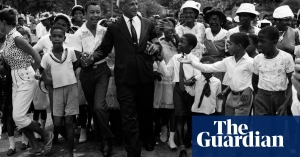









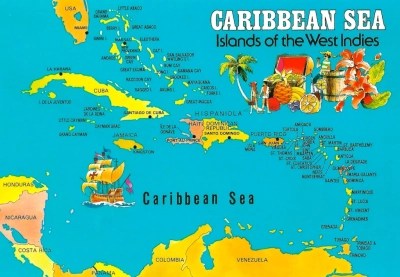


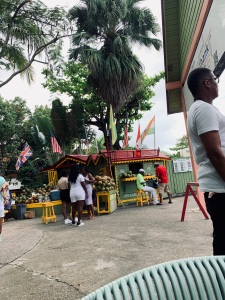



















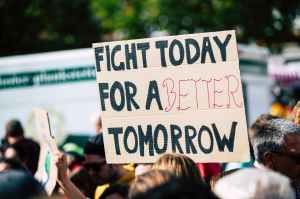

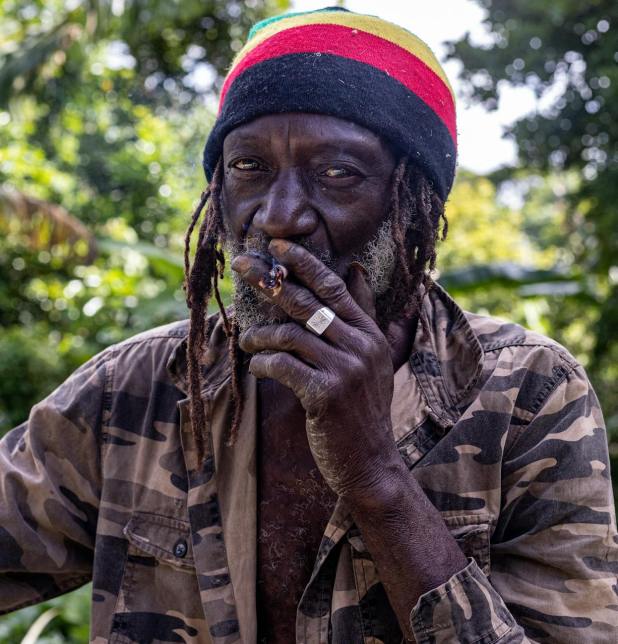






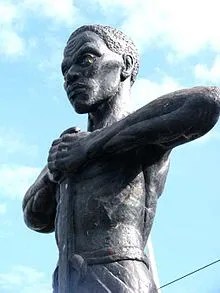



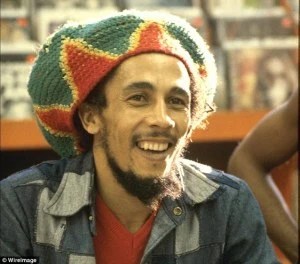
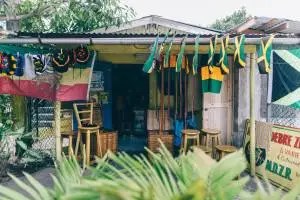



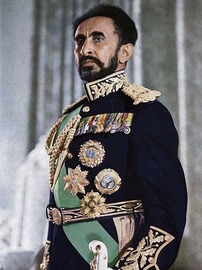








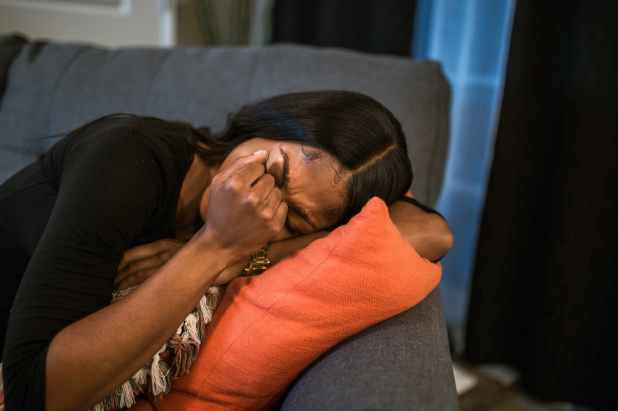




















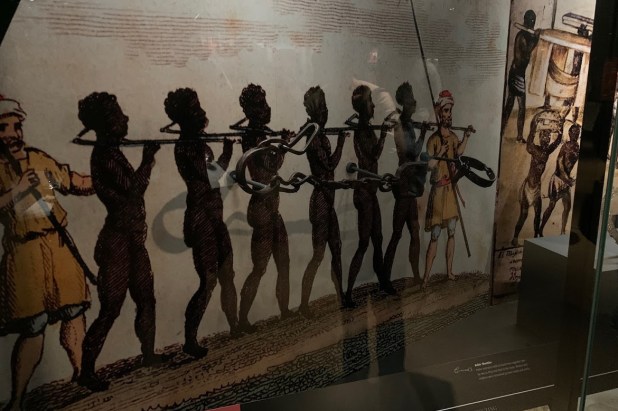


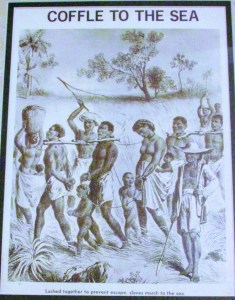











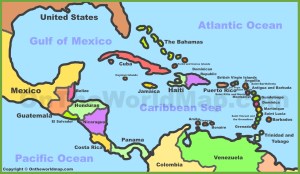

























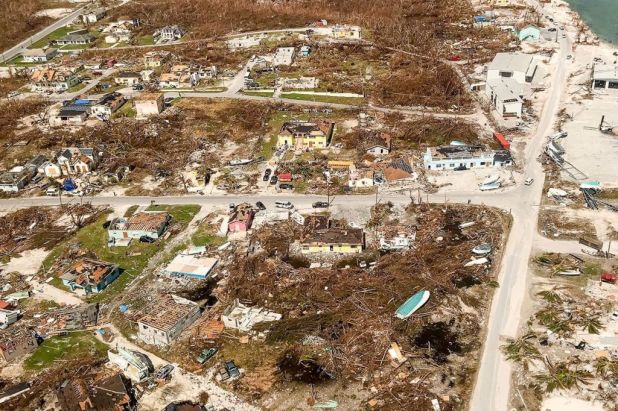
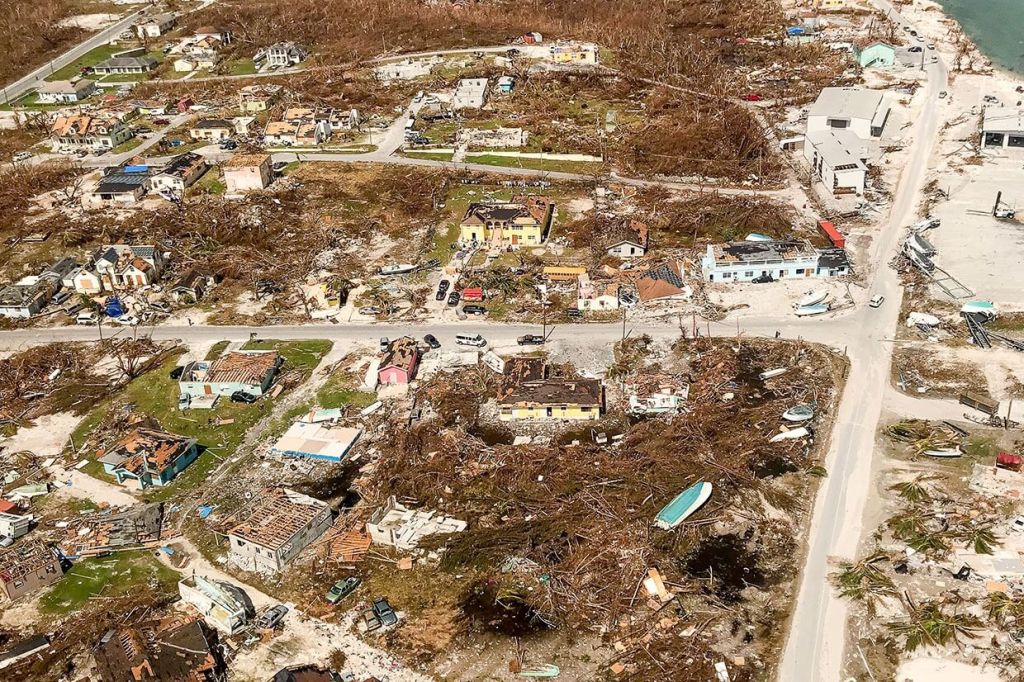
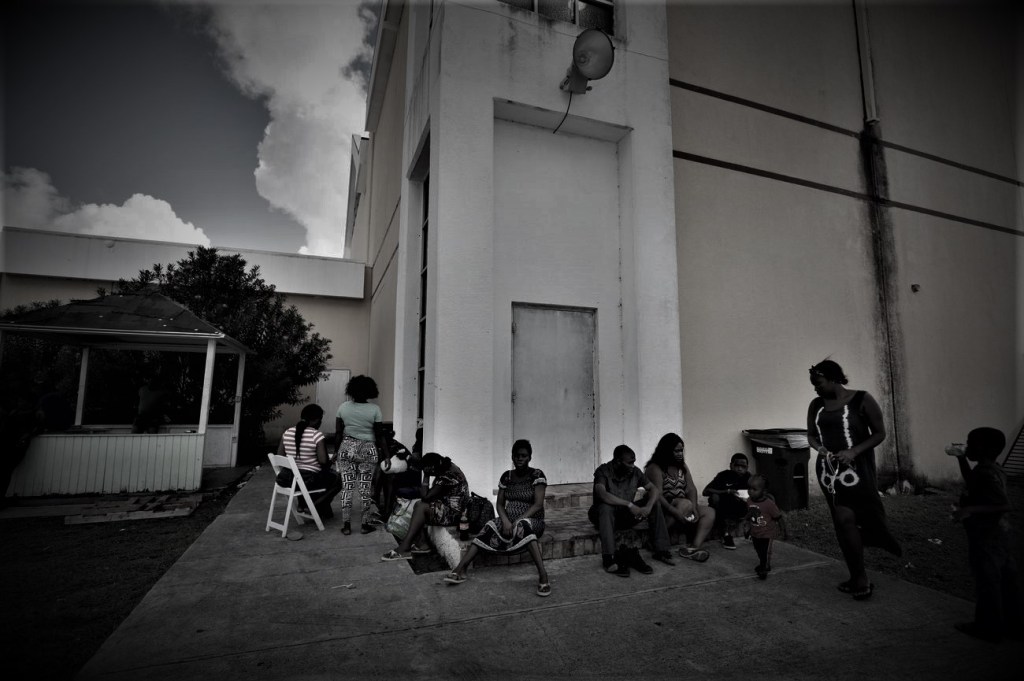


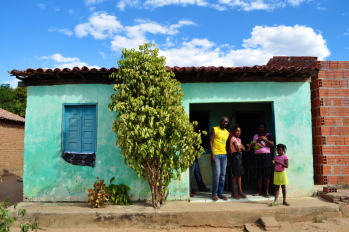





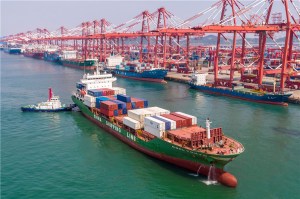
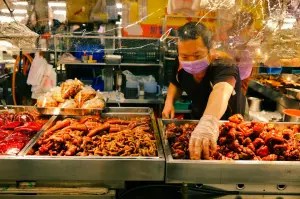

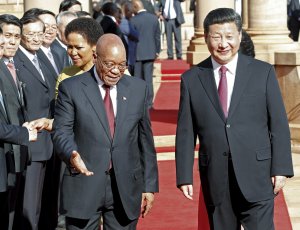
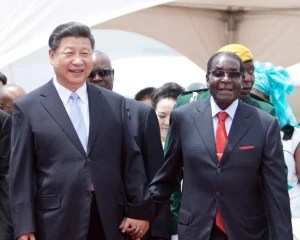








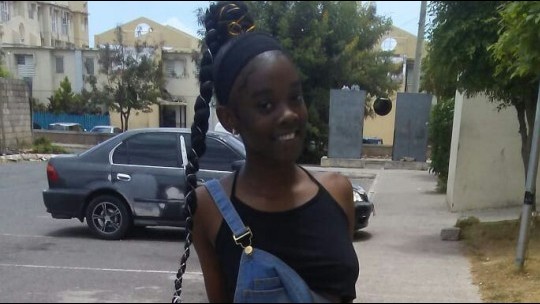









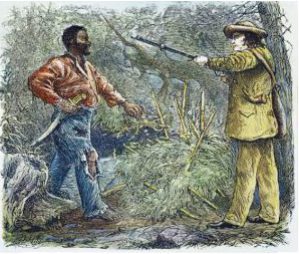












 GLOBAL COLLABORATION, EMPOWERMENT, LEADERSHIP, WELLNESS, AND RESILIENCE