On September 3, Jamaicans will choose their leader for the next five years. The election will scrutinize various socio-economic issues, the fulfillment of promises, and the experiences of those who have witnessed or are still waiting.
Will the incumbent, Prime Minister Dr. Andrew Holness, be entrusted with the key to drive Jamaica’s vehicle out of the repair shop, or will voters choose to change the locks, repaint it in their party color, or hand it over to Mark Jefferson Golding, the Opposition Leader, for the next five years?
Mark Jefferson Golding, who faces allegations regarding his Jamaican identity, has led the People’s National Party (PNP) since November 2020, and many consider him as upholding Jamaica’s motto, “out of many, one people”?
Considering the impact colonialism had on the lives of many voters’ ancestors, some argued is it appropriate for Jamaicans to elect a royal descendant, particularly in the wake of independence?
Jamaica’s economy encompasses more than just eligibility; however, the underlying question today is whether, a midst a political climate of confrontation, cooperation can emerge like the ocean during low tides or a blend of colors that elevates this beautiful island under the rainbow from many neglected areas. This stunning island, like many others, encounters a multitude of question.
Will this election lead to genuine transformation, or will it merely act as another means to maintain the existing order set by past administrations?
Will this be a referendum on as some local reports suggested on leadership since the last election?
These elections are often about who saw the art, who got stained, and who is still waiting for a fresh quote of paint. The question today is what color of governance Jamaica needs, because it appears that once it emerges from the political body shop, can leaders endure all the debris from the economic potholes and unpredictable weather, and can they maintain its shine after the victory dance concludes?
Is it another incomplete canvas with colorful image?
It often revolves around critical perspective of the painting on the wall filtered through narrow lenses, connections, that intertwines crime, economic upward mobility, poverty, the widening wealth gap, gender equity, inequality, and some argue, corruption, alongside climate change, and workers’ rights.
It appears that there is ample blame to distribute, and are they in a better position today under either the Jamaica Labour Party (JLP) or the People’s National Party (PNP)?
Every election cycle on this coast appears to reflect on what they should, could, and might have accomplished. Numerous damaged vehicles may need a fresh coat of paint, but the outcome hinges on the choice of body shop selected to address the rust, conceal imperfections, or preserve the vibrant hues.
Experts indicate that Prime Minister Andrew Holness (JLP) utilized his administration’s response during COVID to secure his re-election in 2020. His modernization efforts yielded favorable poll results, yet despite his popularity, many question the efficacy of his vaccine and whether economic challenges continue to ravage everything, particularly impacting the poor.
Several local reports have shown that crime has decreased, while citizens hold mixed views on whether safety has improved. It has always been challenging to manage crime on these shores.
Many of whom have experienced a strained relationship with the police since mid-1865—and the Morant Bay Rebellion (11 October 1865), which commenced with hundreds of individuals marching to the courthouse under the leadership of preacher Paul Bogle.
As observed, despite the positive data that indicates a declining trend, many argued, “Maybe it’s for residents of gated communities experiencing this impact?”
What is the best color for fueling the economy?
I hold the view that the matter at hand transcends mere election strategies and calls for a more profound exploration of a sustainable socio-economic framework to support any surface-level enhancements.
Many elections promise, or changes frequently fall short, leading to gradual decline, akin to waves wearing away a surface, ultimately resulting in deterioration irrespective of the individuals in positions of authority.
Regrettably, it appears that numerous individuals in these communities tends to only focus on one aspect of the vehicle. However, when the political vehicle is viewed from a different perspective, it becomes evident that this approach leaves them without a comprehensive solution for the other side, which may have deteriorated significantly following these elections.
Both sides are critical to fixing these imperfections that play a crucial role in deciding whether to revitalize the nation’s economic framework beyond the chosen color, enhance community resources, or repair existing issues.
Nonetheless, the outcome may hinge on the engagement of younger voters and the team that adeptly navigates social media without sidestepping direct confrontations with challenging inquiries. Thus, it may not necessarily be determined by who excelled in political debates or possesses a comprehensive understanding of the nation’s needs, but by who connects with the people.
Both sides signal better art, but where does it hang after the election?
Jamaica’s future planning must focus on environmental priorities, address the trade deficit, review the balance sheet, and enhance investments in the youths, victims protection, and public safety.
Prioritizing education, corrections, training and development, enhanced protections for women against abuse, and economic policies that benefit the collective good is essential.
Despite the political conflict in this region between two primary factions transforms politics into a complex game of strategy and manipulation, where presenting the right image is crucial. Regardless of the circumstances, the rhythms frequently coexist on the same vinyl, even with their distinct variations.
The frenzy that drives communities apart may resemble a repair shop anticipating a fresh coat of economic paint or protection from the corrosion of inequality and poverty.
Regrettably, it seems that popularity is prioritized over actual achievements when it comes to determining leadership in this region. Amidst it all, an unemployed mother, father, sons, daughters, cousins, grandparents, and uncle engage in conversation, anticipating a new melody once this political music comes to a halt.
Maybe this time they’ll see past the outside sheen?
This election, much like others, is likened to a contact sport where only the strongest endure. Will these injure community players have a chance in the next cycle, or while they attempt to repair these dents in whoever takes over the economy’s body shop?
The truth is that those who have been overlooked and marginalized, waiting for assistance to mend years of damage and systemic decline, will not see change happen instantly.
Who truly benefits from cosmetic alterations?
Jamaica and other impoverished nations experience the consequences of kleptocracy following numerous elections. Experts indicate that many of these lawmakers belong to the region’s affluent class.
A good deal of leverage in their relationships to acquire and conceal vast wealth that far surpasses their government salaries, despite starting from modest origins.
Does Jamaica need a fresh coat of paint, or should it simply repaint?
According to local media, both parties have several women running in this election. Women are the backbone of these nations and the lifeblood that determines whether these paints shine for future generations; thus, they must cooperate regardless of their political views.
Many young men and women are looking up to them not only for inspiration but also to create laws, protect them, and provide employment opportunities. When they work together, the nation wins.
After these vibrant events, I hope everyone can choose a color scheme to renovate the country as it navigates rough waters. These communities must begin to see a future over fear and reality over myth.
Yes, there will always be issues, and your vote must be for the future, not for road repair or an emergency loan, regardless of locals’ and expats’ opinions, or polls, right or wrong track, safety, or seeing a revolving door, because only you know how you feel and what is at stake for your future.
Jamaica is vibrant and promising despite its flaws. Change must begin at the grassroots and move upward.
The choice of what to display on the wall is entirely yours!
It is evident that individuals, regardless of their political affiliations, collectively aspire for an improved economy, enhanced safety, and opportunities for growth within a setting that fosters comfort and motivation for all.
While it may not be the ideal arrangement, it is certainly important for them to maintain a positive outlook and remain engaged.
It is essential for all individuals, particularly the younger generation, to continue engaging in the art of political and socio-economic painting, whether utilizing recycled images or starting anew on a blank canvas.
This journey is crucial for realizing the ultimate vision they aspire to, both for their nation and individual accomplishments, despite the apparent constraints or the unpredictability of the results.
Regardless of hue, governance must reestablish trust to start a new upward climb for long-term progress. I extend my warmest wishes for your success and happiness!
On January 12, 2010, a number of people began to pay closer attention to the island of Haiti after a massive earthquake displaced and killed hundreds of thousands of people in the capital city of Port-au-Prince
Hurricane Matthew made landfall in southwestern Haiti as a category-4 storm on October 4, 2016, the strongest storm to hit the Caribbean nation in more than 50 years.
Photo by Kelly L
Once again, this situation served as a reminder of how easy it is to simply view the worst aspects of a country. “Not again,” is the only thought that comes to mind for many of us as we watch. “Can this country take any more?”
According to reports, numerous individuals refused to be transported. Some residents stated that they face shelter restrictions or even the risk of losing personal possessions to individuals seeking to profit from these tragedies.
As a result, many people stayed at home in the hope of surviving the storms, which, according to local sources, were catastrophic, resulting in the loss of more lives than could have been saved had they sought shelter.
On our television screens, images depicted the vulnerability of families, mainly young women and children, who lived in appalling conditions in tents, shacks, and rusting sheet metal dwellings without access to safe drinking water or electricity.
Constantly present, but for how long?
Matthews destroyed many homes and divided towns, killing nearly 1,000 people and displacing thousands more.
Following Matthew’s arrival, the US military dispatched a navy ship to assist at the request of USAID and the State Department.
Additionally, the Washington Post, reported that Daniel Snyder, owner of the Washington DC Redskins, flew his private plane with two of his team’s Haitian-born players, Pierre Garcon and Jean Francois.
A history of redoing
Once again, the capital has been transformed into a 1-800 contribution hotline, and in the never-ending struggle of this magnificent nation, one step forward is followed by two steps back.
Despite being the region’s first colonized nation to gain independence in the region, Haiti appears to be perpetually searching for its own economic identity.
I am not an expert on Haitian politics, civil defense, disaster preparedness, leadership, socioeconomic difficulties, or religious philosophy, but I feel that what poverty does to a nation is more important than religious philosophy, Cathotalism, voodoo, or Christianity
Photo by Junior Ceranor Nelson
I am an observer, and this is an opinion, not a scholarly paper on Haiti’s history.
Additionally, I do not want to argue for “reparation” or how prior invasions may have contributed to the country’s current troubles, despite the fact that continued loans owed to these colonizer nations have helped build most of the industrialized nation’s wealth.
This is why I will defer to others, like Haitian opinion columnist Jean H Charles and my college buddies from Haiti, to discuss the country’s history and culture in greater depth.
With a long and illustrious history, many people question how much longer this island will be able to remain. Despite the fact that Haiti’s government was democratically elected, the country’s future is always in doubt.
Haiti has a history of tyranny, and political infighting rages on like a hurricane attempting to find the right wave to hit it on the head.
The intertwining of human and natural calamities is becoming more apparent as protests continue and people lose their patience.
Historians contend that the Haitian Revolution took place between 1791 and 1804 in opposition to slavery and in order to gain control over their own future, but as history has shown, it has always been a rough tide, and even for those who attempted to cross the ocean to other lands, they were frequently met with opposition.
Haiti fought Napoleon’s attempt to reclaim France’s Saint Dominque, as it was known at the time, as well as the US occupation in 1915.
According to historians, despite being built on the backs of slave labor, Haiti was the wealthiest French colony due to the production of sugar, coffee, and other commodities.
As I said before, this is not a history of Haiti’s past, but rather a short history that explains what we’ve been seeing later, some of which were caused by Haiti itself.
Haiti has had the blueprint to be one of the wealthiest countries in this region, but what went wrong is not only natural disasters but also man-made both inside and outside Haiti.
Perception of accounting balance
Donations and solicitations have totaled hundreds of millions of dollars since then. The United States and other organizations from throughout the world provided assistance.
Nongovernmental Organizations (NGOs) and other groups have devised strategies to focus on investments in infrastructure and energy, as well as other economic growth that will benefit everyone, especially the poor, according to many experts.
In the end, investigations found, according to RT and other news sources, that several deals failed because of poor management, corruption, and broken promises.
These reports serve as a reminder that little has changed since the last disaster.
That said, if Haiti wants to become a key participant in the area as the First Independent Nation, it must establish policies that benefit everyone, not just the few who seem to always get ahead.
Both Haiti’s island and elsewhere in the region are affected by this. In the long run, this creates a divide between the rich and poor, which leads to political unrest and isolation.
Photo by Kelly L
In the end, for many on the outside, unrestrained violence confirms a narrative in which good intentions are frequently overshadowed.
Who has been making the decisions?
Everyone appears to have had a hand in Haiti’s affairs, from the colonial conquest of France to some on its banks. Officials claim that decades of suffocating policies have contributed to the country’s decades of stagnation and inability to meet some of its people’s basic needs.
Hundreds of Haitians are still shown living in tents, cut off from the rest of the country by mudslides and without safe drinking water, as well as malnourished children and other vulnerabilities to diseases like cholera.
Haiti’s history appears to be a hindrance rather than a guide to the country’s future.
Even more, unfortunately, it appears that leadership has come about by accident or by the selection of provisional presidents depending on the popularity of certain countries.
Photo by Rachel Claire
The Haitians don’t need Wyclef Jean to be their leader now that they’ve been through something so bad. All the people who live there should decide what to do. A well-known Haitian singer has fans all over the world.
No one is questioning his academic credentials, but this is a complicated issue that will take more than a few beats to figure out. Even though he is one of my favorite sons from the island of Haiti, this is a lot more complicated than that.
Again, however, despite his foundation’s tremendous work in Haiti, there are still issues about whether it has met some of the key criteria of accountability regarding donations in order to establish openness and acquire public trust.
Even if his desire to run for government offers some stability once more, the question of whether or not he is eligible to run for office remains open in Hati’s complex nation.
But, before I go any further, I’d like to return to the current state of affairs in the country, which appears to be a difficult road to navigate.
What comes next for Haiti?
Haiti’s tragedies are far too frequent, whether they are political, economic, or social in nature, or whether they are man-made or systemic.
The only downside I see is that, when hope is lost and one is cut off from the outside world, and it seems that the person in charge only develops policies that benefit themselves. Unfortunately, this creates opportunities for gangs to thrive, preying on the vulnerable and enticing them to join. Before you know it, you have a system that has failed.
In addition, this could potentially result in a civil war and an increase in violent crimes against their own people.
Being the first independent nation in the region, while others have utilized their unique blueprint to break away from the colonial chain. It appears that Haiti’s Declaration of Independence, the rough tides, and the colonial anchor have never left its shores, with debris washing ashore every time there is a glimpse of hope for calmer seas.
Photo by Bruno Scramgnon
As experts have pointed out, despite the fact that Haitian independence was officially declared on January 1, 1804, in the port city of Gonaves by Jean-Jacques Dessalines following the conclusion of a 13-year long Haitian Revolution, the country does not stand alone in its struggle against poverty.
It is unfortunate that Haiti has been striving for an economic identity, an anchor, and an extra sheet of zinc in order to protect itself from both natural and man-made calamities,
Perhaps Haiti’s adamant desire to remain isolated has barred critical financial investments. I’m sure many others with tight relationships have helped in some capacity as well.
According to the New York Times, the US has delayed the deportation of Haitians who entered the country illegally during this time.
In the neighboring Dominica republic, many of those who arrived and those born there are similar to humans without a state.
Despite the fact that supporters applaud the temporary policy, it will have no impact on the Haitian economy. In the absence of a clear path, a nation that continues to hope will always seek an escape route to realize a dream.
What happens after the zinc homes are reinstalled in the same spot, the river has dried up again, the planes and media have left, and it rains again?
I wondered if some of its neighboring islands had been spared, but were still looking for a place to anchor with similarly poor governance. What would have happened if Mathew had taken a different path?
It is more than just the location.
Regrettably, Haiti is engulfed by more than a meteorological storm. They may benefit from a more accurate forecast, as well as historical forecasts, to be more prepared, but, like many other locations, Haiti could use some reconstruction following these storms.
Some argued that Haiti’s geographical location puts it at the mercy of nature, but leaders and preparedness must be more effective, not only to reduce the death toll after these events but also to provide an opportunity to rebuild and lift people out of poverty.
A vast number of people continue to move from one part of the country to another, from one end of the continent or state of the world to another in order to flee conditions such as extreme poverty and political unrest, inequality, barbaric ideology, violence, and intolerance.
People of all ages, genders, races, creeds, colors, and socioeconomic backgrounds must set their differences aside because hurricanes do not discriminate based on these factors.
Many of us today are the offspring of the same hope that our parents and grandparents had when they left these impoverished areas to pursue their dreams elsewhere.
Our society must not abandon those who are still on the seas, or who have returned to land, because they are human, just like any other nation that has been struck by the unexpected.
Yes, I’ve met some of the best doctors and nurses who are either Haitian or descended from Haitian ancestors. That is why when calamities hit and some in the media rushed to expose the worst of these communities.
Sure, it makes for a wonderful headline, I frequently wondered whether there was someone out there who would become a doctor or actor or nurse or whatever else if they got the chance.
Haiti will come back into the world, and there will be a lot more people around the world asking for help. This includes money, but also crime control and better opportunities for the next generation.
Photo by Junior Ceranor Nelson
It’s not just Haiti that has dealt with a combination of human-made and natural disasters; other countries in the region have faced similar challenges, especially in areas with a history of colonization.
When individuals see these locations as linked and work together, they can be confident that help will be there when obstacles come up.
They’ve always been on a mission to claim their rightful piece of the worldwide pie. Even though they value their autonomy and perseverance, there are individuals who prioritize personal gain over collective advancement. Despite facing obstacles, their determination and ambition to succeed remain unwavering.
According to economists, the world economy is facing its highest inflation rate in 40 years, with more than a 9% increase. It may drop to roughly 8% in the next few months.
Since May 2021, many central banks have raised interest rates by approximately 1.25 percent per month, posing a threat to their economies.
Many industrialized countries have historically implemented regulations to limit the impact, and while these policies can have a direct effect on cutting inflation, experts say the risks involved can add uncertainty to the broader economy.
Many poor and developing countries have historically experienced “demand-pull inflation,” which occurs when the economy’s demand for goods and services exceeds the economy’s ability to produce them.
The government can raise taxes, cut spending, and limit the money supply; however, not all analysts agree on how to deal with inflation.
Monetary policy: higher interest rates reduce demand, resulting in slower economic development and inflation. Because of its link to inflation, monetarists believe that reducing the money supply will lower inflation.
Supply-side efforts lower long-term costs by boosting economic competitiveness and efficiency. Higher income taxes could reduce spending, demand, and inflation. Several economists believe that controlling wages and prices can help to reduce inflation.
Regrettably, numerous impoverished and developing nations have limited options when it comes to witnessing a price drop. However, they can certainly inform you about the significantly lower costs that were previously present.
Nevertheless, I won’t burden you with an exhaustive list of factors contributing to inflation. In simple terms, increasing prices reduces people’s ability to buy, leading them to spend less and borrow less for investments such as property.
What is certain for people living in many poor and developing nations is that high costs for basic products and services, low wages, high employment, underemployment, and little pressure to hire new workers have long been problems.
The eternally hidden math that is rarely discussed:
For decades, the high cost of living has already resulted in tremendous inequality and an economic division between the haves and have-nots.
Inflation also increases the cost of acquiring personal loans, mortgages, and credit cards. This enhances the potential for lenders to achieve higher earnings. Rates on local savings accounts or Certificates of Deposit (CDs) can also increase savings accounts.
Experts have noted that saving rates in underprivileged and developing areas tend to be lower than the national average. Purchasing essential food items, especially when imported, can pose a significant challenge for many families.
Those at the bottom of the wage scale, as well as the middle class, are more likely to see their savings decrease.
The hidden numbers include local grocery stores, hardware stores, petrol stations, restaurants, and street vendors offering goods and services; their pricing might vary dramatically within a block of each other.
Furthermore, while costs for fuel, food, and utility services have stabilized or declined marginally, as inflationary rates have in other developed countries, the opposite is true here.
Filling a normal compact automobile with gas in the United States, for example, averaged $40.00 at the height of inflation, and filling a similar vehicle can cost around $US70.00 on these shores.
Another reason is price gouging, which occurs in several of these local communities with little to no control and only the wealthy profit.
Today, it seems that many expats and visitors are facing the consequences of people who chose not to take vacations or explore other investment options, similar to what happened during the height of the COVID-19 pandemic.
Unfortunately, due to inflation and other socioeconomic issues, many expats are choosing to return to the countries they left because of unexpected financial burdens that exceed their initial budget.
Inflation is just a reflection of underlying socioeconomic conditions.
While inflation cannot be solely blamed for all economic issues, it has brought to light the prevailing economic conditions that often contribute to the Brain Drain phenomenon. This phenomenon occurs when individuals, after completing their training, tend to permanently leave their respective countries.
Consequently, impoverished and developing nations face a substantial shortage of essential skills in various sectors.
It can be challenging for diligent individuals to achieve homeownership and establish a foundation for future wealth. The housing market seems to heavily favor foreign investors, leaving teachers, nurses, police officers, and others unable to afford homes where they work.
Unfortunately, there is that elephant. Huge imports have driven numerous local farmers’ products out of their stores, forcing them to reduce output. Local farmers, moms, and corner stores can no longer compete with nicely packaged maize, tomatoes, pigs, poultry, potatoes, fish, apples, grapes, and bananas from China and elsewhere.
Straying far from traditional dishes and cultural practices has led to a significant increase in prices within the food distribution network. Is there any accountability, and, regrettably, it seems that inflation has become a convenient excuse for unsuccessful policies?
Beyond the Consumer Price Index (CPI)
Analysts believe the actual inflation rate is 8–9 percent. However, how many people have already fallen behind, not only because of increased prices, but also because of a lack of job opportunities for advancement?
Experts agree that the increased price pressure is progressively decreasing. Unfortunately, prices in these poor neighborhoods have steadily risen, even in times of deflation or any other economic condition.
Socioeconomic disparities have been associated with a supposedly high cost of living for decades.
Could you kindly elaborate on whom, what, when, how, and where you are referring to when you say things are returning to normal?
Many of these shores have already been affected by inflation long before it reaches Wall Street. Local customs fees at local ports, supply networks, and imports that were previously beneficial to local families from expats have experienced a significant increase in fees.
This has raised concerns among locals who are wondering who stands to benefit from these fees.
This practice may deter people from importing things for personal use from other countries. As a result, people are forced to pay significantly higher costs in the area, which has been a long-standing issue for many years. This behavior is known as “underground inflation.”
Over the last year, the cost of various beverages, burgers, and fries has more than doubled. McDonalds is seeing a drop in consumer demand, while Target and other businesses are rethinking their strategy because, despite the excessively high pricing, consumers still have some leverage.
Furthermore, analysts have highlighted the fact that the average client on whom they rely is turning away.
Home cooking offers the added benefit of helping you to save money while prioritizing your health. However, it can be difficult in today’s economy for may people to find reasonable costs for food products and ingredients.
Numerous individuals expressed their dissatisfaction with the perceived decrease in native cuisine choices due to imports. As a result, individuals tend to consume processed foreign goods.
Not only does it put people’s health at risk, but it also excludes those who cannot afford these expensive new imported prestige packages.
People cannot help but feel the true numbers in their pockets. It’s like an endless game of financial roulette.
Economic inflation increases with a high CPI. Higher CPI and inflation mean consumers pay more for the same things.
The CPI calculation can provide insight into why things have become more expensive. While it serves as a guide for experts, it may not always reflect the actual situation for the general population.
In these less affluent and developing nations, the connection between the currency, inflation, and even the banking system in these regions is as complex as the political structure.
Sadly, regardless of the party in power, inflationary times have become a talking point for ineffective policies that continue to win local elections.
Today’s issue is not how much small neighborhood retailers can increase their prices while staying profitable, but who can afford to shop there to support them.
Yes, geopolitical concerns such as conflict, supply chain issues, and political turmoil play a role, but these communities must continue to suffer the persistently harsh seas with little or no reinforcement to survive the increasing price hurricanes.
When the industrialized world catches an economic cold, the rest of these shores will likely catch the flu and struggle to get medication.
If investors and politicians are bullish, who is bearish?
In reality, inflation has decreased and continues to decline in certain areas. It is crucial for local citizens to actively engage in democracy, regardless of political affiliation.
While your vote may not directly address the global issue of inflation, it is important to reflect on whether you are currently in a better position than before and how you envision the future.
Think about your safety, growing pricing, upward mobility, education system, and healthcare, to mention a few.
Inflation is only a minor component of these regions’ structural issues. I believe democracy ends at the ballot box. Poverty, inequality, unemployment, and weak governance persisted beyond the elections.
The inflation rate may fluctuate, but, as previously stated, if corruption, poor leadership, and authoritarian maneuvers are used solely to keep power, and only those connected to political leaders benefit, inflation is simply another hurdle.
Many argued that vital community needs are being ignored and that decisions taken by a few only appear to benefit them, yet you are the change one desires for better numbers, just like inflation.
According to studies, this form of oligarchy governance structure places these politicians and their close supporters among the wealthiest individuals in these communities. They have great effect even in the administration of justice.
Many retiring political figures departed government with considerable riches, but the issues they were elected to address, such as the high cost of living, crime, and poverty, continue.
However, let me return to my opinion on inflation.
“As inflation stabilizes, the stock market is ready for a strong rise,” Wharton professor Jeremy Siegel claims. Some countries are experiencing decreasing unemployment rates, but only with effective economic strategies.
Unfortunately, many of these poor communities’ accounts have alredy been depreciated, pushing them further behind.
The outlook depends on where you sit.
Photo by Arthur Wans
The quality of life for residents and expats who once relished their communities is now overshadowed by public safety concerns that seem to surpass inflation rates.
They must now be more protective of their belongings. Many studies have indicated that the crime rate is consistently greater than the inflation rate.
Ms. Jane, who has retired, has put the new building on hold since the cost of materials and labor has risen above what she had planned. The surrounding laborers or handymen who were required to complete her project must now wait.
Withdrawing her funds from some of these local banks is a challenging task in an inflationary economic crisis. The lines to even reach an ATM resembled those for an outdoor cultural event. Some have also reported that funds are missing from accounts, and without access to these local banks, it is impossible to create trust in the system.
Combined with her fear of becoming a target for crime, she also opted to leave town, causing many local businesses to suffer.
Despite some encouraging signs of slight economic progress, many people complain that they do not feel it.
Experts noted that inflation only exacerbates the situation in communities where unemployment and crime are already on the rise, as is the ever-widening gap between the haves and the have-nots.
A significant number of these countries have become members of the International Monetary Fund (IMF), an organization dedicated to promoting sustainable economic growth and prosperity for its 190 member states.
Today, many finance leaders will be taking trips to attract investments, while some nations may face exploitation due to their poor governance.
Undoubtedly, the IMF remains a crucial lifeline for these nations, as it offers vital support in managing employment, financial stability, and overall productivity. Experts have highlighted the fact that these nations heavily rely on the IMF as their sole source of finance for survival.
So the local question remains the same: “What inflation?”
The only response is that, as they frequently say, things have been this way for a long time.
Locals, visitors, and expatriates are all concerned about the continued deterioration of many portions of the Caribbean landscape as a result of violence and economic uncertainty.
Ongoing reported violent crime against humanity does not discriminate against clergy, women, famous artists children, counselors, law enforcement officers, teachers, sports icons, business people, students, elders, the average faithful worker, or anyone else in its path.
This is not a novel shift in thinking, and it seems that whenever a beloved individual is tragically lost, a child is taken, a student is killed, a promising future is cut short, or a community confronts another discussion, the call for stricter laws arises.
Quietly, for several decades, there has been a harsh reality of countless individuals who have been victims of murder, abuse, theft, and other criminal acts. I will address the numbers at a later point, and it is possible that they may fluctuate, either improving or declining.
Even so, everything seems to fade away until another harsh headline arises again.
Being a victim of violence, whether through heritage, culture, family, a friend, or love, can have long-term psychological consequences regardless of location, race, gender, or economic status.
It requires more than a statement.
The world appears to be spinning on an irrational axis right now, and only those with a well-thought-out socioeconomic strategy can keep up.
These issues necessitate a significant paradigm shift through education, resources, and long-term management strategy, rather than a quick fix via a Twitter post or filling a talking point until the next election cycle, without a coherent strategy.
Furthermore, geopolitical turmoil in many places has resulted in people fleeing for safety and a better life, providing some temporary cover for a few nations; however, what happens to some of those who must bear the storm out, or simply good hardworking citizens who only want to leave their door or window open at night to let in the cool breeze after a long day at work?
The Caribbean islands, particularly the dominant ones, and a few Latin and African countries cannot assert unilaterally that an increase in crime and economic deterioration is the result of an erosion of democracy, an influx of migrants, cultural modifications, or weaponry, as stated.
However, in reality, many of those who arrived on these other shores fled or migrated from similar violent and economic issues in search of a more effective way of life, and they are forever bound to the slave ship that once anchored nearby.
The evidence is no longer housed in the backroom’s closed files.
Few will admit that crime and violence cost these shores billions of dollars in investments and other tourist dollars, according to experts, where tourism is the major economic engine, accounting for up to 40% of GDP (GDP).
For decades, the death toll on some of these Caribbean islands has consistently exceeded the number of calendar days and has been extremely high in comparison to the population.
Murders, robberies, assaults, rape, and kidnappings have plagued several communities known for their laid-back vibes and brilliant sunsets reflecting off the green mountains and the blue ocean.
It appears that impoverished neighborhoods are being hit with both criminal and political blows, much like an ocean without a levee to keep the water from overflowing.
Regrettably, some individuals have arrived, only to discover that the actual situation on the ground falls short of the envisioned image or expectation.
Numerous cherished close-knit community connections have diminished, retirement plans have been disrupted, or individuals have become more isolated, even dispersed for safety purposes.
Many individuals have observed numerous expatriates who have chosen to sell their custom-built homes after retirement.
This re-migration for a sense of security and access to better healthcare systems, despite the enticing advertisements urging them to come back home. Despite reports that few new policies are being introduced to address these issues, it is frequently viewed through a political lens.
For some leaders, particularly those who govern on popularity, it remains a delicate balance; whether managing high inflation, community political alliances, high unemployment, public safety, inequality, and other social services critical to moving these shores forward.
Maintaining a delicate balance
Managing these criminal elements is difficult, and the Prime Minister alone cannot serve as the sole spokesperson, followed by the head of the law enforcement community, which the vast majority of these criminals continue to regard as a foe.
Regardless of their political affiliation, people need to hold politicians and leaders accountable for the socioeconomic decline that affects the entire island, including developing and impoverished countries.
I will reiterate, where are the campaign-style videos by politicians on both sides when these crimes occur, rather than blaming each other, even when an officer loses his or her life in the line of duty. While this may not solve everything, it sends a message that violence will not become the norm.
Addressing these challenges will require implementing comparable strategies used in other areas, such as addressing social inequalities, decreasing the probability of criminal activity, and enhancing the capabilities of the criminal justice system to identify, apprehend, resolve conflicts, and reform offenders.
Minimization or a tendency to correlate with other societies do not resolve these issues, nor do sound bites and selective empathy when victims are in need of support and resources, whether to address ongoing public safety and other socioeconomic issues.
These victims, particularly women and other vulnerable groups, cannot be relieved of their fear and anxiety through the use of pepper spray, condensed social activities, and abnormal living conditions with more steel bars in their homes.
Fortunately, social media today captures their loss of trust and confidence in their leaders, frustration, and neighborhood deterioration, including fatalities, in real-time.
The surviving victims are also telling their stories in order to provide a different picture of reality that avoids inconsistency, divergence, or minimization.
Where other deaths leave questions unanswered: Is it cancer, COVID-19, surgeon negligence, lack of oxygen, diabetes, or a long wait for critical medical care?
A gunshot or knife wound to the torso eliminates any doubt about the cause of death.
The numbers and the well-being of the people in the town.
Few people possessed a licensed firearm along these shores a few decades ago. It was a well-known local business owner and law enforcement, officer. Today, a taxi, bus, and truck drivers, as well as grocery store clerks and street vendors, are now armed.
Despite the fact that crime is pervasive, decoupling the data is terrifying. Most of these English-speaking Caribbean countries have crime rates of 30 or higher per 100,000 people.
According to experts, these rates are six times higher in the United States and 15-30 times higher in most European countries.
According to several crime analysis reports, the death rate in these high crime areas is also on the rise and could exceed 39.1 deaths per 100,000 people.
Countries like Venezuela (45.6%), Honduras (37.5%), Mexico (37.2%), Columbia (24.3%), Belize (24.3%) and Belize (1.9%) would have the highest homicide rates in 2020, according to data collected by the Global Insight on Crime and Homicide.
Puerto Rico, Guatemala, and Panama have homicide rates that range between 14.6 and 18.6 per 100,000 people
In 2019, Trinidad and Tobago recorded 539 murders, the second-highest number in the country’s history for a single year.
Between January and November of 2021, nearly 1300 killings were reported in Jamaica alone.
These figures are appalling, and no civilized country should dismiss them as one of the highest murder rates per 100,000 people in the world.
As I previously stated, social media and this new generation are watching, and it will have an impact on upward mobility on all socioeconomic levels, whether global or local.
According to one victim, “they are hoping that gangs are annihilating each other, whether over drug turf or vulnerable victims to scam.”
Unfortunately, this isn’t a good way to deal with these gangs. It’s more of a fear-based way to deal with them. Is vigilante justice the best way to get people to feel safe again, even if innocent people are killed?
According to studies, approximately 40% of the Caribbean population considers crime and security issues to be more serious than poverty or inequality in their countries.
While politicians engage in discussions, the profound impact of crime extends far beyond the duration of an election cycle for those who have experienced it. I’m curious about the duration of barricades and the declaration of an emergency. How long can they typically last?
Some of these offenders struggle with significant mental health and substance abuse challenges. Without receiving educational opportunities that can help them make a positive impact on society, many feel excluded and are drawn towards criminal activities.
While these measures may serve a temporary deterrent function, they are not the ultimate solution according to experts.
Delving into the core of these issues, occasionally the system may require an additional step backwards.
When History, Perception, and Reality Collide
In many parts of the region, the ongoing conflict between law enforcement, legislators, and civilians dates back to the colonial period, when alliances often meant more than policies and power were more about balancing image and reality.
Many residents contend that their anger does not hinder the proposed crime-fighting strategy that arises after a heinous crime, which often leads to more challenging inquiries before subsiding until the next wave of criminal activity.
Some individuals have even suggested the reinstatement of hanging as a means of punishment, despite facing resistance from human rights organizations.
According to scholars, public safety has maintained close ties with politicians since the concept of policing was first introduced in the early 1800s in Metropolitan London-England.
Despite a later decentralized system, improved training, and recruits, scholars noted that the Caribbean region’s community safety system has never left the Political Era.
The system requires a comprehensive overhaul, and most of these viewpoints have some validity.
There are both healthy and unhealthy apples in some apple bags. However, it allows criminal enterprises to thrive in the absence of resources and local support.
Despite historical distrust and toxic relationships, some of which are self-inflicted today, the community’s assistance is critical in producing additional intelligence to investigate and solve a significant number of unsolved cases, as reported.
Experts argue that the concept of policing was implemented in the western hemisphere to keep slaves from fleeing their masters, but today some scholars now attribute crime reductions to increased police presence.
Regardless of your point of view, and often or maybe sometimes valid reasons for demanding an answer, many public servants have families to whom they want to return home at the end of their shifts.
Repeatedly implementing an analogous approach and expecting a remarkable result will continue to fail. It’s as if many impoverished people are betting on the lottery as their only hope of getting out of poverty.
Today, it seems that the need for an economic plan to uplift families from poverty, enhance quality of life, and attract companies to establish or expand their operations in order to attract a skilled workforce is crucial. However, another challenge that arises is the phenomenon of brain drain.
However, it cannot be solved by blaming the previous administration from decades ago on all political parties.
Leaders are elected to move forward regardless of a political party, and they consistently blame previous leaders or managers for the nation’s future.
According to economic experts, inequality is on the rise and has been a cancer in the region, as well as other places, for decades.
After the conference and all those speeches, it’s time to peel back the layers of the onion. But what comes next? Their eyes are still burning!
The ongoing process of unraveling the layers of an onion in preparation for a satisfying and affordable meal, but when will the actual cooking begin?
The harsh reality is not only the social divide it has created, which breeds additional violence due to a lack of opportunities but also the failure to recognize and address it head-on.
It has made it more difficult for many locals to strike a balance between personal autonomy and getting to the root of the more pressing problem on a daily basis, regardless of which administration is in power.
According to reports, the ever-widening gap between the haves and the have-nots has made it difficult to address the well-being of individuals, the elderly, or families in order to provide adequate care.
Additionally, assistance in areas such as counseling, fighting discrimination, job training, or limited financial assistance to create stability or upward mobility as noted earlier.
With each passing day, the downtrodden struggle to stay afloat in the face of the relentless rough tides.
It appears that with each new leadership, they gain more authority from the chaos and mayhem that divides people along party lines and social class, which has been woven into decades of stratification.
Sadly, another failed year of systemic violent crime and economic problems appears to re-emerge for many impoverished nations, much like any other business that must evaluate its strengths and weaknesses.
When these systematic failures continue, the locals who are affected must watch a different news narrative.
Legislators’ own wealth often looks to be the only thing that prospers. In order to amass wealth and influence, criminals appear to follow a pattern.
A prevalent struggle for ensuring safety and achieving economic balance
The fact that indications of some positive growth in crucial areas have emerged must benefit all residents, not just the wealthy, who frequently wield considerable power in shaping the public discourse.
Since the British, Dutch, French, and Spanish once controlled most of these shores, the question “What if they were still in control?” has long plagued many in the region.
Even though several of those countries have since gained independence, their imprints on the sand remain visible.
Many individuals are beginning to lose faith in established institutions of higher learning and banking.
Several of these unstable islands have academics and citizens debating whether or not the British Pound and now the Eurodollar should remain the official currencies.
This is a hotly debated topic, from reparation to taking a step back and analyzing some of these nations’ current adherence to the old colonial rule.
However, this is not an argument to cut ties with a country or region; rather, I am examining the impact of economic and criminal factors.
There are a growing number of young individuals graduating from college or university with high student loan debts.
In addition, students who drop out of school without completing their education or believing in their own abilities will only contribute to an increase in violence and a decrease in the number of people who are able to rise in the ranks of society.
How do social disadvantages, economic constraints, developmental structures, juvenile delinquency, mental health difficulties, conflict resolution, substance addiction, and a lack of work all play a role in these communities?
What is more appealing to the majority of young people: gang membership or total disregard for the rule of law?
This is a first step toward identifying the source of the problem, not just a single blanket statement or a few nights of curfew, even if the intentions are good.
Several people appear to be roaming the streets asking for handouts, looking for a way to prosper, while others wait for the next soft target to commit a crime.
Through a narrow lens, doth the complexity of governance unfold.
Numerous leaders appear to excel at campaigning but lack the necessary knowledge and abilities to deal with these complex issues.
With each newly appointed public safety official, top security personnel, and pledges to reduce crime, improve safety, and promote economic growth in order to lift people out of poverty, the communities that elected them remain perplexed as to what has changed.
Furthermore, if no one accepts responsibility, those in charge of enforcing regulations and providing resources are seen as part of the problem.
For example, in comparison to other nations, as experts argued, corruption index remains in the top 4-5, such as crime for may of the poor and developing nations?
Where do you begin if you truly want to set an example?
The intricacies of personal liberty, safety, new and reinvigorated crime-fighting techniques and an economic foundation to move these nations forward appear to be inextricably linked in an image in which the blame game trumps strategy.s.
As I previously noted, many elections in these towns appear to have been won or lost simply on the basis of blaming the previous administration for decades.
Despite the tranquil nature of the power transition, it is a contact sport with continual trades.
Each new blueprint is frequently met with opposition, and the question of which party is better qualified to address these public health or economic issues remains unresolved.
What is the point of the revolving, and what problem does it solve?
The grip on power in these concentric communities, particularly in some impoverished and developing countries, is a revolving door with no exit.
Players who fail to win a game appear to be benched after the final political whistle has blown, although they are often still on the field.
Many of these socially wounded leaders resurfaced under various titles and from well-connected networks.
The argument goes that “you are more likely to be penalized for dissenting opinions” even though poor performance, corruption, inept management, and requests to change course have been documented.
Several dissatisfied residents claim that critical socioeconomic concerns are being pushed or redirected down the road for the next generation as a result of territorial wars.
As far as I can see, there are continual problems in creating a more sustainable community where everyone can live a successful life. Who should enforce regulations and provide resources, and who should be held accountable for their actions?
So, what’s the next step in policy making?
Today, many students are not just looking for mentors and job connections; they also need a safe environment to thrive and achieve success, just like teachers. And focus on their education rather than worrying about whether they will make it home safely.
Achieving prosperity for all should be the primary goal of social and economic policies. In order to break out of the bureaucratic and dysfunctional power struggles between political positions, collaboration is required.
Former British Prime Minister David Cameron made a comment on the Centenary of World War I in 2014. He emphasized the willingness and value of combining local ideas with national initiatives and government actions.
Social workers, school teachers, youth leaders, civic leaders, law enforcement officials, offenders, and counselors must all be present at the table, much as a surgeon plans a necessary surgery with other professionals inside the operating room.
Rebuilding the middle class includes tackling concerns such as health care affordability, job security, and even the formation of a medical bill of rights. These steps promote confidence in the system among all stakeholders, not just local residents.
Additionally, among those who may prefer to return to the country during their retirement years in order to enjoy life while sharing their knowledge and skills obtained while living abroad—as ex-pats—with a sense of protection and security.
For both economic growth and environmental preservation, it is imperative that funds be allocated to improving the educational system, protecting victims and teachers, rehabilitating offenders, and expanding locally produced goods and services.
Make your voice heard in the name of a better tomorrow.
If there was a term limit on power in the area, it would lead to new ideas and long-term success for the next generation of people.
Leadership should act the same way as someone who needs help getting better. It is very important for a person to admit that they have a problem with drugs in order to be successful in drug rehab,
Fortunately, the majority of these communities still have pride and tenacity, and even some of those looking in, as advisors, though they may not admit it, are still optimistic that the economic sun will rise, and the crime wave will set even on the few remaining non-fee beaches in the area.
The late pop star Michael Jackson’s song “The Man in the Mirror” serves as the starting point for upward mobility.
Throughout the month of October, countless women of all races, cultures, and economic backgrounds gathered in pink across the globe in a variety of awareness platforms.
As one friend put it, it’s not about girls gaining power. Simply put, it is to eradicate a silent killer known as “Breast Cancer,” which affects both men and women.
Our health is more than just a walk, run, and wearing pink once a year in October. It is assisting families who have lost a loved one, are still fighting, or have survived, as well as raising funds for research to find a cure.
Every year on November 19, which is recognized as International Men’s Day, more than a few tweets are sent.
Though it focuses on men’s health, enlightens gender relations, emphasizes the importance of male role models, and promotes positive masculinity languages, it must also address the barriers and taboos that some males face when it comes to their health.
Cancer is still a personal issue, not a water cooler topic, and I believe more men need to form bonds in order to learn about their medical issues.
This issue does not need to be postponed until a prominent individual comes forward to inspect our bodies- (man’s parts).
Because men do not wear bras or have breasts like women, they are not immune to breast cancer, and we must dispel this myth.
Awareness is essential for changing patterns, but a willingness to change is even more important.
When the “Me-Too” movement against sexual harassment and assault gained traction, many powerful men resigned. Some became deafeningly deafeningly deafeningly deafeningly deafeningly deafeningly deafening.
Photo by Tara Winstead
Despite the fact that some denied and minimized their actions, this topic has brought more attention to this once-hidden subject.
However, regardless of the opinions expressed, “consciousness” is essential in any society in order to develop new road maps for a more suitable quality standard of living, which includes physical health, family, education, employment, wealth, freedom, tolerance, the environment, and safety.
Awareness is essential regardless of where you live, but you must also make changes to improve your lifestyle. It could be as simple as working together to develop a shared understanding of what you put into your body.
Furthermore, ensure that you have access to a valuable-healthy grocery store as well as a good healthcare system.
Despite the fact that male breast cancer is extremely rare, medical reports show that 350 males are diagnosed each year, and it affects adolescents as well as men between the ages of 60 and 70. Early detection remains critical, and vital examinations may save lives.
According to medical experts, it is a malignant tumor that develops from breast cells. “A malignant tumor is a collection of cancer cells that can invade surrounding tissues and spread to other parts of the body.”
If you are reading this, I am not a celebrity who was diagnosed with the disease in order to persuade you to see a doctor within the next 24 hours. I do, however, have family members and a friend of a friend who has died as a result of this disease.
Photo by RODNAE Productions
People of color, according to the Centers for Disease Control and Prevention (CDC), have a higher risk of contracting this illness, as well as other cancers.
Know the signs and ask questions, and follow the science
Males have a lower risk of developing breast cancer than women, according to the International Journal of Caring Science and other leading oncology studies. However, it remains high, particularly among men with a history of testicular pain, as well as those with a genetic predisposition, radiation, excessive alcohol consumption, liver disease, and obesity.”
Unfortunately, if you have less access to a decent and affordable health care system, you may be one of several families who are still looking for answers as to the exact cause of death for a loved one.
Medical professionals classify breast cancer symptoms such as nipple swelling, discharge, and rashes around the boob. It also houses millions of cells and hormones in both boys and girls during puberty, as well as swelling of the chest and lymph nodes under the arms.
Often, by the time some patients realize they have this disease, it has already progressed to its terminal stage. Not everyone has the financial means to travel outside of their communities to receive excellent care.
Simply changing the word “Women Issues” to “Men Issues,”, particularly for black men, will result in a plethora of other socioeconomic topics dominating, such as criminal justice, higher unemployment, poverty, violence, and less access to healthcare.
R.D.
Cancer was associated with and regarded as a “lady” disease that affected their woman’s parts, the breast, and womb, according to medical experts. And that belief is still a dangerous weapon in the fight against one’s health problems.
Underneath that tough-guy persona, he frequently requires your assistance. Yielding our vulnerability makes us appear weak in the face of societal pressures and the way culture and modernization have led us to believe.
Many men, for example, would openly admit that they relied on Viagra for sexual dysfunction because their self-esteem was as important as their influence.
This attitude sometimes prevents some people from visiting even female doctors or from participating in pink or a walk to raise awareness.
Addressing men’s breast cancer and other medical issues quietly remains a taboo entwined with social stratification, illiteracy, and medical disparities.
Many leading Cancer Societies recommend the following basic questions for your doctor to ask:
Do you have breast pain?
Do you have a lump?
Nipple retraction, or skin changes?
How equipped is your doctor?
How informed is your physician?
Where does he or she receive their training?
The success percentage of treating this disorder or any other?
Collaboration with other practitioners?
Do you have an external evaluation of your labs?
Access to high-quality, low-cost health care saves lives.
The lack of social responsibility by several elected leaders whose economic agendas in all political parties failed to confer inadequacies, and where under-funding of critical facilities only added to the burden.
Access to proper healthcare remains a barrier in many communities today, separating the haves and have-nots.
Distance to adequate facilities, like the high rate of unsolved crimes in closed files, is a source of distrust in many impoverished and developing countries. Alternative medicine is frequently used by these patients, not only for breast cancer but also for other diseases.
The ongoing debates about the cost and quality of care, as well as how many patients’ life savings have been depleted by years of medical office visits with no clear answer?
The lack of accountability, resources, and the sheer number of people under one doctor’s care, as well as the high cost of treatment and accurate referrals, can all discourage others from seeking medical attention.
Furthermore, given the lengthy wait to be seen or admitted for treatment, “why bother showing up?” one person argues.
Failing to recognize professional limitations can result in other barriers, such as the need for appropriate medical equipment to diagnose these symptoms to well-trained staff. And, before they can admit one, they must address the issue of upfront payments.
Equally important, an assurance that decent treatment is being provided should take precedence over profit, as personal ethics should not conflict with care and accountability. When someone dies as a result of a misdiagnosis or delayed treatment, it only raises more questions.
Accurate analysis is required to ensure that these medical systems provide precise answers in order to build trust in many of these medical systems, particularly in impoverished communities.
Many bereaved families are frequently often left with unanswered questions or are abandoned as a result of these tragic events.
Today are unsure whether it was cancer, a heart attack, malpractice, diabetes, high blood pressure, or the prescribed medication that caused their loved one’s death.
Photo by cottonbro o
The International Laboratory Accreditation Cooperation (ILAC) has developed standards that many countries have adopted, and some of these rural facilities may implement more stringent oversights in the delivery of competence services along these shores.
Creating a brotherhood to aid in early detection.
Today, I believe that more men should take a moment to reflect on their health, form a brotherhood to fight breast cancer and other diseases, and provide a platform for engagement rather than isolation due to fear.
Furthermore, design similar approaches, such as political campaigns commonly used to advance the agendas of local political leaders to elected offices, which frequently fail to address community healthcare issues that are critical to the quality of life.
This month and beyond, I encourage more men to take a stand for good health, including colon cancer, high blood pressure, diabetes, mental health, heart disease, substance abuse, and other illnesses.
Despite the fact that uninsured people are less likely to receive medical care and are more likely to have poor health status, studies show that there are a few excellent physicians tucked away in many small communities.
Accept even if today’s medical check will be performed by a female doctor. Local home-grown and self-medication may alleviate symptoms, but it will not cure this disease, which will affect many more men in our lifetime.
Male Breast Cancer – awareness andbeyondthe nipples
Men’s health will continue to face challenges as they navigate the socioeconomic divide, taboos, disparities, distrust, and access, and breast cancer isn’t the only potential medical check that should be on your list this year:
Photo by Ketut Subiyanto
They may be limited in terms of resources, but they play an important role in situations where early detection is critical in saving lives and avoiding unnecessary financial burdens when it is too late to change course.
Making an appointment with a knowledgeable physician is the first step toward a healthier tomorrow.
The next Father’s Day gift could be to accompany a loved one to the doctor.
We are all connected, regardless of socioeconomic status, race, culture, religious belief, gender, or location, and cancer does not discriminate.
Photo by fauxels
Finally, allow the doctor to acknowledge your concerns, even if it is only for the purpose of providing a psychological intervention until the next exam.
Tourism has historically been the Caribbean region’s economic motor in former colonial rulers left more of the region.
It is the world’s most tourism-dependent country region, according to the World Travel and Tourism Council (WTTC) and the United Nations World Tourism Organization.
According to analysts, this business contributes to as much as 40% of the Gross Domestic Product on some islands (GDP). Since COVID-19, travel expenditures have decreased by an astonishing 42% (about $500 billion).
International travel and business travel had the biggest losses, with analysts estimating that international travel spending decreased by 76% and business travel spending decreased by 70%, respectively.
As unemployment rose and the domino effect persisted around the world, local businesses that had benefited from tourists were forced to close their doors even further.
It appears that every small business operation has dried up, and only a few of the fittest have a chance to maintain a normal standard of living.
Photo by Nathan Cowley
The levy that was previously in place has been relocated.
A few decades ago, some of these countries had robust economies. Sugar, banana, coffee, poultry, and bauxite companies, as well as a variety of other businesses, were critical to the area’s economic existence.
Globalization and technological advancement resulted in the selling of numerous businesses to foreign investors, as well as the transfer of personnel to save costs. However, according to numerous accounts, some of this global change was self-inflicted as a result of weak governance, as several leaders would concede.
Experts attribute the disinvestment to a range of factors, including decreased labor costs, increased tax benefits, the facility no longer having enough space to suit their needs, unforeseen business challenges, employee safety concerns, and the finding of better talent. Millennials, for example, possess young, innovative talents.
These jobs served as an economic engine, providing a safety net for what would have been the middle class today, which no longer exists, as well as others from a local mom-and-pop store strategically tucked on a tight road.
Photo by Skitterphoto
Many enterprises that had lasted for a decade at the expense of local communities either lost their competitive price or failed owing to enormous imports, poor management, lower output, and corruption.
These industrial closures have had an impact on neighborhoods that rely on small businesses like retail shops, restaurants, pubs, and street vendors.
It has widened the wealth gap and increased unemployment, particularly in the Caribbean’s dominant islands of Trinidad and Tobago, Guyana, Haiti, Dominica, Jamaica, and the Bahamas, as well as in other parts of Latin America that were already in dire need of economic stimulus.
Furthermore, regardless of whether political party is in power, the social division has risen with each successive generation, as have poverty and inequality.
Today, it appears that many philanthropic organizations are seeking donations rather than providing a space for the next generation to generate new ideas, which is critical to the long-term sustainability of these shores.
Taking from Peter to Pay Paul:A fine line to walk in terms of their own economic servitude:
According to analysts, COVID-19 has created a twofold economic shock compared to the 2008 financial crisis.
According to the IOM UN Migration, visiting and spending outside protected tourist zones is comparable to direct remittance, with countries like Haiti, the Dominican Republic, Guyana, and Jamaica accounting for almost USD 10 billion yearly.However, due to the worldwide shock, this number has also decreased.
Since the pandemic, commodity prices have risen globally, as have the prices of building materials and even school supplies.
Furthermore, as evidenced by a slew of leading economic data, supply chains exacerbated volatility in import, export, and producer prices.
Photo by Karolina Grabowska
Nations that were unprepared, on the other hand, continued to suffer the most. Many people blame lockdown for their ongoing financial difficulties, but it is not the only issue.
There have been reports of massive fare increases when taking a local taxi from an airport to a hotel since the COVID-19 pandemic.
The pandemic has severely impacted unemployment and the service industry, leaving many local food banks unable to meet needs.
I’m here to report on what this reality has produced and how it has affected people, not to debate who should have done more to help when it was necessary.
The cost of excursion trips has nearly doubled, according to reports. Some of these businesses were already struggling financially prior to the outbreak.
It’s as if you’re simply covering the expenses of those who are afraid to travel.
A simple COVID-19 test, which few argue is required for travel, usually costs between $20 and $35 USD.
According to recent visitors who visited Jamaica, returning on a flight can cost around US$80.00, though this varies depending on location.
Photo by Polina Tankilevitch
Many travelers have expressed concern that local customs officials appear to be using luggage fines to generate extra revenue while strategically targeting citizens.
A few ex-pats expressed concerns about shipping items ahead of time, citing increased hassle and the extremely high cost of customs clearance.
The pandemic appears to have imposed several fines to make up for lost revenue from other activities.
Furthermore, after inspecting luggage, report any missing items to clear check-out.
After receiving a fine for leaving items with a sale tag at the airport checkout, one traveler and her family decided not to return anytime soon.
It is not unusual for a group of locals to take a vacation to shop for new clothes.
These visitors, who have families on these shores, often buy items with the intention of giving them away or returning them if they are unworn.
Furthermore, even bringing a few extra boxes of protected masks to help Aunt Jane was considered a business trip, and the imported ones at some local stores are significantly more expensive than she had paid elsewhere.
Prices can frequently differ from those of a nearby store a few steps away, particularly for basic food supplies, with little enforcement exacerbating the economic difficulties.
Unfortunately, it appears to be a missed opportunity for previously lost revenue and will discourage future trips, particularly for budget-conscious travelers willing to take the risk during this period of uncertainty and anxiety.
Part II
The truth or reality behind the masks
According to experts, as the global cost of living rises, the pandemic remains unpredictable, and vaccine skepticism persists, even among those who may have received the first dose, more families will fall further into poverty.
Photo by Maksim Goncharenok
The issue may not be with the number of people still on the road who are violating established restrictions aimed at slowing the spread of this disease.
COVID-19 survival is comparable to running a clandestine company. As a result, a sizable audience marches in time with the beat of their drums.
Many argued that the risk is worth taking in order to feed their children and pay their bills in the face of insufficient government assistance.
A few residents observed that only well-connected, wealthy politicians can afford self-quarantine, have access to healthcare, and live a normal life.
Many impoverished individuals, previously excluded from the local economy, now face the wrath of an outsider, particularly those who resist vaccination.
Some people are frustrated because they perceive a division between those who have access and are almost certainly already vaccinated, while others appear to be blaming those who violate rules, demonstrate an extreme need for economic assistance, or who brought the virus to the region or spread it locally.
It is difficult to balance the need to open resorts and ports for economic gain with the need to avoid responsibility for the virus’s potential risk, regardless of who is carrying it.
While adhering to the guidelines is critical for visitors and residents alike, I feel that anyone who has tested positive for COVID-19 or has other medical conditions and is aware of potential medical complications would not jeopardize their lives.
Additionally, as previously reported, there is a lack of vital resources, including enough ventilation and adequate bed space, as well as challenges in navigating healthcare systems that have outlived their elderly population and the unpredictable nature of healthcare expenses.
There is growing concern among local residents that healthcare systems are already overwhelmed with the task of meeting critical demands.
Furthermore, the surge in patients has put numerous local hospitals to the test. However, the pandemic has also revealed inefficiencies in other crucial areas that were already in place prior to COVID-19.
Overcrowding at a local hospital
If families are vaccinated as recommended, these countries will be able to recover considerably sooner, scientists say.
The difficulty in striking the right balance
The pandemic has divided many communities, with local officials debating whether businesses should remain open or temporarily close.
Managing pandemic danger while maintaining economic viability requires a delicate balancing act.
Some people said the confusion was exacerbated by the lack of consistency in local guidelines, which ranged from determining which companies would be closed to enforcing curfews and closing streets.
As I previously stated, tourism is a significant driver of many of these local economies. Managing the influx of visitors, some of whom may be unvaccinated, as well as the economic impact on the local economy if all are barred from landing, according to numerous local reports, is a difficult task.
When it comes to decision-making, the pandemic has put authorities in a bind. Closing the local economy necessitates a delicate balancing act, as others will perish due to the lack of an economic vaccine.
Even though many residents have observed social distance, wear masks, and have been vaccinated, frustration persists.
R.D.
According to reports, some visitors were restricted, whereas others were free to move around and party, not following safety protocols and were leaving secured areas.
Furthermore, many argue that leaders are using these times of fear, anxiety, and economic uncertainty to gradually push toward despotic political power through restrictions.
Photo by Monstera
Though it may not be a call to limit democracy for public health, freedom comes only from knowledge, and reasonableness is only possible if talk leads to agreement.
PART III
Behind the mask are the unseen victims of unvaccinated economics.
Local communities are coughing up an economic virus that has been dormant for decades, on top of a fragile system that had a bad cold for decades.
The pandemic has cast a spotlight on the region’s governance, exposing the region’s vulnerable labor force, mismanagement, and poverty.
Even though the whole region can’t be blamed for today’s inflation, supply chain problems, or COVID-19, it looks like some leaders have been playing economic poker.
It’s just that no one predicted the outcome of the dealt hand or the resolution of their nation’s economic problem. On the other hand, with the same deck of cards, each election cycle delivers a more secure promise.
Photo by Julia Volk
Many politicians and other well-connected individuals in these emerging and poor countries are like casino dealers; they always win. Thus, the pandemic has less of an impact on them because they are salaried employees paid by the public.
Several reports have detailed the spending, management, and overall accountability of COVID-19 funds. When there is a history of reported corruption woven into public service decisions, the reality is that this is what happens.
It’s not uncommon to see some leaders minimize or deflect when they have to justify numbers or compare audits to other countries in order to ease accountability concerns. However, the country’s independent accounting system conducts the investigation.
As the cost of food, utilities, public transportation, and even government services like vehicle registration and taxes goes up, many families are already having a hard time because they can’t afford to pay for these things.
In many poor and developing countries, wages haven’t changed for years, so families have to make some sacrifices to keep up with rising costs.
Today, more individuals are concerned about inflation, growing living costs, job shortages, and food insecurity, all of which have contributed to increased economic fever and financial issues.
Today, not only do privately owned taxi and bus drivers require a booster shot, but so does a local shop outside the tourist protected zone.
The dynamics of youth and how to best serve them:
According to specialists, this is beyond the time when a vaccination will be available for that demographic or when students will be ready to return to a sense of normalcy in the classroom, which is crucial for their education and mental health.
Many students struggle to meet crucial academic standards due to a shortage of resources, forcing some to return to already overcrowded classrooms.
According to some estimations, three out of every four young adults are unemployed.
One of the few areas to find work is in contact centers, where many educated young people queue up to work.
Photo by Sora Shimazaki
Because of high unemployment and a weak currency, fewer middle-class people and more people living in poverty are committing crimes like robbery, murder, and assault.
Others struggle with massive student loan debt and a lack of career opportunities.
A small off-grid house from a low-paying job is becoming more and more difficult, and COVID-19 seems to have made it even harder.
Who is speaking for you at the table?
Nurses, doctors, and scientists have a critical role to play in educating the public about vaccination and vaccine safety. Rather than politicians, they are the ones on the front lines.
In addition to informing patients and their caretakers about the advantages and safety of vaccinations, they also provide information on the dangers.
Some people who are reluctant to get vaccinated because of religious views, distrust of their leaders, or ignorance may benefit from talking to a small support group about the vaccine.
According to reports, the United Nations World Tourism Organization (UNWTO) met to discuss a global coordinated partnership on the impact of the coronavirus on global travel and tourism, but who at the table represents impoverished nations?
Photo by August de Richelieu
We can only hope that future elections, regardless of location, do not sell or use this vaccine as a political platform.
Should society fail to secure vaccine equity, as the majority of experts recommend, to prevent the virus from spreading, the consequences will be dire.
I agree that immunity may be the only solution to mistrust and or poor leadership.
Here comes the sun
The sun will rise again on these lands, and price increases may not be necessary if people follow the science and recommendations.
Despite the risk of contracting COVID-19, many people will continue to travel to reconnect with their history, whether for cultural reasons, business, vacation, or just a mental break.
Travel reports say that before COVID-19, a lot of people were going to places like the Caribbean, Europe, North America, and parts of Asia.
Additionally, trips to historic sites and cultural events in big cities are becoming increasingly popular as an addition to traditional beach vacations.
Photo by Natasa Dav
There must be a balance that permits everyone to navigate this recent major transition; locals, as well as entering and departing guests, must work together to ensure that no one feels excluded or under pressure to preserve a feeling of normalcy.
After duty, I’ll see you soon, with or without this mask! .. Keep yourself safe!
R.D.
One-Time
Monthly
Yearly
Make a one-time donation
Make a monthly donation
Make a yearly donation
Choose an amount
$5.00
$15.00
$20.00
$5.00
$15.00
$100.00
$5.00
$15.00
$100.00
Or enter a custom amount
$
Your contribution is appreciated. It will support, professional endeavors including civic engagement and professional development, nonprofits, and community organizations.
COVID-19 has had an unexpected and profound impact on everyone, despite the fact that several vaccines are being developed globally by companies such as AstraZeneca, Pfizer, Johnson & Johnson, and Moderna.
Photo by Alena Shekhovtcova
Subscribe to getaccess for only $2.50/One-time
Your gift is the same as buying a cup of coffee for a worthy cause!
Even if you disagree, you will leave knowing that you helped a worthwhile cause and that your money is tax-deductible.
Sorry! This product is not available for purchase at this time.
The COVID-19 pandemic has resulted in extensive ramifications that extend beyond the mere transmission of the disease and efforts to implement quarantine measures or maintain social distancing.
Although I lack expertise in this field, I will endeavor to uncover several previously concealed issues and assess how they relate to the virus.
coronavirus under the microscope.
Numerous individuals have experienced unemployment, leading to the closure of businesses and a significant decline in sales. However, what I anticipate will be even more detrimental is the widening gap that will arise, particularly for those who were already grappling with various economic challenges.
The ramifications of over a million deaths and an estimated 50 million illnesses remain uncertain, as the number of infected individuals continues to increase, according to medical experts.
Unfortunately, many low-income families in impoverished communities in poor and developing countries lack access to the global distance learning space, preventing them from catching up to the wealthier towns, counties, and states in these school districts.
in some regions, due to a high student-to-teacher ratio, many of these educational systems are already overcrowded, low-performing, and run-down, making them unsafe for both students and teachers. Students in several of these educational systems were required to attend classes in the morning and afternoon shifts.
A nonprofit organization with whom I have worked visited several of these schools, offering students workshops on bullying, resilience, school attendance, and even supplies.
Today’s teachers may confront difficulties not just with supplies and mentors, but also with students who skip class to help their parents.
Unfortunately, this pandemic may offer as another excuse for students to avoid school, which could further impede their progress because they may not always have access to the internet to check in.
Though it is not an easy task, the pandemic has revealed how fragile economies were prior to the pandemic, as well as the lack of focus on the educational system.
According to experts, these students will miss out on the critical face-to-face socializing process for a child’s development until the global health pandemic has passed.
Several schools that followed social distancing and masking recommendations were forced to close owing to new infections, according to reports.
The COVID-19 Geopolitical Landscape
While communities debate the best course of action to mitigate the effects of science, politics, vaccination, and equitable distribution of resources.
The reality is that for many impoverished countries, this is still a complex issue, and some students may not be able to return to school due to a lack of critical resources.
Photo by Pixabay
Not all regions have the required resources, such as appropriate space, ventilation and as well as the technologies, to alleviate some of the potential educational losses
Aside from that, many people will object to vaccinations for cultural and religious reasons, as well as a history of mistrust, fearing that they will be used in their development.
Hunger, poverty, and malnutrition are the other hidden pandemics that are killing millions of people. Sure, COVID-19 needed attention, but what next? How will society balance these issues?
Beyond the vaccine, science, and politics.
COVID-19 exists in two worlds: behind a camera, on a computer screen hidden behind a kitchen counter, in a cafe, or in a corner office, and beyond the articles, opinions, and though it may not be related to a teacher’s engagement.
Photo by Julia M Cameron
This new normal distance learning, hybrid, behind a camera, computer screen tucked away on a kitchen counter, at a cafe, or in a corner office, it’s a fight between the haves and have-nots once more.
While there have been political debates and promises about the COVID-19 stimulus package or money distributed, there has been no accountability or mismanagement of funds, as has been reported.
Many areas have seen distribution along political lines, with the fun lasting only as long as a trip to the local grocery store for those who needed it the most.
As a result, many future local elections will be won or lost based on the amount of money distributed, with overall pandemic management becoming lost in these debates.
Unfortunately, many politicians excel at winning elections before they understand the difference between campaigning and governing. Government is about getting things done, which is far more difficult than being a politician.
We give some people more work than they can handle because they have limited skills.
The issuance of tablets by various political leaders in impoverished and developing regions is a positive development, but it is important to note that there are still ongoing challenges and obstacles to overcome. The lack of internet access and limited financial resources exacerbates the situation.
Photo by Roberto Nickson
Many of these leaders failed to recognize the technological and educational gap, which is especially important for many poor and developing countries, which can no longer wait for recycled or older computers to become competitive. The wisdom of these students goes beyond the dial-up mentality that has held several communities back.
Experts in the field of technology say that while these devices can be used to access education from a distance, they lack a keyboard and mouse, have a slow processor, and have limited research capabilities. Increasing numbers of young people are abandoning the classroom in search of a better life on the streets.
The ongoing pandemic has underscored the importance of education in encompassing individuals from all backgrounds, irrespective of their race, gender, creed, culture, or socioeconomic status. It has also highlighted the significance of fostering a sense of unity and compassion, ultimately promoting societal cohesion.
The economic reality that cannot be masked
When it comes to uploading and downloading life’s journey, poverty is like dial-up internet, and it has held many students back.
According to experts, COVID-19 has already begun to have an impact on academic achievement. Students have been failing at an alarming rate since COVID-19, according to reports. A recent test resulted in lower math, reading, and science scores.
Prior to COVID-19, many poor and developing countries were struggling and risking high tides across the perilous ocean as refugees looked for economic anchorage in any empty classroom.
Photo by Ahmed akacha
These systemic disparities necessitate a new fiber-optic connection to combine hunger, education, and the pandemic into a single long-term social contract, similar to what your local cable company provides with broadband internet, television, and telephone.
According to the World Bank, the middle class has been equally affected, and the dreadful long-term reality of anxiety, fear, and uncertainty is appalling, as they anticipated an increase in poverty.
According to experts, between 70 and 80 million people will be pushed into deeper poverty. There were significant disparities in many areas prior to the pandemic, including education, employment, and access to good, affordable health care.
Is it a matter of budget whether you study on campus or not?
Rich school districts, as I have noted earl;ier, have the resources, and have implemented an excellent strategy that includes resources, new technology platforms, increased speed, computers, and continuous access, whether virtual, in-classroom, or hybrid.
Parents in these affluent districts are frequently more engaged, have more flexibility, and have connections that can influence the next learning platforms that work with their schedules.
And, while there are legitimate concerns about student and teacher safety, as evidenced by the teachers and their union’s picket lines, these are usually resolved through the school’s budget.
Even with access, this pandemic has devastated many families on the other side of the city, particularly minorities and people of color who have lost many families as a result of this disease.
Healthcare disparities have resulted in more deaths in these communities, and any new classroom format, whether online or in person, will not fill the emotional sadness and gaps.
Who will be there to console a student who has lost a parent or another family member to the disease? In reality, COVID-19 has already widened the gap between the haves and the have-nots.
As experts pointed out, students unquestionably missed their senior proms, hanging out with friends, homecoming, and sports, all of which are critical to a student’s social and emotional needs.
However, the impact of this pandemic will be measured not by these factors alone, nor by political polls, but by the gaps, it will leave in our society.
Despite political promises made by many leaders, such as a new potential vaccine, a reduction in death, and a return to some level of normalcy, the results for these students are not photo-ops; the effect will be judged later by test scores or other social issues they may have as a result of being excluded.
Furthermore, they will face further setbacks in their educational, social, and economic development; many may not even be vaccinated due to location, and access will remain a barrier.
As of today, I’m still hoping that things will improve. However, there have been concerns raised concerning the accounting of COVID-19 donations.
According to sources, the only people who will benefit are leaders and those with connections, especially in many poor and developing places.
In addition, the investors as shares of pharmaceutical companies skyrocketed, but one still must give credit to the scientist who has been working and got society to this point.
Today’s teachers wear many hats, including counselors, technical support, financial resource, and attendance advocate.
Teachers have a lifelong effect on schoolchildren, helping them believe in themselves, according to studies, but parents will continue to be the most influential individuals in a child’s education and development.
Photo by Mikhail Nilov
COVID-19 has thrown many teachers into this unknown glass room, where everyone is watching, hoping to get to know these kids through their often foggy gadgets while keeping 20-35 students alert.
The online environment does not provide an ideal platform for recognizing all students’ unique strengths, weaknesses, and motivation levels, which is essential for keeping them all engaged virtually. However, there is a trade-off given the risk of new infections because no one knows how the vaccine will react to new variants.
We can argue that these students do not have the responsibility to go to work; their only commitment is to wake up, log in, and participate, but I can see how many students’ grades may suffer, even if they had a high GPA prior to the Pandemic.
For a few days, the personal check-in was disguised.
I’ve been observing a few classes over the last three months and have come to realize just how difficult it is for teachers to adapt to this new normal.
COVID-19 exposure provides some parents who can afford to stay home with immediate access to their children, which is undeniably beneficial for the parents involved.
Photo by Bich Tran
You get that “I’ll be right back” a lot when you’re wearing two hats, but I understand.
Even though I work in an environment where I am protecting the public and using cutting-edge technology, my somewhat unlimited budget platform has its bad days. However, as the week progressed, it became less painful, and now and then someone appears in this visual space, possibly a school counselor or based on parental feedback.
Students’ opinions, which may be formed for a lifetime, may not have any outside discussion of one’s political beliefs, socioeconomic status, culture, race, national origin, and how few view other groups.
Often, there is a sense of a misguided history from some of these selective lectures, where it appears key decades in our/their history have been painstakingly painted in a much rosier light.
There is no need to be alarmed here, but it may point to broader intersectionality in our community and why there is a continued socioeconomic and racial divide, but given the diversity, I remain optimistic.
Some teachers are extremely helpful and understanding, whereas others, once the slide is completed, please check the folder to respond. What about those who may not have access to a closed online slide from that day’s class to refresh because their connection is at a McDonald’s, far from home?
Let us hope that COVID-19 does not further divide us once we are all vaccinated and can return to normalcy.
Many questionable sections of these PowerPoints will be critical to their development outside of the classroom, such as at lunch, on the field, or while walking to their locker.
Where is Mum when the internet connection is down?
Because of the pandemic, many people are unemployed, searching for a child, caring for their parents, becoming the breadwinner, looking for work, having no support when the WIFI goes down, and the list goes on.
These parents are entitled to additional assistance and resources, such as community groups. Even to help with a homework assignment Recognizing and respecting the fact that each family and child has unique needs is critical.
Many parents have taken on the role of substitute night teachers due to the abundance of assignments and emails. How will they help their child with homework if they can’t explain what’s being taught?
Mental health problems in children, adolescents, and college students are on the rise, according to experts.
More reclusive than usual Excessive or insufficient eating or sleeping; Most days, I’m in an irritable mood. They are uninterested in the activities they normally enjoy.
Parents should be aware of several pop-up learning platforms that offer free computers and dedicated support as an alternative.
They must investigate, as with any sequence-based surveillance, laboratory studies, and epidemiological findings, to ensure that it does not place an enormous financial burden on them and does not fail to prepare the child for the future.
Furthermore, the increase in fishing to lure students away from the virtual classroom to inappropriate websites and even the best internet security can’t keep track of these sites.
I’m logging out for the day with reservations, but I’m still optimistic.
As society rebalances, I hope this pandemic provides a second chance for everyone to close these systematic gaps. Times are tough right now, but I am optimistic if we prepare with a new balanced approach because education belongs to humanity, not a country.
Photo Credit: Forbes
One-Time
Monthly
Yearly
Make a one-time donation
Make a monthly donation
Make a yearly donation
Choose an amount
$2.99
$4.50
$5.29
$5.00
$15.00
$100.00
$5.00
$15.00
$100.00
We offered a few perspectives to aid in our aim. Your contribution will be used wisely. It’s similar to purchasing your morning cup of coffee: Your contribution is appreciated
Although the glass ceiling may have been shattered in the Caribbean and other impoverished and emerging countries, it still remains intact.
Despite having more tools, data, and even resources to tackle problems, it appears that with each election cycle, the stakes become higher.
Photo by Sharon McCutcheon
Political opponents will debate which candidate is most suited to tackle socioeconomic concerns including violence, poverty, inequality, and division—even those who have contributed to the discourse— to establish a brighter future.
It can be challenging for talented individuals to gain a place at the table. It isn’t because of what they know, but rather who they are.
Today, my opinion is a detached approach, reviewing a few female leaders in the region, and unveiling hidden potential in a few voting boxes.
Several women have risen to the challenge since the colonial era, thereby ushering in a new era of leadership. However, since the few women I have chosen to highlight, several things have changed.
They have successfully cracked a few glasses, but are they really busted in the region.
Shortly after a few successful women leaders lost re-election campaigns, many took advantage of the chance to blame them for their failures, rather than praising their accomplishments and adopting what experts saw as poor decisions on key matters.
They were excessively tough, held strong opinions, exhibited an attitude, and struggled to adapt to shifting demographics, thereby distancing themselves from the working class.
A list of notable women leaders from the Caribbean archives:
The Hon. Eugenia Charles: Prime minister of Dominica, July 21, 1980, – June 14, 1995,
The Hon. PortiaSimpson-Miller: Prime minister of Jamaica; March 2006 – September 2007 and again January 2012 – March 2016
The Hon. KamlaPersad-Bissessar Prime Minister: Trinidad and Tobago, May 2010 – September 2015.
In recent decades, these women highlighted above have emerged from the shadows and pursued positions of greater responsibility. However, unfortunately, many of them have faced failure.
The lack of additional openings in the ceiling has made it difficult for a lot more stuff to get through.
Eugenia Charles holds the distinction of being the inaugural female prime minister of Dominica and represents the Caribbean’s first female lawyer.
Since the death on July 21, 1980, until June 14, 1995, Dominica has not experienced any further deaths.
All three candidates, Portia Simpson, Kamla Persad, and the late Eugenia Charles, lost their re-election bids. Instead of focusing on their political achievements, it led to more critical examinations of how they lost.
Several historical reports show that even as leaders of their respective countries, Portia Simpson-Miller and Kamla Persad were subjected to unreasonable and cruel treatment by the press.
Political experts report that women faced pressure to achieve more with limited resources, including from peers and dictating men in the legislative-parliamentary system.
Frequently, individuals’ gender takes precedence over their abilities or commitment to public service. But for this opinion, Instead of focusing on what should have been done, my main concern is determining the most ideal course of action for these nations going forward.
As a side note, other women have served as Prime Minister of the Netherlands Antilles, which include Aruba, Curacao, St. Maarten, and Bonaire, and are known as Dutch Caribbean colonies.
The hazy mirror continues to struggle with cleaning up the remnants of its past.
Leta Hong Fincher of CNN recently reported that a “United Nations and Inter-Parliamentary Union report highlighted that 10 of 152 elected heads of state were women, and men made up 75 percent of parliamentarians, 73 percent of managerial decision-makers, and 76 percent of people in mainstream news media.” Fincher said.
Women have significantly contributed to the advancement of these local political communities, thought men often dominate them, whether as educators, nurses, police officers, or wives who keep the family together.
Despite the fact that many great female leaders have emerged in various societies, there is still a significant gap between gender equality and political advancement.
There are many barriers that still exist in our society, and while I am not qualified to speak on women issues, but many have been documented and may continue to play a role today.
For example, I recently read about Lisa Hanna, a former World 1993 contestant and Jamaican Member of Parliament whose personal beauty overshadows her ideas.
Photo by Emre Can Acer
Sadly, it seems on some of these shores today, the selection of our modern-day female leaders resembles a “beauty pageant,” with their physical appearance taking precedence over their abilities or economic policies.
The room’s unspoken elephant:
According to political pundits, opposition leader Dr. Phillip was one of Jamaica’s finest legislators, and his experience benefited the country greatly.
However, because demographics have shifted to a younger voters, some likely voters may believe it is time to hand over power.
Photo by Tima Miroshnichenko
Can he or others, on the other hand, instantly remove the barriers that women frequently face in politics, barriers that have been woven by a decade of a stained mirror woven by an old colonial and slavery mentality that only a few people can overcome?
Most importantly, can he use his abilities and skills to capture the imagination of young voters and persuade them to change course or continue to steer this political ship into an iceberg?
To show, an elephant is present in political and leadership rooms worldwide, including Jamaica. Even though her political views may accord with the majority, her time to lead tend to be uncertain.
In the eyes of many Jamaicans, Lisa Hanna has a better chance of delivering a clear decision concerning the country’s future than any other candidate, regardless of party affiliation.
The question of whether the Honorable Dr. Phillips will hand over his power to her or another comrade after decades in office has sparked controversy.
Is she or any other comrade able to put pressure on the Honorable Dr. Phillips, leader of the People’s National Party (PNP) to yeald power?
When it comes to guard changes, it is important for the party to acknowledge that, eventually, the male emperor may have to give up some power.
Unfortunately, it appears that no one has the authority to persuade a less-than-enthusiastic male opposition leader to cede control.
Many locals thought that it would provide the nation the opportunity to mount a serious challenge against Prime Minister Holness.
Hon. Lisa Hanna: Member of Parliament-Jamaica
It would also serve as an inspiration for future generations of young women, encouraging them to participate in politics and pass legislation that safeguard and better their futures.
Will she succeed Dr. Peter Phillips’ as Leader of the Opposition remain an open question?
Unfortunately, I am not a political expert or a voter, but based on my observations, it appears that when the PNP ship sinks in the next election, the current leadership will also go down with it.
Part II
What is the next step in the search for the next woman leader?
There was minimal discussion of veiled sexism or misogynistic views. I mentioned before that I am not an expert on women’s upward mobility; they know what is best for them and where they can excel in society.
Call it like it is: It is crucial to acknowledge and not downplay the subtle or minimal discussions about hidden sexism and misogynistic viewpoints.
While it can be challenging to balance their respective responsibilities, it is equally important to have a group of next-level women players on the bench who are willing to step in and handle the political game.
Often by the time she assumes leadership, the outcome often undergoes significant changes.
Every election should unquestionably focus on the next generation, with rigorous debates that appropriately balance voters’ legitimate concerns and interests with their economic future.
The gradual rise of populism in the Caribbean, particularly today, has never been successful. It almost always results in obvious personal financial gains for many elected officials.
Unfortunately, Lisa’s experience has paralleled others in modern politics—difficulties, setbacks, a few wins, and more barriers. The glass ceiling remains mainly intact, despite a few cracks.
It also provides in-depth understanding of the root causes of not enough of women in leadership roles, both locally and internationally.
A delicate balancing act
Again I’m not an expert on women’s politics, but despite the fact that more women are running for office in the region, it appears that the men in charge, are still in charge.
A sizable contingent of supporters or women at the table does not always result in legislative victories.
Economic policy-making in the region sometimes resembles learning the ropes at a local mechanic’s shop. Only when a supervisor has no choice or can no longer lead, then they spread the opportunity to show off the staff skills.
Clinging to power, on the other hand, breeds division, disconnect, and a stalemate of new ideas for advancement in paving the way for the next generation of female leaders.
In order to bridge the gap between the wealthy and the poor, it is crucial to develop a comprehensive strategy that addresses women issues, safety, abuse, criminal activity, like attracting new investments, to promotes economic growth.
This is particularly important given the ongoing COVID-19 pandemic, stagnant economic conditions, and high levels of unemployment.
Of course, some will push back to appear to be conscious of these issues, and even a day at church before an election, which I understand; they’re all politicians, and I’m not in the room, but after the sermons on change, it appears to be the same scriptures.
If the regional legislative system requires future female leaders to win the approval of men in order to ascend to the top, this is problematic.
Will the elephants leave the room so that other well-qualified female leaders can become the party’s commander in order to be elected as the next Prime Minister?
The revolving door of leadership:
Considering the current political climate, this assessment is not excessively severe. Many political leaders utilize appointed positions as a means to showcase their commitment to diversity. However, once elected, they tend to govern in a manner reminiscent of the old boys’ system.
Being a good leader is all about maintaining a stable environment and understanding that, as a passenger, you may benefit from your years of road experience rather than trying to drive while distracted by personal requirements.
Every election cycle appears to have the same guards and a similar platform for economic prosperity on many fronts, jobs, education, and access to good and affordable healthcare regardless of party affiliation, particularly in poor and developing countries plagued by crime and economic stagnation?
Perhaps term limits should be considered, and communities throughout the region should ask themselves: do they feel safer, better off, regardless of party affiliation?
Photo by Stephen Rupp
Every vote has consequences, but losing an election does not mean that women’s advancement in the Caribbean or elswhere is over.
More women in politics are needed, especially for adolescent girls who need a role model, better education, job opportunities, healthcare, and security.
These communities must begin to prioritize what is best for their country over short-term personal benefit.
Many people believe in “democracy,” yet in an oligarchy system in which leaders choose who they believe their society will recognize based on an emotional connection, but are completely disconnected from the reality of the community’s needs.
This allows the elected leaders to gain more control over their personal power while pretending to be working for the community at all times.
Often, operatives are purposefully used even at the highest levels; many at the table will hear her voice, but if it is solely for campaigning to keep power for personal socioeconomic standing, she must reconsider her job or impact in building the next generation.
Photo by Mikhail Nilov
It’s no different from sending Mother’s Day tweets to your constituents, which is a nice gesture but lacks a comprehensive economic strategy aimed at lifting these young women out of poverty, as well as protection, victim rights, and resources to stay safe and care for their families.
Giving out a few shopping bags to the impoverished is always a good thing, but when it comes with a camera and a 30-second film to tweet, it’s approaching exploitation.
While this is helpful for increasing voter turnout and preparing for the next election cycle, long-term economic mobility is still a key factor in the divided neighborhoods.
Taking a stand in the face of reality.
PART III
To be more than a statistic, more women must unite around similar threads, regardless of political allegiance, to show that politics and action can be the difference between success and failure for students.
Photo by PICHA Stock
Because many of the women in the region’s official titles are “former,” this is not the time to embark on an apology tour, because it cannot become a safe haven.
It’s been proven in numerous studies that men are notoriously bad at apologizing for their mistakes.
To overcome these barriers, lmore eaders must coach and encourage the next generation to lead. Young people in the region must believe that they have the potential to become the region’s leaders.
Approximately half of women in the workforce today have an undergraduate degree, matching the number of men with a college education according to Pew’s analysis and academic research.
Sadly, despite these academic achievements, there are still barriers to developing leaders and business owners who can serve as role models for the next generation of leaders and owners.
These leaders must view the obstacles or chronic challenges that women confront as an integral part of them, rather than as women working in distinct areas of the house to change the hurdles, especially in impoverished communities.
The next generation of leaders in the region must know that there is still hope for them.
This is not a last-ditch appeal for males to resign from positions of authority. And just because you cannot see the elephant in the room, it does not imply he is not present.
Given the complexity of the global economy, a candidate’s intellectual and physical capacity to lead a country in distress is a fair issue; yet, given the current situation, I believe she must have a fair shot if she is equipped.
It can be done, and nearby is a ray of light.
Prime Minister Mottley is widely recognized as one of the region’s most brilliant independent thinkers, having previously been elected as the political opposition’s leader prior to his unexpected triumph in 2018.
She recently pushed for stronger moral leadership and critical collaboration to enhance health systems across the area, particularly in light of the COVID-19 pandemic.
The Hon. Mia Amor Mottley: Prime Minister of Barbados
Her charismatic leadership and understanding of what it takes to lead in the twenty-first century make her a refreshing addition to the region.
Reports say she put the interests of her country ahead of personal gain, mismanagement, and corruption.
Hope does exist, but its realization will require more than just Prime Minister Mottley’s efforts. As noted, to ensure the development of the next generation of players, it is crucial for the team to have a group of reserves readily available, rather than waiting until the season is over to rebuild.
Furthermore, there are other women all over the world who are inspiring others, breaking down barriers, and forging their own paths, particularly in poor and developing countries.
The number of people occupying higher office chairs has been increasing for decades, even though there are fewer people in these areas, especially in coastal regions and other impoverished,and developing nations, but the sun is on the horizon.
While not all women share the same approaches, political methods, experience-based values, religious, culture or other views, the drive for socioeconomic equality, upward mobility, and gender equity remains, as various scientists have underlined.
I don’t have a ballot and I’m not voting for anyone. A female candidate should not lose an election just because she is female or because she is competing against a male candidate; similarly, a male candidate should not lose an election simply because he is running against a female candidate.
Today, I only wanted to highlight a few what i I believe are generally underestimated in terms of what they’ve accomplished, the challenges they’ve faced, and the work that still needs to be done to attain that balance.
Balance while addressing the other public health crisis
COVID-19 has exacerbated the global economic downturn by causing job losses, business closures, and disruptions to many educational systems. This has resulted in a wider gap between the haves and the have-nots.
When it came to the shores of the Caribbean Islands, it also highlighted structural discrepancies in many medical systems’ readiness and access to cheap healthcare, as well as in other poor and developing countries.
Given the magnitude of the economic damage, experts believe that many nations will face a difficult recovery in the coming months, if not years.
Furthermore, the overall strength of many economies will necessitate more than a mask, particularly in impoverished and developing countries where the tourist industry is vital to the local economy and accounts for a significant portion of the Gross Domestic Product (GDP).
It exhibited the same waves of fear, uncertainty, and anxiety as other locations, and because no one is immune, compliance will be up to the residents until a vaccine is discovered.
Anyone who lays eyes on it can figure out what’s really going on.
Additional difficulties, according to local accounts, were a lack of planning for economic loss, accountability, manipulation of monies allocated, corruption, and a lack of sufficient bed space and other resources to deal with the pandemic.
Pay-as-you-go healthcare was already beset by problems that appeared to have outgrown the system’s aging population. COVID-19 has also highlighted the delicate balance that exists between public and private treatment in terms of whether patients have a better chance of surviving.
Effective pandemic management is vital, no matter what the disputes are.
This is not an indictment of the system, but decades of failed socioeconomic policies cannot be washed away or deflected, nor can they produce a single party capable of resolving these challenges, as some assume.
However, it has exacerbated tensions between local businesses, tourists, curfews and public safety, and the long-term economic viability of the country.
Many different topics were highlighted by the outbreak, such as the safety and well-being of front-line workers, research on the most effective ways to limit transmission, and the economic consequences.
Regardless of the discussions surrounding this worldwide concern, it is crucial to effectively manage the pandemic while considering the various factors at play, such as local businesses, employment, tourism, curfews, public safety, and the long-term economic outlook.
The good news is that there are a lot of dedicated healthcare professionals working in these difficult conditions, and their methods seem to have made a big difference in the virus’s early stages.
Photo by Laura James on
People who worked hard to fight this deadly disease behind the Personal Protective Equipment [PPE] and away from the cameras and press conferences were and still are the doctors and nurses who did their best to keep it from spreading any faster than it already has.
To move forward, epidemiologists and the local communities must figure out how deadly the coronavirus will be, how many people are sick, and the exact number of deaths that have been documented.
The delicate political maneuvering
The pandemic has also provided a platform and built the foundation for a future presidential contest. Two rival parties were blamed for the country’s troubles.
With the outbreak and its handling, there was an additional layer of separation between the two groups of people who were already at odds,
Experts have noticed for decades that social upward mobility has been a major structural challenge, regardless of which party is in power. Even my grandmother’s recollections helped shed light on a couple of the main causes, which I’ll go into more detail about in a moment.
However, it may take more than a few vaccines for the region to recover and enjoy this beautiful environment, from the other issues also not just for the well-connected and wealthy but also for those who are frequently left behind.
What happens when this outbreak has discovered its vaccine and has decreased the toll on human lives? Most of the poor and developing countries have to deal with the other pandemic and public health issue. (VIOLENCE)
Part II
The COVID-19 pandemic is being accompanied by a second hidden epidemic.
For the sake of gaining a larger perspective, I approached this essay or statement of view like an academic term paper.
Recent years have seen an upsurge in several shootings, robberies, theft, assaults, and killings, as well as gang activities. Violence is a public health issue, and it has been known for years. According to local reports, leaders should follow the same rules to bring these criminal strains under control.
Photo by kat wilcox
This, too, necessitates a national daily conference, such as COVID-19 strategies, because it may have claimed more lives than COVID in the same period.
While COVID-19 has compelled numerous people to stay at home, many residents in gated communities were already mentally confined before the epidemic, with steel bars put on some properties serving as a constant reminder of security concerns.
According to some leaders, external factors like drug trafficking and the importation of illegal firearms could potentially affect the situation at hand.
Reports have suggested that young individuals may be involved in these crimes. However, it is important to question who they are working for and whether there are any affiliations with criminal groups, and why crimes seems to be the only way for their survival
I will address the common practice of putting the carriage before the horse, which is frequently observed in various regions, particularly in economically disadvantaged and developing nations, when crime waves become a prominent media topic.
Crime, on the other hand, usually requires a lot more cooperation from different groups to stop criminal businesses. What are some of the internal motivators?
Some members of the community believe that the city is not doing enough to protect them from becoming victims of this criminal virus.
While local law enforcement has been unable to attribute the surge in violence to COVID-19 or any other external factor, the outbreak has the potential to reach pandemic proportions.
Trying to avoid stigmatizing people with mental health disorders and homelessness, especially in countries where the subject has a history of being ridiculed, taunted, and consigned to the margins of the public eye.
Another question is, given the epidemic, how many facilities could have dealt with any potential problem? However, I’ll come back to this topic eventually.
Foreign travel restrictions can help prevent a pandemic, but a country also needs to vaccinate dangerous areas where crime has persisted.
Local residents may recognize that the Coronavirus and the recent increase in crime rates pose a threat to the economy.
But who is to blame for economic downturns brought on by the pandemic or the increase in crime rate, the virus, or the leaders?
Many of these communities will likely continue searching for solutions for many years to come.
Despite the reality that violence is pervasive not just in these places, some regional media outlets compare and minimize it regularly, which is not a solution.
Moral equivalence is conveyed, which conflicts with local crime figures and other socio-economic difficulties.
When it comes to horrifying crimes, many have said that COVID-19 techniques have been adequate, but do they often identify the criminals who commit them?
The evidence is clear on the true cause of death.
According to experts, crime in Latin America and the Caribbean costs an average of 3% of GDP, amounting to more than US$350 billion in enforcement, investigations, security spending, disinvestment, and other areas, and it has been increasing for decades.
Photo by cottonbro
According to experts, roughly 40% of the Caribbean population views crime and security issues as more serious than poverty or inequality in their respective countries.
There were 306 homicides in Jamaica between January 1 and March 31 of this year, according to police records. If the current weekly murder rate holds, Jamaica could see over 1,200 killings by the end of this year.
Unfortunately, the region will have the dubious distinction of having the highest murder rate per 100,000 local residents, which is something no civilized nation can be proud of.
Between January and February 2020, over 73 murders were reported in Trinidad and Tobago. If current trends continue, the 536 murders recorded in 2019 will be the second-highest in Trinidad’s history for a single year.
According to several crime analysis reports, the death rate has increased from an average of 31.5.8 per 100,000 people to more than 37.5 per 100,000 people.
A high number of cases per 100,000 people was also observed in English-speaking Caribbean countries such as Jamaica, Trinidad & Tobago, and Belize, as well as Latin American countries such as Honduras and Venezuela, according to experts.
These rates are 15 to 30 times as high as those in the majority of European nations.
Bermuda, Barbados, the Cayman Islands, Curaçao, and other countries in the region, on the other hand, maintain lower rates. Naturally, they are smaller in population, and some retain colonial authority with well-managed administrations.
Bermuda had its first murder in two years, with five occurring in 2018 and none occurring in 2019.
Despite claims of drug and firearm smuggling, organized crime, and criminal gangs, these islands have a far better grasp on crime.
A tightrope walker
Local law enforcement personnel who are required to wear numerous hats daily; crucial mediators, advisors, diversity coordinators, youth advocates; group leaders, psychologists, and community volunteers are all caught in the crossfire of politics.
Today’s officers face a challenging duty. They must serve in politically connected neighborhoods. They frequently encounter danger and hostility.
The animosity between law enforcement and the problems they face today has its roots in colonial control, but many of the conflicts they face are self-inflicted.
Officers have a significant role in preventing violence and other civil issues in these communities, as demonstrated by the discovery of a COVID-19 vaccination.
As a result of trying to replace years of experience that have departed the police, they are probably overworked and understaffed.
Today, it seems they are overburdened, outgunned, and appear to lack the resources necessary to reduce violence while reconciling community perceptions with reality.
Additionally, underpaid, and in some circumstances, the community casts doubt on some currently serving obligations or willingness to defend and serve the community for many years to come.
Sadly, many organized criminals who may be suffering from mental illness, some frustrated with their personal growth, or feel like they are untouchable because of their political connections won’t hesitate to scare people and take off their masks to make them afraid.
There are a lot of people who think that these criminals, like the COVID-19 virus, are not bound by society’s laws and rules. This makes them more dangerous to everyone who comes their way.
A lot of these criminals are trying to destabilize local communities by taking advantage of this time of unease, anxiety, uncertainty, and stress that isn’t seen in a long time.
Unfortunately, some members of the same violent communities will defend those accused of heinous crimes, disguise themselves, or refuse to provide valuable information to assist local law enforcement in being more effective.
If these towns do not respond to continuing investigations when they have important information and given the observed poor case closure rates, they risk attracting a swarm of serial killers or someone in need of rehabilitation on their streets.
You cannot continue to blame law enforcement for withholding information that might benefit the community and the country as a whole.
Along these beaches, the swaying anchor
Similar stores, like Haiti, are often neglected. In February 2020, the Armed Forces attacked the National Police Headquarters in Port-au-Prince, killing one soldier and injuring another.
Photo Credit-Globe Post
The governing structure itself may be under threat by other Haitians who are simply waiting for an opportunity to strike.
More civil unrest is possible in 2020 because of a worsening economic and political crisis ten years after their horrific calamity, reports other publications.
If the country of Haiti collapses and ignites innocent people in its path because of political unrest and economic ruin, society should pray for the best and prepare for the worse.
People who live over there aren’t alone, but some of the postcard images sent from other places may not tell people where the real stories are.
If you think the Pandemic or the Crime should be prioritized, then you’re right. I’m just pointing out the difficulties.
Separate but equal judiciary roles:
Will an offender’s behavior alter if countries like Jamaica, Trinidad and Tobago, Guyana, Balise, Haiti, and other Latin American countries reinstate the death penalty by hanging?
Hanging offenders, even though it is a degrading, brutal, and inhumane penalty, has been argued to dissuade those who have violated the peace of the nation.
Even though the death penalty has been abolished in a large number of nations for serious crimes, Amnesty International remains opposed to it.
As of today, it appears like the court needs to get more engaged. In their publication, The Role of Judges, the American Bar Association stated it best.
“What exactly is a judge’s job description? What he or she doesn’t do may be the greatest place to begin.
When it comes to enforcement of the laws, I believe that the legislative body, public employees, and citizens as a whole need to work together to ensure public safety. A judge is not a law enforcement officer.
Even though it is true that no country can forecast criminal conduct for a variety of reasons, reactionary law enforcement is not a long-term solution.
To effectively deal with it as a public health issue outside of the elected or elite bubble, the correctional system, legislation, and judicial system, as well as politicians, must speak out in one collective voice. They must stop pointing fingers and speak together.
Often, you read, stiffer penalties, but as soon as it hits the media, it becomes a political debate and dies quickly.
A severe penalty will not be sufficient punishment for leaders who fail to address the root causes of socioeconomic deterioration.
Even if tougher are introduced, as experts have remarked, is not a long-term solution to discourage crime, it requires jobs, training, rehabilitation assessment, recognizing potential problems, and building confidence with law enforcement
Finding the root cause of a problem
A focus on the primary area where I believe criminal elements contribute to high recidivism rates and other safety problems is not a denigration of the system.
What are the socio-economic hurdles that, especially for many young people, make joining a gang, indulging in scamming, or targeting vulnerable people more attractive?
It’s not only about breaking the boundaries of social distance or curfew but rather, what’s the pathology behind the behavior?
Addressing issues such as neglect, re-victimization, school fights that might escalate, weapons accessibility, school dropouts, juvenile criminality, and substance abuse will take some time, realistically.
Photo by RODNAE Productions
Leading experts warn that if these problems aren’t addressed immediately, they could spiral out of control.
A lack of parental direction, low self-esteem, sadness, rage, and other symptoms of social and economic inequality are all red flags that need to be addressed if they are to address these problems.
Although they may have the best of intentions in some interventions, it appears that many residents engage in “selective wrath” before moving on to the next hot topic.
It is time to move the focus of crime-fighting measures away from how government institutions such as law enforcement and the courts operate in these close-knit communities.
While these disputes boil with each shifting of the guard in the people’s house, atrocities continue unabated. From the pulpit to the classroom to counselors, teachers, music icons, sports stars, babies, or grandma, it appears as though no one or nothing is secure today.
Closing a single door allows for simple access to mayhem.
Regrettably, tales of guns discovered in barrels and containers intended to import food and other supplies suggest that the government is preparing for civil war or that criminal gangs are wreaking havoc on an already criminal economy.
Social media increasingly displays more potent weapons previously only seen in war battles. Additionally, how many barrels of weapons or illegal drugs have been discovered in these ports?
Perhaps it is time to undertake a more thorough background check on individuals in these crucial public service roles, as they also contribute significantly to the nation’s safety and security.
However, the growing disparity between rich and poor that has existed for decades must be addressed, and collaboration between social development and law enforcement is essential.
Numerous analysts have warned that these developments suggest that you may be in or near a failed state.
Additionally, whether arming company owners or expanding citizen access to firearms is a solution that could end in vigilante justice. Some may become targets for their legal firearms, while others may lack the training necessary to wield a weapon, resulting in a few of these new offenses.
There is evidence of the succession of violence on these islands, indicating that it is not all doom and gloom, but it does demand a rational plan.
The criminogenic risk and needs:
Though many have stated that COVID-19 measures have been adequate, horrendous crimes require more than “we’re tough on crime,” but do these strategies frequently identify these criminals?
The character of a crime appears to be gaining greater attention in these community conversations, while the source of criminality appears to be dwindling.
Numerous disadvantaged and emerging countries need re-entry programs. According to specialists, many people are now living alone at home with little or no support, are unemployed, or have a history of mental health difficulties.
Photo by Chris John
These horrible headlines will not go away, needing a multidimensional strategy that examines growing societal disadvantages and the plight of many disadvantaged youngsters.
Regrettably, their economy and lack of proper assistance undermine their prospects for a bright future.
Numerous individuals may have been unaware of criminogenic risk factors such as anti-social cognition. They frequently demonstrate risk factors such as antisocial conduct and personality characteristics.
They are irritable, lack appropriate education and employment skills or training, are jobless, and struggle with illegal substance usage and mental health difficulties. Regrettably, many are also victims of crime in need of counseling.
People have expressed unhappiness with their leaders in the face of expectations only to find themselves in the same predicament following each election cycle.
There has also been an increase in domestic violence and other community conflicts, which may or may not be related to gang turf battles, while the economic and psychological effects of COVID-19 are being assessed.
Unresolved conflicts often degenerate into physical violence and homicide as a result of a lack of available resources. Weapons, on the other hand, appear to have overtaken talk as a method of resolving small disputes in the modern era.
It’s not merely a place to sleep and be confined.
The use of prison to reduce crime does not always yield the desired results. Many incarcerated offenders face stigma, inhumane treatment, and a lack of resources after reintegration.
Studies show that recidivism is minimal in institutions and programs that focus on rehabilitating ex-offenders, and career criminals for reintegration into society.
institutions I’ve visited and talked about community risk reduction with. They have a great re-entry program in a brand new facility that is very offender rehabilitation focus.
Mental health assessment and treatment, substance addiction therapy, psychosexual evaluation, vocational training, and increasing investment in social workers are all critical components. “
This intervention in criminal behavior and community reintegration will result in a fundamental shift in addressing the root causes of the problem.
Many troubled people have limited adaptive abilities and are quick to commit crimes against anyone, including family members, in any conflict, using vigilante justice.
The use of a blanket classification for all convicted offenders, whether inside or outside the prison walls, contributes to feelings of isolation and tension.
Another example is that many deported people frequently lack the resources they need to reintegrate, and yes, some are misclassified and blamed for a crime even when they are innocent to divert attention.
Combating crime is more than just a political issue, despite its difficulty. To eliminate these pockets of criminals and restore public trust, all hands must be on deck.
The threat to public safety necessitates a multifaceted response. Counseling and social assistance, as well as cooperation from law enforcement and artists who many of these individuals trust and follow their music, are all part of this effort.
Is defining silence and selective empathy a viable solution?
Many critical points have been emphasized throughout this text to aid in the resolution of these issues. I don’t have all the answers, and I have no financial or political ties.
In neighborhoods where crime and other economic challenges are being ignored or where a swift and rigid implementation serves a public relations objective, any solution will certainly create more questions than answers.
I have not shied away from the realities of everyday life. Crime prevention, on the other hand, necessitates a firm but balanced approach, and political solutions are not always possible.
In most areas, each electoral cycle is like a revolving door. Economic inequalities, widespread poverty, and reported corruption that breeds despair pervade the country.
Leaders on both sides blame each other, causing critical crime-fighting and economic policies to stall. When does good governance enter the picture after an election?
While many victims seek justice, neither political party has called for the dismantling of criminal gangs in outlying parishes and counties.
The joint video statements, like photo-ops, serve to showcase the progress they have made and gain more support from voters. It is crucial to make it abundantly clear to these offenders that their criminal acts of chaos and mayhem will not be tolerated by the nation, regardless of party affiliation.
Community and political leaders must work together s to condemn these heinous ideas that target police officers to reduce robberies, murders, and kidnappings.
As the struggle for social intelligence intensifies,
They must accept reality, regardless of socioeconomic status, to eliminate these pockets of criminals and restore social trust.
Many will claim patriotism from their gated community, either locally or globally, while continuing to influence the political system to protect their profit margins while violence and systematic issues rage on.
The silent generation can no longer close their eyes and hope that the atrocities will stop. Fear and clinging to the polling booth appear to have devolved into a delicate balance in governance.
Some leaders appear to lack the courage and resolve to confront these criminals. They’re on a tightrope, pushing back to sell a delightful story while the systemic issues persist.
When a person dies as a result of a heinous crime, personal responsibility cannot be captured in a few tweets for likes, selective amnesia, and a false sense of empathy.
This creates the impression that politicians are the only astute people in those communities, manipulating headlines to downplay the reality on the ground.
When well-known media outlets criticize leaders for their mistakes, they are also attacked. The real victims, as I have said before, tend to get lost in the debates.
No matter your political affiliation, violent crime has hidden victims.
As leaders debate, the emotional, economic, and psychological effects of their actions will last for a long time. Unfortunately, more people will be hurt.
On March 26, 2020, for example, a 75-year-old grandmother broke down in tears as she followed the COVID-19 rule in the wake of the death of a 22-year-old man. Her unhappiness with the ongoing violence was reported by the Jamaican Gleaner.
Photo Credit: Jamaica Gleaner
A quick media clip is regularly published in the name of empathy, but the victims in these areas receive little to no follow-up care.
Far too many stories have come out about people going about their daily lives and hardworking business owners who help the local economy. These criminals seem to think that their success puts them at risk.
Statistics demonstrate that the cycle of violence continues, and her tale is only one of many.
While local officials have caught a few offenders, the situation may worsen if they continue to walk the streets.
As I sat there attempting to make sense of it all, it occurred to me that if all of the apples on the tree are rotten, you may eventually have to look at the tree.
To eliminate the perception that a nation is being put on trial, society must return to caring for one another following each crisis.
Is there still a sense of pride on these islands?
Despite the cloudy skies, the economy will rebound and the people will stay resilient.
New roadways, technological advancements, and improved crime-fighting strategies have all been outlined as modernization that are unquestionably beneficial to the nation.
However, they require government actions after speeches to be proactive, such as ensuring that children are immunized, collaborating with teachers, and ensuring that parents have the resources they need to recognize and report any problems in their homes.
COVID-19 affects a large number of individuals, but if criminals continue to make people feel uncomfortable, they will never regain their sense of security.
Photo by Skylar Kang
Our social and safety masks will fall off when society defeats this crime virus, such as COVOD-19 mitigation through vaccines or other safety measures. This means that all of our masks will fall off.
The gorgeous islands and otherareas will be destroyed if the crooks win, so don’t give up!
Is this a much-needed strategic announcement, or not?
According to reports, on February 8, 2020, Robert Nesta Morgan, parliamentary secretary in the Prime Minister’s Office of Jamaica, announced that an incentive plan was in place or being developed to provide students with the opportunity to have their debts forgiven for public service work.
It is one of the best-imported policies to arrive on these shores in a long time.
Several countries around the world will occasionally introduce rules and regulations that are linked to another country. Some may not be appropriate for all cultural and traditional backgrounds.
Many developed countries share basic principles on how to approach similar problems that have been agreed upon. For example, consider the fight against drugs, crime, and environmental issues, or mitigating a health crisis such as a pandemic.
Although some copied policies worked as intended, other measures for moving a nation forward may not. It could be due to a lack of funds, technical skills, or other resources.
Furthermore, any government proposals that generate votes or increase community division across party lines may fail. However, this is not a comparative analysis point of view, but rather a much-needed attempt by the minister to provide students burdened with debt with a better future.
Potential impact
A previous opinion, “The Brain Drain of Caribbean Nurses,” raised concerns in the medical field about a lack of resources, patient safety, staff safety, job protection, wages, and leadership failure.
As a result, many experienced-well-trained nurses leave the region after receiving their nursing degree to work elsewhere, but overall student loan debt was a major motivator.
My phone rang a few times from friends I met while in the region, informing me that they had migrated with their families. “My wife works as a nurse,” he explained when I asked why he was on that side of town.
It’s far away, with only one major department store carrying everything; I miss home, but it will alleviate her financial burden.”
Theirs is one of many stories from the Caribbean region of people fleeing to Canada, England, the United States, and even other Caribbean islands.
This student loan proposal should be implemented beyond the party line and adopted by other impoverished and developing countries that do not currently offer this incentive. However, I will check back after the election is over to check on the status.
Many students on these shores will benefit from the elimination of loan burdens, which may alter their willingness to leave if an opportunity to migrate arises.
This trend depletes critical human capital that the country can use to maintain its standard of living.
However, it necessitates more than just likes on social media and genuine debate, accountability, affordability, and implementation with students at the decision table.
Perhaps it goes beyond politics.
Regardless of a political party, student loans enable many people to attend college, graduate, and obtain a degree, resulting in a more promising long-term future and overall economic stability for the country.
Though the proposal is a step in the right direction, it is unclear how it will be funded in the final details, which cannot be captured in a few tweets. However, as with other countries that participate in this program, there are requirements and commitments for individuals to be involved.
The expectation is that it will benefit everyone in the long run, rather than being used as a campaign talking point, as has been seen elsewhere, to generate votes on this platform.
Previous reports of free healthcare in the run-up to elections and other promises have surfaced, but it appears that many people are still waiting for bed space or free access to a much-needed medical screening.
The point is that many candidates for elected office will make promises, and in an attempt to demonstrate a different leadership style, some may over-promise and fail to deliver.
However, this is not about which part one should vote on, but about how this program may provide a solid foundation for upward mobility for students burdened by death and limited job prospects.
Because I have no political or financial interest in local politics, this goes beyond the social media outpourings, some of which appear to be more political for and against while interest rates on these debts remain high.
The reality of student loan debt
Evidence suggests that student debt jeopardizes the financial well-being of many households and the economy in the long run, not just in the Caribbean but in other countries as well.
This debt burden has also contributed to the wealth disparity between black and white people across the wealth distribution. According to other studies, roughly two out of every five households now have student debt, and the number is growing.
A person with approximately $45,000-53,000 in educational debt can result in a lifetime wealth loss of approximately $215,000.
According to academic experts, this has an impact on one’s retirement, long-term savings, and home equity.
In the United States, student debt has surpassed $1 trillion, and the delinquency rate has risen to more than 50%. According to these studies, the suicide rate in the United States has risen to its highest level in more than a decade.
I’m not sure if the majority of these suicides are entirely related, but others have noted a negative impact on people between the ages of 20 and 31.
Do some math before you apply.
Today, it appears that there are more financial advisors than clients, and having the right information is critical to making the best decisions for students.
I am not a financial advisor, but I have witnessed the impact of carrying a large student debt burden.
It can limit not only where you want to live, but also your overall outlook and flexibility to create wealth, as previously stated.
Understanding student loans, like financial literacy, is critical. It educates people on how to avoid predatory lending, unsolicited credit cards, and investment strategies.
Following up on re-payments to ensure they are forgiven on time, as other programs have been sued for denial after eligibility. But I’ll leave it to the local experts to raise awareness.
In the future, school officials should take responsibility and encourage students to take advantage of all available scholarships, grants, and aids before taking out loans, as well as career counseling to help them find work after graduation.
An understanding of the fine print can help you avoid problems in the future.
Household size, marital status, income levels, and employment status can all have an impact on these loans; thus, tailoring traditional loan repayments to this income base will be critical.
Students should understand how the symmetry between traditional banks and government loans will work, but for now, it is a significant step forward if created for the right reasons.
Furthermore, who will be eligible, what functions in government will be covered, and the government’s commitment regardless of which party is in power.
On many of these shores, your job security may be based on who is in power, even if you are not involved in decision-making and are simply a public servant.
Senator Kamina Johnson Smith, Minister of Foreign Affairs and Foreign Trade, tweeted that she thinks this is a great idea worth exploring! 50% or 100%, 5 years or 10 years; Is the bi-national commission going to discuss police with forensic and cyber capabilities, critical care nurses, and teachers (especially STEM)? Or separately examined.”
I believe her conversation was extremely important, but it doesn’t change the fact that they use these loans for tuition, books and supplies, and ongoing expenses.
It is not one’s hope that this new loan forgiveness to one’s degree, but rather an incentive to attract and retain the best and brightest. It’s similar to a private corporation giving you a bonus stock option or a reward for your efforts.
This much-needed proposal, like the application, should not create additional social stratification in terms of which jobs are more important to consider.
Attracting and retaining the right workforce will be a win-win situation for the country’s economy. Civic service should be the common denominator.
Tyrone Brown, who ensures that your water is clean and that your trash is picked up on a daily basis, or Susie Brown, who processes your property tax on a daily basis, or Nadine, who went to school to study agriculture and is still paying off those loans.
Sadly, she became unemployed when her factory closed and shipped elsewhere, but she has always enjoyed cooking and now prepares your child’s lunch at primary school. They also do government work.
Your commitment is also essential.
Officials devised these loan incentives in order to compete with the private sector for the best and brightest. Your civil service career is unlikely to make you extremely wealthy, as these positions are frequently similar to being a law enforcement officer in a position of authority.
They must dedicate one who is physically and mentally fit, where pride and a sense of duty determine success or failure. It is a career that allows you to maintain a high standard of living while also providing a comfortable retirement package (hopefully).
Furthermore, before deciding on an academic institution to pursue your dream career, prospective students should have an open discussion with their families.
Photo by RODNAE Productions
There are numerous stories in which retired parents are left to bear the burden of simply wanting to believe that their children have a chance at success, and one should not dismiss a good idea simply because one disagrees with the messenger’s ideology or party affiliation
For one thing, there has been a massive increase in government spending globally, but from the outside looking in, I hope this one is beyond Twitter and an incentive beyond votes because these students will benefit greatly long after many of these politicians have left their elected offices.
The only way to be certain is to hold them accountable, ask for evidence that their proposals have been implemented, and let them show you who the beneficiaries are while remaining focused on your career.
This is not the result of a single party’s victory or funding. This is a global issue, and you are not looking for a handout or to join a specific political party. It is simply some strings to hold up your boot while also giving back to your country or community, and in the end, everyone will benefit.
The long and ongoing voyage with the hope of returning one day
Many years ago, when a passport was not required to enter an industrialized nation like Great Brain, which was once a colonial power of many of the Caribbean islands and other regions in Africa.
For those fortunate enough to migrate, it offered a glimmer of hope for a brighter future. Countless individuals set out on a demanding adventure, with the hope of one day coming back to the breathtaking warmth, hills, and mountains of their beloved sunset-filled destination.
Throughout history, Queen Victoria’s vessel or aircraft has served as a mode of transportation for countless individuals in pursuit of a better future or in preparation for their dreams.
It has been noted that individuals who came to the United Kingdom between 1948 and 1971 from Caribbean countries are commonly known as the Windrush generation.
The arrival of workers from the Caribbean islands of Jamaica, Trinidad, Tobago, Guyana, Barbados, and others in Tilbury on June 22, 1948, was recorded as an effort to assist the UK in addressing labor shortages after World War II.
Another perspective on this is that scholars have drawn a comparison to the Mayflower, an English ship from 1620 that transported a group of English individuals known as Pilgrims from England to the New World.
The individuals lived in cities and operated factories, filling the gap in the labor force left by men who had gone off to fight. Regrettably, several individuals returned from the war with injuries, while others tragically never reunited with their loved ones.
Even after the implementation of immigration limits in the 1960s, 1970s, 1980s, and beyond, many people remained in the country.
Their contributions to academia, medicine, and other sectors of the economy have been substantial, encompassing both public and private domains.
Additionally, there were individuals who arrived later for work-study or as refugees, and a portion of them are undocumented. Today, it is possible to identify several offspring in these neighborhoods as first and second generations.
According to experts, every year, over 500 thousand individuals set off on journeys to countries such as the United Kingdom, the United States, Canada, France, Australia, South and Central America, and even other parts of Africa and Western Europe, in pursuit of a better way of life.
These migrants, many of them, have also made significant contributions. However, for this article, we will be exploring the Caribbean, specifically some of the most popular and volatile locations.
Tenacity in the face of adversity, and the ongoing resilience in the face of obstacles
For those who said goodbye to their home country, life beyond the confines of the ship or plane was like stepping into an alternate reality filled with unexpected challenges.
Adapting to a new country can pose challenges for immigrants, particularly in industrialized nations, where assimilation may not come easily.
Many migrants faced discrimination, hostility, prejudice, and other forms of unfairness, as well as language barriers and injustice. However, they found strength in unity and banded together.
Many later highlighted their work in positions that were even unpopular with native people. They received compensation below the mandated minimum wage, faced limited job stability, and lacked access to healthcare. However, it was crucial to their upward mobility and the generation to come.
Furthermore, even individuals with less formal education, upon their arrival and settlement, only a small number pursued higher education or had the opportunity to participate in the educational system.
The only means of access for many individuals was through tasks such as cleaning or working in the kitchen.
Keeping their hands and feet warm for years while coping with the unpredictably chilly and rainy weather was another task while taking the bus, the late-night public transportation to and from work.
Sometimes the conditions in the government-owned buildings they called home were worse than the ones they had left behind, with poverty, inequalities, and school dropouts. Others recalled criminal activity and even attacks they themselves experienced while commuting in hazardous locations to and from work.
Over the years, several individuals have displayed remarkable resilience. They diligently saved their hard-earned money and wisely invested it in affordable apartments or houses in neighboring communities, whenever the legal and systemic barriers allowed.
Just like a scene from an old-timey movie, many were given an opportunity to succeed, even in the face of challenges and unfairness. They have contributed to the economic strength of these nations.
On the other side of the success stories, there were conversations about people who struggled to maintain their resilience.
Due to a lack of social support, a lot of persons experienced a downturn in their mental health, and became disconnected from society, as well as losing touch with family they had left behind who may have been counting on them to take a similar trip one day.
Many began using illegal substances and turned into violence, and other psychological disorders that ultimately led to incarceration, segregation, and early death.
“Moving on Up” like the Jefferson.
It was only a matter of time before a new immigrant community formed. Others took a chance and invested in properties that were legal to do so.
The increase in space and opportunities for the next wave of immigrants has led to the development of a unique society where many aspects of their original culture are preserved without the fear of being singled out for their achievements.
Many not only worked in the factories but also as home helpers. They took care of their boss’s kids and had hectic work schedules, which frequently left them missing significant family get-togethers, holidays, school functions, and opportunities to help with homework.
For some who got married, started a family, or reestablished ties with loved ones left behind, this new way of life helped define who they became.
Sometimes it made them overly protective of their children and pushed them to reach beyond what they have accomplished.
They established a model for future families who arrived later and became naturalized citizens, or natural-born, by fostering a melting pot of family structures in pockets of the community and ensuring that education was the primary focus in order to escape poverty or have a voice other than what they faced when they arrived.
Many had a retirement fantasy of sailing away into the sunset, but they remained working, hoping one day they could return to the place where it all began and enjoy the fruits of their effort.
Many expats today living in an exclusive or what some refer to as a gated community on some of the island shores, or in other poor and developing nations, are the result of a well-planned strategy that did not materialize overnight.
Today, after a long period of waiting, the new generation is finally enjoying the fruits of their labor, on their own terms. Recognizing the importance of respecting their parents’ wishes to return to their homeland is essential for them to reap the rewards of their hard work and reestablish a connection to the everlasting waves.
Part II
Responsibility, respect, enthusiasm, and caution, and where does research lie?
Making these decisions was more difficult for some people than breaking up with their partners, and this was one of those cases. Your parents didn’t care for either since they were stuck in that antiquated thinking, with a street report card influencing their decision.
For some of you, the only connection you have is that your parents came from this location on this lovely island. Others have developed street knowledge through frequent travel and have never lost touch with these two cultures.
Today, many offspring have formed their own families and have already settled in their homeland. Ensuring the happiness of their children’s grandparents is truly invaluable, and it is of utmost importance to respect their parents’ wishes.
This is especially non-negotiable when they are self-sufficient and in relatively good health. Consequently, a few individuals assumed the role of expatriate parents’ realtor.
To do this, much research must be conducted along with an understanding that island life may be extremely different from the one that was left.
Some expats may choose to work, while others like to rest and enjoy the cool wind, gorgeous sunsets, the ocean, or the bountiful green that never seems to fade regardless of the season.
Traveling to some of these places is typically safe, but there are several areas where you should exercise caution and take every measure to decrease the likelihood of something bad happening.
No doubt about it, their dreams will come true, and for many siblings, going to see their parents back in their native land will be given free vacation accommodations, whether they want to acknowledge it or not.
It’s highly likely that the phone will ring when it’s time to check up on the grandchildren, say hello, or book a flight for a doctor’s visit as a result of this package.
For many people, making this decision can be quite challenging. I understand that some of you may choose to delay it for now.
Love, patriotism, distance, happiness, fear, healthcare, the unknown
According to experts, there is growing concern about the rise of nationalism, driven by those who attribute their economic difficulties to immigrants and minority communities.
This trend is increasingly prevalent and alarming. As time goes by, it’s natural to feel increasing concern for your aging parents.
It’s normal to have a mix of support and concern when someone you care about is considering embarking on a journey, whether it’s for personal reasons or to pursue a long-held ambition.
Many families today have to think about what is best for their parents, grandparents, aunts, uncles, cousins, or friends when making decisions about their loved ones.
Let’s face it, especially when some people are older and set in their ways, they can be pretty stubborn about doing things their own way.
And don’t even allow me started on that special someone they either love or can’t stand. They’re convinced that their methods are foolproof because they’ve been using them for ages.
Nevertheless, it’s a cultural issue, and their age, possessions, and status allow them the power to do so. “I get to make the decisions now that I’m older,” one explained.
Returning to reality, you may now need to pay for child care. You may have to move to a cheaper place or one with better opportunities after your parents leave, but they let you stay at home.
It has been estimated that 34% of Millennials still reside within a 10-mile radius of their childhood homes, despite relocating more frequently over the past two decades than previous generations (Baby Boomers and Gen Xers).
Who benefits most from their return economically?
Furthermore, you are not the only one hoping to see them land safely; although some may have different motivations, I must emphasize this point. Overall, for many in the service economy, where the gaps between the haves and have-nots are wide and growing, these expat families will contribute positively to the community.
Ex-pats do not dump goods; instead, they bring services that do not jeopardize local farmers and small businesses struggling to compete with imports.
Many of these government pension fund managers may not express it openly, but they may have been pleased when they intended to leave these shores, and they will frequently enjoy the opportunity to pick up a direct deposit elsewhere.
They not only free up resources from the medical system, nursing homes, and other social services in developed countries.
According to an economic study, retirement income in the Caribbean region has the potential to outlast that of many other places because it benefits from a stronger healthcare system, a lower overall cost of living, and better weather.
Because they are your neighbors, the multiplier effect will be magnified as they dine at restaurants and shop locally, resulting in additional discretionary spending.
Some of these economies are currently facing challenges, but the tourist board sees it as an opportunity for additional income.
Experts emphasize the important role remittances play in the local communities, noting that retirees will still spend from their pension accounts even during economic downturns.
Part III
The truth isn’t always on the postcard.
This does not detract from the friendliness of many individuals, but there is no price to pay for the feeling of being endangered.
A large number of retirees have already settled down and are content with their lot in life; others merely want to be buried back home.
People looking for a tranquil and safe retirement have long found the most populous Caribbean islands to be ideal.
Though there are encouraging signs on these shores, some of the children have returned; grand kids enjoy reconnecting with their ancestors.
Regrettably, not all welcome mats turn out as great as one might hope. Of course, it’s not something that anyone enjoys hearing, but we must confront the fact that danger lurks beneath or alongside these breathtaking waters.
So, you bumped into Deacon Brown and his wife, and they mentioned their intention to move abroad. They were excited to start enjoying their pension as soon as they landed in the UK, Canada, the US or somewhere else decades ago.
However, you were curious when they mentioned their upcoming visit to an elderly care facility in the United Kingdom or elsewhere. You paused, waiting for them to explain the reason behind it.
There is still an investigation into the suspicious death of Mr. Denton, the neighbor who helped you mend your training bike tires, and who checked on you throughout the years until your parents returned from an errand after he retired to the island who also moved back to his native land.
When it came to their home country, many elders’ patriotism remained unwavering.
Why did she never return, and I wondered about that as well?
When they talked of a church sister and her husband, as well as many other people who returned home and told their own stories of being robbed or murdered.
He wouldn’t have hurt a fly, so if they had asked, he would have handed them his shirt off his back. She has said that as her 100th birthday draws near, “She only will return in a casket maybe”.
Today, I wonder from these statements, how can some of these service-industry countries survive in a world where the only safe way to return is from a casket to a last resting place for the dead?
To put it another way, it forces you to rethink your plans. We may never learn why so many people leave and why some decide to return or not.
So, what advice would you provide to a loved one or friend who is contemplating a move?
In other words, how many stories have gone untold—? Each of you need to to know what open an account with, and what incentives to account financial status, or visa needed to retire elsewhere.
These are important, such as crime or become a victim; and yes, they may be changing for the better, but safety is not how many keys to your home, and steel windows, but how you feel from dust to dawn in your community, and where you have to venture out.
Again, you wondered, “What if it’s time to revisit the topic of that voyage?” as the world spun on an unfathomable axis.
There have been mixed stories, with some retirees advising against returning. Today, the decision to repatriate “everything immediately” must be weighed in terms of benefits and costs.
R.D.
For some, you were ten the previous time you visited, and maybe twenty-one the next time you went with your pals, a quick stop inland to meet a new cousin or aunt, but the majority of the time was spent on the beach in the pre-selected gated community.
At the moment, you’re dealing with a variety of issues, including those relating to your professional and personal lives, health and finances, family, and interpersonal connections, to mention a few.
Yes, there is always that talk; violence is everywhere, and it has been reducing. This is a positive development; crime rates are decreasing, largely due to the efforts of law enforcement and community members who have chosen to speak out, but how can we quantify feelings about safety? And many of you don’t live everywhere; we are talking here!
Fear of violence, demographic shifts, and the potential of robbery, fraud, extortion, exploitation, and murder, not just “cultural alienation,” are some of the reasons many baby boomers are reluctant to return to their tropical paradise.
The bright spots on the surface of this area hide a disgiuse reality, and those who eat too rapidly from the basket of fruits they once left intact will sometime will pay the price.
Preparing for retirement shouldn’t be so challenging.
It appears that the reports of people being killed months after their arrival are sometimes downplayed. At times it seems as though they brought it upon themselves. “He shouldn’t have fought back and should have had better security.” However, it seems that nobody has inquired about the specific targets and what actions should be taken.
Today, another family is grappling with the devastating loss of decades of hard work and cherished dreams following the passing of their beloved family member.
Because they fought back, it is possible that these victims’ valuables were not taken from them. These headlines, however, must not be twisted, diminished, or dismissed.
Law enforcement is having a difficult time breaking up these gangs and thugs, yet they continue to walk the streets unchecked.
As part of an extortion ploy, some of these criminal analyze retiree movements, then return to promising community safety for an additional cost.
Moreover, constant fraud attempts through scamming can make one more stressed. When con artists pick out individuals based on perceived deficiencies, their detrimental effects on mental health
Stories from up close and personal
There are rules, organizations, and expat associations that provide top ten lists on how to arrive safely in various places, as well as other official statements and actions that must be taken seriously. Furthermore, it appears that once they arrive, they will receive little or no assistance navigating the system.
And good luck finding someone to supervise many of these e-pats who are concerned about their own financial security and simply see them as ATMs.
Is it a coincidence that every other month, a pension from a local bank disappears from his account, a ride from the back is arranged, only to be forced out of a vehicle and robbed, or a purse is stolen after a quick trip to the store?
The other, who built a rental building on her land, hasn’t received rent in months for the bottom-floor unit she rented for less than market value to assist a young family in starting off. She is regarded as a wealthy woman who can do without paying her rent.
Yes, these incidents happen elsewhere. Your experience may be unique, and for every dismal narrative, there are equally good and uplifting ones. Fortunately, she was able to sell her multi-million-dollar home, close her business, and leave town.
Unfortunately, for others, their medical conditions have become a considerably greater barrier; some had a support system when they returned and are now simply waiting to die. Others wanted to return to the United Kingdom and other countries, but the tiny flat is no longer there, and they couldn’t find a place to remain even if they wanted to, so she should stay put.
To remain protected, she must continuously fear being attacked. This is the mindset that needs to be altered. So, while these hurdles are being highlighted to get you to look at what suits you situation, you get to consider the overall stress and risk level.
Many of these X-Pats have developed their skills in disciplines critical to a country’s economic well-being, including urban planning and social work, penal and mental health, education, and counseling.
They’ve also become experts in technology and sports medicine, among other things. The question of how many individuals will have a realistic opportunity to use their knowledge, skills, and abilities to benefit the next generation remains unanswered if they must prioritize safety over survival. The fact that robbers see ex-pats as easy prey remains a major concern in the country.
PART IV
Yes, as previously stated, the welcome mats should continue, but more needs to be done: as we have seen in local media reports, various initiatives have been made to organize our nationals overseas for the purpose of country building.
“We want our diaspora to come back and live, work, raise families, do business, invest, and retire in their own country as much as possible.”
Silently, a tropical hurricane, intermittent energy service, or a few poorly fixed potholes on rural roads aren’t the issues that some retirees confront today; it’s also the loss of close friends who join them on these return trips due to violence.
Exhibit 1)
There are many stories like Mr. Lynch’s, and I’ll get to a few more of them later. Ancel Lynch, 72, was killed early Tuesday morning when assailants stormed into his Clarendon house and opened fire (December 1).
Her husband’s wife, Inez, claims she heard him talking to one of his assailants, whom he tried to protect by latching a door.” According to the information available, he was only in the country for three days.
They negotiated their way through an ominous cloud of inequality, and in many cases, they helped to alleviate the plight of their forefathers.
Despite the disparities, many triumphed, and their only reward was the peace of mind that came with returning to their parents’ fruit tree.
But once they’ve returned, it appears that many are forced to fend for themselves in the absence of a comprehensive support structure, since they’re routinely targeted.
Many more stories might be told, and I’ve chosen a handful to share here.
Once they’ve cleared customs, many of these retirees appear to be on their own. Despite the presence of a few welcome mats, the trash is buried beneath the carpets.
While other communities work to maintain order and safety, some (thugs) view their victims’ hard-earned cash and other possessions as their own personal property.
They were stabbed to death at their Jamaican “dream mansion” in the parish of Portland, Gayle and Charlie Anderson, both 71 and 74 years old. They grow to aggravate communities over time with their distressing stories.
Gayle and Charlie Anderson Photograph: FCO/PAPhotograph: Foreign and Commonwealth Office/PA
My local officials may not know how many individuals have perished in targeted killings over the last decade
Melbourne, 81, and Etta, 70, were found dead at their Saint Thomas holiday house on January 9, 2018.
“Her father was only a few cabinets away from finishing the house he built from scratch,” their daughter stated, in pain.
Melbourne Flake, who was 81, and 70-year-old Etta Flake
Take your rainy-day funds, which you have worked hard and accumulated for decades, in an instant with little to no closure.
To find a solution, the country must return to the design for governance.
The death of Delroy Walker in May 2018 reminds us of the danger that few noticed or realize.
After returning to Jamaica from Britain, where he had planned to spend his retirement years giving back to the community, he was stabbed to death.
Photo credit: Steve Walker, whose brother Delroy Walker was murdered in Jamaica
It must have been a fantastic feeling for him to be able to return and give something back, especially to children and teenagers.
In other words, he didn’t come back to rob you of your livelihood, possessions, and opportunities for personal growth. If they’d asked, he’d have offered them some sound counsel.
Through his nonprofit organization, he has campaigned for youngsters by giving back and employing his abilities and resources.
It was a loss to the youths, those who longed for a ray of sunshine that was becoming more difficult to come by on these beaches, that he died too soon.
Concerns raised by Delroy’s killing have reverberated outside the islands, and as a result, many charitable barrels of goods intended for these islands are being reassessed, advertised on eBay and Amazon, or kept in a basement or storage facility out of fear for their recipients’ safety.
Even though his assassins were apprehended, criminal gang enterprises are silently destroying these once-safe communities, posing a serious threat to normal life and having a long-term economic impact.
Karen Cleary, 44, had returned from the United Kingdom and was constructing her dream home in her birth country when she went missing on Sunday, November 25, 2018.
Karen Cleary, 44
Her body was discovered in a shallow grave on her property in Boscobel, St Mary.
An investigation into the possible identification of a missing Jamaican returning resident named Barbara Findley is currently underway in St Elizabeth, Jamaica in December 2018.
Sadly, our family’s horrific narrative repeated the same faith as so many other untimely deaths.
After exiting a local bank, MR. P. (Uncle P) was slain in his own driveway. In his own way, he had been a part of that 45-year adventure.
In his entire life, he worked in public safety, giving so much back to the community that he left, and all he wanted was to sit back and enjoy the rewards of his labor, which he did as a mentor to me.
Even though he had just lost his wife two months prior, the cause of her death at the hospital remains a mystery.
Citizens in these communities who know the killers shouldn’t blame the police for their silence; they need their help to close some cases.
Many of these cases are still in “investigative status,” meaning they are just closed files, even though the authorities have settled some of them.
Another incident involving a family of returning residents was published on August 15, 2017, in which a thief took their baggage, car, and things after they had left the Norman Manley Airport and abandoned them on the side of the road.
Thankfully, there were no fatalities in this incident. However, as is typical in such situations, an investigation is currently underway with a pattern of low success rate in solving these types of crimes, according to reports.
Many families are aware that their loved ones have been murdered, but would resolving these cases bring closure and be an appropriate way to end someone’s retirement?
The State Department frequently cautions about the prevalence of violent crime in the region, including armed robbery, kidnapping for ransom, assault, and rape, particularly among expatriates and visitors.
What is causing this behavior?
More stories like this will continue until people recognize the problem and strongly denounce these atrocities from all political sides.
Crime becomes more enticing to young people when they lack hope or the resources to make a difference in their lives. It’s us, the poor, vs them over there, plain and simple (rich).
Economic stagnation has also expanded the divide between the haves and have-nots, and some people are suffering from mental illness.
Due to social exclusion, classism, and limited work opportunities, a criminal mindset has developed, perceiving itself as the only way for survival is engaging in unlawful activities.
A “crab in the bucket” mindset was established, in which the bottom was continuously trying to drag the top down, and everyone died because no one ever came out.
Many criminals often perceive other people’s success as a hindrance to their success or an easy way to live a lavish life, and most outcomes are funerals, where no one wins.
The primary focus should have been on drawing on the experiences and successes of returning citizens, many of whom give back to the community and seek mentorship from seniors to pursue a professional route or start a business.
Making quick money through illicit activities appears to be appealing to young people, who, according to local media, have played a significant role in the current increase in crime.
Some have dropped out of school and do not have jobs.
The data that may influences go/stay decisions
As noted, crime is declining, and there will be measures to further reduce the rate, but you can’t ignore that there is a problem, and regardless of whose party is in power, these are systematic issues on many of these shores and other regions.
The Jamaican Observer reports over 1,600 deaths in 2017, so how likely is it that Aunt Suzie will be in the next data set?
Is it now a false sense of security that tourists and returning residents are greeted with a serene and trouble-free atmosphere?
Reports noted that in some of these English-speaking countries, such as Jamaica and Trinidad and Tobago, there are at least 30 murders per 100,000 people.
In comparison to other countries in Europe, these rates are 15 to 30 times greater than those in most European countries, according to various statistics on crime.
There is a worrying rise in the murder rate per 100,000 people in the Caribbean, Central, and South America as a whole.
Local leaders in Belize, Belize, El Salvador, Colombia, Guatemala, Guyana, the Dominican Republic, Honduras, Panama, and the US Virgin Islands cannot afford to lose sight of this problem because they too have the red carper out for expats.
More than 350 expatriates have been slain or their goods stolen, making it one of the most dangerous places in the hemisphere to live.
Many people admire their chosen country in the same way that turtles or salmon fish leave after birth to enjoy the broad oceans. Many return to reproduce and create a new generation.
If what you earn is also mine, then welcome home.
As the head of the Jamaica Association for the Resettlement of Returning People, Mr. Percival Latouche went so far as to warn that returning people should not return home.
Latouche reported that “twelve returnees have been killed thus far this year (Early December 2018″), and the number of additional funerals he has attended,” according to local reports.
Some 200 British, American and Canadian ex-pats have been killed in Jamaica since the early 2000s, according to a single study
The number of violent gangs in the area has increased, as has the amount of weapons they possess, according to a large number of people. Someone claimed that those that return will be targeted for theft, fraud, or even murder.
In the past, I’ve watched the popular television show “Caribbean Life,” which showcases the best places to live in the Caribbean
But many families who were aware of the local political impasse reported corruption as well as poverty, criminality, and several other manifestations of social inequity that couldn’t be covered in a 30-minute episode of the show.
Mminimization is not a solution, or blame game; leadership is
Uncertainty and safety worries have spread like a virus, keeping many individuals away from these shores, regardless of their intentions.
Those who fail to anticipate these challenges and have a clear vision for addressing this public health crisis are simply unable to lead effectively.
What the critics are saying isn’t about returning residents learning what to do and what not to do, as many people try to downplay and divert.
Families are suffering as a result of the inability of government officials to get to the root these issues, and maybe allocate more resources to law enforcement and community support.
It is crucial for both the community and their leaders to come together and express stronger opposition to these crimes, recognizing the significant danger they pose to these expats and the community in general
A number of these criminals may be suffering from mental health issues, drug addictions, a lack of hope and opportunity, or be swayed by a cruel ideology.
There have been significant improvements in technology and infrastructure in these communities, indicating progress. However, it is crucial to prioritize safety, rather than solely focusing on the number of visitors at hotels.
Regardless of political party or leadership, criminals have brought many communities to the brink of collapse. They’ve lost touch with the moral compass of their peers and society.
In a retirement community, criminals lurk around every corner, ready to strike like venomous snakes.
They appear to overwhelm the authorities, but before you can implement strategies to reduce the symptoms and eventually eliminate the cause, everyone must acknowledge that this is a major issue.
Multiple serial killers may be keeping an eye on their X-pats’ vulnerabilities, and I fear they will strike at the next person’s insights.
Absolutely, you have to examine the facts and come to your own conclusion when you are ready. Crime, it might be rising or falling, and once more, it depends on your feelings, an improved system could be in place, to help you decide.
This article just examines the sacrifice, a little history, the obstacles, and perhaps possible solutions.
PART V
A conflicted mood will cause confusion.
As previously said, this idea should be hammered home. Expats I’ve met, including family members, are only able to stay in these communities because they have advanced medical conditions, such as dementia, time passes, and they are counting down the days until their death. This is a sad state of affairs.
Some of them have built multi-million dollar homes with the money they saved during their original long trip to one day be free, but their retirement homes are equipped with massive steel bars and locks to keep them secure. I often wonder what happens if there is a fire.
Accountability, security, and peace of mind are priceless.
Even though not everyone who visits the Caribbean is raped and murdered, there is an undercurrent of many unsettling tales.
As soon as you lose a sense of security, you tend to focus on the person next to you, whether it’s in a taxi, a bus, or even a bank.
Again, being robbed numerous times after leaving a local bank after receiving a fixed monthly paycheck was not an isolated incident.
Regardless of whether they drive alone, take public transportation, go to the store, or see a doctor, performing these errands as reported, many expats face tremendous risk unless they have a well-supported system.
No region wants their backyard to look bad; victims and other concerned citizens often get a response of minimizing when these serious issues are brought to light.
As reported, many families and friends are now hesitant to go more than a few kilometers from their homes, resulting in a loss of revenue.
“One indicated that he and his wife hired vehicles and drove over the country, and that it would be lovely to do the same this time around, but the sense of being targeted is not a good feeling.”
Innocent local businesses missed out on these stops. Expats’ much-needed excursions to visit friendly people and beautiful scenery are becoming less frequent.
I understand that immigrant experiences will forever link these great coasts throughout the world, bringing them together through heritage, roots, culture, and pure love.
I understand that immigrant experiences will permanently connect these wonderful coasts throughout the world, linking them together through tradition, roots, culture, and pure love.
On the other hand, if well-managed islands such as Costa Rica to Belize, Nicaragua to Dominica, and possibly Cuba in the near future, along with other regions worldwide, offer attractive features such as low taxes, low crime rates, and a low cost of living, the decision on where the next aircraft will land or ships will dock is left to these beautiful but challenging countries.
The false sense of security:
Offering appealing seaside, rustic, or secluded living options in exchange for a discount on shipping containers into a gated community might be a tempting proposition.
Once they arrive, however, a sense of insecurity drives individuals to retreat and isolate themselves from the rest of society.
Planning a comfortable retirement involves more than just purchasing a magnificent property. Expatriates’ income deserves stronger protection against money laundering and scams.
This entails having access to excellent healthcare, ensuring safety and effective environmental management, and promoting economic opportunities that foster mobility for all individuals in a democratic society.
The concerns often revolve around conflicts between certain residents who have been reported as lawbreakers but are able to afford or invest in properties. It is a delicate balance that involves some members of the law enforcement community.
Someone mentioned scammers they encountered in their community who would call their house and even try to sell them additional protection for a monthly fee.
What’s the point of having multiple keys to your home if your windows are securely barred, trapping you inside like a prison cell fueled by fear and anxiety?
Should you wait out the current mood?
Many individuals have chosen to reside in gated communities, but what about the well-being of those who continue to live in the hillside area where they grew up?
The tourist protected zone alone falls short in sustaining the Caribbean economy. People often have a strong desire to engage in activities like farming, appreciating nature, or contributing to their community due to their own life experiences.
A paradigm shift in thinking is essential so that the next generation, who may choose to go the same path as their parents, will have fewer questions.
Research suggests that there is a projected rise in the number of individuals entering retirement in the coming years. The headlines should be improved to ensure that potential retirees and their families can fully enjoy their permanent vacation and explore other places without any worries when they dock or land.
I’m still hopeful that things will improve, but like an alcoholic, the first step toward recovery is admitting that you have a problem.
While these stories are based on real experiences shared by friends, family, and others, it’s crucial to keep in mind that each person’s journey and perspective may vary.
Nevertheless, it’s reassuring to be aware that things can only get better.
We would greatly appreciate it if you could share your experiences with us, as we are eager to spread positive stories to others.
Photo Credit: Latoya Riley, the mother of 14-year-old Yetanya Francis
She’s gone way too soon, and who is going to be the next victim?
How do you comfort the mother of Yetanya Francis, a young woman who was murdered and maybe raped, molested, and her lifeless body discovered on August 24, 2018, while out on an errand?
She was cherished and adored by her classmates, community, and friends, and she possessed an infinite number of possibilities.
Regrettably, her future was ruined by an act of violence that many on this coast have witnessed far too frequently, and it is not an accident. Others will have their lives cut short before they had a chance to succeed, which is a tragedy.
Numerous missing and unresolved cases continue to involve young people whose hopes, dreams, and aspirations have been broken by violence.
In light of the atrocities’ unfavorable coverage, many students feel frightened. For some people, the loss of a classmate or a friend can cause long-term psychological damage. Unfortunately, several students will not receive the counseling and other assistance they require to cope.
Data from experts show that when these crimes occur, young girls or boys are frequently sexually abused, or exploited. These atrocities are not the result of the perpetrators having a bad day that turned out badly.
While this young lady’s death was tragic, it is not unique to Jamaica or any of the Caribbean’s other difficult countries. Many parents are still looking for answers to these types of unsolved cases.
No matter how quickly society moves on to the next hot topic, stories like hers must not be forgotten and solutions must be sought out fiercely by the public and law enforcement officials alike.
I’m hoping it doesn’t dissipate quickly in the aftermath of selective fury.
As long as a sexual predator isn’t caught by law enforcement, or one has been released from an institution, or diagnosed with a mental illness so they can receive the proper treatment, or if someone recognizes someone but chooses to remain silent about a thug terrorizing the streets, who knows who will be the next victim.
In the past, these narratives would have typically occupied a few paragraphs within the crime section of a local newspaper or served as a succinct headline on an evening news outlet. Due to the advent of social media, the dissemination of victim testimonies and the subsequent reactions of public officials have now permeated the global sphere.
Few people, especially those in positions of authority, will admit that these cherished moments of freedom, innocence, and limitless possibilities have been ruined.
After the outrage and protests have subsided, her story will become just another one while these parents deal with their grief and continue to be afraid to send their children to school, local stores, or on future educational school trips.
The data:You’ve got to wonder if this is the norm.
In the first place, violence is all around us, and yet it appears that the most typical technique for dealing with violent acts is to place blame, be pessimistic, and divert attention by referring to other countries that have had similar experiences disguised as minimization.
Each year, the Center for the Exploited and Missing Children reports over 800,000 children missing, or nearly 2,000 children per day. This estimate is based on both foreign and domestic data.
Experts point out that, while this is just a snapshot, this information is not widely available in many countries. As a result, you should start your investigation by focusing on your local missing students, or other people, and crimes that occurred, as well as the stories of the victims, particularly one who died as a result of the crime.
Every year, almost 20,000 Australian kids go missing. Every year, 45,288 children go missing in Canada. Every year, almost 100,000 children are kidnapped in Germany. The disease affects 96,000 persons in India. In 2015, Jamaican authorities reported 1,984 children missing. In 2015, almost 45,000 children went missing in Russia. Every year, almost 20,000 children go missing in Spain. Every year, around 112,853 children go missing in the UK. Every year, an estimated 460,000 children go missing in America. This mindset of minimizing and comparison causes tension and worry in the victim’s family and the larger public because of the absence of hope.
Who is next, and a few others who have gone before while you deflect?
A multitude of crimes have been perpetrated both before and after 2014. Possibly still under investigation is the murder of 13-year-old Aliesha Brown, who vanished and was found dead on October 2, 2014.
Had they not taken them away, what would their professional route have been?
The only thing Yetanya cared about was getting to and from school and home without getting hurt or losing her sense of wonder and naiveté.
A mob brutally murdered Dwayne Jones, a 16-year-old transgender adolescent, after he showed up to a street party dressed as a woman, according to reports. How many other Dwayne’s live in fear of their true selves?
Individuals who perceive homosexuals and lesbians as morally repugnant due to their lack of tolerance or harsh views create a chasm in these disadvantaged and developing communities, leading to inadequate medical treatment and even violence.
Because of the stigma and hostility that many parents face as a result of their children’s sexual orientation or gender identity, they are more concerned with the present than with the future.
Many people, not only on these shores, live in fear for their safety and feel guilty as a result of the antagonism, which can result in isolation, homelessness, abuse, a lack of resources, and a lack of access to non-political support groups.
It’s tough to fathom how awful it would be for these parents to discover their child’s lifeless body in the middle of the night on a mountainside, on a side street in a valley, in front of a stream, or at a mortuary.
The delicate selective empathyfor justice- while victims’ tears continue
Regrettably, these headlines fade quickly, which is why so many individuals create reform petitions on social media. While something must change, these victims are frequently forgotten in the arguments.
As previously stated, there is a high level of violence in a number of locations.
The killings, kidnappings, assaults rapes, and robberies of many people are all too common.
These criminals (thugs) kidnap students and leave their families waiting for days, months, or even years for their return.
Photo by Dellon Thomas
Mentally sick individuals or possible serial killers usually delay, or even join, the crown and wait out the frequent three to four days of media euphoria aimed at cultivating an erroneous sense of empathy.
A visit by the Prime Minister or other prominent figures to a victim’s home in response to these heinous atrocities does little to soothe the victims’ sorrow if there are insufficient follow-up resources and no justice for the victims.
A firm embrace or passionate words from a number of community leaders will not be enough to halt the cycle of criminality and family pain, even if there is no community safety and justice for these violent perpetrators.”
While they may have good intentions, if the same challenges arise with the same talking points and few resources, it is often just a photo opportunity for them.
There are many victims who have gone undiscovered because of their sexual orientation or because they lack a voice as a result of poverty. They are not members of a certain social class, but they are also deserving of a hug or an update on their case status.
Long-term socioeconomic consequences
By taking the innocent lives of these students, discord is created in these close-knit communities. Crime, in general, is not only a public health issue on many of these shores, but it also undermines the hope and security of students, as well as the nation’s upward mobility.
Photo by Nataliya Vaitkevich
For instance, these barbaric doctrines of violence could have contributed to, or have already contributed to, the upward mobility of society for a future scholar, sports star, counselor, or advocate.
No one benefits from a community that remains mute in the face of fresh realities. As a result, police jobs become more challenging, and the rate of re-victimization and public safety in the neighborhood continues to decline.
Furthermore, it breeds distrust and depression, complicating crime-fighting efforts, increasing victimization, and eroding one’s sense of security.
People shake with fear and paranoia upon witnessing this. Many hardworking and law-abiding people may become victims in the absence of action.
Vigilante justice has been increasingly popular in recent years because of their dissatisfaction, lack of faith in the system, and utter disregard for the rule of law.
Furthermore, it has the ability to put innocent individuals at risk while failing to address the root causes of the problem.
There are numerous such victim stories that exist and will exist in the future; thus, when will the next round of photo ops be completed and the process of building an action campaign begin?
What has changed since the last time these problems were debated in the political arena?
Many political leaders suffering from selective amnesia merely prepare themselves for the revolving election door in which they failed while in power, rather than genuinely serving the demands of their constituents on a variety of fronts during their time in office.
Even if new policies and strategies have been developed are implemented, will they be sufficient to deal with the underlying systemic issue that has existed for years?
The leadership race appears to be held in a vacuum, with the purpose of identifying who controls reality.
As I have stated, the terrible reality is that these fears and outrages tend to fade away after a few news cycles, which is unfortunate.
Countless times have we heard the statement “we’ll find a solution” uttered by authorities, while the cries of local inhabitants are drowned out by the commotion of the crowds.
The fact that some local officials may be afraid and prefer to remain silent in the face of ongoing bloodshed suggests that the deafening silence has contributed to a feeling of normalcy.
Is it feasible for them to approach the church for assistance? I’m not sure what will happen if religious institutions, activists, counselors, and educators are unable to inspire and alleviate sorrow while also giving hope and tranquillity during these challenging times.
Many preachers are forced to turn a blind eye to crime in order to maintain their positions. Now, it appears as though the person with the best weapon is the one who resolves all disputes.
Who is making the decisions?
Organized crime appears to be gaining strength and will soon be able to outgun law enforcement officers, who may already be stretched too thin and lacking in various resources to cope with these new criminal threats properly, according to an increasing number of reports.
Photo by kat Wilcox
Despite the right to hope for better days, there is a quiet sense that the problem is worsening.
As it stands, these atrocities, like political solutions, are the result of a systemic problem that is constantly ignored, and the people who should be working tirelessly to ensure that there is hope, safety, and tangible results to help these cherished wonderful, cultural communities return to the bean of light are not being held accountable for the consequences.
People in many neighborhoods appear to have become numb and indifferent to the steady stream of news reports about violence.
The distrust of police stretches back to colonial times, making it difficult for people to speak up in closing these cases because they regard a few industrious policemen as the enemy.
Trust is further damaged if, as stated, some of those sworn to serve and protect are allocated case numbers as a result of their illicit conduct.
How can the next generation expect a better future if they see their peers’ lives cut short with little or no positive impact??
Is it possible that Jamaica, as well as a few other unstable countries, ended up in this situation?
Crime control measures have, of course, been put in place by the country in order to confront this malignancy of criminality, but many people believe that they have done nothing to restrict the easy availability of high-capacity firearms, to curtail organized crime, to get to the source of these issues.
No one seems to be ready to speak out about a crime because they are afraid they will be the next victim of a lack of support or protection, hence many homicides go unsolved. This could be because the police force is too tiny to adequately cover these congested areas.
An incentive in the form of money is nice, but community policing’s usefulness in building relationships with residents and persuading them that they are not the enemy is invaluable. Officers need your help, but it’s not just about the officers in this case.
Another wave that is rarely told.
Yetanya’s and other young people’s stories have kept me up at night because their single ambition was to be left alone to pursue their dreams.
Some of this societal deterioration can be attributed to economic stagnation, documented corruption, a widening gap between the rich and poor, and high unemployment rates.
If we don’t address this criminal disease, it will only worsen and cause much more social and economic degradation.
This is a far cry from the laid-back and trouble-free atmosphere of Jamaica and a few other troubled islands that frequently welcomed visitors and returning residents.
More than 1,600 people perished as a result of violence in 2017, according to the Jamaica Observer.
Even in areas with a higher level of safety, one would think that law enforcement would have a better handle on these types of crimes. Gunned down while waiting for his son to come home from school, Carlis Blatch worked as an assistant to the Bahamas’ governor-general.
Sadly, even some returning residents who worked their whole lives and returned to enjoy their retirement or make a difference have similar stories.
I’ve decided to highlight a few that are especially dear to me.
Delroy Walker’s death in May 2018 serves as another reminder of the danger that few individuals are aware of and/or willing to confess to others in the community.
After spending time in the United Kingdom and giving back to the island’s youth, he returned to Jamaica only to face attacks and murder.
Photo credit: Steve Walker, whose brother Delroy Walker was murdered in Jamaica
He has been an advocate for youth by giving back and making use of his abilities and resources through his nonprofit organization, which he established.
He was popular with everyone he met, and spending merely a few minutes with him reveals why: his humanity, love for the community, and upward mobility for the less fortunate, as well as his persistent desire to aid people. Furthermore, he was a gentle soul who impacted the lives of many.
Criminal groups that are gradually destroying these once-safe communities pose a significant threat to daily life, despite the fact that his assassins may have been apprehended as of this writing.
Delroy’s death delayed the shipment of numerous charitable barrels of goods intended to aid others on the island. They are now being reconsidered or sold on eBay and Amazon, and they are being kept in a basement or storage center because of safety concerns.
44-year-old Karen Cleary was last seen on Sunday, November 25th while working on her dream home in her birth nation of Canada. Her body was found in a shallow grave on her farm in Boscobel, St Mary’s Parish, according to local news reports.
Yes! To be sure, I recognize that crime is all too common, as are poverty, inequality, and socioeconomic issues.
Criminal activity becomes more appealing to young people when they lack hope, social support, or the financial means to pursue their dreams.
Many people are losing their sense of normalcy.
Many people, including myself, can afford to stay in a private villa and eat some of the best food available. I prefer to see the real thing, pick my own fruits, and nothing brings me more joy than supporting a local street vendor.
Those with a strong heritage also visit their grandparents, uncles, aunts, cousins, and other relatives. But how long will these visits be common if these types of news stories continue?
When I first fell in love with Ras’s business and other local famous spots off the beaten route, I would stop by to gather apples and mangos from Grandma’s fruit trees and wait for Ras’s steam fish supper to arrive in his handcrafted dish.
Yes, you can still find that, but there are fewer and fewer of them each year, either because of the economic downturn in some areas or because of the threat of violence, and these iconic spots are priceless.
Unfortunately, it is vital to keep an eye out for prospective threats.
Many iconic and cultural hangout shops, restaurants, and bars are now only open in the mornings and closed at night, unless they are located in one of the tourist-protected zones.
There are pockets of danger lurking in these natural events and images, like snake poison, which might strike at any time. These natural occurrences and images are not necessarily healthy.
The reality is that crime is causing some potential visitors to reconsider their stay, despite the pleasant air that caresses your cheek, the beam of sunlight, and the peaceful smile that greets you.
I do not suggest that the entire country is now isolated and violent. Many people continue to enjoy weddings and vacations.
However, authorities must acknowledge that this incredible country has been coping with major crimes for decades, and we cannot dismiss these worries by focusing on the next generation to address the underlying causes.
A shift in perspective is required.
With a chilly breeze that makes you feel like you’ve shed your skin like a snake in order to take on a new identity and forget your problems as if you were at an all-day spa, the beach’s white sand and turquoise ocean stay unchanged.
Some experts believe that a wide range of early detection, accountability, resources, and community involvement are necessary to combat crime, but they must also acknowledge that major crimes plague the nation.
Individuals who suffer from a sexual mental disorder or other antisocial dangers, as well as other forms of criminality such as rape, should have resources to help them change their criminal behavior. These concerns demand a comprehensive evaluation and psychosexual therapy.
The education system, which is critical to preparing the next generation of leaders and rebuilding the middle class, appears to be deteriorating.
Today, many young people have dropped out of school, or have to navigate violence in school, are struggling with addiction and mental health issues, and those in higher education have few opportunities for advancement because they are burdened by student loans and empty promises.
In order to prepare the next generation of leaders and re-establish the middle class, the education system appears to be failing.
As my mother once observed, “pure talk seldom results in action.”
There are many people out there who are unaware of the atrocities occurring in this gorgeous location, but the sun will rise again, and you must continue speaking out.
Although tourists are still an important component of Jamaica’s economic engine and other places, the young people I’ve encountered don’t see that as the only source of success, fulfillment, and employment prospects in other industries, which is also crucially important.
After years of photo ops and empty promises, they are ready for genuine options, leadership with a stake in their future, competitive world knowledge that will help them succeed, and not just personal rewards for themselves.
If the correct instruments are utilized to shift course, all is not lost.
Despite the atrocities committed against its people, this island nation has maintained its resiliency and hasn’t lost its will to fight back.
There may be fewer community businesses featuring late-night music and street sellers, but these beats, smiles, and pockets of authenticity will endure.
Photo by James Wheeler
It is still possible to feel the “local smile” and “cool running vibes” in Jamaica. If you’re looking for authentic Jamaican cuisine or a flat tire fix, you can still find them at restaurants and shops that are open to everyone.
However, if they wish to reclaim their economic stability and confidence, they must demonstrate their passion, even if it is loud because only an individual can define what is normal or alter and rectify what is not.
Coming to terms with the world around you
There were lovely weddings and beaches, but I couldn’t stop thinking about their family and other heartaches, despite all that I could have eaten and danced to and forgotten that this wasn’t really the beautiful scenery.
For me, writing this blog post was therapeutic because I always wonder what 14-year-old Yetanya Francis and Aliesha Brown, as well as many other young people who died too soon, would be like today.
My heart and mind are filled with the thought of a victim crying for help.
I always wish I could go back in time and give them a chance to live because I went to college, lived a good life, achieved the goals I set for myself, and lived my life the way I wanted.
Yeah, society can’t just give up hope. We need to nurture it. These communities, no matter how far apart they are, need to be there for others to put an end to this madness.
If only they’d been given a chance!
(Stay Safe)
One-Time
Monthly
Yearly
Make a one-time donation
Make a monthly donation
Make a yearly donation
Choose an amount
$3.00
$6.00
$10.00
$5.00
$15.00
$100.00
$5.00
$15.00
$100.00
Or enter a custom amount
$
Your contribution is appreciated and will support students through the Blue Scholarship Fund
Many governments recognize the importance of modernization and are making efforts to improve their infrastructure, such as roads, bridges, stadiums, and technology.
Several residents, however, have voiced their reservations about the prospect of foreign investment, arguing that it provides the impression that impoverished and developing nations are being treated as though they were still under the control of their colonial masters.
It’s as if the rule-making process is reserved for the wealthy, powerful, and politically connected. Recently, numerous studies and publications have focused on China’s expanding global influence.
Experts noted that China may not be the sole source of these new investments, but the number of Chinese-based companies, especially in the Caribbean and several African countries, is expanding at an alarming rate, and many local mom-and-pop shops are being displaced by Chinese-based businesses.
Nonetheless, it is impossible to deny the massive changes that occur when new owners take over what was previously a locally owned grocery and electronics store.
Who actually reaps the benefits of these ostensibly advantageous investments? Is it the people who are most in need or those who stand to benefit personally from leadership or other political connections?
What strategies do these leaders utilize to effectively manage any repercussions of their decisions?
Although I lack expertise in Chinese expansion and do not personally own a local business in any of the locations I have looked into, it is important to acknowledge that this issue has become a significant global geopolitical concern.
According to some economists, the main reason certain developed countries are upset is that they lost out on these lucrative investment prospects, while others have politicized the issue.
Hey, they keep coming in, huh?
There is a growing concern among residents that this platform may lead to an influx of cheap goods, leaving the local goods and services to be overshadowed and swept away like debris.
I spoke with a few experts and friends to gain a deeper understanding of the trend, but they cautioned that little can be done in these political systems, especially in impoverished and developing countries, where the leader frequently retains the final say on deals despite citizen complaints.
Despite open disagreements, industrialized nations often maintain relationships in other crucial areas.
If your country gets a cold when they cough or you get a gift you can’t refuse, it’s not a marriage, but an arrangement.
As I’ve already mentioned, it’s quite intriguing to contemplate where certain leaders choose to draw the line. Or perhaps they can now undo the influence that has engulfed their communities.
These tempting delicacies are hard to resist.
While this topic may spark heated debates globally, it’s worth noting that certain countries face challenges such as low credit ratings, high corruption rankings, and significant issues like crime rates, brain drain, and disinvestment from other industries.
It is not anti-Chinese, and neither are their investments. Many of these countries have Chinese descendants and businesses that date back decades to colonial rule.
Furthermore, they cannot be held accountable for a range of other local sandstorms, such as high unemployment, crime, poor education, poor leadership, and a failure to lift people out of poverty. I will go over some of these things later.
They have, however, made significant contributions to the development of several impoverished and developing countries. My primary focus is on marriages that may require future counseling.
These eye-catching treats, resembling a dangling Pinata of some sort. A Pinata, on the other hand, frequently leaves behind a mess that must be cleaned up by someone else after the celebration is over.
This vibrant hanging package has succeeded in convincing numerous political leaders to go on strike in order to obtain some of its treats.
The unfortunate reality of poor governance, economic stagnation, persistent crime, increasing inequality, and poverty is that they all frequently open the door to forced marriages in the hope of finding a better life somewhere else.
But, once the honeymoon period is over, what will it take to maintain the community’s socioeconomic and environmental relationship when the marriage’s true purpose is revealed?
Additionally, when the dirty laundry of high debt accumulates, they now hold the key to your main house and can decide who gets in and who gets out.
Consider expats who send food products to their families that used to be a lifeline, or the expense of clearing an online purchase from another country with advancements in technology.
Are the recent tax hikes implemented by your government leaders, some of whom possess unchecked authority on import fees, especially as reports have indicated many of these ports are not owned by the local governments or private companies?
Therefore, as some have argued, these fees amount to a deterrence to purchase imported goods locally. One report also noted many locals can no longer afford to shop online due to fees that often exceed the price of the item purchased from another country.
These items can now be found at a charming local store in the international flair isles.
Additionally, airport security may compel you to pay for personal items such as shoes, electronics, or gifts for loved ones. Again, one visitor noted the recent frustration of having to clair the local customs; she is no longer considering bringing any personal items.
A close-up look at a few weddings.
Strategic partnerships and diplomacy are always beneficial, and here are just a few examples from the archives; you can add your own.
According to reports, it’s worth mentioning that Chinese lenders have a significant stake in Africa’s private and public external debt, which has skyrocketed to $696 billion from 2000 to 2020, marking a more than fivefold increase.
Nigeria
South Africa
Of course, there may be a few instances of debt forgiveness, but it’s really just a drop in the bucket when you consider how it extends to other regions like the Caribbean.
Collaboration between these islands remains critical, for economic growth to move peopel out of poverty. It makes no difference who received the first slaves to the Caribbean.
Zembarwae
The economics and the complexity of colonization and the slave trade have already resulted in significant psychological harm across the region. They are, however, inextricably linked, and what happens there may have consequences here.
It’s obvious that foreign investments can have a positive impact on various aspects of a country, such as public safety, education, healthcare, employment, and infrastructure, as noted earlier. This is especially true when these investments bring in new technology and address existing challenges.
The question remains: at what cost to the residents, culture, customs, and weekend market if soon everything is now sold in a building with well-packaged items, and there is no longer a place on the street where you may pull over despite the danger of oncoming traffic to get a fresh fruit or vegetable to eat on a long trip?
Massive imports had washed out their crops, leading the local farmers to lose faith in rain as they moved indoors.
China has a lot of money and power in the Caribbean Community (CARICOM). This isn’t a new thing for some of the countries in the region.
Caribbean region
We understand the important role of the United Nations in preventing conflict, assisting parties in it, addressing poverty, and striving to balance various geopolitical issues through the deployment of peacekeepers and the creation of conditions for peace.
Today, I asked about CARICOM and other African agencies that were established to provide a platform for the underrepresented.
According to reports, a large number of low-interest loans have been made available for medical centers and stadium construction projects in Saint Lucia, Grenada, Dominica, and Jamaica, to name a few.
As many have observed in different regions, there may be potential risks involved, like “debt traps” or imbalanced diplomacy.
Driving on the road they sponsored, which spans around 65 km one-way, can be costly for the majority of Jamaicans due to the toll collected by the Chinese developer, as recently reported.
The dates that led many of them to today’s table.
China, for example, began its Caribbean diplomacy in the early 1970s, or what you might term its master plan. It all began with a high-level visit in 1998 by former Prime Minister P. J. Patterson, who opened an embassy in Beijing and forged a Caribbean Economic and Trade Co-operation.
As early as 2005, Jamaica held the inaugural China-Caribbean trade fair, and this pattern continues today, with no input from the people who elected these decision-makers.
Several reports have stated that Jamaica alone owes China $650 million in debt, with the amount escalating by the day. This is not only in Jamaica but throughout the region.
Photo Credit: 2012-12-1: Reception Celebrating Establishment of Diplomatic Relations Between China and Jamaica
In the long run, experts say, with billions of dollars owed by the government, these lenders may decide what is best for these countries.
Although loans can be beneficial for development projects, it is crucial to thoroughly examine them, particularly those that could pose a potential risk to the environment and create a long-term financial burden for future generations, potentially uprooting them from their way of life.
Tian Qi (R), China’s ambassador to Jamaica, and Jamaican foreign minister Kamina Johnson
A recent loan was awarded for border security reasons: One individual contended that “a loan was highlighted for border security, and since when have countries like Jamaica and China had border issues?”
Furthermore, the country is not experiencing a political crisis, and local residents are not migrating to neighboring islands, parishes, or counties.” But you get the point, so let’s move on while there’s still some sand on the ground.
Many partners are waiting in different places, and many have been served.
Additionally, Forbes noted that China has established itself a prominent role in Africa’s urbanization acceleration, as a sizable portion of the continent’s infrastructure programs is led or financed by Chinese corporations.
China has surpassed the United States as Africa’s largest trading partner, with Sino-African commerce exceeding $200 billion per year.
Even though many African and Asian countries have joined the polygamous families, many experts believe that China’s “socialist market economy (SOEs) and its interests in Africa are geared toward securing enough energy, resources, and minerals to feed its industrialization program.”
Once again, experts must determine whether other industrialized countries should intensify their efforts to secure a share of this lucrative market.
What next? They may need to speak Mandarin.
Who is in charge of these marriages or debt diplomacy:
This is a delicate balance because most decisions in impoverished and emerging countries are political, and ruling party leaders have the last say.
Unlike some of our parents, many of us are more curious and educated about the sacrifices they have made. Some have passed on without seeing the fruits of their labor.
Li Keqiang, P.M. Portia Simpson Miller
For many expats, the connection is forged through our shared heritage, deep roots, or simply a genuine love. We view the ocean from a unique vantage point, far removed from the glitz and glamour of the signing ink and red carpet.
While the is not an indictment on any current or previous leadership, many people are wondering who will be responsible for the next generation’s repayment.
Even if some of these arrangements are on camera, what happens when the camera is turned off, and strategic media only reports on the benefits because they, too, want to be on the good side of any ruling party?
During times of instability and need, political systems may not have the finest credit rating. However, some analysts have questioned who will benefit from long-term investments.
The ultimate goal of opening these marriages remains unclear. Today, in the midst of all the glitz and glamour, it seems that these agreements are only exacerbating the divide between the rich and the rest of society.
Given the progress made by several Caribbean islands, African countries, and other places as a result of their investments, it is worth analyzing if they currently have any alternative possibilities, especially compared to other nations that have shifted their focus.
Nonetheless, the question remains: where is the equilibrium, especially if your traditions, as some have pointed out, are dwindling?
The situation boils down to this: once the milk has been obtained from the cow, can it freely roam and graze on a lush patch of green grass without any barriers to prevent it?
Dominica Republic
Trinidad & Tobago
Who is on the side of the poor when investment bankers are on the side of the rich, or is it always a financial investment or a covert exploitation?
“You cannot expand trade agreements or achieve other progress while seeing your international competitiveness diminish. “Where are the long-term economic benefits to indigenous peoples in terms of raising their level of living?”
Trinidad & Tobago
Numerous experts have noted that poverty rarely transforms, while many leaders have benefited from a slice of the global pie. As previously stated, these arrangements frequently have a remarkable similarity to colonialism with a fresh face, whether forced or not.
I own your ports, roads, and markets now what next on the agenda?
Those governments may be forced to use their own land as collateral if their investors’ ATMs start ringing for payments and these countries cannot afford to pay them back.
You may soon need to master these investors’ language in order to conduct business.
While new businesses may have helped to reduce unemployment rates in some areas, poverty endures due to widespread underemployment, low-skilled careers that earn low income, and little or no employee protection for individuals employed by these businesses.
Furthermore, when some of these new businesses are created, they frequently bring their employees with them. The few locals who have found work have no career path to management, and have no job security.
These issues, if not addressed holistically, not only result in the loss of the middle class but also in the relocation of people from coastlines, as I have seen the sand being swept from their feet.
Unfortunately, many elected officials, who frequently appear to benefit by the accords, as experts have stated, frequently fail to maintain environmental damage while using the media to create false impressions, particularly during an election cycle.
Regrettably, it seems that the local stores aren’t the only aspect of society that requires a delicate equilibrium in these investments.
There seems to be a correlation between the trendy new food package and the limited supply of locally grown yams, bananas, and avocados.
Today, some believe that locally produced products, such as fruits and vegetables, are relegated to tiny niches, such as information carriers covered by international media, while local customs and cultural identity are pushed to the back rack of these stores.
PART- 2
Everything is on the table, including the coasts, oceans, and mountains.
I aimed to demonstrate that everything is interconnected; however, I ended up making this report longer than intended, so I chose to include part two to capture these tides.
Experts have noted that NGOs and government programs have contributed billions of dollars to climate change programs in poor and developing countries, despite the lack of accountability for the Ecosystem Partnership Fund.
Photo by Pixabay
Some residents believe that not much progress has been made and that more could have been done today to tackle environmental issues arising from some of these modernization projects.
Despite the fact that polls conducted by local governments constantly reveal that these communities want the government to force firms to report climate risks before beginning any project.
Some countries have done a decent job, but as previously stated, access to ATMs can easily lead to forgetting to inspect your surroundings.
Specialists and educators, trained to monitor and manage these long-term consequences, often go unnoticed.
There have been proposals, environmentalist meetings, stream cleaning, and improved trash disposals, but concerns are frequently caught in the political whirlwind.
Poor environmental and economic policies often lead to the uprooting of valuable places, despite it being a global concern.
Regrettably, the delineation of boundaries remains elusive, particularly due to the closure or downsizing of key businesses that once served as the backbone of these countries in the past decade, leaving many residents with limited opportunities to secure alternative, safe, and well-paying employment.
Erosion is unconcerned about which party is in power. However, it is highly likely that the party leading these ventures will hold power in these nations for an extended period. I have no data on that, but that’s normally the case.
Yes, certain much-needed global investments have enhanced the quality of life in some areas, such as tax revenue to governments and job creation, but experts caution that they may have long-term detrimental consequences for their local environment. This reinforces the point.
Off-Camera Reality:
Reports indicate that leaders in various underdeveloped countries, particularly in Asia, Africa, and the Caribbean, are actively seeking exploration permits and may have already engaged in negotiations to exploit renowned undeveloped mountains and coastlines that are ecologically significant.
Some of these areas should be preserved because of their cultural and historical significance. People also had to deal with the long-term effects of mining operations that left certain areas vacant after the minerals were mined.
This is an issue that may be seen while traveling on some local picturesque roads, where the poor are sometimes abandoned or exploited as experiment rats to navigate leftover chemicals or abandoned plants after they have benefited and left town.
Some leaders may plant a few trees in some communities in the run-up to an election, before a trip to global events (Paris Agreement) on climate change, or when international organizations asked for an update, but as environmental experts have stated, it fundamentally requires more work to change course.
Others argue that even after leaders leave office, they will benefit financially from the new arrangements.
In case you forgot, here are the effects.
I’m not an expert on global climate change, but ignoring community concerns and recommendations may lead to more dangerous issues, regardless of the political side, and everyone will suffer.
If these areas are not regenerated with trees or other facilities, runoff from paved surfaces may be collected by insufficient drainage or an inadequate infrastructure system and discharged into the water, bypassing wastewater treatment plants.
Photo by Pixabay
Several environmental studies have indicated that mining has a negative impact on water quality and availability, as well as deforestation and destruction of forests.
Furthermore, it has the potential to induce erosion in places far from its current location. They typically increase pollution, which can lead to extra health issues and lower local farmers’ crops owing to toxicity that contaminates the soil and crops.
The public must have access to the findings and recommendations of a certified and independent local environmental body, as well as the identities and heads of companies conducting exploration and long-term impact studies.
What lies ahead: Seeing the wedding’s impact upfront
As part of Earth’s ecosystem, tropical coral reefs are essential. The island’s beauty and marine life will suffer if the coral reef continues to erode.
Toxic- and bacteria-free waterways allow a local fisherman to feed his family while drawing tourists and improving air quality. This is a link where the positive impact helps to keep a local pub or corner store open.
In some areas, it appears that fire was extinguished beneath the sea. Warmer temperatures have also been recorded on these islands.
Nevertheless, we took a glass-bottom boat tour on a recent trip with a couple of friends and family. Our tour guide tried to persuade us that it was the best coral in the area.
Photo) of coral reef
I wondered whether he’d never visited to other regions of the Caribbean with favorable environmental policies to have a better sense of what a healthy coral reef should look like, or if he was just going through the steps as part of his job.
As with fading plants on land, many of that section coral reefs look like they could use some water to survive despite being in the ocean. It appeared like only a couple of the smaller fish remained for the entire 20-minute trek.
Unfortunately, there are many other places where the ocean is almost at the front steps of local homes overlooking some of these once-beautiful public beaches, and people may have to risk having the sand-swept away from under their feet because there has been little or no investment to protect these areas.
Furthermore, algae-eating Parrot-fish serve an important function in coral reef ecosystems by eliminating algae that compete with corals. Everyone must play a role, including those who want to transform the landscape for profit.
Despite a difficult economic climate, local farmers must be educated and persuaded to pursue fishing in some areas.
According to the report, intensive fishing also has been a major contributor to the decline over the last several decades. However, I’m not sure about the fishing rules, and how they can be enforced without further conflicts.
Certainly, it is important to consider that China cannot be solely held responsible for the issues faced by other communities and local leadership.
However, numerous observers have highlighted that the rapid changes in the landscape, while beneficial in terms of modernization as mentioned earlier, have resulted in a society that is divided and poses risks to the health and livelihoods of some areas.
Who is to blame?
Development or gentrification has overtaken portions of many region’s cultures that appear to be disappearing from the hillside to local shops or a short visit to the fish market, depending on how you see it.
The lack of transparency, accountability, even corruption, and ignorance that has been documented in many impoverished and developing countries has caused anger, distrust, and violence, but what about those that are self-inflicted for the reasons stated?
Unfortunately, no one can say for certain because there are numerous unknown investors, local governments, and even self-interested individuals who may or may not live in these communities and are making decisions that solely benefit themselves.
Regardless of how these countries evolve over the next few decades, the balance remains precarious. Democracy appears to be practiced only on election day in some of these countries, and if we are not careful, it will vanish like the beautiful sand.
Undeveloped coasts can be gorgeous, and some regions can cause you to forget your own phone number and flight time.
A few once-open valued areas, however, have become an idea for many local residents, who used to enjoy a day at the beach, a weekend getaway with the family, or a short pit stop to cool off after a long drive.
There are fewer places to unwind as a result of development. They are forced to travel long distances to avoid paying hefty fees.
The video camera that records reality
Following the broadcast of Part Unknown, a documentary by the late Anthony Bourdain, on CNN on Sunday, November 17, 2014, some viewers became aware of the hidden stratification challenge.
This story beautifully captures the dynamic and captivating nature of the waves of change that swept away the essence from those shores and countless others.
Many cultural legacies are associated with these beautiful places, but few are willing to sell their souls for money.
It seems that some people with wealth have a knack for using the soothing vibes of love to subtly undermine the original culture and its environment, as we can see in this documentary.
The lost voices in the fog, on the hill, and across the white sand and blue waters
Now, the pressing question that many of these communities are wrestling with is: who should be held responsible – the investors, the phenomenon of reverse colonialism, or their local leaders?
It’s rather interesting to observe how many of these leaders, who frequently champion patriotism, cultural preservation, and environmental concerns, ultimately discover themselves joining the ranks of the elite and the wealthiest once they venture into politics in the Caribbean and African regions, as experts have noted.
This situation has left people scratching their heads and pondering how it all came about.
For a young police officer, teacher, nurse, or even support staff with a modest salary and a limited budget, buying a home in an area where they can contribute to the safety, health, and education of the community seemed like an insurmountable challenge. This was especially true in areas near these beautiful beaches.
If some individuals believe they are not given a fair shot in the economy or that their problems are not being addressed, such attitudes can lead to crime, violence, and more division.
A local street vendor identified one of the remaining natural beaches, and he described the legal battle he had fought to stay there.
Some of us can afford to stay in a handful of these hotels, where everything is a one-stop shop, but what about the local creators who may earn money by selling handmade gifts a few blocks from these new doors?
If these investments aren’t carefully balanced, they might have a lasting negative impact on the surrounding areas, which are crucial for their well-being.
My purchase from Ras on the outside gated beach
Underneath the comforting feelings, there is a friendly grin that welcomes you. The street vendor asserts that ensuring everyone receives their fair share presents a significant challenge for the legislative body.
The idea that a public park would be inaccessible is difficult to fathom.
Personal accountability, however, is still crucial, as mentioned earlier. A different seller said, “Some of these now-closed coastlines that became private beaches were the result of self-inflicted injuries by residents.”
When the area was free, it was scattered with trash and criminal activities, but no one appears to care any longer. Someone say the gen in the sand, built the area, and today part of the previously free access comes at a premium.
Economic and environmental policies enacted by the government should benefit everyone, not just wealthy capitalists. A delicate balance must be struck to preserve their natural habitat while also providing them with a chance to live a decent life.
Conflict, violence, and isolation are the inevitable results of policies that further restrict the upward mobility of people and raise the risk of health problems, according to experts.
Tango needs two individuals to sustain its rich posture, dance, history, and culture.
Yes, these things happen in a capitalist system, but how should they be balanced?”
Nothing will stop sand from being gently pushed beneath their feet unless concerned residents hold political authorities and even powerful environmental groups responsible.
The quality of life will suffer if there is no leadership to protect the natural beauty of these places.
Even though I will not have a vote on the next phase of any proposed project, nor will I have a financial stake in these contracts, I believe that environmental and social policies may coexist in harmony as long as they are balanced and beneficial to all.
“My island don’t sell out,” said Burning Spear, one of Jamaica’s favorite reggae stars, in a song. I believe the Lyrics traverse many oceans, mountains, rivers, and hills across the world.
I’m still hoping that the sun will shine once the clouds have passed.
He strikes once more: Another warning about sexual assault:
Stuck in traffic on a commuter bus one evening heading home from work, I came across an article published on October 2, 2018, by the Detroit Free Press about two women raped in Jamaica at an exclusive hotel by an employee hired a few days earlier.
He climbed onto a balcony, carrying a handgun, and committed a heinous act by assaulting both individuals in their hotel room. The victims responded by firing back and injuring him in the arm with his own weapon.
He was caught after he went to a nearby hospital for medical help, and the hospital informed the authorities.
The local authorities apprehended this individual for questioning regarding other alleged rape cases in a neighboring area, but he managed to escape on foot. This search, like countless others before it, led to a disappointing outcome.
Re-victimization might occur from the additional barrier of minimization.
There are those who contend that the issue extends beyond the Caribbean, encompassing multiple incidents and misunderstandings.
The Caribbean region is grappling with the complex issue of effectively addressing sexual violence for decades. One approach used is to shift focus away from unfavorable media attention by minimizing the problem.
It is a common tactic for individuals and even some organizations to employ this approach in order to avoid taking responsibility, but the truth is that, no country can anticipate the specific media coverage related to rape, or sexual assault.
Several reports indicate that the absence of resources and a prevailing sense of despair are contributing factors, especially in situations where there is no collaboration among businesses or local authorities.
The question remains: is there a sex offender registry, and is it helpful for alerting potential employers; even in schools and the community in general to reduce potential risk ?
I connected with a few individuals on social media to discuss the topic. Regrettably, there are some people who refuse to recognize the difficulties that women frequently face when confronted with ignorant who question their responsibility or blame them in cases of rape, hindering their quest for justice.
Studies have shown that in some cases of rape, there is a common assumption that the perpetrator may have used flirting behavior to lure the victim, or that the victim’s clothing or behavior outside the home may have been seen as provocative or promiscuous.
Equally important in finding a safe space for victims to come forward, is important as to debunk the belief that men cannot be raped.
According to experts, one in every five women and one in every 71 men will be raped at some point in their life. This includes 46.4% lesbians, 74.9% bisexual women, and 43.3% heterosexual women. However, let us return to this viewpoint.
The reality
Sexual assault is a serious crime that involves engaging in non-consensual sexual activity against someone’s will, regardless of factors such as location, attire, flirting, or conversation.
What follows when individuals step forward is often a challenging ordeal, particularly when it comes to substantiating their accounts, especially in areas with limited resources. Additionally, there is a prevailing mindset of blaming the victim, and lack of training.
This thinking discourages victims from reporting sexual assault instances and contributes to the isolation of these crimes along these lovely shores. It is critical to address them swiftly and hold those involved accountable.
The claim that silence or the act of reporting it late reduces credibility. Also, when victims refuse aid, this thinking must be corrected.
Far too often, these conversations usually lose sight of the victim, especially if it does not look good for these locations.
As I repeat all the time, I have a few sisters, a ton of nieces and nephews, friends, and family, and some of them had similar experiences.
Approximately 2.6 percent of males have reported being raped or having someone they know or trust try an unwelcome sexual act on them.
Over 81.3 percent of female victims were raped before 25. Yes, shame or taboo masks many of these crimes, and the perpetrators remain in the community. Many will kidnap and murder victims.
Just 25 of every 1,000 offenders, meantime, will face jail time experts have noted.
PART II
Time for a discussion
After the Jamaican event, many victims have bravely shared their personal experiences at some prominent five-star hotels.
This is a widespread problem: a victim shared that her story stayed hidden for many years, as fearful teenagers were afraid of ruining their parents’ beloved vacation. Like many others, she kept her horrific trauma to herself.
What if society quantified the potential long-term effects on her future relationships, perspectives, and mental health, as well as those who did not survive? Can you give a monetary value on that?
What if these hotels were treated like a college campus?
According to surveys, roughly 28% of college students experienced unwanted sexual contact. It would serve the same purpose as any other sign in deterring crises or raising awareness.
Photo by Athena
Perhaps new welcome packages for all visitors should include a section on how to deal with sexual assaults, suspicion, and unwanted behavior, as well as available resources.
The emphasis, particularly in resorts, is simply on raising awareness, providing adequate services, and providing victims with a safe haven.
The gay and lesbian community has also been the victim of rapes and murders. These cases are up against a tidal wave because many people still consider same-sex relationships to be sinful.
As previously stated, 25 to 35 percent of women will experience rape at some point in their life, with many choosing not to report the occurrence.
Who are those who don’t make headlines?
Every nine minutes, a child falls prey to a terrible fate. Only a small fraction of offenders, 25 out of every 1,000, will be incarcerated. I won’t delve into any further statistics, but I’m sure you understand the concept.
I want to emphasize this point: when faced with these headlines, minimizing the issue or using victims for political gain is not the solution. Take action!
Discover the untold stories of those who have yet to speak up, such as the resilient high school kids. Indeed, Aunt Jane or a young man who continues to sing in the church choir while immersed in the Bible and waiting for the pastor’s verdict could be the one you fear.
Photo by RODNAE Productions
Experts have noted that these individuals are often respected, trusted, and well-known within the community.
Consider an employee whose existence is dependent on the finances who witness these sexual predators on a daily basis in a hostile atmosphere but remains silent due to fear.
I am not shifting from the two victims’ stories, but it opens another door to get to the source of this problem: they will always be violence, but justice and accountability remains important in order to address these issues.
My opinion is that I should use the tools I have not only to combat violence, but also to raise awareness about the topic.
I am concerned about the abrupt disappearance of a local worker, teacher, or student who lacks resources or a voice at the hands of someone familiar with the system, as well as the potential harm posed by predators in the community.
Even after believing her in this situation, what happens?
Some victims have expressed concern that some perpetrators are being released into the community with few or no treatment options.
Sure, there may be new policies to address this issue, but they are never at the right pace for victims or many others.
If they can afford bail, these communities frequently release many offenders back into society.
Unfortunately, some may strike again, not only revictimizing existing victims but also creating new ones. However, we could improve sentencing, particularly in terms of victim rights, rehabilitation, tracking, and swift punishment, to reduce the likelihood of recidivism.
Victims frequently spend several hours at police stations filing an incident, and an opportunity to collect DNA evidence if equipped quickly fades.
Reporting rape or domestic violence incidents is not always handled properly, as some victims report.
“The victim may have had a relationship with the perpetrators, leading to the overcoming of unrealistic suspicions.”
Here’s the other ridiculous one: they’re married, and these archaic laws need to be changed, and a call to the a pastor won’t do it.
According to reports, many rural courts lack the resources to even order an expert assessment to diagnose and treat these dangerous offenders.
There are concerns about cases being held for extended periods before trial, while some predators are released on bail, free to move like the ocean, only to target victims and re-offend.
Specialized training to handle sensitive cases remains a problem. We conducted some of the victims’ interviews in public. When someone arrives, poorly run and underfunded medical systems lack the skills and authority to guide them.
In an earlier report, it was stated that a foreign student on a study abroad program was sexually assaulted and robbed, and that she was brought to the airport in her pajamas and covered in dried blood after spending nine hours in a hospital.
Ideological shifts or a blame game
How many rape cases in the region resulted in a conviction, were dismissed, or went unresolved? Several women who still live on these islands or have migrated have similar stories but have chosen to remain silent.
Law enforcement, like any other organization, faces challenges in locating and resolving criminal cases due to limited resources.
The Caribbean region and its gated resorts are currently facing a critical juncture in addressing complaints with promptness and efficiency. To effectively address these challenges, it is imperative to prioritize education, training, and accountability.
The US Embassy has also expressed concerns regarding incidental incidents involving sexual assaults in hotel rooms, casinos, and cruise ships. According to a report from 2014, there were unfortunate incidents involving a woman who experienced gang-rape and other individuals who were subjected to sexual assault at the Sandals Resort in the Bahamas.
According to recent reports from Mexico, it has been observed that around 170 tourists experienced health issues, and there have been instances of blackouts involving the use of date rape drugs and contaminated alcohol in beverages.
According to multiple reports, a significant number of Americans, approximately 70, have reported incidents of sexual assault in Jamaica over the past seven years.
Regrettably, numerous narratives like this may fade into obscurity, while more than half a million individuals will revisit these islands for a holiday. However, it has sparked a crucial dialogue and heightened awareness along these shores.
The institutional barriers and the economics of rape:
Tourism has historically been the Caribbean region’s economic motor in former colonial rulers left more of the region.
According to analysts, this business contributes to as much as 40% of the Gross Domestic Product on some islands (GDP)
Managers invest billions of dollars in resources, so while keeping a positive image is important, they must prioritize safety and require accountability to overcome any impediments that could hurt their financial health.
For example, a discussion can delve into hiring managers’ practices and determine whether cheap labor or a connection is more important than a background check.
In all cases, make sure you’re treating everyone fairly, but a thorough background check is essential.
Local managers and human resources must now re-evaluate their hiring policies and practices, even though it is difficult to determine the intent of these predators.
This would have verified that an individual is who they claim to be, and it would have provided an opportunity to check and confirm the validity of someone’s criminal record, education, and employment history.
The island and others with rape cases may not be affected by this international case. It should be a wake-up call, not a tourism embargo. Unfortunately, most victims seek answers privately due to a lack of resources.
However, if there were widespread calls to avoid some of these areas, it might send a different message, even though, as previously stated, it would negatively impact their bottom line.
Furthermore, reports point to the slow pace of the judicial system or overcrowding in corrections as another systemic issue, despite laws that hold offenders accountable for their actions on these islands.
PART III
Do you truly know who committed the crimes?
Then there’s someone you know and trust, like a family member, someone in authority, or a powerful person in the community who everyone looks up to, or someone who has serious mental health issues but has never been treated.
See if you can spot the wolf in sheep’s clothing
You also can’t rule out the possibility that this person was a victim in the past, and because there was no justice or a safe place to tell his story, he sought revenge as a form of payback. This led to gratification and obsession, and eventually, it became an ideology that will never fade.
Many sex offenders, according to reports, have schizophrenia or other psychotic disorders and are three times more likely to have a history of bipolar disorder.
It’s not an excuse, but it raises the question of what good governance is to prevent this from becoming global news, and this isn’t the first time in Jamaica or the area.
Furthermore, as previously noted, these people’ authority and respect in these communities, as well as failure to collaborate with local law enforcement and other services, frequently equip them with a platform to perpetuate their behavior.
For example, consider a perverted doctor who is more interested in her patients’ underwear than the basic examination, or a teacher who engages and exploits the vulnerability of a young student.
These microaggressions, like misogyny, carry similar risks as traveling on public transportation with an offender, getting into an unregistered taxi, breaking a window to gain entry, or dealing with this untreated mental illness.
Take action, speak out to change events, demand accountability,
If you have a strong connection to this beautiful location, whether through heritage, roots, or culture, you are unofficial ambassadors, excitedly urging people to visit and enjoy the stunning majesty of this place for their vacations.
Rest assured, there will be a fenced area for safety, exactly as numerous other places, is that correct?
The “Me-Too” movement has given victims a platform to speak out about their horrifying experiences with powerful men who have misbehaved.
Several organizations survived, and the culture endures, despite the fact that few men faced termination or criminal charges.
Feminist movements have highlighted men’s motivation for sexual violence, which is a desire to exercise dominance over women. To lessen the risk to society, we must treat those involved, constantly monitor them, and hold them accountable.
According to experts, treatment for sexual offenders has improved to reduce recidivism. Experts have modified and refined various theoretical and practical models. Accountability and treatment are extremely important for both the victim and the offender.
Incarcerating them without treatment and releasing them back into the community because they don’t age out can have predictable consequences and potentially put the community at risk. Whether castrated or not, they require rehabilitation.
In addition, there should be a national registry that keeps track of these offenders, close monitoring.
When will the next law enforcement operation begin to capture sexual predators, whose dysfunctional brains make them as dangerous as any other high-powered weapon?
While I have no financial or political ties, I believe in humanity, public safety, rehabilitation, and accountability. I should also mention that I write for free.
Beyond October: The National Coalition Against Domestic Violence organized a day of unity in October 1981, with purple serving as the official color.
Many partners will continue to abuse, and there will be more victims before and after October, making this global public health issue unresolvable.
Simply put, domestic violence is more than just one fight. If something doesn’t feel right, it probably is. Domestic violence abuse, on the other hand, can take many forms, including physical, mental, social, and economic abuse.
Domestic violence does not discriminate based on gender or ethnicity. Gender Ethnicity Age Socio-Economic Status Sexual Orientation Regardless of the season, national origin is a significant factor.
Ok! Let’s make it simple: how famous you are or the number of followers on social media platforms.
Imagine yourself impoverished and deprived of resources due to abuse. Hold that thought!
Hold that thought!
Simply put, domestic violence is more than just one fight. If something doesn’t feel right, it probably is. Domestic violence abuse, on the other hand, can take many forms, including physical, mental, social, and economic abuse.
For several years, I have participated in a three-mile walk during the fall season. Members of the law enforcement community, advocates, treatment providers, and other support groups participate in this community event, which supports victims of domestic violence and raises awareness about this frequently unseen killer.
While taking the annual walk, I often reflect on the people living in poor and developing nations, along with numerous immigrant communities globally, who have limited resources and face the daunting fear of speaking out.
Domestic Violence’s Challenges, Revictimization, Blame Game, and Faces
Unfortunately, many victims do not come forward because they fear having to defend themselves in public, especially with today’s social media.
It is often difficult to leave these toxic relationships because of additional fear or economic reasons; children may be involved, especially when the perpetrators are powerful and well-respected members of the community. abuse.
Admitting to being a victim may require a delicate balance of power and status. Consequently, some individuals remain in the dark. One’s title or position does not restrict this type of behavior. Power and control are still used to abuse women and men.
Sadly, many victims stay in these relationships and sympathize with the perpetrator due to a lack of an exit plan or resources. Some victims began to blame themselves for the abuse they experienced.
Furthermore, when a victim comes forward in many poor and developing countries, the conversation about the case begins with an interrogation. As a result, obtaining appropriate intervention or medical assistance becomes difficult.
Even more problematic is some people’s re-victimization attitude, as if they deserved it.
“What did this person do to make the abuse happen?”
“Why didn’t she or he leave?”
Wherever the assault took place—in the home, a church, a school, or the community at large—what if they started asking the offender why?
Many victims, as well as those tasked with assisting them, often minimize the impact of cultural dynamics, particularly in areas with few or no laws and within male-dominated cultural systems.
Furthermore, they lack the necessary training as first responders to create a safe space for victims. This is why training is essential for reducing potential implicit bias.
Whether the victim experiences forced sexual activities, intimidation, stalking, social isolation, economic manipulation or deprivation, or blocked access to medical treatment, it is never their fault.
Who are the real victims and faces of domestic violence?
According to the National Coalition Against Domestic Violence, both men and women can be victims of this type of situation, but women are more often than not. Men abuse women in 70–80% of cases, often leading to their murder without intervention.
Domestic violence affects approximately 25 to 40% of men. However, due to the stigma associated with it, people often overlook this issue, along with the perception of weakness.
Additionally, according to UN figures, a partner or member of their family kills 137 women worldwide every day—a total of 50,000 women murdered annually by people they know and should be able to trust; a partner, ex-spouse, or dating partner kills one woman every 14 hours.
Beyond the Domestic Violence Data
Domestic violence encompasses more than just data; it also includes tangible aspects that are difficult to measure.
According to several academic international journals, domestic violence accounted for approximately 19% of the total burden of healthcare for women. Victims who lost days of work alone cost an estimated $5.1 to $6.8 billion, which equates to approximately 32,000 full-time jobs.
Domestic violence cases account for more than half of all police response calls, outnumbering robbery, motor vehicle theft, and burglary. Many studies have found that even after the violence has stopped, victims continue to use the healthcare system more than others.
Studies show that children who live in homes with domestic violence are more likely to experience abuse or neglect.
Young adults aged 18 to 30 are 2.41 times as likely to experience physical violence. Over three million children witness domestic brutality in their homes every year.
Domestic violence extends beyond the primary victim; it can result in child trafficking from a runaway child who fled a violent home. According to the UN, approximately 15 million young girls are victims worldwide each year.
PART II
Beyond the Makeup, shades, and even COVID-19 mask.
Domestic violence abuse often goes unnoticed in many of these communities. While a beautiful sunglass may conceal the scars of a violent relationship, disguised as a day trip to the beach, a corner store, or church, joining me on this walk for awareness could have a positive and long-lasting impact.
Despite the breathtaking scenery, wide-open fields, beautiful shorelines, and white sand, not all victims, including perpetrators of domestic violence, recognize a safe place to go for help.
Domestic violence is still taboo and hidden in some of these communities that share our roots, culture, and heritage. Furthermore, consider the countless others who are being abused today in private due to a lack of support and outdated ideologies that persist alongside every instance of abuse captured on camera.
Although the COVID-19 pandemic has caused anxiety, fear, and frustration, experts have reported an increase in domestic violence cases involving unemployed individuals, some of whom are depressed or have other mental health issues, and where there are ongoing conflicts in these relationships.
The lingering shadow and struggle to break free from certain historical beliefs persist.
Photo by Anete Lusina
The challenges faced by some regions, the presence of wrongdoers with 16th-century mentalities, and cultural beliefs that view women as property and primarily as childbearers have all contributed to the cycle of violence.
Some men who hold deeply held beliefs may believe they have the right to control women and that women are not equal to men. Scholars have observed a link between colonialism and the dehumanization of Black females confined to the kitchen, highlighting the tragic period of slavery.
Even though the tragic colonial past continues to cause psychological suffering in many people, we must refute the idea that this dark period is solely to blame for the mistreatment of some women.
As noted earlier, many victims remain silent out of fear of losing their financial support, economic status, racial tolerance, and social standing while they navigate the cultural and legal complexities that lead to further isolation.
Despite increased rights and a growing shift toward gender equity, equality, and even upward mobility into leadership positions for women, this does not always result in increased awareness.
Is it time for a new treatment program?
Fortunately, this October has provided another opportunity to look deeper beyond gender stereotypes, masculinity, and sexuality, all of which can obstruct self-observation.
Experts also noted that, despite the efforts of a few groups, classes tend to remain in the shadows. They are understaffed and often close abruptly, and offenders frequently require the cooperation of law enforcement to ensure that they attend treatment programs.
When treatment programs are available, dropout rates remain high, and victims will use cultural reasons to justify their absence. According to experts, the lack of resources suffocated by poverty can make it difficult to connect families or victims to programs in many Latin American, African, and Caribbean communities, as well as other poor and developing areas.
Domestic violence creates a pattern of psychological barriers that make it difficult to get over traumatic events. These barriers can have long-lasting effects that go beyond the physical scars.
Because a victim may not have a visible scar, the non-intervention mentality must end. Many studies have found that even after the violence has stopped, victims continue to use the healthcare system more than others.
Whether in Barbados, Boston, or the United Kingdom, or as a gay person living under a bridge in the Caribbean, being victimized should make no difference. It hurts everywhere, and everyone must work together to develop solutions to this problem, including victims, advocates, providers, law enforcement, and even previous offenders.
Is your community doing enough to bring this issue to light, or should political leaders wear victims of domestic violence on campaign buttons?
Part III
Aside from the light, camera, and dance:
During COVID-19, many of us had a chance to reflect as society rebalanced. However, domestic violence has not taken a break but will still be under the mask going forward, as many community summer events will continue to burst forth like a vibrant canvas, splashed with cultural colors for celebrations.
Yes, there will be dancing to the latest Soca, Rhythm and Blues, Jazz, Reggae, and Latin rhythms, African Beats, or any other cultural events around the globe. However, beneath the layers of dazzling costumes and the harmonious pulse of one-love vibes, there lies a heart aching like a flower crushed underfoot, suffering from the irrational decisions of those who perpetrate violence.
Many communities were able to reduce stigma through awareness and accountability, even as medical advances made the HIV/AIDS epidemic a more manageable disease.
We must move away from minimalism, acknowledge and create a safer space for victims, and hold abusers accountable for their actions.
No one is immune from violence:
As studies have shown, violence and death within the LGBTQ community have increased since 2010 and continue today due to ignorance and taboo, even by straight offenders who may struggle with homosexual tendencies.
Today, our society is becoming more accepting, with advocates promoting equality, but it has been a long and winding road. Some social, religious, and political groups continue to regard lesbian, gay, bisexual, and transgender relationships as sinful and morally repugnant.
It is more difficult for a victim in these communities to seek and receive help in an abusive relationship because of their identity.
No, you don’t have to be a member of the LGBTQ community or a victim to support these organizations.
Once again, it’s clear that as a society, we need to shift our focus. We can’t just rely on famous individuals, who some of us consider role models, to dictate our opinions on weather, sports, and the arts.
When celebrities are caught on camera committing domestic violence, far too many individuals, particularly those in that circular orbit, exploit their troubles to engage in what I refer to as selective outrage.
While no one can tell you how to feel or mourn a victim, we can use our anger, outrage, or disappointment to examine the larger issue.
It’s all too easy to get caught up in the social media frenzy, gaining likes and followers while ignoring the other victims in underserved communities who lack a voice or resources and are often not believed when they come forward.
What’s next is Up to You!
Making people aware of the need to change course begins with you and your community. Please use your platform, as we seem to be more distant in helping each other despite being closer in social media awareness. Keep yourself safe!
The next time you walk, run, or even stand under a banner for victims’ rights, I hope you will consider how many stories go untold and how many are unable to receive a like on social media due to a lack of resources and awareness.



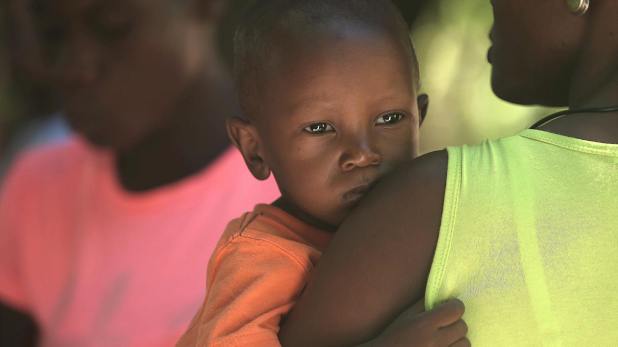
































































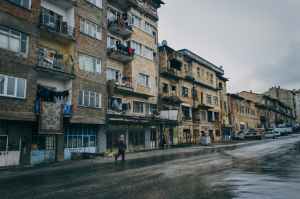






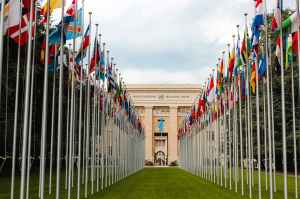


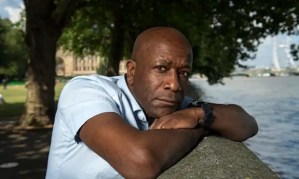

















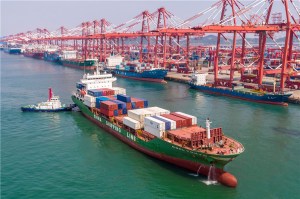
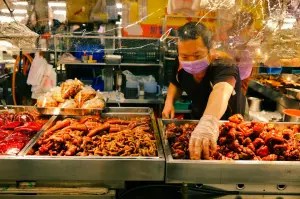

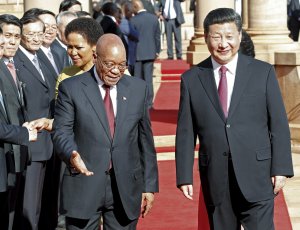





























 GLOBAL COLLABORATION, EMPOWERMENT, LEADERSHIP, WELLNESS, AND RESILIENCE