‘The Difficulties and Complicated Cases of Rape Victims in the Caribbean’

BY R.D.

PART I

He strikes once more: Another warning about sexual assault:

Stuck in traffic on a commuter bus one evening heading home from work, I came across an article published on October 2, 2018, by the Detroit Free Press about two women raped in Jamaica at an exclusive hotel by an employee hired a few days earlier.
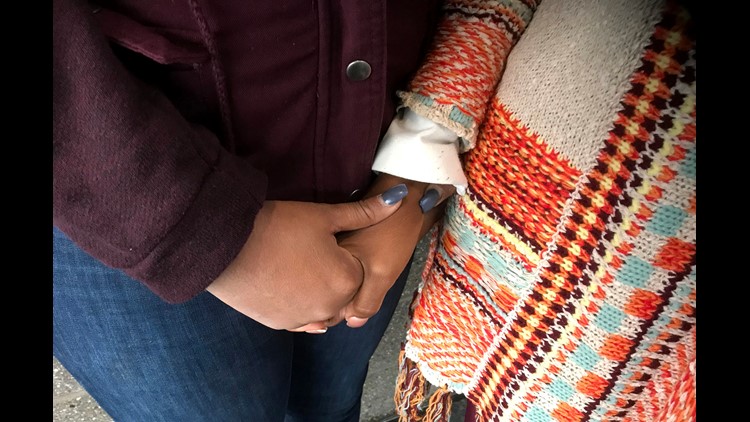
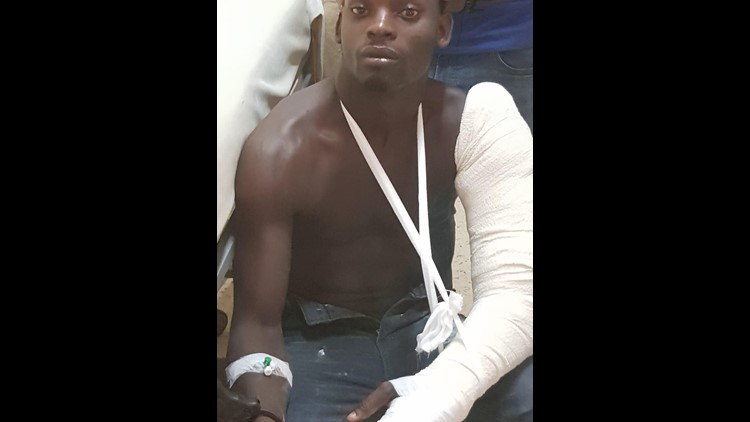
He climbed onto a balcony, carrying a handgun, and committed a heinous act by assaulting both individuals in their hotel room. The victims responded by firing back and injuring him in the arm with his own weapon.

He was caught after he went to a nearby hospital for medical help, and the hospital informed the authorities.

The local authorities apprehended this individual for questioning regarding other alleged rape cases in a neighboring area, but he managed to escape on foot. This search, like countless others before it, led to a disappointing outcome.
Re-victimization might occur from the additional barrier of minimization.

There are those who contend that the issue extends beyond the Caribbean, encompassing multiple incidents and misunderstandings.

The Caribbean region is grappling with the complex issue of effectively addressing sexual violence for decades. One approach used is to shift focus away from unfavorable media attention by minimizing the problem.

It is a common tactic for individuals and even some organizations to employ this approach in order to avoid taking responsibility, but the truth is that, no country can anticipate the specific media coverage related to rape, or sexual assault.

Several reports indicate that the absence of resources and a prevailing sense of despair are contributing factors, especially in situations where there is no collaboration among businesses or local authorities.

The question remains: is there a sex offender registry, and is it helpful for alerting potential employers; even in schools and the community in general to reduce potential risk ?

I connected with a few individuals on social media to discuss the topic. Regrettably, there are some people who refuse to recognize the difficulties that women frequently face when confronted with ignorant who question their responsibility or blame them in cases of rape, hindering their quest for justice.

Studies have shown that in some cases of rape, there is a common assumption that the perpetrator may have used flirting behavior to lure the victim, or that the victim’s clothing or behavior outside the home may have been seen as provocative or promiscuous.

Equally important in finding a safe space for victims to come forward, is important as to debunk the belief that men cannot be raped.

According to experts, one in every five women and one in every 71 men will be raped at some point in their life. This includes 46.4% lesbians, 74.9% bisexual women, and 43.3% heterosexual women. However, let us return to this viewpoint.

The reality

Sexual assault is a serious crime that involves engaging in non-consensual sexual activity against someone’s will, regardless of factors such as location, attire, flirting, or conversation.

What follows when individuals step forward is often a challenging ordeal, particularly when it comes to substantiating their accounts, especially in areas with limited resources. Additionally, there is a prevailing mindset of blaming the victim, and lack of training.

This thinking discourages victims from reporting sexual assault instances and contributes to the isolation of these crimes along these lovely shores. It is critical to address them swiftly and hold those involved accountable.

The claim that silence or the act of reporting it late reduces credibility. Also, when victims refuse aid, this thinking must be corrected.
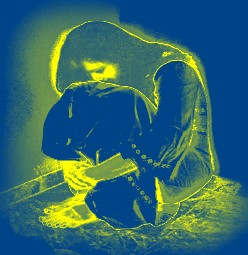
Far too often,  these conversations usually lose sight of the victim, especially if it does not look good for these locations.

As I repeat all the time, I have a few sisters, a ton of nieces and nephews, friends, and family, and some of them had similar experiences.

Approximately 2.6 percent of males have reported being raped or having someone they know or trust try an unwelcome sexual act on them.

Over 81.3 percent of female victims were raped before 25. Yes, shame or taboo masks many of these crimes, and the perpetrators remain in the community. Many will kidnap and murder victims.

Just 25 of every 1,000 offenders, meantime, will face jail time experts have noted.

PART II

Time for a discussion

After the Jamaican event, many victims have bravely shared their personal experiences at some prominent five-star hotels.

This is a widespread problem: a victim shared that her story stayed hidden for many years, as fearful teenagers were afraid of ruining their parents’ beloved vacation. Like many others, she kept her horrific trauma to herself.

What if society quantified the potential long-term effects on her future relationships, perspectives, and mental health, as well as those who did not  survive? Can you give a monetary value on that?

What if these hotels were treated like a college campus?

According to surveys, roughly 28% of college students experienced unwanted sexual contact. It would serve the same purpose as any other sign in deterring crises or raising awareness.

Photo by Athena

Perhaps new welcome packages for all visitors should include a section on how to deal with sexual assaults, suspicion, and unwanted behavior, as well as available resources.

The emphasis, particularly in resorts, is simply on raising awareness, providing adequate services, and providing victims with a safe haven.

The gay and lesbian community has also been the victim of rapes and murders. These cases are up against a tidal wave because many people still consider same-sex relationships to be sinful.

As previously stated, 25 to 35 percent of women will experience rape at some point in their life, with many choosing not to report the occurrence.

Who are those who don’t make headlines?

Every nine minutes, a child falls prey to a terrible fate. Only a small fraction of offenders, 25 out of every 1,000, will be incarcerated. I won’t delve into any further statistics, but I’m sure you understand the concept.

I want to emphasize this point: when faced with these headlines, minimizing the issue or using victims for political gain is not the solution. Take action!

Discover the untold stories of those who have yet to speak up, such as the resilient high school kids. Indeed, Aunt Jane or a young man who continues to sing in the church choir while immersed in the Bible and waiting for the pastor’s verdict could be the one you fear.

Photo by RODNAE Productions

Experts have noted that these individuals are often respected, trusted, and well-known within the community.

Consider an employee whose existence is dependent on the finances who witness these sexual predators on a daily basis in a hostile atmosphere but remains silent due to fear.

I am not shifting from the two victims’ stories, but it opens another door to get to the source of this problem: they will always be violence, but justice and accountability remains important in order to address these issues.

My opinion is that I should use the tools I have not only to combat violence, but also to raise awareness about the topic.

I am concerned about the abrupt disappearance of a local worker, teacher, or student who lacks resources or a voice at the hands of someone familiar with the system, as well as the potential harm posed by predators in the community.

Even after believing her in this situation, what happens?

Some victims have expressed concern that some perpetrators are being released into the community with few or no treatment options.

Sure, there may be new policies to address this issue, but they are never at the right pace for victims or many others.

If they can afford bail, these communities frequently release many offenders back into society.

Unfortunately, some may strike again, not only revictimizing existing victims but also creating new ones. However, we could improve sentencing, particularly in terms of victim rights, rehabilitation, tracking, and swift punishment, to reduce the likelihood of recidivism.

Victims frequently spend several hours at police stations filing an incident, and an opportunity to collect DNA evidence if equipped quickly fades.

Reporting rape or domestic violence incidents is not always handled properly, as some victims report.
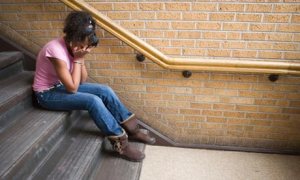
“The victim may have had a relationship with the perpetrators, leading to the overcoming of unrealistic suspicions.”

Here’s the other ridiculous one: they’re married, and these archaic laws need to be changed, and a call to the a pastor won’t do it.

According to reports, many rural courts lack the resources to even order an expert assessment to diagnose and treat these dangerous offenders.

There are concerns about cases being held for extended periods before trial, while some predators are released on bail, free to move like the ocean, only to target victims and re-offend.

Specialized training to handle sensitive cases remains a problem. We conducted some of the victims’ interviews in public. When someone arrives, poorly run and underfunded medical systems lack the skills and authority to guide them.

In an earlier report, it was stated that a foreign student on a study abroad program was sexually assaulted and robbed, and that she was brought to the airport in her pajamas and covered in dried blood after spending nine hours in a hospital.

Ideological shifts or a blame game

How many rape cases in the region resulted in a conviction, were dismissed, or went unresolved? Several women who still live on these islands or have migrated have similar stories but have chosen to remain silent.

Law enforcement, like any other organization, faces challenges in locating and resolving criminal cases due to limited resources.

The Caribbean region and its gated resorts are currently facing a critical juncture in addressing complaints with promptness and efficiency. To effectively address these challenges, it is imperative to prioritize education, training, and accountability.

The US Embassy has also expressed concerns regarding incidental incidents involving sexual assaults in hotel rooms, casinos, and cruise ships. According to a report from 2014, there were unfortunate incidents involving a woman who experienced gang-rape and other individuals who were subjected to sexual assault at the Sandals Resort in the Bahamas.

According to recent reports from Mexico, it has been observed that around 170 tourists experienced health issues, and there have been instances of blackouts involving the use of date rape drugs and contaminated alcohol in beverages.

According to multiple reports, a significant number of Americans, approximately 70, have reported incidents of sexual assault in Jamaica over the past seven years.

Regrettably, numerous narratives like this may fade into obscurity, while more than half a million individuals will revisit these islands for a holiday. However, it has sparked a crucial dialogue and heightened awareness along these shores.

The institutional barriers and the economics of rape:

Tourism has historically been the Caribbean region’s economic motor in former colonial rulers left more of the region.

According to analysts, this business contributes to as much as 40% of the Gross Domestic Product on some islands (GDP)

Managers invest billions of dollars in resources, so while keeping a positive image is important, they must prioritize safety and require accountability to overcome any impediments that could hurt their financial health.

For example, a discussion can delve into hiring managers’ practices and determine whether cheap labor or a connection is more important than a background check.

In all cases, make sure you’re treating everyone fairly, but a thorough background check is essential.

Local managers and human resources must now re-evaluate their hiring policies and practices, even though it is difficult to determine the intent of these predators.

This would have verified that an individual is who they claim to be, and it would have provided an opportunity to check and confirm the validity of someone’s criminal record, education, and employment history.

The island and others with rape cases may not be affected by this international case. It should be a wake-up call, not a tourism embargo. Unfortunately, most victims seek answers privately due to a lack of resources.

However, if there were widespread calls to avoid some of these areas, it might send a different message, even though, as previously stated, it would negatively impact their bottom line.

Furthermore, reports point to the slow pace of the judicial system or overcrowding in corrections as another systemic issue, despite laws that hold offenders accountable for their actions on these islands.

PART III

Do you truly know who committed the crimes?

Then there’s someone you know and trust, like a family member, someone in authority, or a powerful person in the community who everyone looks up to, or someone who has serious mental health issues but has never been treated.

See if you can spot the wolf in sheep’s clothing

You also can’t rule out the possibility that this person was a victim in the past, and because there was no justice or a safe place to tell his story, he sought revenge as a form of payback. This led to gratification and obsession, and eventually, it became an ideology that will never fade.

Many sex offenders, according to reports, have schizophrenia or other psychotic disorders and are three times more likely to have a history of bipolar disorder. 

It’s not an excuse, but it raises the question of what good governance is to prevent this from becoming global news, and this isn’t the first time in Jamaica or the area.

Furthermore, as previously noted, these people’ authority and respect in these communities, as well as failure to collaborate with local law enforcement and other services, frequently equip them with a platform to perpetuate their behavior.

For example, consider a perverted doctor who is more interested in her patients’ underwear than the basic examination, or a teacher who engages and exploits the vulnerability of a young student. 

These microaggressions, like misogyny, carry similar risks as traveling on public transportation with an offender, getting into an unregistered taxi, breaking a window to gain entry, or dealing with this untreated mental illness.

Take action, speak out to change events, demand accountability,

If you have a strong connection to this beautiful location, whether through heritage, roots, or culture, you are unofficial ambassadors, excitedly urging people to visit and enjoy the stunning majesty of this place for their vacations.

Rest assured, there will be a fenced area for safety, exactly as numerous other places, is that correct?

The “Me-Too” movement has given victims a platform to speak out about their horrifying experiences with powerful men who have misbehaved.

Several organizations survived, and the culture endures, despite the fact that few men faced termination or criminal charges.

Feminist movements have highlighted men’s motivation for sexual violence, which is a desire to exercise dominance over women. To lessen the risk to society, we must treat those involved, constantly monitor them, and hold them accountable.

According to experts, treatment for sexual offenders has improved to reduce recidivism. Experts have modified and refined various theoretical and practical models. Accountability and treatment are extremely important for both the victim and the offender.

Incarcerating them without treatment and releasing them back into the community because they don’t age out can have predictable consequences and potentially put the community at risk. Whether castrated or not, they require rehabilitation.

In addition, there should be a national registry that keeps track of these offenders, close monitoring.

When will the next law enforcement operation begin to capture sexual predators, whose dysfunctional brains make them as dangerous as any other high-powered weapon?

While I have no financial or political ties, I believe in humanity, public safety, rehabilitation, and accountability. I should also mention that I write for free.

When others suffer, it impacts us all.

Domestic violence awareness: Another missed opportunity!

BY R.D.

The show must go on, but does it pause domestic violence?

  • I understand that the timing may not be ideal.
  • If not now, when should we pause domestic violence?
  • This is an old story. I get it. However, there are always new victims.
  • They have already been punished; I get that! However, the pain never stops.
  • The victim went back with him. Could it be lack of support and fear?
  • He needs a second chance. That is important, and so are others.
  • The network is not the world’s police, rightfully so.
  • There are many other things to talk about; I will do so.

We’ve missed several personal and business resolutions this year. No one can predict which story will dominate this year’s headlines. However, if history remains our guide, despite today’s cynicism and lack of trust in government and leadership, many communities should be focusing on policies and resources for several women who will become victims this year.

This issue affects extended family, neighbors, schools, and friends; the list goes on.

In late November 2014, the Soul Train music award on Black Entertainment (BET) and Centric TV captured many who tuned in to witness Kool and the Gang receive a lifetime award for their 50 years in the industry, not to be distracted by the glamour, fashion, music critics, or the gossip about who attended with whom. Once the show concluded, the phone rang.

Oh, guess what? Chris Brown showed up! Everyone deserves another chance.

If you don’t have the opportunity to take the next correct steps, how can you overcome certain issues?

But, you know, being accountable is also important, especially when you have a platform where millions of people admire you.

I have always believed that you are your own role model, even if others do not perceive it in that way.

Oh, not even your parents, huh? Oh, I learned from a friend that some individuals actually prefer to receive love from a distance.

Nonetheless, despite his excellent showmanship, and I know when he seeks or receives help, he may one day look back and realize that domestic violence is bigger than a few dance moves. However, as of today, we wondered if his appearance and platform brought back thoughts of Rihanna’s face,” people added.

What if Chris Brown had said, “Violence against women is horrible,” before his performance? Would that have changed anything?”

You may disagree for whatever reason you may have, but the show must go on. It’s time to dance, not focus on your busted lips or blackened eyes.

However, this incident is not about Chris Brown, who assaulted Rihanna a few years earlier.

It is about millions of young teenagers, especially women who normally tune in to watch the show, who may have suffered from the abuse of powerful men. 

Additionally, there are those in the community who don’t have a voice, much less a camera for evidence.

I get it again—millions of records sold. I receive it again; it’s record sales, stupid!

Domestic violence is an epidemic beyond your shores.

One in five women who may have watched these events are either victims or know someone who has been abused, raped, coerced into sex, or subjected to other forms of abuse.

In addition, nearly one in five adolescent girls has been in a relationship where a boyfriend threatened violence or self-harm if presented with a breakup, according to the Washington Coalition Against Violence.

Even the US Army noted an increase in criminal assaults in 2014.

Domestic violence is a persistent problem that profoundly impacts numerous lives. Even in the Caribbean, where silence weaves, the laid-back atmosphere creates a fertile ground for the emergence of pain. Case numbers are staggering, like waves crashing strong against women’s faces, like the ocean’s song.

The Trinidad Express reports that around 11,382 domestic violence cases were filed two years ago.

In Jamaica, research has revealed that approximately 9,000 and 300 sexual assault instances were reported in the same year.

Today, I’m also wondering what would happen if international soca superstar Machel Montano of Trinidad and Tobago, who won an award at the BET Awards, and Jamaica’s Tessanne Chin, a former winner of The Voice USA, were given the opportunity to raise awareness and potential impact with their massive audiences.

Tennessee Chin-Jamaica

Machel Montano-Trinidad & Tobago

Whose responsibility is it?

Television networks have been instrumental in raising social awareness regarding significant matters such as AIDS, technology, fashion, voting, and marriage equality.

These issues have a global reach, especially in impoverished and developing nations, and any rise in awareness can have a substantial impact on society.

This year, we should utilize more cameras to raise awareness about domestic violence in these regions, where it continues to be a critical issue.

This does not imply that every award function and performer bears responsibility for crimes against women, nor should it mandate a permanent disclaimer about domestic violence on the television screen at every event. Nevertheless, with success comes responsibility.

The issue at hand requires a comprehensive national strategy, particularly in impoverished communities where the disparity between the privileged and the underprivileged has been increasing.

This phenomenon is applicable to individuals of all races, cultures, and social classes.

In addition, given the high per capita murder rate observed in various nations within the region, it is worth considering the potential urgency of addressing domestic violence.

The issue is further exacerbated by the prevalence of images in music videos and other contexts that perpetuate a narrow perception of female beauty, despite the ongoing challenges.

We should focus on possibilities in 2015, not on what is popular. Many more global award presentations are scheduled, including the Carnival, Reggae Sun Splash, Grammy, Super Bowl, Golden Globe, and Oscars. Other networks will continue to pursue the “Big Get” by featuring another high-profile domestic abuse story.

These “gets” can provide the misleading impression that because the perpetrators and victim are wealthy and well-known, the problem can be remedied quickly.

In actuality, re-victimization is generally overlooked, although a television rating can skyrocket.

A powerful abuser can be charming. The victim frequently assumes it is a one-time incident. Regrettably, many of these significant stories are merely premeditated statements.

This case is just one of the numerous concealed instances of domestic violence abuse.

In an email, a woman informed me that while she was living in the Caribbean during the 1960s, her first husband subjected her to years of domestic abuse, including rape and physical violence, even while she was sleeping.

He would quickly apologize, but due to a lack of resources and her inability to cope, she accepted the abuse as normal.

When she reported evidence of abuse to the local police department, the officers dismissed her claim, saying, “She must have done something to him.” She also remembered a coworker who wore thick make-up to conceal her bruises and a friend she lost when her husband severed her skull.

Often, it seems that media pundits focus more on the outcomes of this violence rather than addressing its root causes. The victim’s support is paramount, especially for escaping an abusive relationship.

The fear of financial hardship, neglecting children, and safety concerns, along with a lack of support, remains a significant hurdle.

We must disprove the notion that it is acceptable to stay silent out of shame. This only leads to more abuse.

This is what has not moved on:A compilation of studies from the United Kingdom was conducted by an advocate group.

These studies quantified the costs associated with pain and suffering, as well as the expenses incurred for victim services and the reduction in economic output resulting from domestic abuse.

The findings of these studies concluded that domestic violence incurs a total cost of approximately $23 billion for individuals, the state, and businesses.

The Disconnect:

The victim’s race, color, sexual orientation, economic status, or nationality should not lessen the significance of the problem either in 2015 or in the future.

The way some people perceive this epidemic fosters increased intolerance, which is as perilous as the act itself.

In the context of the gay, lesbian, and transgender community, socio-economic status hinders the pursuit of equality for all and poses a significant obstacle to inclusion when facing these challenges.

W We must put an end to the xenophobia that excuses criminal behavior related to domestic violence, as this is deeply concerning.

W When pop superstar Rihanna became a victim, her Barbadian nationality was prioritized over the abuse she suffered. One woman suggested that Rihanna’s Caribbean heritage might have influenced the violent incident. 

“She was overly enamored with this American boy and failed to comprehend his cultural need for space.” Another comment was, “He better watch himself; those island women are crazy.” He just smacked down the Caribbean, and she lost the fight.

When does it become a crime?

Whether a woman is punched in Barbados or Boston should not matter. It hurts everywhere. Furthermore, the narrative needs to change because many commentators suggest that instances of domestic abuse primarily involve Black men and disadvantaged communities.

YOften, you can hear the minimization of domestic abuse cases when the perpetrator comes from a privileged background or culture.

This situation resembles implicit bias that arises from factors such as fame, cultural differences, or national origin.

Domestic violence impacts individuals universally. The objective here is to address and minimize violence against all individuals.

Next Up!

The Taliban massacred over 100 adolescent students in Pakistan for seeking an education, Boko Haram expanded its offensive in Nigeria, gas prices have reached a new low, the president’s approval ratings have risen, Cuba now has a new friend in the United States, the economy has recovered, and society will move on until the next big event.

Global Reaction To The Terrorist Attack On French Newspaper Charlie Hebdo

All geopolitical, criminal, economic, and societal challenges are critical to address immediately, but awareness of domestic violence has quietly diminished from public discourse when other issues surfaced.

Delaying this topic puts many women who have been in toxic relationships for decades at risk.

Domestic violence, like Santa’s Wish, should be a significant theme on popular television.

It is a serious issue in many parts of the world, where criminals often go unpunished and remain unrecognized.

A celebrity’s accusation of this problem may prompt a time-out, the whistle to blow, everyone to see the replay, the live game to resume, society to move on, or someone to serve time in jail to convey a message.

Unfortunately, it is often too late for them to receive help in managing their behavior.

Despite being abused, many continue to move forward and gain authority.

In the present day, an increasing number of women are using their academic accomplishments to create significant change. Women are currently outpacing men in obtaining college degrees.

The majority of consumer purchases, which include automobiles and healthcare, are made by women, accounting for 85% of the total.

According to multiple studies, a significant majority of women—specifically 75%—identify as the primary shoppers for their households.

Additionally, these studies indicate that consumer electronics purchases total $90 billion. If she chooses to stop, my products will remain unsold.

It is critical that more local and international performers use their platforms to raise awareness. When women lose their trust in the judicial system, it can create silence, especially in the poor and developing nations and communities without resources.

Let Tango for safety, and beyond the camera

This year, like a stubborn tree rooted deep in the ground, many people who believe women should only be visible and not heard will cling to their unchanged mindset. Indeed, gender bias will linger like a shadow at dusk, refusing to fade away.

Many abusers will dance back into your life or appear at your local concerts like shadows in the night. Like a sea of stars, millions of young women will be screened, and even you will have the chance to dance, but I hope that at least a few of you will attend, holding a picture of the abused women and their families who have been lost, like whispers in the wind.

We should not view domestic violence as a mere opportunity for transformation but rather as a pivotal moment that allows everyone, including men, to attain safety and comfort.

“I felt as guilty as a cat trapped in a room full of rocking chairs because this article should have been published much sooner.”

Boko Haram is not simply a Nigerian concern; many in your community are under disguise. BY R.D.

Okay, let’s chat: The globe recently took a break, and three weeks later, people from various socioeconomic levels came together.

They were quick to voice their displeasure following the abduction of over 250 Nigerian schoolchildren on April 15, 2014.

And just like that, we have a winner in a narrative that has frequently gone unnoticed due to a lack of awareness or, more likely, them over there issue.

Photo credit: Social media

According to news sources, numerous armed men abducted these students at gunpoint. These were not government officers, but members of the violent Islamic extremist group Boko Haram.

The First Lady of the United States, Michelle Obama, and Islamic leaders condemned this action as barbaric. Malala, a Pakistani girl, has joined the campaign for their freedom. She, too, was shot because she advocated for young girls’ education. Weeks later, over 250 people are still missing, and many are left wondering what will happen next.

On Saturday, May 10, 2014, I attended Howard University’s 146th graduation. Sean P. Daddy Combs, a music artist, gave the commencement speech. Wolf Blitzer, CNN’s anchor, was also in attendance. They both obtained honorary PhDs.

Despite my purpose of being there to support a new generation preparing to make their contribution to society, these young girls were at the forefront of their thoughts as they also demanded their release.

As I observed numerous graduates from various countries, I couldn’t help but consider the number of young women worldwide who were rejoicing in their academic achievements.

It made me reflect on the unfortunate reality that many of these women may go unnoticed and face exploitation before their abilities are recognized by the global community due to barbaric ideology

In practice, Boko Haram has implemented an ideology that opposes the education of women, promoting a militant rule. This recent incident of injustice serves as a stark reminder of its far-reaching impact on society.

This latest endeavor is far from original and, according to numerous scholars, is seen as a component of the modern-day slavery known as human trafficking. Now is the perfect moment to liberate our minds from the chains of mental bondage.

Boko Haram

Across the world, there are numerous groups similar to Boko Haram who are taking advantage of the beautiful Caribbean weather, and elsewhere spending their time on the pristine beaches and in various towns from Aruba to Trinidad and Tobago, including Latin America and beyond.

They do not reside in jungles, forests, or don military attire. Nevertheless, it is worth taking a moment to observe your surroundings, as you may stumble upon some striking resemblances to past events.

Mary Ellsberg spoke on sexual violence against women and girls in Latin America and the Caribbean between the ages of 15 and 49.

She has disclosed data revealing that a sizable proportion of ever-married women had been victims of sexual assault, specifically rape by an intimate partner.

Furthermore, a considerable proportion of women have been sexually abused by someone other than their relationship, both as children and adults. This has had a variety of health effects, including HIV, other sexually transmitted infections, and early pregnancy.

It is not always based on religious ideas, and as experts have pointed out,  the young grirls taken by force,like many others will be sexually exploited, including rape, and trafficking, and some will be forced to have children as teenagers.

Today, there is a multitude of blame to be assigned, ranging from the Nigerian government’s lack of leadership to their initial denial driven by pride, embarrassment, and fear of retaliation.

Despite the warning signs, the government failed to allocate sufficient resources, leaving the parents to seek justice on their own. As a result, some parents have taken it upon themselves to initiate the search.

The message here is not that people in other places should read all the world’s newspapers and make each issue their own. It can be quite easy to trivialize these atrocities, especially if they go unnoticed and no one investigates why they occur.

Location, location, location frequently results in individual alienation. It may also be used to set a value on any given situation because we prefer to assume we are immune to these crimes, but when we educate ourselves outside our borders, it becomes much easier to find these issues next door.

Every year, the US government estimates that 600,000-800,000 people are separated from their families, and millions are kept as forced laborers in their native nations. This enterprise is worth an estimated $10 billion.

According to the United Nations, the average slave auction price is roughly $1,250. The practice extends not only to African and Asian countries, but also up and down the Atlantic and Caribbean Seas, much like illegal drugs.

Furthermore, over 1.2 million children are sold each year, and an estimated 150 million girls and 73 million boys under the age of 18 experience forced sexual intercourse or other forms of sexual violence involving physical contact, with approximately one-third of women aged 20-24 years old in the developing world having been married as children, according to UNICEF and the World Health Organization reports.

Why Boko Haram Matters: When Boko Haram threatens to sell these young girls for less than $10, it is not a pipe dream; it is reality. Can we continue to allow ourselves to be detached?

Some of us frequently characterize this region using selective thinking, believing that only a court may apply sanctions under laws intended to protect children, which can be a sort of marginalization.

Minimization is a normal reaction in times of anxiety, especially when we are helpless and the situation is insignificant to us. For example, suppose I informed you that melanoma is the deadliest form of skin cancer, killing approximately 8,650 Americans each year, and that millions will be afflicted by fake sun-tanning devices.

Yes, several regions do not require such a contraption due to the abundance of natural sunlight. You are probably accurate; personal accountability can be reduced.

Alternatively, when Russian President Vladimir Putin invaded Ukraine and families were disrupted when pro-Russian separatist groups took over government buildings and disrupted normal lives, this may not have been a Caribbean issue, or a few other places, but we should keep an eye on how it may affect your potential travel or other global issues.

On the other hand, if I told you that every year, around 100,000 Americans are victims of gun violence, along with countless others whose lives are forever altered by the deaths and injuries of their loved ones.

You may know someone who has been affected, and only when people speak up can society achieve the change it needs.

In addition, a staggering number of 797,500 children (under the age of 18) were reported missing within a single year of study. This equates to an average of 2,185 children being reported missing every day. Take a moment to reflect on the enormity of this information.

The pervasiveness Boko Haram is more than just a man in army clothes; it represents an ideology, with a name that translates to “deceptive”.

Today, it is imperative for the region to take a closer look at its own internal situation, where Boko Haram poses a threat in local churches, schools, public buses, and town areas.

Tragically, young school students are being subjected to heinous acts such as rape, kidnapping on their way to school, and being coerced into relationships with older men.

According to a 2013 Reuters investigation, Kim, now 89, stated that she was just 15 when a local official abducted her from her hometown in South Korea and sent her to a military brothel where she worked as a sex slave.

Furthermore, some dads, uncles, and elected leaders roam the streets like predators looking for young girls and boys, isolating their spouses via emotional and financial abuse that leaves invisible scars.

Not all ideologies are derived from slavery or colonization. Some civilizations now allow one man to have numerous wives, young girls are sold into marriage at a young age, and female circumcision (female genital mutilation) is practiced. Incest is routine, and women are not permitted to sue for divorce or drive.

Indeed, this region has undergone significant changes, which can sometimes make it more challenging to comprehend.

Thus, certain matters may appear to be mere distractions, embedded in our subconscious, as society progresses or adopts a more accepting mindset that conceals its own significance.

Boko Haram restricts the access to education for young girls. Nevertheless, their actions hit close to home in ways we may not even fathom. A State Department report stated that this organization primarily derives its funding from bank robberies and other criminal activities such as extortion and kidnapping for ransom.

Photo by Pixabay

Is there a resemblance between situations where gang members frequently participate in these unlawful activities? Some individuals have become so influential that local law enforcement is unable to apprehend them or access their communities.

Often, similar to the Nigerian government, it is unfortunate that many impoverished and developing nations tend to downplay and overlook these issues, as I have consistently emphasized throughout this commentary.

However, Boko Haram flourishes in an environment characterized by inadequate leadership, widespread poverty, rampant corruption, limited access to education, and ineffective governance.

In a society plagued by low trust, where justice is skewed in favor of the wealthy, and crimes like domestic and sexual violence go unpunished, the vulnerable are forced into relationships with older men just to survive.

Unsolved crimes, flawed economic policies, and an exclusive educational system only accessible to a privileged few all contribute to the growing power of Boko Haram’s ideology.

Rest assured, these perpetrators will not hold a weapon and could be church members or trusted people of the community with no intention of wreaking havoc in malls. However, they may share the same thoughts as the people and groups on your evening news regarding their abuse and harm to young people, particularly young ladies.

Imagine telling a mother that her child went missing while on his way to school, and all she knows is that he is still alive.

While 250 young girls have not gone missing from the beaches or nearby schools in a one day, even one missing each day in the vicinity adds up over time. What’s the deal with the lack of uproar in this situation?

Looking ahead:

The United Nations has long-established rules to prevent, combat, and punish human trafficking. However, the enforcement of these legislations does not adequately safeguard victims, especially in areas with little resources to provide necessary help. Boko Haram thrives when the community fails to help those in need, leaving them vulnerable and unprotected.

Several writers have noted that protecting trafficked children requires timely victim identification, placement in a safe environment, social aid, health care, psychosocial support, and reintegration into family and society.

In some ways,  these families have undergone a lifetime of agony, and governments alone do not always have the resources or capability. On the other hand, some leaders appear concerned about their image on the evening news and do not propose actions or tougher sentences for child abusers.

Finding these girls in the terrain is a difficult task, as is navigating these waters to destroy Boko Haram. It will require collaboration between psychology, economic policy, and criminology to design the type of future that people desire.

Finally, President Goodluck Jonathan of Nigeria has requested assistance. The Obama administration and the international community have struck an agreement.

Today’s leaders must undertake a gap analysis and seek help in eliminating their own Boko Harams before it’s too late.

These victims are caught up in geopolitical, religious, criminal, economic, and social issues; but, doing nothing is more perilous, and Boko Haram may be closer than you realize.