COVID-19’s vaccine, politics, and socio-economics: Are Caribbean nations pricing themselves out of future visits?

BY: R.D.

Part I

The hidden economic engines that left town

Tourism has historically been the Caribbean region’s economic motor in former colonial rulers left more of the region.

It is the world’s most tourism-dependent country region, according to the World Travel and Tourism Council (WTTC) and the United Nations World Tourism Organization.

According to analysts, this business contributes to as much as 40% of the Gross Domestic Product on some islands (GDP). Since COVID-19, travel expenditures have decreased by an astonishing 42% (about $500 billion).

International travel and business travel had the biggest losses, with analysts estimating that international travel spending decreased by 76% and business travel spending decreased by 70%, respectively.

As unemployment rose and the domino effect persisted around the world, local businesses that had benefited from tourists were forced to close their doors even further.

It appears that every small business operation has dried up, and only a few of the fittest have a chance to maintain a normal standard of living.

Photo by Nathan Cowley

The levy that was previously in place has been relocated.

A few decades ago, some of these countries had robust economies. Sugar, banana, coffee, poultry, and bauxite companies, as well as a variety of other businesses, were critical to the area’s economic existence.

Globalization and technological advancement resulted in the selling of numerous businesses to foreign investors, as well as the transfer of personnel to save costs. However, according to numerous accounts, some of this global change was self-inflicted as a result of weak governance, as several leaders would concede.

Experts attribute the disinvestment to a range of factors, including decreased labor costs, increased tax benefits, the facility no longer having enough space to suit their needs, unforeseen business challenges, employee safety concerns, and the finding of better talent. Millennials, for example, possess young, innovative talents.

These jobs served as an economic engine, providing a safety net for what would have been the middle class today, which no longer exists, as well as others from a local mom-and-pop store strategically tucked on a tight road.

Photo by Skitterphoto

Many enterprises that had lasted for a decade at the expense of local communities either lost their competitive price or failed owing to enormous imports, poor management, lower output, and corruption.

These industrial closures have had an impact on neighborhoods that rely on small businesses like retail shops, restaurants, pubs, and street vendors.

It has widened the wealth gap and increased unemployment, particularly in the Caribbean’s dominant islands of Trinidad and Tobago, Guyana, Haiti, Dominica, Jamaica, and the Bahamas, as well as in other parts of Latin America that were already in dire need of economic stimulus.

Furthermore, regardless of whether political party is in power, the social division has risen with each successive generation, as have poverty and inequality.

Today, it appears that many philanthropic organizations are seeking donations rather than providing a space for the next generation to generate new ideas, which is critical to the long-term sustainability of these shores.

Taking from Peter to Pay Paul: A fine line to walk in terms of their own economic servitude:

According to analysts, COVID-19 has created a twofold economic shock compared to the 2008 financial crisis.

According to the IOM UN Migration, visiting and spending outside protected tourist zones is comparable to direct remittance, with countries like Haiti, the Dominican Republic, Guyana, and Jamaica accounting for almost USD 10 billion yearly.However, due to the worldwide shock, this number has also decreased.

Since the pandemic, commodity prices have risen globally, as have the prices of building materials and even school supplies.

Furthermore, as evidenced by a slew of leading economic data, supply chains exacerbated volatility in import, export, and producer prices.

Photo by Karolina Grabowska

Nations that were unprepared, on the other hand, continued to suffer the most. Many people blame lockdown for their ongoing financial difficulties, but it is not the only issue.

There have been reports of massive fare increases when taking a local taxi from an airport to a hotel since the COVID-19 pandemic. 

The pandemic has severely impacted unemployment and the service industry, leaving many local food banks unable to meet needs.

I’m here to report on what this reality has produced and how it has affected people, not to debate who should have done more to help when it was necessary.

The cost of excursion trips has nearly doubled, according to reports. Some of these businesses were already struggling financially prior to the outbreak. 

It’s as if you’re simply covering the expenses of those who are afraid to travel.

A simple COVID-19 test, which few argue is required for travel, usually costs between $20 and $35 USD.

According to recent visitors who visited Jamaica, returning on a flight can cost around US$80.00, though this varies depending on location.

Photo by Polina Tankilevitch

Many travelers have expressed concern that local customs officials appear to be using luggage fines to generate extra revenue while strategically targeting citizens.

A few ex-pats expressed concerns about shipping items ahead of time, citing increased hassle and the extremely high cost of customs clearance. 

The pandemic appears to have imposed several fines to make up for lost revenue from other activities.

Furthermore, after inspecting luggage, report any missing items to clear check-out. 

After receiving a fine for leaving items with a sale tag at the airport checkout, one traveler and her family decided not to return anytime soon.

It is not unusual for a group of locals to take a vacation to shop for new clothes. 

These visitors, who have families on these shores, often buy items with the intention of giving them away or returning them if they are unworn.

Furthermore, even bringing a few extra boxes of protected masks to help Aunt Jane was considered a business trip, and the imported ones at some local stores are significantly more expensive than she had paid elsewhere.

Prices can frequently differ from those of a nearby store a few steps away, particularly for basic food supplies, with little enforcement exacerbating the economic difficulties.

Unfortunately, it appears to be a missed opportunity for previously lost revenue and will discourage future trips, particularly for budget-conscious travelers willing to take the risk during this period of uncertainty and anxiety.

Part II

The truth or reality behind the masks

According to experts, as the global cost of living rises, the pandemic remains unpredictable, and vaccine skepticism persists, even among those who may have received the first dose, more families will fall further into poverty.

Photo by Maksim Goncharenok

The issue may not be with the number of people still on the road who are violating established restrictions aimed at slowing the spread of this disease.

COVID-19 survival is comparable to running a clandestine company. As a result, a sizable audience marches in time with the beat of their drums.

Many argued that the risk is worth taking in order to feed their children and pay their bills in the face of insufficient government assistance.

A few residents observed that only well-connected, wealthy politicians can afford self-quarantine, have access to healthcare, and live a normal life. 

Many impoverished individuals, previously excluded from the local economy, now face the wrath of an outsider, particularly those who resist vaccination.

Some people are frustrated because they perceive a division between those who have access and are almost certainly already vaccinated, while others appear to be blaming those who violate rules, demonstrate an extreme need for economic assistance, or who brought the virus to the region or spread it locally.

It is difficult to balance the need to open resorts and ports for economic gain with the need to avoid responsibility for the virus’s potential risk, regardless of who is carrying it.

While adhering to the guidelines is critical for visitors and residents alike, I feel that anyone who has tested positive for COVID-19 or has other medical conditions and is aware of potential medical complications would not jeopardize their lives. 

Additionally, as previously reported, there is a lack of vital resources, including enough ventilation and adequate bed space, as well as challenges in navigating healthcare systems that have outlived their elderly population and the unpredictable nature of healthcare expenses.

There is growing concern among local residents that healthcare systems are already overwhelmed with the task of meeting critical demands.

Furthermore, the surge in patients has put numerous local hospitals to the test. However, the pandemic has also revealed inefficiencies in other crucial areas that were already in place prior to COVID-19.

Overcrowding at a local hospital

If families are vaccinated as recommended, these countries will be able to recover considerably sooner, scientists say.

The difficulty in striking the right balance

The pandemic has divided many communities, with local officials debating whether businesses should remain open or temporarily close.

Managing pandemic danger while maintaining economic viability requires a delicate balancing act.

Some people said the confusion was exacerbated by the lack of consistency in local guidelines, which ranged from determining which companies would be closed to enforcing curfews and closing streets.

As I previously stated, tourism is a significant driver of many of these local economies. Managing the influx of visitors, some of whom may be unvaccinated, as well as the economic impact on the local economy if all are barred from landing, according to numerous local reports, is a difficult task.

When it comes to decision-making, the pandemic has put authorities in a bind. Closing the local economy necessitates a delicate balancing act, as others will perish due to the lack of an economic vaccine.

Even though many residents have observed social distance, wear masks, and have been vaccinated, frustration persists.

R.D.

According to reports, some visitors were restricted, whereas others were free to move around and party, not following safety protocols and were leaving secured areas.

Furthermore, many argue that leaders are using these times of fear, anxiety, and economic uncertainty to gradually push toward despotic political power through restrictions.

Photo by Monstera

Though it may not be a call to limit democracy for public health, freedom comes only from knowledge, and reasonableness is only possible if talk leads to agreement.

PART III

Behind the mask are the unseen victims of unvaccinated economics.

Local communities are coughing up an economic virus that has been dormant for decades, on top of a fragile system that had a bad cold for decades.

The pandemic has cast a spotlight on the region’s governance, exposing the region’s vulnerable labor force, mismanagement, and poverty.

Even though the whole region can’t be blamed for today’s inflation, supply chain problems, or COVID-19, it looks like some leaders have been playing economic poker.

It’s just that no one predicted the outcome of the dealt hand or the resolution of their nation’s economic problem. On the other hand, with the same deck of cards, each election cycle delivers a more secure promise.

Photo by Julia Volk

Many politicians and other well-connected individuals in these emerging and poor countries are like casino dealers; they always win. Thus, the pandemic has less of an impact on them because they are salaried employees paid by the public.

Several reports have detailed the spending, management, and overall accountability of COVID-19 funds. When there is a history of reported corruption woven into public service decisions, the reality is that this is what happens.

It’s not uncommon to see some leaders minimize or deflect when they have to justify numbers or compare audits to other countries in order to ease accountability concerns. However, the country’s independent accounting system conducts the investigation.

As the cost of food, utilities, public transportation, and even government services like vehicle registration and taxes goes up, many families are already having a hard time because they can’t afford to pay for these things. 

In many poor and developing countries, wages haven’t changed for years, so families have to make some sacrifices to keep up with rising costs.

Today, more individuals are concerned about inflation, growing living costs, job shortages, and food insecurity, all of which have contributed to increased economic fever and financial issues.

Today, not only do privately owned taxi and bus drivers require a booster shot, but so does a local shop outside the tourist protected zone.

The dynamics of youth and how to best serve them:

According to specialists, this is beyond the time when a vaccination will be available for that demographic or when students will be ready to return to a sense of normalcy in the classroom, which is crucial for their education and mental health.

Many students struggle to meet crucial academic standards due to a shortage of resources, forcing some to return to already overcrowded classrooms.

According to some estimations, three out of every four young adults are unemployed.

One of the few areas to find work is in contact centers, where many educated young people queue up to work.

Photo by Sora Shimazaki

Because of high unemployment and a weak currency, fewer middle-class people and more people living in poverty are committing crimes like robbery, murder, and assault.

Others struggle with massive student loan debt and a lack of career opportunities.

A small off-grid house from a low-paying job is becoming more and more difficult, and COVID-19 seems to have made it even harder.

Who is speaking for you at the table?

Nurses, doctors, and scientists have a critical role to play in educating the public about vaccination and vaccine safety. Rather than politicians, they are the ones on the front lines.

In addition to informing patients and their caretakers about the advantages and safety of vaccinations, they also provide information on the dangers.

Some people who are reluctant to get vaccinated because of religious views, distrust of their leaders, or ignorance may benefit from talking to a small support group about the vaccine.

According to reports, the United Nations World Tourism Organization (UNWTO) met to discuss a global coordinated partnership on the impact of the coronavirus on global travel and tourism, but who at the table represents impoverished nations?

Photo by August de Richelieu

We can only hope that future elections, regardless of location, do not sell or use this vaccine as a political platform.

Should society  fail to secure vaccine equity, as the majority of experts recommend, to prevent the virus from spreading, the consequences will be dire.

I agree that immunity may be the only solution to mistrust and or poor leadership.

Here comes the sun

The sun will rise again on these lands, and price increases may not be necessary if people follow the science and recommendations.

Despite the risk of contracting COVID-19, many people will continue to travel to reconnect with their history, whether for cultural reasons, business, vacation, or just a mental break.

Travel reports say that before COVID-19, a lot of people were going to places like the Caribbean, Europe, North America, and parts of Asia.

Additionally, trips to historic sites and cultural events in big cities are becoming increasingly popular as an addition to traditional beach vacations.

Photo by Natasa Dav

There must be a balance that permits everyone to navigate this recent major transition; locals, as well as entering and departing guests, must work together to ensure that no one feels excluded or under pressure to preserve a feeling of normalcy.

After duty, I’ll see you soon, with or without this mask! .. Keep yourself safe!

R.D.
One-Time
Monthly
Yearly

Make a one-time donation

Make a monthly donation

Make a yearly donation

Choose an amount

$5.00
$15.00
$20.00
$5.00
$15.00
$100.00
$5.00
$15.00
$100.00

Or enter a custom amount

$

Your contribution is appreciated. It will support, professional endeavors including civic engagement and professional development, nonprofits, and community organizations.

Your contribution is appreciated.

Your contribution is appreciated.

DonateDonate monthlyDonate yearly

2014 World Cup Soccer, more than a game in (Brazil)

BY R.D. MILLER

The Global Colors

Every four years, millions of supporters attend watch parties in public parks and bars to ensure the best of the best players compete for bragging rights until the next four years. However, beneath the vibrant hues, beers will be consumed, food will be provided, and billions of dollars will be spent and blown like a whistle.

Wherever it is played, this fascinating game, event, never seems to be without controversy. These debates include a wide range of topics, including soccer or football, corruption, and the socio-economic role it should play in our society.

Regardless of the difficulties, and social and economic debate, the teams’ colors will be taken over our televisions, iPhones, tablets, and iPads like a rainbow. Underneath it all, residents are crying out for a new economic canvas to modernize and lift poor people out of poverty, and other racial disparities.

Football is a global sport that originated in England but was renamed soccer in the United States and this game brings people together regardless of race, class, or socioeconomic status. Starting a game is not prohibitively expensive.

However, the wealth gap is wider than the distance between the two goal lines in which these games are being played, whereas poverty is closer than the two goalposts.

According to several reports, other issues such as crime, unsolved killings, unemployment, and an ever-widening gap between the haves and the have-nots could benefit from the new direction.

Many people may be wondering if, after the final whistle, the oppressed will still be asking for economic referees for a penalty on some of their leaders who have not been given a card for foul plays.

Protests frequently erupt in response to the poor socioeconomic issues surrounding these games. The games continue, but the turmoil lingers.  

These issues will resurface like the sea rushing back to the shores to recreate the sand paths that eroded from ongoing debris.

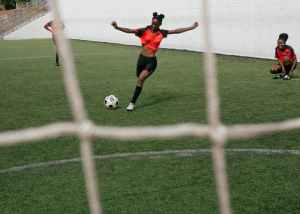
Photo Credit: Reuters

Several demonstrators said that “they have overlooked the local economic problems in Brazil.” This color will appear to be broadcast to the rest of the globe and will be vibrant, but  Brazilians and their shaky economy are under scrutiny.

The expertly designed visuals that emerge from the periphery will leave a lasting impression.

The Economics:

These games are being led by the International Association Federation of Football (FIFA). It is a billion-dollar industry, and throughout this region, the games are ubiquitous.

To prepare for the 2014 World Cup, they spent an estimated cost of up to US$11 billion — while the Brazilian economy remains stagnant. However, the government has predicted that it will be a net positive for the overall economy, stemming from event-related services among several industries.

Frequently, these public expenditures fail on a far larger scale because, once the fans have left and the multi-million dollar stadiums are empty, the locals are left with the debt load.

Credit -FIFA

Forbes magazine has reported that (FIFA) will generate about $4 billion in revenue. However, more needs to be done to promote social programs to cut poverty and not the appearance of forcing local economies to stretch their budgets to accommodate their demands.

Wherever FIFA places its goalposts, it is always under the microscope. Recently published in a British magazine, the organization is being investigated for corruption and bribes related to the Qatar 2022 bid.

The Social Impact

The World Cup has long been surrounded by a socio-economic debate. South Africa encountered similar questions in 2010 about how much money its government spent that could have been used to alleviate poverty.

Despite setbacks, such as England, Italy, and Australia’s early departures, the World Cup is bigger than its venue. The stage, however, remains where players and supporters use the event to highlight their countries, send statements, diplomacy, and reconnect with compatriots who may have been rivals or teammates playing for different football clubs.

This is like a family reunion before they return to business, and lifelong friendships are formed, between many countries and some with no diplomatic ties and cultural divides rooted in political conflicts.

The game, though, has far more ramifications than just 90 minutes on the pitch. Even among nations that may never meet, it broadens communities, economy, discipline, teamwork, acceptance, talent, and diplomacy.

The other Brazils are off the pitch.

Many rich club managers, as in many other professional sports, seek out young players from many countries to develop, and many from South America, Africa, Europe, and Asia became the face of the global sport.

However, for every ten players who have risen from poverty, many are still pining for referees or a respectable ball and pitch to envision a future on the big stage.

Soccer, sometimes known as football, has produced several international stars and helped to lift families out of poverty.

Some of their stories are similar to those of players in the National Football League (NFL), the National Basketball Association (NBA), baseball, and a variety of other professional sports.

FIFA has a track record of putting together successful tournaments. The game between the United States and Portugal received one of the greatest ratings, with upwards of 21 million people tuning in according to reports.

Imagine if these fans compel FIFA to ensure that the future goal posts are placed in an economically balanced manner.

For many youths, a soccer/football field and now “pitch” was critical to stay off the streets after school.

Although not all young players became stars, the friendships gained, and lessons learned lasted a lifetime.

The millions made by players who escaped slums (ghettos) were rarely spent back in the neighborhoods where it all began in some locations.

There are various communities of improvised youths yearning for education, decent affordable medicines, and safety underneath these targeted players.

Our society has been transforming, such as gentrification, as it has become more varied, which can lead to tension and even greater isolation.

Perhaps it is time for an economic and social package in these impoverished communities

Many reports reveal that if black Brazilians could go on a boat and escape, they would be safer on a soccer pitch since, aside from the economic stagnation, they kill more blacks at an alarming pace.

Overall crime has declined, but the number of violent deaths recorded has not decreased, particularly among black individuals.

Even though the homeless people are everywhere, with ongoing division and widening gaps between the haves and the have-nots, and who always tends to be on the street in greater numbers, as studies have shown, people of color.

Unfortunately, it does not take a world cup to see that these issues persist, and they do not go away after the goals are scored, the new high-end building is constructed, the celebrations conclude, and the nets are lowered.

Without a solid economic plan that will help all who are in need, poor people will always have a half-side call usable to move forward.

The Social Responsibility

With success comes responsibility, and despite the Beautiful Game’s efforts to break down barriers, some players continue to face discrimination. Some fans refer to niggers, monkeys, and bananas as game symbols.

Recently, Italian star Mario Balotelli spoke out after being subjected to racial slurs from a few fans, and more players must follow suit.

Soccer Star-Mario Balotelli

FIFA should know how to help combat these issues. It has been around since 1904 and now has over 300,000 clubs and millions of players around the world.

FIFA is excellent at managing global operations. However, as our society becomes more diverse, and isolated by ideology and personal interests, it will need more than building stadiums.

Equality, discrimination, and a platform for players to speak when issues threaten to reduce the next generation of players.

Often, I join a few new fans at the local sports bars who seem intrigued with long pauses when they realize a few teams starting at 11 such as the French, and Germans; the Italians have black players, and some are Muslims. It is more than a game, and awareness is key.

The reality

Many South and Latin American teams have returned home for the 2014 World Cup, and the celebrations have been spectacular.

CNN photo credit

However, there is a dark side lurking just north of these games off the Atlantic Ocean in some countries, thousands of children who have fled their countries where a few dominating stars call home.

The majority of these orphaned children are under the age of ten and are being held in detention camps along the US-Mexico border. According to reports, up to 90,000 people came from Honduras, Colombia, and Guatemala.

These young people fled to avoid sexual violence and other inhumane treatment and to escape crimes against humanity.   No one knows what the long-term physiological repercussions will be, but studies have shown that it can be devastating.

Football organizations and their players cannot be the world police, but with success and global appeal comes the responsibility to speak out in times of humanitarian crisis.

Billions of dollars are spent to create perfect images, while others look for the next Latin superstar to fill their stadiums through ticket sales.

Unfortunately, some are still outside the gated walls where these games are being played, preparing to make the perilous journey North+.

Extra Minutes :

These extra minutes added to games have the potential to generate more revenue for FIFA. However, in a few weeks, the cameras will be turned off, and well-dressed immigrant men and women from television networks with a few selected feel-good stories will leave town, surrounded by security as if they were in a war zone.

Photo by RF._.studio on Pexels.com

There will be more games and many will have to navigate drug and crime-infested areas to reach a local field in the hopes of rising out of poverty to help their families, with little time left on the clock.

Today, I’m wondering if our socioeconomic polarization and disparities in inequality have harmed our imagination. Perhaps other major league sports programs should do more because, like Brazil, they give you the impression that someone is keeping an eye on us you for the next star, but are they seeing what is going on around some of the thorny issues?

The final whistle

When the final whistle blows, some of the players will have to pass through their impoverished towns and cities, which are rife with violence. Before FIFA looks for the next venue, it should look for ways to improve its balance sheet as well.

It must ensure that the community’s economic impact benefits everyone, regardless of color, class, race, or socioeconomic status, because the next 100 years can only be beautiful if it is more than just a game.

After the matches are played and the pageantry is over for poor people of color, the struggles continue.

Boko Haram is not simply a Nigerian concern; many in your community are under disguise. BY R.D.

Okay, let’s chat: The globe recently took a break, and three weeks later, people from various socioeconomic levels came together.

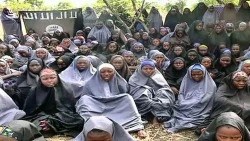
They were quick to voice their displeasure following the abduction of over 250 Nigerian schoolchildren on April 15, 2014.

And just like that, we have a winner in a narrative that has frequently gone unnoticed due to a lack of awareness or, more likely, them over there issue.

Photo credit: Social media

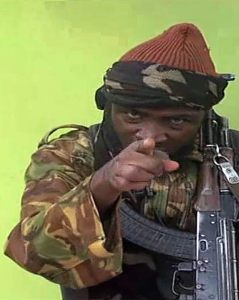
According to news sources, numerous armed men abducted these students at gunpoint. These were not government officers, but members of the violent Islamic extremist group Boko Haram.

The First Lady of the United States, Michelle Obama, and Islamic leaders condemned this action as barbaric. Malala, a Pakistani girl, has joined the campaign for their freedom. She, too, was shot because she advocated for young girls’ education. Weeks later, over 250 people are still missing, and many are left wondering what will happen next.

On Saturday, May 10, 2014, I attended Howard University’s 146th graduation. Sean P. Daddy Combs, a music artist, gave the commencement speech. Wolf Blitzer, CNN’s anchor, was also in attendance. They both obtained honorary PhDs.

Despite my purpose of being there to support a new generation preparing to make their contribution to society, these young girls were at the forefront of their thoughts as they also demanded their release.

As I observed numerous graduates from various countries, I couldn’t help but consider the number of young women worldwide who were rejoicing in their academic achievements.

It made me reflect on the unfortunate reality that many of these women may go unnoticed and face exploitation before their abilities are recognized by the global community due to barbaric ideology

In practice, Boko Haram has implemented an ideology that opposes the education of women, promoting a militant rule. This recent incident of injustice serves as a stark reminder of its far-reaching impact on society.

This latest endeavor is far from original and, according to numerous scholars, is seen as a component of the modern-day slavery known as human trafficking. Now is the perfect moment to liberate our minds from the chains of mental bondage.

Boko Haram

Across the world, there are numerous groups similar to Boko Haram who are taking advantage of the beautiful Caribbean weather, and elsewhere spending their time on the pristine beaches and in various towns from Aruba to Trinidad and Tobago, including Latin America and beyond.

They do not reside in jungles, forests, or don military attire. Nevertheless, it is worth taking a moment to observe your surroundings, as you may stumble upon some striking resemblances to past events.

Mary Ellsberg spoke on sexual violence against women and girls in Latin America and the Caribbean between the ages of 15 and 49.

She has disclosed data revealing that a sizable proportion of ever-married women had been victims of sexual assault, specifically rape by an intimate partner.

Furthermore, a considerable proportion of women have been sexually abused by someone other than their relationship, both as children and adults. This has had a variety of health effects, including HIV, other sexually transmitted infections, and early pregnancy.

It is not always based on religious ideas, and as experts have pointed out,  the young grirls taken by force,like many others will be sexually exploited, including rape, and trafficking, and some will be forced to have children as teenagers.

Today, there is a multitude of blame to be assigned, ranging from the Nigerian government’s lack of leadership to their initial denial driven by pride, embarrassment, and fear of retaliation.

Despite the warning signs, the government failed to allocate sufficient resources, leaving the parents to seek justice on their own. As a result, some parents have taken it upon themselves to initiate the search.

The message here is not that people in other places should read all the world’s newspapers and make each issue their own. It can be quite easy to trivialize these atrocities, especially if they go unnoticed and no one investigates why they occur.

Location, location, location frequently results in individual alienation. It may also be used to set a value on any given situation because we prefer to assume we are immune to these crimes, but when we educate ourselves outside our borders, it becomes much easier to find these issues next door.

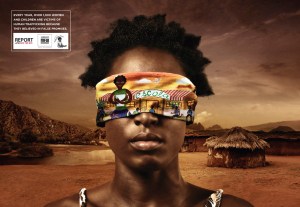
Every year, the US government estimates that 600,000-800,000 people are separated from their families, and millions are kept as forced laborers in their native nations. This enterprise is worth an estimated $10 billion.

According to the United Nations, the average slave auction price is roughly $1,250. The practice extends not only to African and Asian countries, but also up and down the Atlantic and Caribbean Seas, much like illegal drugs.

Furthermore, over 1.2 million children are sold each year, and an estimated 150 million girls and 73 million boys under the age of 18 experience forced sexual intercourse or other forms of sexual violence involving physical contact, with approximately one-third of women aged 20-24 years old in the developing world having been married as children, according to UNICEF and the World Health Organization reports.

Why Boko Haram Matters: When Boko Haram threatens to sell these young girls for less than $10, it is not a pipe dream; it is reality. Can we continue to allow ourselves to be detached?

Some of us frequently characterize this region using selective thinking, believing that only a court may apply sanctions under laws intended to protect children, which can be a sort of marginalization.

Minimization is a normal reaction in times of anxiety, especially when we are helpless and the situation is insignificant to us. For example, suppose I informed you that melanoma is the deadliest form of skin cancer, killing approximately 8,650 Americans each year, and that millions will be afflicted by fake sun-tanning devices.

Yes, several regions do not require such a contraption due to the abundance of natural sunlight. You are probably accurate; personal accountability can be reduced.

Alternatively, when Russian President Vladimir Putin invaded Ukraine and families were disrupted when pro-Russian separatist groups took over government buildings and disrupted normal lives, this may not have been a Caribbean issue, or a few other places, but we should keep an eye on how it may affect your potential travel or other global issues.

On the other hand, if I told you that every year, around 100,000 Americans are victims of gun violence, along with countless others whose lives are forever altered by the deaths and injuries of their loved ones.

You may know someone who has been affected, and only when people speak up can society achieve the change it needs.

In addition, a staggering number of 797,500 children (under the age of 18) were reported missing within a single year of study. This equates to an average of 2,185 children being reported missing every day. Take a moment to reflect on the enormity of this information.

The pervasiveness Boko Haram is more than just a man in army clothes; it represents an ideology, with a name that translates to “deceptive”.

Today, it is imperative for the region to take a closer look at its own internal situation, where Boko Haram poses a threat in local churches, schools, public buses, and town areas.

Tragically, young school students are being subjected to heinous acts such as rape, kidnapping on their way to school, and being coerced into relationships with older men.

According to a 2013 Reuters investigation, Kim, now 89, stated that she was just 15 when a local official abducted her from her hometown in South Korea and sent her to a military brothel where she worked as a sex slave.

Furthermore, some dads, uncles, and elected leaders roam the streets like predators looking for young girls and boys, isolating their spouses via emotional and financial abuse that leaves invisible scars.

Not all ideologies are derived from slavery or colonization. Some civilizations now allow one man to have numerous wives, young girls are sold into marriage at a young age, and female circumcision (female genital mutilation) is practiced. Incest is routine, and women are not permitted to sue for divorce or drive.

Indeed, this region has undergone significant changes, which can sometimes make it more challenging to comprehend.

Thus, certain matters may appear to be mere distractions, embedded in our subconscious, as society progresses or adopts a more accepting mindset that conceals its own significance.

Boko Haram restricts the access to education for young girls. Nevertheless, their actions hit close to home in ways we may not even fathom. A State Department report stated that this organization primarily derives its funding from bank robberies and other criminal activities such as extortion and kidnapping for ransom.

Photo by Pixabay

Is there a resemblance between situations where gang members frequently participate in these unlawful activities? Some individuals have become so influential that local law enforcement is unable to apprehend them or access their communities.

Often, similar to the Nigerian government, it is unfortunate that many impoverished and developing nations tend to downplay and overlook these issues, as I have consistently emphasized throughout this commentary.

However, Boko Haram flourishes in an environment characterized by inadequate leadership, widespread poverty, rampant corruption, limited access to education, and ineffective governance.

In a society plagued by low trust, where justice is skewed in favor of the wealthy, and crimes like domestic and sexual violence go unpunished, the vulnerable are forced into relationships with older men just to survive.

Unsolved crimes, flawed economic policies, and an exclusive educational system only accessible to a privileged few all contribute to the growing power of Boko Haram’s ideology.

Rest assured, these perpetrators will not hold a weapon and could be church members or trusted people of the community with no intention of wreaking havoc in malls. However, they may share the same thoughts as the people and groups on your evening news regarding their abuse and harm to young people, particularly young ladies.

Imagine telling a mother that her child went missing while on his way to school, and all she knows is that he is still alive.

While 250 young girls have not gone missing from the beaches or nearby schools in a one day, even one missing each day in the vicinity adds up over time. What’s the deal with the lack of uproar in this situation?

Looking ahead:

The United Nations has long-established rules to prevent, combat, and punish human trafficking. However, the enforcement of these legislations does not adequately safeguard victims, especially in areas with little resources to provide necessary help. Boko Haram thrives when the community fails to help those in need, leaving them vulnerable and unprotected.

Several writers have noted that protecting trafficked children requires timely victim identification, placement in a safe environment, social aid, health care, psychosocial support, and reintegration into family and society.

In some ways,  these families have undergone a lifetime of agony, and governments alone do not always have the resources or capability. On the other hand, some leaders appear concerned about their image on the evening news and do not propose actions or tougher sentences for child abusers.

Finding these girls in the terrain is a difficult task, as is navigating these waters to destroy Boko Haram. It will require collaboration between psychology, economic policy, and criminology to design the type of future that people desire.

Finally, President Goodluck Jonathan of Nigeria has requested assistance. The Obama administration and the international community have struck an agreement.

Today’s leaders must undertake a gap analysis and seek help in eliminating their own Boko Harams before it’s too late.

These victims are caught up in geopolitical, religious, criminal, economic, and social issues; but, doing nothing is more perilous, and Boko Haram may be closer than you realize.

Commentary: Celebrity and criminal justice: A test of the Jamaican criminal justice system`

BY R.D.

More that just a trial

Jamaica-Reggae Super Star, VYBZ Kartel- Photo Credit-Carib Photo

The anticipated verdict focused primarily on the Jamaican justice system’s handling of the last disposition, its far-reaching impact on celebrity justice, the treatment of victims, and the message it would send to the next generation, where trust in the criminal justice system is often low.

The trial was larger than the prosecutors, defense counsel, witnesses, law enforcement, how they gathered and preserved evidence, or the lack of communication and proper rules.

Although the Vybz Kartel case did not receive the same worldwide notoriety as the O.J. Simpson case in 1995, A number of individuals in the Caribbean closely monitored this case to determine the outcome of justice.

Quietly, to many, this public case brought back memories of earlier ones in which earlier politicians and the rich and powerful people in the region often walked away free, even when the evidence pointed out that a crime had occurred.

This is not to say that all rich, famous, and powerful defendants were guilty in all earlier cases. However, as many Jamaicans waited in anticipation of the verdict, the alert for civil disobedience and vigilante justice was high.

A test of the judiciary system

Luckily, amidst a divided nation and a high-stakes trial, the Jamaican judiciary system demonstrated its resilience by upholding order following the verdict.

It was truly remarkable how people managed to gain a deep understanding of the jury system and the intricacies of the court process, thanks in large part to the invaluable contribution of the media.

Often, in regions where poor economic conditions still have a strong hold, justice is often seen through the eyes of one’s economic status and notoriety.

In fact, as much as we would like to see a balanced system, often these trial outcomes mirror several other countries based on one’s race, sex, creed, and color.

The mandated strategies to combat crime and public safety should not create a generation of hopelessness. It should make sure that when penal codes are violated, the rule of law as written in the “said constitution” remains intact.

Rule of law, public service, and safety are extremely important, whether in a democratic or totalitarian system of government. To promote central control, a responsive government is required.

This concept guarantees the selection and proper staffing of the departments to uphold integrity and balance the public safety mission.

Who else will be watching?

In the Caribbean region, criminal justice has undergone a transformation, exemplified by the evolution of the police force, which began as a class system protecting private property in Great Britain in the early 18th century and has now evolved into a decentralized global system.

Undoubtedly, this verdict will spark months of debate, offering a fresh perspective on the functioning of this process.

Debating the rule of law is nothing new. After testing the British common law in a court of law, other nations also underwent a period of amendment.

When colonial British powers expanded throughout the Caribbean region, they brought not only slaves, but also a criminal justice system that laid the groundwork for how the government protects its people and implements justice.

However, even though many of his followers may desire restoration and a mental break from colonial imprints, if all local appeals fail, he still has the opportunity to take his case to a system where technology still reigns supreme.

The verdict has put the Jamaican judicial system, law enforcement regulations, entertainers’ role in the system, and the possibility of buying justice to the test. This verdict is more than just one man, and the impact will be long-lasting.

Unfortunately, if the government does not use this opportunity to send a message, key departments will soon be unable to function to their fullest capacity as required to maintain public safety and a fair and balanced system.

What is sad about this verdict is that, despite a modernized process, it appears that when a crime has been solved in the region, several departments stay on trial afterward, such as Vybz Kartel’s conviction.

The final analysis suggests that Vybz Kartel’s new jail number won’t have any impact on the Jamaican stock exchange, the number of additional prisons required, or the economic situation.

However, if this criminal trend persists, given our limited resources, we’ll find ourselves with more questions than solutions when it comes to combating crime and ensuring public safety. In addition, it seems that Jamaica and other regions will soon find themselves in need of additional prisons.

This particular aspect of the justice system often goes unnoticed, particularly in cases where new prisons are being constructed and operated by private entities.

This verdict, perhaps even for this case, also showed that there is some justification in the system somewhere. However, it appears that the blame game persists, focusing on what went wrong and suggesting potential solutions.

Training is now critical and, if the body of government that plays a vital role in upholding the law refuses to investigate gaps from preserving of evidence, and ensuring that officers can conduct comprehensive investigations from the emergency system to tracking criminals, to redefining agility and structural deficiencies, then public trust will still continue to decline.

The community, officials, or the system in general have to be careful not to blame everyone immediately if the outcome is not favorable to expectations.

Dedicated employees might have made some mistakes in the process, but what has taken place after the verdict is that law enforcement seems to have become the focus of the debates.

In the future, the government should establish a commission to examine these issues and determine whether poor staffing and inadequate training in these crucial areas require immediate attention.

Many argue that the system should meet an independent commission, which will be far from coerced-subjectivity and politics, to check any lapse in compliance that has led to overall deficits across the agency that necessitate action.

Photo credit:Getty Images

They must collaborate, communicate about the agency’s overall process, maintain ongoing security, and ensure that only authorized users have access to sensitive information.

Although they can slow down the process from hiring to implementing human resources functions, checks and balances are always necessary.

However, immediate action is required to address the concerns of the dedicated staff and, moving forward, to provide some level of internal and external oversight.

Even though I had never heard of him before this trial. However, I understand that he has a large following, and some people may disagree with the outcome, which is perfectly acceptable and democratic in any society. We cannot force anyone to love.

On the other side, imagine the impact he could have had in mobilizing the next generation for better things. Many locals remain l optimistic that this time justice was in the open and not taken up in the hands of a few through retaliation.