This Women’s History Month, let’s honor Portia Simpson-Miller, former PM of Jamaica`

By R.D. Miller

A Brief History: When we commemorate Women’s History Month, it serves as a reminder of the significant progress women have made over the years.

For instance, in 1893, New Zealand became the first nation to grant women the right to vote, and more recently in 2015, Saudi Arabia followed suit.
Challenges persist in our current society, with issues such as socio-economic inequality, gender equity, and racial and cultural divisions.

The Politics:

Despite differences in opinion, the Honorable Portia Simpson-Miller has made significant contributions to the advancement of women in the Jamaican government and the Caribbean region

In addition, her historical achievement cannot be reduced to a mere electoral defeat. She provided young girls and women with an opportunity to envision a future filled with possibilities, encouraging them to overcome obstacles regardless of their political affiliations.

Although many of us may not possess the necessary expertise to discuss women’s issues, we are fortunate to reside in a time when leadership is diverse and inclusive, regardless of gender.

However, it is important to acknowledge the challenges that lie ahead in achieving equal opportunities for women.

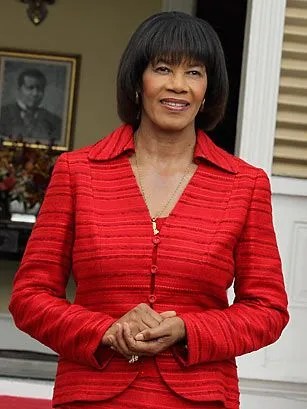
The Hon. Prime Minister-Jamaica Portia Simpson-Miller 3-2005–2007 and 1-2012-3-2016

Occasionally, it is necessary to pause and reflect, without any prompting, on the challenges at hand.

By carefully examining the errors and acknowledging the achievements of those who have triumphed over adversity, we contribute to the advancement of our society.

The complexity of what is not being said

The nation recognized the significant ascent of the former Prime Minister, while the opposition party capitalized on the discontent among young people who had a broad agenda that resonated with the majority of the electorate.

They expressed a desire for increased responsibility and a clearer plan for their future, as the time had come to transition from two decades of her party’s leadership.

Whether they will experience improvement in the period leading up to the next electoral cycle is a matter that only history can determine.

The 2016 election took on a significant role beyond initial expectations, with ample blame being assigned, as is customary in any election.

There are those who have contended that the party failed to acknowledge the socioeconomic divide and the trajectory of the nation, necessitating a greater sense of accountability and openness.

Some observers pointed out the internal challenges she faced, and how she made the decision to step down from seeking re-election in order to maintain her position as the first female Prime Minister of Jamaica and leader of the National People’s Party.

Many locals argued that they do not know for sure what was given up, but it was a generational shift, led by a new leader who used technology, and promises to galvanize the younger voters.

The once local street politics- door-to door moved to social media, and that generation was much older and more difficult to reach, but it does not take away from the centrality of women in the region future.

Unfortunately, when women are in positions of power, it seems pundits often raise more questions about their leadership abilities and downplay their potential for collaboration, instead focusing solely on their acquisition of power.

While democracy flourishes with a diversity of opposing perspectives. Nevertheless, when political discourse takes a vitriolic, abusive, and hateful turn, it only serves to reinforce the difficulties and obstacles surrounding their vision, as well as the harsh reality of misogynistic views that further erect barriers.

The bloggers and pundits were quick to react on social media. She displayed a lack of assertiveness, high expectations, and a loss of concentration, as well as a disconnection from the community and other related matters.

However, few discussions revolved around the impact of political parties on women’s candidacy. They face stereotypes that hinder their progress, which adds to the ongoing struggle for gender equality.

Of course, there were individuals who found themselves frustrated with their economic circumstances, rising crime rates, and the limited prospects for recent university graduates burdened with substantial student loans.

They also had to contend with high inflation, unemployment, and a growing divide between the privileged and the less fortunate.

Portia was well acquainted with the absurdity and fervor of the media. In 2004, newspapers highlighted a situation involving Christopher Charles, who questioned her actions as a member of Parliament.

They raised concerns about her decision to abstain on a resolution that criticized the insufficient funding for local fire services. Perhaps this inquiry has never been posed regarding an individual.

Her time in power has brought attention to the significant challenges faced by women in these arenas, such as the struggle for equal representation, collective goals, effective leadership, fundamental rights, and overall security.

However, from her loss emerged a fresh start that made a lasting impact, illuminating a path for the next generation of female leaders in the region.

The scorecard

Over time, as is the case for many individuals who have experienced a setback in an election, it can take a while for the policies that have been implemented to gain traction.

The future leader will come to appreciate the advantages. Similarly, they have the ability to overturn policies that do not align with their political philosophy.

It is often argued that when the economy declines or crime rates rise, past leaders are often held responsible, while current leaders are quick to claim credit for positive outcomes.

This tribute does not focus on the nation’s growing social inequality or the positive outcomes in various areas, nor does it assign responsibility to any particular party, as there is ample blame to be shared.

Historians specializing in economic policy in the region will have access to comprehensive data on various aspects such as GDP, debt ratio, wages, investments, healthcare spending, education, crime, infrastructure, construction, imports, and exports throughout her tenure in office.

The administration portrayed a vehicle ascending a challenging incline, encountering minimal obstacles and rough patches along the way, as it progresses towards a more seamless path until the next driver assumes control.

The bumpy journey was the result of long-standing shortcomings on the part of both parties to develop a holistic approach to address the complex issue of crime, poverty, and the declining middle class.

Appreciating the former prime minister’s success involves a nuanced understanding of the complex political landscape during that election cycle.

It is not merely a matter of revisiting or rationalizing the provocative nature of their campaign, nor is it about dismissing the concerns of new voters or the perception of a one-sided economic policy favoring the wealthy and foreign investors.

This essay highlights the significant impact of women’s leadership and their valuable contributions to the region. It encourages readers to consider the potential for progress, irrespective of political affiliations.

Every election has consequences

Her defeat once again highlighted the ongoing challenges faced by women in various domains. Whether it is a woman running for office, or working in a male-dominated environment.

They often encounter significant obstacles when advocating for important issues such as inclusion, shared priorities, women’s rights, gay rights, security, and environmental protection. Unfortunately, these efforts are frequently met with strong resistance.

Even in the present day, there continues to be a significant lack of female representation in global parliaments, with studies consistently indicating that women make up only around 20% of these governing bodies.

This under representation is even more pronounced in ministerial positions. And I don’t need to extensively analyze or review feminist literature as a man to recognize that decision-making by multiple women is often a challenging task that is met with more resistance compared to their male colleagues.

In reality, it will be the responsibility of the region’s historians and scholars to address and resolve these inquiries.

Did her leadership differ from the other leaders?
Does her policy represent women’s interests?
Are there still echos of the same concerns today?

The pursuit of equality is not a matter of chance, as some individuals in the media may mistakenly think. Success is often determined by the level of preparation, hard work, and dedication that one puts in, regardless of whether they are promoted or not.

Portia Simpson-Miller and other remarkable women who have significantly contributed to the betterment of our world should not be solely evaluated based on a limited set of economic measurements.

Of course, it is essential to have a deep understanding of geopolitical, social, and economic issues and their connection to everyday situations, such as a corner shop operating without electricity or running water.

Collaboration is crucial in addressing the pressing issues of high unemployment, corruption, and crime. It is important to prioritize spending, with a focus on investing in education, healthcare, and environmental protection.

However, it is also essential to be mindful of the unique circumstances and needs of each local community.

The cultural stigma that lingers:

Unfortunately, the political arrogance that arose from colonialism has caused certain individuals to believe that a leader must have graduated from a prestigious university, obtained a law degree, or pursued a Ph.D.

This mindset has resulted in the perpetuation of outdated laws in government and the reinforcement of a class system. Nevertheless, her success demonstrates that even those with fewer advantages can rise to positions of leadership, starting from modest origins.

Her active involvement at the highest level will inspire others to exercise their legislative power for the betterment of the country.

It is crucial for individuals to have the freedom to think independently rather than simply conforming to group dynamics.

Only then can we effectively tackle systemic issues. Despite her shortcomings in political leadership, her unwavering determination and other achievements remain noteworthy.

She discovered a harmonious equilibrium between optimism and oppression and has consistently proclaimed, “indeed, she was capable,” preceding even the pronouncement of U.S. President Obama, “Indeed, we are capable.”

She has dedicated herself to the public for decades and has demonstrated that when women are empowered and actively involved in decision-making, they contribute to the creation of a more prosperous society.

The Region’s Prime Ministers club to-date.

Eugenia Charles, 1980 – 1995 Dominica

Kamla Persad-Bissessar, 2010 – 2015 Trinidad and Tobago

Women’s Coalition Continues to Play a Vital Role in Shattering the Glass Ceiling:

Research has demonstrated that when women collaborate and address factors that foster strong connections among them, society reaps the rewards.

I do not possess the ability to vote, nor do I align myself with any particular political party or hold any personal inclinations regarding who should govern the nation. The key to uplifting this aspect of our heritage lies in the pursuit of effective governance..

Regardless of the obstacles, limitations, political considerations, and even differences of opinion, it is important to acknowledge and celebrate every Women’s Month, including her birthday.

The accomplishments cannot be reduced to a single election, but rather leave a lasting impact for young women to aspire and achieve their goals.

Thank you: The Esteemed Simpson-Miller was a trailblazer, even though she may have missed out on some recognition, she motivated generations to assume greater leadership positions in government.

Even the knowledge gained from these lessons was crucial for gaining a deeper understanding of the forthcoming obstacles.

When you take a step back and offer guidance to the younger generation, they will gain a deeper understanding.

Regardless of political differences and personal opinions, the significance of public diplomacy cannot be overlooked.

I had the opportunity to witness this firsthand, and it was truly fascinating to observe and listen, even though I was relatively young and on duty at the time.

May I say, today, you appear quite impressive at the age of 70, and it would be beneficial for the island of Jamaica to have your continued presence in order to offer further oversight and vocalize your thoughts, now that you have the opportunity for introspection.

Condoleezza Rice, the 66th Secretary of State of the United States, and Honorable Portia Simpson-Miller dancing. Reggae .

At the end of the day, poverty and inequality remain a rough wave on the shores for the downtrodden, so regardless of politics, hits and mistakes, we have to stand back and honor her dedication to public service. Let’s hope who comes next will succeed.

The rabbi is gay, what’s next on your shores?

BY R.D.MILLER

Does the location of LGBTQ(+) really matter?

Gil Steinlauf, senior rabbi of Adas Israel, one of the largest conservative movement-affiliated synagogues in Washington, DC, recently came out as gay.

Shortly after, Tim Cook, the CEO of Apple, announced his homosexuality shortly after. “You don’t just leave your wife to be gay any more than you would resign her to be straight,” one blogger wrote.

Photo by cottonbro

“Apple has lost its pioneering skills and sought more businesses,” wrote another.

When I write an opinion piece about this social issues that impact our community or nation, I often receive a common question.

Are you a member of the LBGTQ+ community?

My reaction has always been, “I have friends who are straight, gay, bisexual, transgender and some who are still trying to figure it out.”

So, what if our society evolved to the point where one could simply say, “I have friends from all walks of life, each on their own unique journey of self-discovery?” The fight for equality might be headed in the right direction.

Regardless, I’m writing this today because I firmly believe in the inherent goodness of humanity, even in the face of hate, division, wars, crimes against humanity, inequality, poverty, and any other challenges we may encounter.

If you’re reading this to determine my sexual orientation, you may have differing viewpoints. Similarly, if you’re here to learn about the challenges faced by others in the community where socio-economic status still poses an additional burden in the LGBTQIA+, that’s perfectly fine.

Before I address any curiosity,  I am a heterosexual man who has actively participated in multiple Breast Cancer walks. I am happy to report that my recent doctor’s checkup confirmed that I am cancer-free.

I’ve also participated in a Multiple Sclerosis (MS) walk, and my doctors have given me a clean bill of health. I’ve also been involved in multiple LGBTQIA+ events.

In my line of work, I have witnessed the unfortunate presence of violence and the scarcity of resources. However, amidst these challenges, there are also heartwarming stories of individuals who have managed to thrive with the help of a strong support system.

I believe that many people avoid supporting important issues in our society because it may make them appear to be one of those over there.

Some people will add to the conversation in a helpful way, while others will just watch from afar because their problems may be different from those on this side of the ocean. Because of this, the amount of help or lack of it can look like a lot of different things, especially in today’s world.

Nevertheless, this peace is simply using a small platform to share a few observations and thoughts, and awareness.

But, most importantly, to provide a voice to some of those who are less fortunate to be who they are and cannot afford or have the means to protect themselves against violence and discrimination.

Regrettably, even though they should have been protected from the social ice rain by the same colors, numerous individuals are frequently left to endure extreme temperatures without an umbrella solely due to the occupants, race, culture or socio-economic status, and simply, what I called the “location gay”

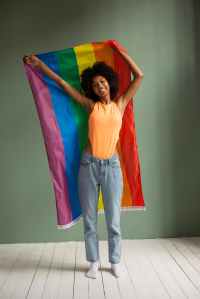
Photo by Katie Rainbow

I hope you continue to support all foundations, so let’s get started on what’s next I have to say.

The coming out!

Everyone, in my humble opinion, is a remarkable human being with boundless potential who absolutely deserves the chance to make a meaningful impact on their society.

Although it may come more effortlessly to those with greater wealth and privilege, it’s important to acknowledge that there are also individuals seeking a space where social disadvantage can be overlooked, just like a swipe of mascara.

Fortunately, Rabbi Gil Steinlauf and Tim Cook both have financial anchors, bridges, a solid foundation, and retractable vessels that can weather storms and bypass rough tides.

Fortunately, many wealthy and powerful people find that publicly disclosing their sexual orientation can increase their wealth and power. However, this is not a story about the Rabbi or Tim Cook.

Many pundits argue that Michael Sam, a player who openly identified as gay and was released by two NFL teams due to his sexual orientation, could have had a different career trajectory if he had focused on his defensive line skills instead of transitioning to offense, allowing the world in this contact sport to know too quickly that he was gay.

However, it’s worth noting that there might be some players who, despite facing mental health challenges or being charged with domestic violence, still manage to participate.

In Michael Sam’s case, it appears that the National Football League (NFL) indirectly transmitted the message that homosexuality should be kept in the closet, namely in the locker room, with a number on file.

Is there a prerequisite for coming out as gay? I inquired. Despite the media attention, the gay community’s stories are much larger than these two men

It is a profound observation: where is the balance for this pendulum that society appears to be fighting to keep in the middle, particularly for those without the means?

Even when the pendulum swings or roars to take all that is different, it is more difficult to get out of its course, much less find a canvas to paint in their own direction.

Other stories that are seldom told:

As I journey across various impoverished and developing nations, my purpose is to offer assistance to local schools by providing them with essential supplies, or to deliver inspiring speeches on topics such as tolerance, violence, and other pressing social matters.

Throughout my travels, I consistently observe a recurring socioeconomic disparity, much like what exists in affluent and influential countries. In some of these communities, the voices of its members may not always be acknowledged.

Yet,  their struggles bear resemblance to the times when people were unjustly denied the right to vote. Every endeavor to express themselves one told me feels like being marked for death.
I wondered who are the individuals that have the potential and perhaps the responsibility to do more.

In certain areas, the survival, access to justice, and availability of treatment for individuals may be influenced by factors such as economic status, political system, and laws.

Unfortunately, many frequently read news of high crime against humanity in general, not to mention individuals that society has labeled as a sin or an outcast due to barbaric ideologies.

Think what it must have been like for them to seek employment to feed themselves or their family.

Just as the fortunate few who have the resources to weather any storm, there are many individuals in the LGBTQ+ community who lack the means to escape the rising tides or find a supportive community when faced with adversity.

Even in a location as lovely and inviting  where the sun appears to always be shining, inclusion can be quite the delicate dance.

Today, many people are trapped by their location under an ancient colonial doctrine, a never-ending battle for acceptance in search of an anchor or a shield from a raging tide.

These are lovely places that many people visit for a vacation or to catch up with family members and reconnect with their roots, their is an anchor that needs to be lifted..

Many visitors associate luscious greenery, breathtaking sunsets, and blue water with a liberated vacation, but outside their villas and hotel rooms, victims are routinely teased, bullied, and even killed out of ignorance – even by straight perpetrators who, according to studies, may have been struggling with their homosexual tendencies.

For some, homophobia can be relentless, sweeping away anything that lacks stability like a raging ocean. These unchecked anti-waves have really taken a toll on several impoverished and developing regions.

The hidden colors are looking for a canvas.

The “locational gay” if such a term exists; encompasses more than just this person’s gender identity, It represents the complex interplay of fading colors from various skin tones, intertwined with economic and social disadvantages that persist especially within  community with  people of color.

It’s not just the Caribbean, Asia, or Latin America that have seen legislative changes affecting the LGBT community.

Reports have highlighted that some African leaders have made it more difficult for LGBT individuals to receive protection. However, there are also those who have taken a commendable step forward.

Anti-gay legislation in several nations where the service industry accounts for a sizable amount of the GDP may contribute to an increase in hate crimes. Furthermore, it endangers the victims’ lives while also reducing the country’s tourism business.

Despite minimal advancements in various areas, a significant number of individuals have unfortunately lost their lives.

Various individuals who died due to a savage ideology, often stemming from lack of knowledge and a trait of society that is handed down like an old recipe, and undoing decades of narrow-mindedness is quite the challenge.

There have been several reports of an increase in murders within the LGBT community since 2010. Youth and young adults between the ages of 18 and 30 were 2.41 times more likely to be victims of physical violence.

Gay 16, teenager was dead -Dwayne Jones beaten, stabbed, shot and ran over (AP Photo/Jay, J-FLAG)

Many parents endure discrimination as a result of having LGBT children, and they are more concerned with social stigma and antagonism today than with their children’s future possibilities.

Many people today could have realized their full potential, becoming great stars, teachers, and police officers. They, too, were son’s daughters, uncles, aunts, mothers, fathers, and friends, and many places today were unwilling to embrace them because they were gay.

I could have gone to any LBGTQ website, criminal data, or GLDD and fetched the ever-changing facts, but instead, I’d like to spotlight some of those who bear the burden.

The resentment felt by some people in these small communities has given rise to safety concerns, leading to feelings of shame and despair, and tragically, often resulting in instances of abuse, homelessness, and even loss of life.

human_rights_watch: Photo

The lack of resources, access to medical care, and support have also resulted in their expulsion from their community.

The only visual representation of a voice mail or iTunes appears to be the sound of broken sewer pipes leaking and hovering above their heads as a result of living under deteriorating bridges for may on this side of town.

Human Rights Watch reports an increase in violence against homosexual persons just because they are considered to be gay, and these communities receive little support.

Being gay is neither a sin nor a learned trait; however, bigotry, intolerance, and atrocities committed against this community or humans in general are.

What does true love look like?

“All people deserve to live with dignity and respect, free from fear and violence regardless of their gender and sexual orientation” – an excerpt from a proclamation by President Obama on May 29, 2015, at an LGBT pride event.

Photo by Tiger Lily

As I have stated throughout, equality is extremely important; nevertheless, what happens when some are perceived to be more equal?

Many people are unable to offer the resources they require to live a normal life, despite constant efforts by local groups to enact legislation to protect this population.

What happens if HIV-positive patients fear treatment?

HIV testing is essential to HIV prevention, treatment, care, and support, but impoverished people may avoid or have restricted access to it, according to reports.

A few folks I know who were with us but are no longer

(One) — Rupert. His church memberships and choir memberships began to dwindle soon after he came out.

He was repeatedly denied entrance to community gatherings and employment, leading him to flee for his own safety.

He was once burned alive, stoned, and mocked. Where is Victor today, and can you finish his story? Would you have told him to stay in the closet?.

Many people fled their towns to find solace elsewhere, yet they are still living in the shadows.

(Two) — Sonia dressed like a man, with brittle hair, cargo pants, and boots, despite the fact that she finds comfort in tending to the small town floral garden.

While some visitors admired her floral garden designs, others mocked her and threw rocks at her. Her sexual orientation had no bearing on her creativity.

(Three) —Burma is beautiful and does an excellent job.

She fits in well with her peers, comes from a pleasant family, and is well educated.

She, nevertheless, has a deep fear of revealing her true self. Despite speculation, she consistently dismissed inquiries about her decision not to have a child her age, even after they spotted her holding hands with her partner in a different part of town.

I often wonder if anyone had truly taken the time to understand her, they might have uncovered the painful truth of her past.

It was a devastating betrayal by her father’s trusted friends, who subjected her to unspeakable horrors during her childhood at a local bar.

Her trust in people waned as she had no one to rely on for help, and she became increasingly isolated.

Even after her passing from breast cancer, her remains were treated with an unjustified fear and prejudice, as if her sexual orientation was a transmissible disease.

Her remains have been laid to rest in the garden she lovingly cultivated.

I still have more to paint, but maybe you now have a clearer idea of why I write about this subject in order to preserve their memories.

Integrating your strength,  and open the cover for those still looking for shades:

Even though many regions have taken tiny steps, many communities and official institutions have accepted and will continue to recognize same-sex weddings.

A century of hostility, bigotry, and political dogma continues to threaten this tremendous transition, as others believe that a persistent wind may bring society back into the closet.

So, how can you rewrite this ship using economic power?

The economics

In their article, the Advocate stated that “the LGBT community earns its place at the table of economic opportunity with an input to the economy of over $1.7 trillion and several jobs thousands of jobs globally.”

Furthermore, Curve Magazine reports that the gay, lesbian, and transgender population spends more than $550 billion per year in the U.S. alone.

While some LGBTQ+ ships and planes have found their way to various coasts, who require disposable income to drive their economy, why not utilize your influence outside the closet to assist others who are still looking for a guiding light to traverse these uncharted waters?

Even though they may have reservations about the LGBT+ community, some of these high-end vacation destinations around the world can’t resist the allure of potential profits.

This community has an impressive reach to keep evolving and spreading awareness, especially when it comes to beautiful beaches and crystal-clear waters.

Promoting more education and grassroots support is crucial, even though changing a systematic issue may seem challenging. The positive outcomes will endure beyond any silence.

Some of the welcome mats that are laid out, not for their vibrant hues, but for their origins and price tags.

It’s quite amusing how certain groups are expected to meticulously plan their vacation itineraries solely around LGBTQ+-friendly destinations in the Caribbean, Africa, or any other region, as if it were a strategic move to win over their registered voters.

As the fight continues, there is an illusive tide of change:

Throughout history, it has become evident that the quest for equality often clashes with the ideologies of certain people in general.

I find it quite fascinating how a culture of homophobia has managed to persist over the years, intertwining with social and political factors to perpetuate stigma and inequality based on sexuality and gender.

A recent YouTube video by an Arizona pastor said that “if gays were executed, we could have an AIDS-free world by Christmas.” If the god they all adore is love for all, who decides those he doesn’t love?

Not the actual pastor

Today, countries in Africa, Asia, the South, and North, as well as Latin America and a few Caribbean islands have taken steps. Change takes time and is frequently resisted.

But as I have noted, do not be fooled there are many unanchored vessels that will require stronger anchors to hold any movements toward the bean of colors.

Today, many regional leaders remain deafeningly silent on human rights amendments or new legislation.

There are some who continue to argue that Homosexuals and their agenda, according to anti-gay protesters, have a negative impact on strong and healthy families, righteousness, and justice. However, these claims are met with skepticism by many.

Collaboration regardless of location, race culture, and economic status.

Despite statistical evidence of increased tolerance, this issue remains a deep stratification.

There are many places that struggle to gain acceptance on their own, while others, who are less fortunate, are forced to keep their flag folded and search for a different path. However, even though some of us may feel like outsiders looking in, there is still work to be done.

Unfortunately, other LGBTQ persons lacked the resources and are still attempting to book a private party where they may dance like no one is watching.

The gay community, just like other marginalized groups, must persistently advocate for equality. While they enjoy lively dances in various settings, there are often lyrics strategically inserted to demean and vilify the community, perpetuating intolerance and hatred.

Only when societies become more educated and tolerant will we be able to dance together and turn back the clock on a monster that was created.

Advocating for the legalization of marijuana, even with its potential for long-term addiction, imagine if all human rights embraced a similar cause and observed the outcome.

No, it does not! You don’t have to be gay to support their cause, but should it matter?

Just remember the new design you waited 24 hours in 10-degree weather to purchase the next time you turn on your iPhone to spread hate. The designs were vetted by a gay man.

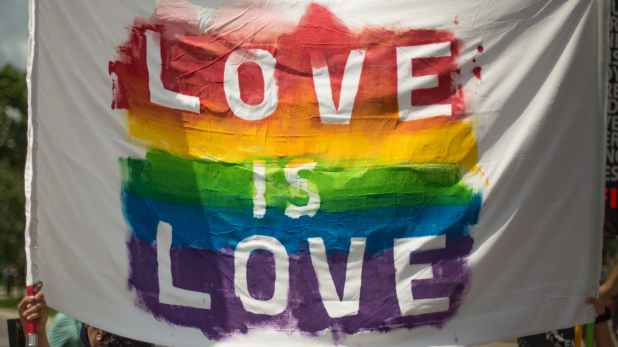
Love knows no boundaries – it transcends economic status, culture, and location.

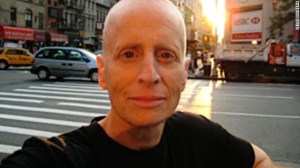
Rest in Peace • • Leslie Feinberg – for fighting for equality for all.

One-Time
Monthly
Yearly

Make a one-time donation

Make a monthly donation

Make a yearly donation

Choose an amount

$5.00
$10.00
$20.00
$5.00
$15.00
$100.00
$5.00
$15.00
$100.00

Or enter a custom amount

$

We are truly grateful for your contribution, which will go a long way in supporting the causes we write about.

Your contribution is appreciated.

Your contribution is appreciated.

DonateDonate monthlyDonate yearly

Leave a comment

This site uses Akismet to reduce spam. Learn how your comment data is processed.

2014 World Cup Soccer, more than a game in (Brazil)

BY R.D. MILLER

The Global Colors

Every four years, millions of supporters attend watch parties in public parks and bars to ensure the best of the best players compete for bragging rights until the next four years. However, beneath the vibrant hues, beers will be consumed, food will be provided, and billions of dollars will be spent and blown like a whistle.

Wherever it is played, this fascinating game, event, never seems to be without controversy. These debates include a wide range of topics, including soccer or football, corruption, and the socio-economic role it should play in our society.

Regardless of the difficulties, and social and economic debate, the teams’ colors will be taken over our televisions, iPhones, tablets, and iPads like a rainbow. Underneath it all, residents are crying out for a new economic canvas to modernize and lift poor people out of poverty, and other racial disparities.

Football is a global sport that originated in England but was renamed soccer in the United States and this game brings people together regardless of race, class, or socioeconomic status. Starting a game is not prohibitively expensive.

However, the wealth gap is wider than the distance between the two goal lines in which these games are being played, whereas poverty is closer than the two goalposts.

According to several reports, other issues such as crime, unsolved killings, unemployment, and an ever-widening gap between the haves and the have-nots could benefit from the new direction.

Many people may be wondering if, after the final whistle, the oppressed will still be asking for economic referees for a penalty on some of their leaders who have not been given a card for foul plays.

Protests frequently erupt in response to the poor socioeconomic issues surrounding these games. The games continue, but the turmoil lingers.  

These issues will resurface like the sea rushing back to the shores to recreate the sand paths that eroded from ongoing debris.

Photo Credit: Reuters

Several demonstrators said that “they have overlooked the local economic problems in Brazil.” This color will appear to be broadcast to the rest of the globe and will be vibrant, but  Brazilians and their shaky economy are under scrutiny.

The expertly designed visuals that emerge from the periphery will leave a lasting impression.

The Economics:

These games are being led by the International Association Federation of Football (FIFA). It is a billion-dollar industry, and throughout this region, the games are ubiquitous.

To prepare for the 2014 World Cup, they spent an estimated cost of up to US$11 billion — while the Brazilian economy remains stagnant. However, the government has predicted that it will be a net positive for the overall economy, stemming from event-related services among several industries.

Frequently, these public expenditures fail on a far larger scale because, once the fans have left and the multi-million dollar stadiums are empty, the locals are left with the debt load.

Credit -FIFA

Forbes magazine has reported that (FIFA) will generate about $4 billion in revenue. However, more needs to be done to promote social programs to cut poverty and not the appearance of forcing local economies to stretch their budgets to accommodate their demands.

Wherever FIFA places its goalposts, it is always under the microscope. Recently published in a British magazine, the organization is being investigated for corruption and bribes related to the Qatar 2022 bid.

The Social Impact

The World Cup has long been surrounded by a socio-economic debate. South Africa encountered similar questions in 2010 about how much money its government spent that could have been used to alleviate poverty.

Despite setbacks, such as England, Italy, and Australia’s early departures, the World Cup is bigger than its venue. The stage, however, remains where players and supporters use the event to highlight their countries, send statements, diplomacy, and reconnect with compatriots who may have been rivals or teammates playing for different football clubs.

This is like a family reunion before they return to business, and lifelong friendships are formed, between many countries and some with no diplomatic ties and cultural divides rooted in political conflicts.

The game, though, has far more ramifications than just 90 minutes on the pitch. Even among nations that may never meet, it broadens communities, economy, discipline, teamwork, acceptance, talent, and diplomacy.

The other Brazils are off the pitch.

Many rich club managers, as in many other professional sports, seek out young players from many countries to develop, and many from South America, Africa, Europe, and Asia became the face of the global sport.

However, for every ten players who have risen from poverty, many are still pining for referees or a respectable ball and pitch to envision a future on the big stage.

Soccer, sometimes known as football, has produced several international stars and helped to lift families out of poverty.

Some of their stories are similar to those of players in the National Football League (NFL), the National Basketball Association (NBA), baseball, and a variety of other professional sports.

FIFA has a track record of putting together successful tournaments. The game between the United States and Portugal received one of the greatest ratings, with upwards of 21 million people tuning in according to reports.

Imagine if these fans compel FIFA to ensure that the future goal posts are placed in an economically balanced manner.

For many youths, a soccer/football field and now “pitch” was critical to stay off the streets after school.

Although not all young players became stars, the friendships gained, and lessons learned lasted a lifetime.

The millions made by players who escaped slums (ghettos) were rarely spent back in the neighborhoods where it all began in some locations.

There are various communities of improvised youths yearning for education, decent affordable medicines, and safety underneath these targeted players.

Our society has been transforming, such as gentrification, as it has become more varied, which can lead to tension and even greater isolation.

Perhaps it is time for an economic and social package in these impoverished communities

Many reports reveal that if black Brazilians could go on a boat and escape, they would be safer on a soccer pitch since, aside from the economic stagnation, they kill more blacks at an alarming pace.

Overall crime has declined, but the number of violent deaths recorded has not decreased, particularly among black individuals.

Even though the homeless people are everywhere, with ongoing division and widening gaps between the haves and the have-nots, and who always tends to be on the street in greater numbers, as studies have shown, people of color.

Unfortunately, it does not take a world cup to see that these issues persist, and they do not go away after the goals are scored, the new high-end building is constructed, the celebrations conclude, and the nets are lowered.

Without a solid economic plan that will help all who are in need, poor people will always have a half-side call usable to move forward.

The Social Responsibility

With success comes responsibility, and despite the Beautiful Game’s efforts to break down barriers, some players continue to face discrimination. Some fans refer to niggers, monkeys, and bananas as game symbols.

Recently, Italian star Mario Balotelli spoke out after being subjected to racial slurs from a few fans, and more players must follow suit.

Soccer Star-Mario Balotelli

FIFA should know how to help combat these issues. It has been around since 1904 and now has over 300,000 clubs and millions of players around the world.

FIFA is excellent at managing global operations. However, as our society becomes more diverse, and isolated by ideology and personal interests, it will need more than building stadiums.

Equality, discrimination, and a platform for players to speak when issues threaten to reduce the next generation of players.

Often, I join a few new fans at the local sports bars who seem intrigued with long pauses when they realize a few teams starting at 11 such as the French, and Germans; the Italians have black players, and some are Muslims. It is more than a game, and awareness is key.

The reality

Many South and Latin American teams have returned home for the 2014 World Cup, and the celebrations have been spectacular.

CNN photo credit

However, there is a dark side lurking just north of these games off the Atlantic Ocean in some countries, thousands of children who have fled their countries where a few dominating stars call home.

The majority of these orphaned children are under the age of ten and are being held in detention camps along the US-Mexico border. According to reports, up to 90,000 people came from Honduras, Colombia, and Guatemala.

These young people fled to avoid sexual violence and other inhumane treatment and to escape crimes against humanity.   No one knows what the long-term physiological repercussions will be, but studies have shown that it can be devastating.

Football organizations and their players cannot be the world police, but with success and global appeal comes the responsibility to speak out in times of humanitarian crisis.

Billions of dollars are spent to create perfect images, while others look for the next Latin superstar to fill their stadiums through ticket sales.

Unfortunately, some are still outside the gated walls where these games are being played, preparing to make the perilous journey North+.

Extra Minutes :

These extra minutes added to games have the potential to generate more revenue for FIFA. However, in a few weeks, the cameras will be turned off, and well-dressed immigrant men and women from television networks with a few selected feel-good stories will leave town, surrounded by security as if they were in a war zone.

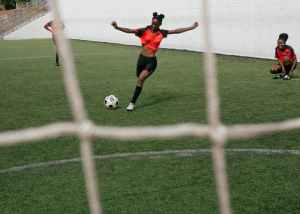
Photo by RF._.studio on Pexels.com

There will be more games and many will have to navigate drug and crime-infested areas to reach a local field in the hopes of rising out of poverty to help their families, with little time left on the clock.

Today, I’m wondering if our socioeconomic polarization and disparities in inequality have harmed our imagination. Perhaps other major league sports programs should do more because, like Brazil, they give you the impression that someone is keeping an eye on us you for the next star, but are they seeing what is going on around some of the thorny issues?

The final whistle

When the final whistle blows, some of the players will have to pass through their impoverished towns and cities, which are rife with violence. Before FIFA looks for the next venue, it should look for ways to improve its balance sheet as well.

It must ensure that the community’s economic impact benefits everyone, regardless of color, class, race, or socioeconomic status, because the next 100 years can only be beautiful if it is more than just a game.

After the matches are played and the pageantry is over for poor people of color, the struggles continue.