Jamaica’s 2025 election—what is the color of governance:

Finding the right mixture of paint.

On September 3, Jamaicans will choose their leader for the next five years. The election will scrutinize various socio-economic issues, the fulfillment of promises, and the experiences of those who have witnessed or are still waiting.

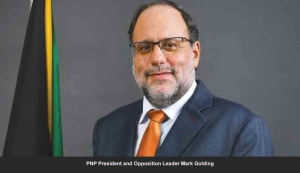
Will the incumbent, Prime Minister Dr. Andrew Holness, be entrusted with the key to drive Jamaica’s vehicle out of the repair shop, or will voters choose to change the locks, repaint it in their party color, or hand it over to Mark Jefferson Golding, the Opposition Leader, for the next five years?

Mark Jefferson Golding, who faces allegations regarding his Jamaican identity, has led the People’s National Party (PNP) since November 2020, and many consider him as upholding Jamaica’s motto, “out of many, one people”?

Considering the impact colonialism had on the lives of many voters’ ancestors, some argued is it appropriate for Jamaicans to elect a royal descendant, particularly in the wake of independence?

Jamaica’s economy encompasses more than just eligibility; however, the underlying question today is whether, a midst a political climate of confrontation, cooperation can emerge like the ocean during low tides or a blend of colors that elevates this beautiful island under the rainbow from many neglected areas. This stunning island, like many others, encounters a multitude of question.

Will this election lead to genuine transformation, or will it merely act as another means to maintain the existing order set by past administrations?

Will this be a referendum on as some local reports suggested on leadership since the last election?

These elections are often about who saw the art, who got stained, and who is still waiting for a fresh quote of paint. The question today is what color of governance Jamaica needs, because it appears that once it emerges from the political body shop, can leaders endure all the debris from the economic potholes and unpredictable weather, and can they maintain its shine after the victory dance concludes?

Is it another incomplete canvas with colorful image?

It often revolves around critical perspective of the painting on the wall filtered through narrow lenses, connections, that intertwines crime, economic upward mobility, poverty, the widening wealth gap, gender equity, inequality, and some argue, corruption, alongside climate change, and workers’ rights.

It appears that there is ample blame to distribute, and are they in a better position today under either the Jamaica Labour Party (JLP) or the People’s National Party (PNP)?

Every election cycle on this coast appears to reflect on what they should, could, and might have accomplished. Numerous damaged vehicles may need a fresh coat of paint, but the outcome hinges on the choice of body shop selected to address the rust, conceal imperfections, or preserve the vibrant hues.

Experts indicate that Prime Minister Andrew Holness (JLP) utilized his administration’s response during COVID to secure his re-election in 2020. His modernization efforts yielded favorable poll results, yet despite his popularity, many question the efficacy of his vaccine and whether economic challenges continue to ravage everything, particularly impacting the poor.

Several local reports have shown that crime has decreased, while citizens hold mixed views on whether safety has improved. It has always been challenging to manage crime on these shores.

Many of whom have experienced a strained relationship with the police since mid-1865—and the Morant Bay Rebellion (11 October 1865), which commenced with hundreds of individuals marching to the courthouse under the leadership of preacher Paul Bogle.

As observed, despite the positive data that indicates a declining trend, many argued, “Maybe it’s for residents of gated communities experiencing this impact?”

What is the best color for fueling the economy?

I hold the view that the matter at hand transcends mere election strategies and calls for a more profound exploration of a sustainable socio-economic framework to support any surface-level enhancements.

Many elections promise, or changes frequently fall short, leading to gradual decline, akin to waves wearing away a surface, ultimately resulting in deterioration irrespective of the individuals in positions of authority.

Regrettably, it appears that numerous individuals in these communities tends to only focus on one aspect of the vehicle. However, when the political vehicle is viewed from a different perspective, it becomes evident that this approach leaves them without a comprehensive solution for the other side, which may have deteriorated significantly following these elections.

Both sides are critical to fixing these imperfections that play a crucial role in deciding whether to revitalize the nation’s economic framework beyond the chosen color, enhance community resources, or repair existing issues.

Nonetheless, the outcome may hinge on the engagement of younger voters and the team that adeptly navigates social media without sidestepping direct confrontations with challenging inquiries. Thus, it may not necessarily be determined by who excelled in political debates or possesses a comprehensive understanding of the nation’s needs, but by who connects with the people.

Both sides signal better art, but where does it hang after the election?

Jamaica’s future planning must focus on environmental priorities, address the trade deficit, review the balance sheet, and enhance investments in the youths, victims protection, and public safety.

Prioritizing education, corrections, training and development, enhanced protections for women against abuse, and economic policies that benefit the collective good is essential.

Despite the political conflict in this region between two primary factions transforms politics into a complex game of strategy and manipulation, where presenting the right image is crucial. Regardless of the circumstances, the rhythms frequently coexist on the same vinyl, even with their distinct variations.

The frenzy that drives communities apart may resemble a repair shop anticipating a fresh coat of economic paint or protection from the corrosion of inequality and poverty.

Regrettably, it seems that popularity is prioritized over actual achievements when it comes to determining leadership in this region. Amidst it all, an unemployed mother, father, sons, daughters, cousins, grandparents, and uncle engage in conversation, anticipating a new melody once this political music comes to a halt.


Maybe this time they’ll see past the outside sheen?

This election, much like others, is likened to a contact sport where only the strongest endure. Will these injure community players have a chance in the next cycle, or while they attempt to repair these dents in whoever takes over the economy’s body shop?

The truth is that those who have been overlooked and marginalized, waiting for assistance to mend years of damage and systemic decline, will not see change happen instantly.

Who truly benefits from cosmetic alterations?

Jamaica and other impoverished nations experience the consequences of kleptocracy following numerous elections. Experts indicate that many of these lawmakers belong to the region’s affluent class.

A good deal of leverage in their relationships to acquire and conceal vast wealth that far surpasses their government salaries, despite starting from modest origins.

Does Jamaica need a fresh coat of paint, or should it simply repaint?

According to local media, both parties have several women running in this election. Women are the backbone of these nations and the lifeblood that determines whether these paints shine for future generations; thus, they must cooperate regardless of their political views.

Many young men and women are looking up to them not only for inspiration but also to create laws, protect them, and provide employment opportunities. When they work together, the nation wins.

After these vibrant events, I hope everyone can choose a color scheme to renovate the country as it navigates rough waters. These communities must begin to see a future over fear and reality over myth.

Yes, there will always be issues, and your vote must be for the future, not for road repair or an emergency loan, regardless of locals’ and expats’ opinions, or polls, right or wrong track, safety, or seeing a revolving door, because only you know how you feel and what is at stake for your future.

Jamaica is vibrant and promising despite its flaws. Change must begin at the grassroots and move upward.

The choice of what to display on the wall is entirely yours!

It is evident that individuals, regardless of their political affiliations, collectively aspire for an improved economy, enhanced safety, and opportunities for growth within a setting that fosters comfort and motivation for all.

While it may not be the ideal arrangement, it is certainly important for them to maintain a positive outlook and remain engaged.

It is essential for all individuals, particularly the younger generation, to continue engaging in the art of political and socio-economic painting, whether utilizing recycled images or starting anew on a blank canvas.

This journey is crucial for realizing the ultimate vision they aspire to, both for their nation and individual accomplishments, despite the apparent constraints or the unpredictability of the results.

Regardless of hue, governance must reestablish trust to start a new upward climb for long-term progress. I extend my warmest wishes for your success and happiness!


This goes beyond mere numbers. The political climate in Jamaica is gaining heat!

BY R.D.

What color, or multicolored dynamic, defines governance?

Ever since Mark Jefferson Golding became the leader of the People’s national Party (PNP) in November 2020, Jamaica’s motto, “out of many, one people,” has become a subject of political scrutiny.

The country is no stranger to heated elections; since its independence from British rule in 1962. Experts have often compared the battles between political parties to atmosphere-like tribes vying for territory.

No matter whether the party is in power or who backed the previous election, many voters seem to swing like a pendulum, but not always smoothly.

Within the intricate framework of Jamaica’s class system, the dynamics of social status and political affiliations frequently assume a pivotal role in ascertaining an individual’s standing.

However, in the current version of this general election, the main focus is on the realm of eligibility, resulting in a multitude of disagreeing inquiries. Is this truly the underlying reason behind it?

In today’s political atmosphere, which has seen more conflict than cooperation in many aspects of our society, the hidden question is. Should Jamaicans elect someone who appears to be descended from the Royal family tree, especially after independence, given the role colonialism played in their forefathers’ lives?

Say it loudly, then change the constitution.

The democratic system in Jamaica has demonstrated remarkable resilience in the face of the post-independence in 1962.

For many years, there has been an unsaid question: which hue is best suited for modern Jamaican governance?

Some politicians seem to be leveraging the challenger’s British dual citizenship and ignoring his Jamaican birth certificate.

According to local media, opposition leader Golding recently stated that he does not have to choose between the two.

Critics argue that he must publicly commit to Jamaica alone to lead the people. Many hope this is not a “Birther” debate like elsewhere.

Sadly, the “us and them” mentality may stem from humans’ innate tendency to split the world into groups and favor their own, but this political strategy can be dangerous.

Could the nuanced suggestion of using one’s color as a way to gauge Jamaica’s representation, while also recognizing the possibility of adjusting eligibility, sway voters to change their voting preferences?

Nevertheless, the paramount concern in the forthcoming elections is not eligibility, but rather the image that should guide Jamaica.

Though I am not an expert on Jamaican politics, it may be time to examine the situation more closely because many government officials may also be dual citizens or have green cards, which entitle them to permanent residency in other nations.

Born in Boston, Massachusetts, United States, Edward Philip George Seaga, was a former prime minister of Jamaica, had Lebanese Jamaican parents.

Edward Philip George Seaga: Former Prime Minister of Jamaica

Based on reports, Golding is running a strong campaign. The incumbent’s path to victory, again, may have more holes than many local roads.

Experts noted that he has a good chance of becoming Jamaica’s next prime minister.

Apparently, many noted that it seems race or ethnicity is now a factor and a distraction in the fight against crime, poverty, and corruption to develop the nation going forward.

Many who blamed rising inequality, poverty, corruption, and criminality for the then-political and economic turmoil are now asking what has changed since 2016.

On this governmental surfboard, there is a never-ending political balancing act.

Jamaicans faced challenges once again during the Holness administration in 2020 due to the economic impact of COVID-19, which has affected economies worldwide.

The local challenges it presented also exposed the deficiencies in the healthcare system and the service sector economy, shedding light not only on Jamaica but also on the vulnerabilities of the surrounding regions.

Sure, vacationers are arriving in large numbers, but who is actually hopping on a surfboard after a long 10-12 hour shift or stocking their pantries till the next paycheck?

Even with better roads and technology today, if you have not driven on one, have internet access, or have running water, there’s hope, but it depends on your economic status that may be the ultimate driver.

Years later, reports show that wealth discrepancies persist, as does a generational shift that contributed to JLP’s success.

The party now claims to have the requisite knowledge to keep its promises, but one wonders if this is too little, too late, or just another example of a never-ending cycle.

Those younger voters who were key to the JLP’s win are now grown up and continuing to fight for that economic balance on both sides.

The political shift

Following an extended period of governance by the PNP, there has been a visible political shift across several constituencies.

In 2016, experts pointed out that the electorate needed a new route from the PNP, longstanding politician Portia Simpson-Miller.

Despite some voters’ opinions, particularly on the opposing side, then-Prime Minister Simpson-Miller’s triumph over a male-dominated system was a significant accomplishment for Jamaica and women.

Former P.M. Simpson-Mill/er and PM Holness

Jamaica had another election in 2020 during the pandemic, which the opposition deemed unwise. Despite P.M. Holness’ internal discord, the JLP used Dr. Phillips, low-polls to their advantage as rivals perceived him as part of the previous system.

Andrew Holness was sworn in as prime minister for a second term on September 7, 2020.

What would a third term entail, given that the same questions have persisted for decades under both parties, particularly concerning the marginalized? What has changed?

Commentators predict that the 2025 general election will be a referendum once more, testing the administration’s authority, and even the Constitution as another fight approaches the ring.

What have you done for me recently, and how do fresh voters on both sides fit into the daily calculations long-term?

Campaigning for the 2025 general election will be different. Visits to local shops, cash distribution, playing dominoes, dancing to tunes, and temporary road repairs will not win either side.

Today’s voters are dynamic, media-savvy, more educated, and willing to work with dedicated party members to improve their lives, their parents’ lives, and the community.

Fortunately, they are also able to discern what party is saying, “Thank you, Jah, for what you have provided with the JLP,” while others are shouting Bob Marley’s line, “Even though the rain is falling, the ground is still tough, and a hungry person becomes an angry person.”

So, you want to play the game : prints, posts, tweets, or wild ride of statistics, and news headlines!

Critics argued while then-Prime Minister Simpson-Miller was learning the internet, charismatic rival Andrew Holness was like a vanguard of technology, especially among younger people, and masterfully controlled the narrative that was so critical in his 2016 triumph.

Today is different, and in a similar fashion to the JLP in 2016, the PNP team has taken to social media to challenge the JLP’s narrative on various issues by sharing their own data and figures.

Both sides will present poll results, favorability ratings, local income, economic growth, infrastructure spending, taxes, completed buildings, trade deficits, healthcare development, crime, jobs, poverty, unemployment rate, new roads, and national growth.

Choose one today because there will most likely be others before the 2025 election.

Today appears to be the best photo-ops contest. Unfortunately, if one party attends a local school or travels overseas within 48 hours, it seems the other does too.

A voter said, “Both parties brag about the drop-in crime rates, inflation, and list of achievements over the past ten years or more, but I can’t see it on my side of town.”

“We saw Haitian deportation and Chinese immigrants arriving.”

What is in it for me now, and what have you done for me lately?”

Today, voters expect results and accountability. Many are tired of upward mobility feeling like a lottery to advance and enhance one’s life.

Young college graduates must decide whether to immigrate to avoid intellectual loss or underemployed with economic uncertainty.

“People will forget what you said and did, but never how you made them feel.” Maya Angelou.

“Every day is a never-ending struggle to navigate the treacherous landscape of maintaining how to pay back a student loan,” a student said.

They worry about how to afford a house in the pricey real estate market after college. Since many of their parents are teachers who could use additional educational resources, they are aware of the school safety meeting that follows every conflict and the blame games that are played on both sides who had an opportunity to resolve these problems.

Even when professionals signal a drop in crime, the dispute over perception and reality continues. They are aware of the funerals performed for young victims murdered by criminals, and often unresolved.

Fear is several local businesses closing many shops early, limiting street sellers and making block party licenses tougher to get to reduce crime.

What have you done for me lately? The rising prices of vital food goods, such as a loaf of bread you bought a year ago for double the price and much smaller, is frustrating not only in Jamaica.

Regrettably, price gouging is a common issue faced by many in the local community. Even with existing laws, their enforcement is lacking, leading to hoarding and worsening shortages, particularly in times of emergencies. These elevated prices persist unchanged even as inflation decreases.

The recently issued US$150 million catastrophic insurance disaster bond may not matter to voters, though it is important.

What have you done for me lately? Mental health, substance abuse, and career opportunities for the overlooked must be addressed by the government, even though it cannot fix everything quickly.

The other neighborhood on this side of town?

In what seems to be a hostile political climate, some voters are blocking roads that have hurt local businesses to attract public authorities’ attention to neighborhood issues, as reported.

Unfortunately, disrupting and dividing your once-close communities with politics never works. You failed, not them!

Many expats, some of who are oral historians, expressed sadness about the ongoing behavior for decades.” Politicians often give money and alcohol to clean up trash, the tension dies down until another election draws near, but this is unsustainable.”

A monthly election seems vital for progress. Unfortunately, many people vote without considering their long-term well-being, waiting excitedly for the outcome as poverty rises!

After most elections, shops increase prices, schools and hospitals need repairs, including road upkeep, and community conflict persists. Economic survival seems to be limited to the wealthy and connected.

Despite the rain, to summarize Bob’s song. But those without the means to plant seeds—the impoverished in particular—are frequently ignored as though there had been a drought.

Hovering near the ballot box; foreigners [Expats] chimed in:

Recently, on May 10, 2024, many expats marched in New York to protest export fees, crime, the economy, and corruption.

According to a local outlet, many pundits say it has not shaken the government, and they were unpatriotic.

While it might have minimized the march from different viewpoints, the remittances and other disposable resources being sent to these shores have played a vital role in improving the lives of many local families and have contributed to the overall GDP.

Jamaican elections, like competitive sports, require extremely tight rules. Even when injured, many athletes must continue playing, especially if their competition is ahead or gaining an advantage.

Both sides appear more interested in fighting than addressing problems. As each side attempts to discredit each other.

Skepticism of politicians, government, and media persists. Many communities are skeptical about moving the nation forward through change and compromise.

While thoughts on the future of this lovely country and who will win the next election differ, the amount of people who turned out in the rain may have influenced non-voters, whether via heritage or an interest to watch the local news.

Except for people who share what data works from both sides, few voters will stop playing dominoes to analyze socioeconomic facts.

As noted earlier, the key, as the generation evolves, is to avoid being caught up in political polarization from either side. Form an “apolitical” group that holds leaders accountable on various issues including education, climate, equity, justice, inclusion, policymaking, work, and the economy.

Finally, each decision is about the future, not what’s in it for you today.

There are significant discussions going on, but in the end, one’s view of their own economic potential may have a greater impact than data or the legitimacy of their passport for government.

Best wishes!

Could COVID-19 trigger a bigger ‘Brain Drain’ of Caribbean nurses?

BY. R.D. Miller

A delicate balance for economic, and job security

Brain Drain has been a global phenomenon for decades, affecting many impoverished and developing countries from the Caribbean to Asia, and Africa. These nations lose out on the expertise of exceptional teachers, nurses, and doctors who play a crucial role in nation-building and shaping the future generation.

According to experts, various reasons prompt these individuals to leave their homeland, including internal conflicts, anxiety, enticing job opportunities, or a longing for an improved quality of life.

Today, we’re witnessing a fresh surge of “Brain Drain” caused by the impact of COVID-19. It’s not about playing politics, seeking attention, or aligning with a single party. However, many of these highly trained individuals are starting to realize that their educational sacrifice can be a one way ticket out.

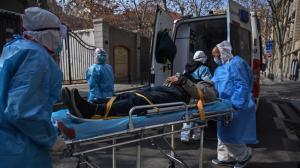
Individuals who spoke out about COVID-19’s experience working under difficult and inhumane conditions appeared to be silenced shortly after. This reduces responsibility, makes people more prone to errors, reduces best practices, and increases risks.

No matter where you are, it is never a good thing when your teachers, nurses, or doctors leave.

Some countries are tired of the lack of job satisfaction, inadequate facilities, flawed healthcare systems, and subpar educational systems. It’s not just about who holds power or controls the narrative, or which receiving country can pay the most.

Experts explain that this value is crucial for both personal growth within a company and for external factors like salary and job stability.

Those who have departed or are eagerly anticipating that phone call frequently discuss the antiquated Occupation Health and Safety laws, the absence of a robust pension plan, and the concerning lack of regulation that compromises protection and ethics, particularly in the field of medicine.

Prior to COVID-19, there were plenty of discussions about the pressing need for better technology, supplies, and equipment to save lives, including newborns.

These concerns echoed through the hospital wards. According to some individuals who have departed earlier, certain facilities allegedly put both nurses and patients at risk by increasing their likelihood of contracting an infectious disease.

In numerous regions plagued by ineffective governance and widespread allegations of corruption and mismanagement, the brain drain has a significant impact on various sectors, extending beyond healthcare.

It’s unfortunate that these issues continue to persist, makes  the potential for migration and impeding local socio-economic growth.

COVID-19 really brought attention to that big elephant in the room.

COVID-19 revealed the lack of preparedness in even the most affluent industrialized nations with top-notch medical facilities, not to mention economically challenged territories.

The stories reverberate with the challenges of limited resources, exhausting work schedules, emotional strain from witnessing loss, and the frustration of not being able to apply their expertise to save lives.

Photo by Laura James

Although government policies provided monetary relief and supplies, aided financial markets, and stimulated economic activity in response to business closures and unemployment, experts cautioned that it may be too late to retain many professionals seeking better-paying jobs and security.

Today, it’s clear that keeping nurses local takes precedence over any stimulus package passed by governments worldwide.

Regrettably, these packages won’t be able to fill the shoes with these professionals or bring back the countless lives lost on the front lines.

In addition, there is frustration among these dedicated workers, some of whom have also been infected with COVID-19 and have become victims of inadequate medical systems. Some also have concerns about difficulties in balancing work and family responsibilities, as well as emotions during this pandemic.

The choice of remaining or returning

Today’s new set of nurses may be the current focus, but this issue extends to various critical industries, including education. Numerous reports have indicated that once these individuals are trained, a significant number of them choose to leave.

Regrettably, it’s not just those who will be departing. Year after year, a multitude of bright young minds in the Caribbean and beyond embark on their journey to acquire nursing degrees and essential medical assistant training in places like Germany, Cuba, Canada and the United States.

Healthcare studies reveal that a significant percentage of medical systems are now hiring nurses who have received their education abroad. This trend is on the rise and shows no signs of slowing down.

The role of a nurse is equally vital, alongside that of a skilled doctor, a dedicated police officer, a passionate teacher, and other professions that contribute to our community.

Their presence in these facilities often allows families to have apiece of mind, sparing them from taking time off work or enduring a night on an uncomfortable chair while waiting for a doctor’s response.

These first responders have a multitude of roles beyond just being doctors’ assistants. They are the ones who ensure everything runs smoothly, from setting up a clean bed to accompanying patients, even those with mental health concerns.

Additionally, they offer guidance and comfort to families during difficult times.

The workforce of a country plays a vital role in its capacity to innovate and thrive in a global economy. Ensuring the well-being and sustainable development of a nation showcases its capacity to cultivate capable individuals and proactive problem-solvers with invaluable expertise. Providing incentives is crucial for maintaining a motivated workforce.

Studies have indicated an increase in demand from countries like the United States, Canada, and the United Kingdom, as well as other nations affected by COVID-19 will be looking to address the exposed gaps, and the shortage of well-trained nurses.

Working visas that are in high demand have become an irresistible opportunity for many to embark on a journey towards permanent residency. In the event of another pandemic, these nurses will be prepared with a surplus of gowns, masks, and ventilators.

Moreover, scholars reported that recruiters are cognizant of the profound influence imported nurses have had on numerous industrialized nations, notwithstanding recent restrictions on immigration prompted by politics, prejudice, and other ideologies towards certain immigrants.

Many industrialized health care systems, economic progress, and social development are all eagerly anticipating the arrival of the subsequent cohort of prospective applicants.

There are also organizations and support groups stand to benefit from assisting many of these young students in migrating from their home country with these critical skills.

PART II

After graduation, it is more than a paycheck for these professionals.

Brain drain is not always about money, but also a better work-life balance (spouses, parents, children’s future), with the hopes of a well-prepared system and organizational management, job protection, and consistency.

Even for those who may consider looking beyond the local issues and wanting to return to their native land to give back, and escape from the harsh weather, it is the responsibility of the leaders to create incentives for those trained individuals to return or, as mentioned earlier, to encourage them to stay locally.

Again, it is more than just nurses who want to leave these locations, as I know from working with some of them who have shared their personal experiences.

These nurses’ future departure is not due to poor leadership alone, gender equality, or nationality desertion. Few will admit the lack of a good education and there little few investments in research and development.

In addition, numerous manufacturing companies have departed from the town, which could have provided an alternative career path for many individuals in these impoverished and developing nations.

Unfortunately, the few success stories now face enormous student loans, under employment safety concerns due to high crime, and reports of inadequate support structure to alleviate emotional scarring.

Today, some argued that veteran nurses are skipping vacations out of fear of losing their jobs, which could result in the current wage being reset after years of hard work.

They discussed how, while missing their own country, sometimes being in isolated locations, and having some difficulty adjusting to the culture, the benefits outweighed the negative aspects.

They are critical areas to a nation’s economic stability and prosperity, such as urban planning, social workers, corrections, counselors, notably substance abuse and mental health, technology, and sports medicine, which are now contributing to these other countries’ robust healthy economies.

Although some have returned, there is still a significant gap between the haves and have-nots in many Brain Drain countries. The question is not if they will depart again, but when.

Viewing closely:

Healthcare experts and scholars predict that the demand for hospital and home-based care will increase in the coming decades due to factors such as the aging population and the ongoing impact of COVID-19 and other medical issues. As a result, the role of nurses will become increasingly vital in meeting these growing healthcare needs.

Take for example, experts have noted, the Caribbean Single Market and Economy’s promise of collaboration remains emblematic as the global hunt for talent continues.

During the height of the pandemic, instead of collaboration, there was a sense of competition in various areas. It became more of a race for equipment and Personal Protective Equipment (PPE), with participants engaging in fierce battles akin to modern-day pirates. Supply and demand turned into a political sport.

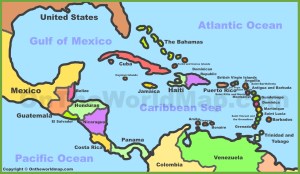
Poor and emerging countries, as well as several dominant Caribbean islands like Jamaica, Trinidad and Guyana, Belize, Haiti, and other Latin American and African countries, whose long-term economic illnesses have debilitated major public medical institutions for decades, stand to lose a lot from the ongoing brain drain.

Efficient collaboration in healthcare is crucial to ensure that all CARICOM members, particularly those in underprivileged areas, have access to comprehensive medical care beyond vaccinations.

This collaboration should also extend to the educational system, in order to cultivate and educate young individuals in various sectors of the economy.

Many young individuals are not willing to incur significant student debt in order to pursue a successful career. One of the reasons individuals choose to leave is their willingness to sacrifice training demands. Once they complete a program, they exit.

Furthermore, the current medical system, which has outgrown its aging population, as well as the rising cost of healthcare, must be addressed.

Traveling , especially the more remote ones, can be quite a journey to get to a medical facility. It’s not like those well-organized places with better accessibility. 

Haiti

Ensuring the safety and well-being of these invaluable medical professionals goes beyond mere bed space availability or the number of press conferences held.

It’s about holding the medical system to a higher standard, reducing turnover, and safeguarding these dedicated workers.

Additionally, creating a structure that connects job enjoyment and organizational dedication to all parties involved, rather than just for profit alone.

The complexity of care remains a global challenge.

It would be worth exploring a system similar to Cuba’s, where, despite travel limitations, Cuban doctors and nurses have contributed their experience to the fight against various diseases and pandemics. Caregivers are becoming increasingly important globally, regardless of political systems or financial arrangements.

While the region is fortunate to have some exceptional doctors in private institutions, it seems that a few of them are nearing retirement and could benefit from staying up-to-date with the latest cutting-edge technologies.

There are reports of little modernization throughout these regions, but one cannot have faith in the system if some leaders appear to have a “pre-existing condition” that is a defensive and basic question asked about the number of people tested for COVID-19, or died or other socio-economic numbers like crime, poverty rates, but stimulus checks handed out are published.

Politics should never exploit or divide the valuable experiences of caregivers, regardless of their origin or location. Their roles are absolutely crucial, extending far beyond the mere act of making a brief appearance at a nearby store to hastily fix a road just a week before an election.

While there may be arguments that things are improving, it is important to consider how people feel as another aspect of the equation.

Today, you may be on a bus, train, or subway, and the next person in uniform, if you can inquire where they are on their way to their next shift, give them a seat if they need one; after all, a country’s economic growth is determined on how healthy its society.

One-Time
Monthly
Yearly

Make a one-time donation

Make a monthly donation

Make a yearly donation

Choose an amount

$2.00
$3.00
$5.00
$5.00
$15.00
$100.00
$5.00
$15.00
$100.00

Or enter a custom amount

$

Your contribution is appreciated.

Your contribution is appreciated.

Your contribution is appreciated.

DonateDonate monthlyDonate yearly

Follow My Blog

Get new content delivered directly to your inbox.

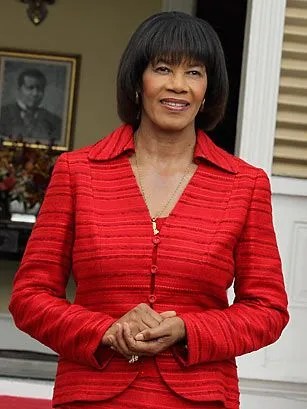
This Women’s History Month, let’s honor Portia Simpson-Miller, former PM of Jamaica`

By R.D. Miller

A Brief History: When we commemorate Women’s History Month, it serves as a reminder of the significant progress women have made over the years.

For instance, in 1893, New Zealand became the first nation to grant women the right to vote, and more recently in 2015, Saudi Arabia followed suit.

Challenges persist in our current society, with issues such as socio-economic inequality, gender equity, and racial and cultural divisions.

The Politics:

Despite differences in opinion, the Honorable Portia Simpson-Miller has made significant contributions to the advancement of women in the Jamaican government and the Caribbean region

In addition, her historical achievement cannot be reduced to a mere electoral defeat. She provided young girls and women with an opportunity to envision a future filled with possibilities, encouraging them to overcome obstacles regardless of their political affiliations.

Although many of us may not possess the necessary expertise to discuss women’s issues, we are fortunate to reside in a time when leadership is diverse and inclusive, regardless of gender.

However, it is important to acknowledge the challenges that lie ahead in achieving equal opportunities for women.

The Hon. Prime Minister-Jamaica Portia Simpson-Miller 3-2005–2007 and 1-2012-3-2016

Occasionally, it is necessary to pause and reflect, without any prompting, on the challenges at hand.

By carefully examining the errors and acknowledging the achievements of those who have triumphed over adversity, we contribute to the advancement of our society.

The complexity of what is not being said

The nation recognized the significant ascent of the former Prime Minister, while the opposition party capitalized on the discontent among young people who had a broad agenda that resonated with the majority of the electorate.

They expressed a desire for increased responsibility and a clearer plan for their future, as the time had come to transition from two decades of her party’s leadership.

Whether they will experience improvement in the period leading up to the next electoral cycle is a matter that only history can determine.

The 2016 election took on a significant role beyond initial expectations, with ample blame being assigned, as is customary in any election.

There are those who have contended that the party failed to acknowledge the socioeconomic divide and the trajectory of the nation, necessitating a greater sense of accountability and openness.

Some observers pointed out the internal challenges she faced, and how she made the decision to step down from seeking re-election in order to maintain her position as the first female Prime Minister of Jamaica and leader of the National People’s Party.

Many locals argued that they do not know for sure what was given up, but it was a generational shift, led by a new leader who used technology, and promises to galvanize the younger voters.

The once local street politics- door-to door moved to social media, and that generation was much older and more difficult to reach, but it does not take away from the centrality of women in the region future.

Unfortunately, when women are in positions of power, it seems pundits often raise more questions about their leadership abilities and downplay their potential for collaboration, instead focusing solely on their acquisition of power.

While democracy flourishes with a diversity of opposing perspectives. Nevertheless, when political discourse takes a vitriolic, abusive, and hateful turn, it only serves to reinforce the difficulties and obstacles surrounding their vision, as well as the harsh reality of misogynistic views that further erect barriers.

The bloggers and pundits were quick to react on social media. She displayed a lack of assertiveness, high expectations, and a loss of concentration, as well as a disconnection from the community and other related matters.

However, few discussions revolved around the impact of political parties on women’s candidacy. They face stereotypes that hinder their progress, which adds to the ongoing struggle for gender equality.

Of course, there were individuals who found themselves frustrated with their economic circumstances, rising crime rates, and the limited prospects for recent university graduates burdened with substantial student loans.

They also had to contend with high inflation, unemployment, and a growing divide between the privileged and the less fortunate.

Portia was well acquainted with the absurdity and fervor of the media. In 2004, newspapers highlighted a situation involving Christopher Charles, who questioned her actions as a member of Parliament.

They raised concerns about her decision to abstain on a resolution that criticized the insufficient funding for local fire services. Perhaps this inquiry has never been posed regarding an individual.

Her time in power has brought attention to the significant challenges faced by women in these arenas, such as the struggle for equal representation, collective goals, effective leadership, fundamental rights, and overall security.

However, from her loss emerged a fresh start that made a lasting impact, illuminating a path for the next generation of female leaders in the region.

The scorecard

Over time, as is the case for many individuals who have experienced a setback in an election, it can take a while for the policies that have been implemented to gain traction.

The future leader will come to appreciate the advantages. Similarly, they have the ability to overturn policies that do not align with their political philosophy.

It is often argued that when the economy declines or crime rates rise, past leaders are often held responsible, while current leaders are quick to claim credit for positive outcomes.

This tribute does not focus on the nation’s growing social inequality or the positive outcomes in various areas, nor does it assign responsibility to any particular party, as there is ample blame to be shared.

Historians specializing in economic policy in the region will have access to comprehensive data on various aspects such as GDP, debt ratio, wages, investments, healthcare spending, education, crime, infrastructure, construction, imports, and exports throughout her tenure in office.

The administration portrayed a vehicle ascending a challenging incline, encountering minimal obstacles and rough patches along the way, as it progresses towards a more seamless path until the next driver assumes control.

The bumpy journey was the result of long-standing shortcomings on the part of both parties to develop a holistic approach to address the complex issue of crime, poverty, and the declining middle class.

Appreciating the former prime minister’s success involves a nuanced understanding of the complex political landscape during that election cycle.

It is not merely a matter of revisiting or rationalizing the provocative nature of their campaign, nor is it about dismissing the concerns of new voters or the perception of a one-sided economic policy favoring the wealthy and foreign investors.

This essay highlights the significant impact of women’s leadership and their valuable contributions to the region. It encourages readers to consider the potential for progress, irrespective of political affiliations.

Every election has consequences

Her defeat once again highlighted the ongoing challenges faced by women in various domains. Whether it is a woman running for office, or working in a male-dominated environment.

They often encounter significant obstacles when advocating for important issues such as inclusion, shared priorities, women’s rights, gay rights, security, and environmental protection. Unfortunately, these efforts are frequently met with strong resistance.

Even in the present day, there continues to be a significant lack of female representation in global parliaments, with studies consistently indicating that women make up only around 20% of these governing bodies.

This under representation is even more pronounced in ministerial positions. And I don’t need to extensively analyze or review feminist literature as a man to recognize that decision-making by multiple women is often a challenging task that is met with more resistance compared to their male colleagues.

In reality, it will be the responsibility of the region’s historians and scholars to address and resolve these inquiries.

Did her leadership differ from the other leaders?
Does her policy represent women’s interests?
Are there still echos of the same concerns today?

The pursuit of equality is not a matter of chance, as some individuals in the media may mistakenly think. Success is often determined by the level of preparation, hard work, and dedication that one puts in, regardless of whether they are promoted or not.

Portia Simpson-Miller and other remarkable women who have significantly contributed to the betterment of our world should not be solely evaluated based on a limited set of economic measurements.

Of course, it is essential to have a deep understanding of geopolitical, social, and economic issues and their connection to everyday situations, such as a corner shop operating without electricity or running water.

Collaboration is crucial in addressing the pressing issues of high unemployment, corruption, and crime. It is important to prioritize spending, with a focus on investing in education, healthcare, and environmental protection.

However, it is also essential to be mindful of the unique circumstances and needs of each local community.

The cultural stigma that lingers:

Unfortunately, the political arrogance that arose from colonialism has caused certain individuals to believe that a leader must have graduated from a prestigious university, obtained a law degree, or pursued a Ph.D.

This mindset has resulted in the perpetuation of outdated laws in government and the reinforcement of a class system. Nevertheless, her success demonstrates that even those with fewer advantages can rise to positions of leadership, starting from modest origins.

Her active involvement at the highest level will inspire others to exercise their legislative power for the betterment of the country.

It is crucial for individuals to have the freedom to think independently rather than simply conforming to group dynamics.

Only then can we effectively tackle systemic issues. Despite her shortcomings in political leadership, her unwavering determination and other achievements remain noteworthy.

She discovered a harmonious equilibrium between optimism and oppression and has consistently proclaimed, “indeed, she was capable,” preceding even the pronouncement of U.S. President Obama, “Indeed, we are capable.”

She has dedicated herself to the public for decades and has demonstrated that when women are empowered and actively involved in decision-making, they contribute to the creation of a more prosperous society.

The Region’s Prime Ministers club to-date.

Eugenia Charles, 1980 – 1995 Dominica

Kamla Persad-Bissessar, 2010 – 2015 Trinidad and Tobago

Women’s Coalition Continues to Play a Vital Role in Shattering the Glass Ceiling:

Research has demonstrated that when women collaborate and address factors that foster strong connections among them, society reaps the rewards.

I do not possess the ability to vote, nor do I align myself with any particular political party or hold any personal inclinations regarding who should govern the nation. The key to uplifting this aspect of our heritage lies in the pursuit of effective governance..

Regardless of the obstacles, limitations, political considerations, and even differences of opinion, it is important to acknowledge and celebrate every Women’s Month, including her birthday.

The accomplishments cannot be reduced to a single election, but rather leave a lasting impact for young women to aspire and achieve their goals.

Thank you: The Esteemed Simpson-Miller was a trailblazer, even though she may have missed out on some recognition, she motivated generations to assume greater leadership positions in government.

Even the knowledge gained from these lessons was crucial for gaining a deeper understanding of the forthcoming obstacles.

When you take a step back and offer guidance to the younger generation, they will gain a deeper understanding.

Regardless of political differences and personal opinions, the significance of public diplomacy cannot be overlooked.

I had the opportunity to witness this firsthand, and it was truly fascinating to observe and listen, even though I was relatively young and on duty at the time.

May I say, today, you appear quite impressive at the age of 70, and it would be beneficial for the island of Jamaica to have your continued presence in order to offer further oversight and vocalize your thoughts, now that you have the opportunity for introspection.

Condoleezza Rice, the 66th Secretary of State of the United States, and Honorable Portia Simpson-Miller dancing. Reggae .

At the end of the day, poverty and inequality remain a rough wave on the shores for the downtrodden, so regardless of politics, hits and mistakes, we have to stand back and honor her dedication to public service. Let’s hope who comes next will succeed.