What color, or multicolored dynamic, defines governance?
Ever since Mark Jefferson Golding became the leader of the People’s national Party (PNP) in November 2020, Jamaica’s motto, “out of many, one people,” has become a subject of political scrutiny.
The country is no stranger to heated elections; since its independence from British rule in 1962. Experts have often compared the battles between political parties to atmosphere-like tribes vying for territory.
No matter whether the party is in power or who backed the previous election, many voters seem to swing like a pendulum, but not always smoothly.
Within the intricate framework of Jamaica’s class system, the dynamics of social status and political affiliations frequently assume a pivotal role in ascertaining an individual’s standing.
However, in the current version of this general election, the main focus is on the realm of eligibility, resulting in a multitude of disagreeing inquiries. Is this truly the underlying reason behind it?
In today’s political atmosphere, which has seen more conflict than cooperation in many aspects of our society, the hidden question is. Should Jamaicans elect someone who appears to be descended from the Royal family tree, especially after independence, given the role colonialism played in their forefathers’ lives?
Say it loudly, then change the constitution.
The democratic system in Jamaica has demonstrated remarkable resilience in the face of the post-independence in 1962.
For many years, there has been an unsaid question: which hue is best suited for modern Jamaican governance?
Some politicians seem to be leveraging the challenger’s British dual citizenship and ignoring his Jamaican birth certificate.
According to local media, opposition leader Golding recently stated that he does not have to choose between the two.
Critics argue that he must publicly commit to Jamaica alone to lead the people. Many hope this is not a “Birther” debate like elsewhere.
Sadly, the “us and them” mentality may stem from humans’ innate tendency to split the world into groups and favor their own, but this political strategy can be dangerous.
Could the nuanced suggestion of using one’s color as a way to gauge Jamaica’s representation, while also recognizing the possibility of adjusting eligibility, sway voters to change their voting preferences?
Nevertheless, the paramount concern in the forthcoming elections is not eligibility, but rather the image that should guide Jamaica.
Though I am not an expert on Jamaican politics, it may be time to examine the situation more closely because many government officials may also be dual citizens or have green cards, which entitle them to permanent residency in other nations.
Born in Boston, Massachusetts, United States, Edward Philip George Seaga, was a former prime minister of Jamaica, had Lebanese Jamaican parents.
Edward Philip George Seaga: Former Prime Minister of Jamaica
Based on reports, Golding is running a strong campaign. The incumbent’s path to victory, again, may have more holes than many local roads.
Experts noted that he has a good chance of becoming Jamaica’s next prime minister.
Apparently, many noted that it seems race or ethnicity is now a factor and a distraction in the fight against crime, poverty, and corruption to develop the nation going forward.
Many who blamed rising inequality, poverty, corruption, and criminality for the then-political and economic turmoil are now asking what has changed since 2016.
On this governmental surfboard, there is a never-ending political balancing act.
Jamaicans faced challenges once again during the Holness administration in 2020 due to the economic impact of COVID-19, which has affected economies worldwide.
The local challenges it presented also exposed the deficiencies in the healthcare system and the service sector economy, shedding light not only on Jamaica but also on the vulnerabilities of the surrounding regions.
Sure, vacationers are arriving in large numbers, but who is actually hopping on a surfboard after a long 10-12 hour shift or stocking their pantries till the next paycheck?
Even with better roads and technology today, if you have not driven on one, have internet access, or have running water, there’s hope, but it depends on your economic status that may be the ultimate driver.
Years later, reports show that wealth discrepancies persist, as does a generational shift that contributed to JLP’s success.
The party now claims to have the requisite knowledge to keep its promises, but one wonders if this is too little, too late, or just another example of a never-ending cycle.
Those younger voters who were key to the JLP’s win are now grown up and continuing to fight for that economic balance on both sides.
The political shift
Following an extended period of governance by the PNP, there has been a visible political shift across several constituencies.
In 2016, experts pointed out that the electorate needed a new route from the PNP, longstanding politician Portia Simpson-Miller.
Despite some voters’ opinions, particularly on the opposing side, then-Prime Minister Simpson-Miller’s triumph over a male-dominated system was a significant accomplishment for Jamaica and women.
Former P.M. Simpson-Mill/er and PM Holness
Jamaica had another election in 2020 during the pandemic, which the opposition deemed unwise. Despite P.M. Holness’ internal discord, the JLP used Dr. Phillips, low-polls to their advantage as rivals perceived him as part of the previous system.
Andrew Holness was sworn in as prime minister for a second term on September 7, 2020.
What would a third term entail, given that the same questions have persisted for decades under both parties, particularly concerning the marginalized? What has changed?
Commentators predict that the 2025 general election will be a referendum once more, testing the administration’s authority, and even the Constitution as another fight approaches the ring.
What have you done for me recently, and how do fresh voters on both sides fit into the daily calculations long-term?
Campaigning for the 2025 general election will be different. Visits to local shops, cash distribution, playing dominoes, dancing to tunes, and temporary road repairs will not win either side.
Today’s voters are dynamic, media-savvy, more educated, and willing to work with dedicated party members to improve their lives, their parents’ lives, and the community.
Fortunately, they are also able to discern what party is saying, “Thank you, Jah, for what you have provided with the JLP,” while others are shouting Bob Marley’s line, “Even though the rain is falling, the ground is still tough, and a hungry person becomes an angry person.”
So, you want to play the game : prints, posts, tweets, or wild ride of statistics, and news headlines!
Critics argued while then-Prime Minister Simpson-Miller was learning the internet, charismatic rival Andrew Holness was like a vanguard of technology, especially among younger people, and masterfully controlled the narrative that was so critical in his 2016 triumph.
Today is different, and in a similar fashion to the JLP in 2016, the PNP team has taken to social media to challenge the JLP’s narrative on various issues by sharing their own data and figures.
Both sides will present poll results, favorability ratings, local income, economic growth, infrastructure spending, taxes, completed buildings, trade deficits, healthcare development, crime, jobs, poverty, unemployment rate, new roads, and national growth.
Choose one today because there will most likely be others before the 2025 election.
Today appears to be the best photo-ops contest. Unfortunately, if one party attends a local school or travels overseas within 48 hours, it seems the other does too.
A voter said, “Both parties brag about the drop-in crime rates, inflation, and list of achievements over the past ten years or more, but I can’t see it on my side of town.”
“We saw Haitian deportation and Chinese immigrants arriving.”
What is in it for me now, and what have you done for me lately?”
Today, voters expect results and accountability. Many are tired of upward mobility feeling like a lottery to advance and enhance one’s life.
Young college graduates must decide whether to immigrate to avoid intellectual loss or underemployed with economic uncertainty.
“People will forget what you said and did, but never how you made them feel.” Maya Angelou.
“Every day is a never-ending struggle to navigate the treacherous landscape of maintaining how to pay back a student loan,” a student said.
They worry about how to afford a house in the pricey real estate market after college. Since many of their parents are teachers who could use additional educational resources, they are aware of the school safety meeting that follows every conflict and the blame games that are played on both sides who had an opportunity to resolve these problems.
Even when professionals signal a drop in crime, the dispute over perception and reality continues. They are aware of the funerals performed for young victims murdered by criminals, and often unresolved.
Fear is several local businesses closing many shops early, limiting street sellers and making block party licenses tougher to get to reduce crime.
What have you done for me lately? The rising prices of vital food goods, such as a loaf of bread you bought a year ago for double the price and much smaller, is frustrating not only in Jamaica.
Regrettably, price gouging is a common issue faced by many in the local community. Even with existing laws, their enforcement is lacking, leading to hoarding and worsening shortages, particularly in times of emergencies. These elevated prices persist unchanged even as inflation decreases.
The recently issued US$150 million catastrophic insurance disaster bond may not matter to voters, though it is important.
What have you done for me lately? Mental health, substance abuse, and career opportunities for the overlooked must be addressed by the government, even though it cannot fix everything quickly.
The other neighborhood on this side of town?
In what seems to be a hostile political climate, some voters are blocking roads that have hurt local businesses to attract public authorities’ attention to neighborhood issues, as reported.
Unfortunately, disrupting and dividing your once-close communities with politics never works. You failed, not them!
Many expats, some of who are oral historians, expressed sadness about the ongoing behavior for decades.” Politicians often give money and alcohol to clean up trash, the tension dies down until another election draws near, but this is unsustainable.”
A monthly election seems vital for progress. Unfortunately, many people vote without considering their long-term well-being, waiting excitedly for the outcome as poverty rises!
After most elections, shops increase prices, schools and hospitals need repairs, including road upkeep, and community conflict persists. Economic survival seems to be limited to the wealthy and connected.
Despite the rain, to summarize Bob’s song. But those without the means to plant seeds—the impoverished in particular—are frequently ignored as though there had been a drought.
Hovering near the ballot box; foreigners [Expats] chimed in:
Recently, on May 10, 2024, many expats marched in New York to protest export fees, crime, the economy, and corruption.
According to a local outlet, many pundits say it has not shaken the government, and they were unpatriotic.
While it might have minimized the march from different viewpoints, the remittances and other disposable resources being sent to these shores have played a vital role in improving the lives of many local families and have contributed to the overall GDP.
Jamaican elections, like competitive sports, require extremely tight rules. Even when injured, many athletes must continue playing, especially if their competition is ahead or gaining an advantage.
Both sides appear more interested in fighting than addressing problems. As each side attempts to discredit each other.
Skepticism of politicians, government, and media persists. Many communities are skeptical about moving the nation forward through change and compromise.
While thoughts on the future of this lovely country and who will win the next election differ, the amount of people who turned out in the rain may have influenced non-voters, whether via heritage or an interest to watch the local news.
Except for people who share what data works from both sides, few voters will stop playing dominoes to analyze socioeconomic facts.
As noted earlier, the key, as the generation evolves, is to avoid being caught up in political polarization from either side. Form an “apolitical” group that holds leaders accountable on various issues including education, climate, equity, justice, inclusion, policymaking, work, and the economy.
Finally, each decision is about the future, not what’s in it for you today.
There are significant discussions going on, but in the end, one’s view of their own economic potential may have a greater impact than data or the legitimacy of their passport for government.
Throughout the month of October, countless women of all races, cultures, and economic backgrounds gathered in pink across the globe in a variety of awareness platforms.
As one friend put it, it’s not about girls gaining power. Simply put, it is to eradicate a silent killer known as “Breast Cancer,” which affects both men and women.
Our health is more than just a walk, run, and wearing pink once a year in October. It is assisting families who have lost a loved one, are still fighting, or have survived, as well as raising funds for research to find a cure.
Every year on November 19, which is recognized as International Men’s Day, more than a few tweets are sent.
Though it focuses on men’s health, enlightens gender relations, emphasizes the importance of male role models, and promotes positive masculinity languages, it must also address the barriers and taboos that some males face when it comes to their health.
Cancer is still a personal issue, not a water cooler topic, and I believe more men need to form bonds in order to learn about their medical issues.
This issue does not need to be postponed until a prominent individual comes forward to inspect our bodies- (man’s parts).
Because men do not wear bras or have breasts like women, they are not immune to breast cancer, and we must dispel this myth.
Awareness is essential for changing patterns, but a willingness to change is even more important.
When the “Me-Too” movement against sexual harassment and assault gained traction, many powerful men resigned. Some became deafeningly deafeningly deafeningly deafeningly deafeningly deafeningly deafening.
Photo by Tara Winstead
Despite the fact that some denied and minimized their actions, this topic has brought more attention to this once-hidden subject.
However, regardless of the opinions expressed, “consciousness” is essential in any society in order to develop new road maps for a more suitable quality standard of living, which includes physical health, family, education, employment, wealth, freedom, tolerance, the environment, and safety.
Awareness is essential regardless of where you live, but you must also make changes to improve your lifestyle. It could be as simple as working together to develop a shared understanding of what you put into your body.
Furthermore, ensure that you have access to a valuable-healthy grocery store as well as a good healthcare system.
Despite the fact that male breast cancer is extremely rare, medical reports show that 350 males are diagnosed each year, and it affects adolescents as well as men between the ages of 60 and 70. Early detection remains critical, and vital examinations may save lives.
According to medical experts, it is a malignant tumor that develops from breast cells. “A malignant tumor is a collection of cancer cells that can invade surrounding tissues and spread to other parts of the body.”
If you are reading this, I am not a celebrity who was diagnosed with the disease in order to persuade you to see a doctor within the next 24 hours. I do, however, have family members and a friend of a friend who has died as a result of this disease.
Photo by RODNAE Productions
People of color, according to the Centers for Disease Control and Prevention (CDC), have a higher risk of contracting this illness, as well as other cancers.
Know the signs and ask questions, and follow the science
Males have a lower risk of developing breast cancer than women, according to the International Journal of Caring Science and other leading oncology studies. However, it remains high, particularly among men with a history of testicular pain, as well as those with a genetic predisposition, radiation, excessive alcohol consumption, liver disease, and obesity.”
Unfortunately, if you have less access to a decent and affordable health care system, you may be one of several families who are still looking for answers as to the exact cause of death for a loved one.
Medical professionals classify breast cancer symptoms such as nipple swelling, discharge, and rashes around the boob. It also houses millions of cells and hormones in both boys and girls during puberty, as well as swelling of the chest and lymph nodes under the arms.
Often, by the time some patients realize they have this disease, it has already progressed to its terminal stage. Not everyone has the financial means to travel outside of their communities to receive excellent care.
Simply changing the word “Women Issues” to “Men Issues,”, particularly for black men, will result in a plethora of other socioeconomic topics dominating, such as criminal justice, higher unemployment, poverty, violence, and less access to healthcare.
R.D.
Cancer was associated with and regarded as a “lady” disease that affected their woman’s parts, the breast, and womb, according to medical experts. And that belief is still a dangerous weapon in the fight against one’s health problems.
Underneath that tough-guy persona, he frequently requires your assistance. Yielding our vulnerability makes us appear weak in the face of societal pressures and the way culture and modernization have led us to believe.
Many men, for example, would openly admit that they relied on Viagra for sexual dysfunction because their self-esteem was as important as their influence.
This attitude sometimes prevents some people from visiting even female doctors or from participating in pink or a walk to raise awareness.
Addressing men’s breast cancer and other medical issues quietly remains a taboo entwined with social stratification, illiteracy, and medical disparities.
Many leading Cancer Societies recommend the following basic questions for your doctor to ask:
Do you have breast pain?
Do you have a lump?
Nipple retraction, or skin changes?
How equipped is your doctor?
How informed is your physician?
Where does he or she receive their training?
The success percentage of treating this disorder or any other?
Collaboration with other practitioners?
Do you have an external evaluation of your labs?
Access to high-quality, low-cost health care saves lives.
The lack of social responsibility by several elected leaders whose economic agendas in all political parties failed to confer inadequacies, and where under-funding of critical facilities only added to the burden.
Access to proper healthcare remains a barrier in many communities today, separating the haves and have-nots.
Distance to adequate facilities, like the high rate of unsolved crimes in closed files, is a source of distrust in many impoverished and developing countries. Alternative medicine is frequently used by these patients, not only for breast cancer but also for other diseases.
The ongoing debates about the cost and quality of care, as well as how many patients’ life savings have been depleted by years of medical office visits with no clear answer?
The lack of accountability, resources, and the sheer number of people under one doctor’s care, as well as the high cost of treatment and accurate referrals, can all discourage others from seeking medical attention.
Furthermore, given the lengthy wait to be seen or admitted for treatment, “why bother showing up?” one person argues.
Failing to recognize professional limitations can result in other barriers, such as the need for appropriate medical equipment to diagnose these symptoms to well-trained staff. And, before they can admit one, they must address the issue of upfront payments.
Equally important, an assurance that decent treatment is being provided should take precedence over profit, as personal ethics should not conflict with care and accountability. When someone dies as a result of a misdiagnosis or delayed treatment, it only raises more questions.
Accurate analysis is required to ensure that these medical systems provide precise answers in order to build trust in many of these medical systems, particularly in impoverished communities.
Many bereaved families are frequently often left with unanswered questions or are abandoned as a result of these tragic events.
Today are unsure whether it was cancer, a heart attack, malpractice, diabetes, high blood pressure, or the prescribed medication that caused their loved one’s death.
Photo by cottonbro o
The International Laboratory Accreditation Cooperation (ILAC) has developed standards that many countries have adopted, and some of these rural facilities may implement more stringent oversights in the delivery of competence services along these shores.
Creating a brotherhood to aid in early detection.
Today, I believe that more men should take a moment to reflect on their health, form a brotherhood to fight breast cancer and other diseases, and provide a platform for engagement rather than isolation due to fear.
Furthermore, design similar approaches, such as political campaigns commonly used to advance the agendas of local political leaders to elected offices, which frequently fail to address community healthcare issues that are critical to the quality of life.
This month and beyond, I encourage more men to take a stand for good health, including colon cancer, high blood pressure, diabetes, mental health, heart disease, substance abuse, and other illnesses.
Despite the fact that uninsured people are less likely to receive medical care and are more likely to have poor health status, studies show that there are a few excellent physicians tucked away in many small communities.
Accept even if today’s medical check will be performed by a female doctor. Local home-grown and self-medication may alleviate symptoms, but it will not cure this disease, which will affect many more men in our lifetime.
Male Breast Cancer – awareness andbeyondthe nipples
Men’s health will continue to face challenges as they navigate the socioeconomic divide, taboos, disparities, distrust, and access, and breast cancer isn’t the only potential medical check that should be on your list this year:
Photo by Ketut Subiyanto
They may be limited in terms of resources, but they play an important role in situations where early detection is critical in saving lives and avoiding unnecessary financial burdens when it is too late to change course.
Making an appointment with a knowledgeable physician is the first step toward a healthier tomorrow.
The next Father’s Day gift could be to accompany a loved one to the doctor.
We are all connected, regardless of socioeconomic status, race, culture, religious belief, gender, or location, and cancer does not discriminate.
Photo by fauxels
Finally, allow the doctor to acknowledge your concerns, even if it is only for the purpose of providing a psychological intervention until the next exam.
Tourism has historically been the Caribbean region’s economic motor in former colonial rulers left more of the region.
It is the world’s most tourism-dependent country region, according to the World Travel and Tourism Council (WTTC) and the United Nations World Tourism Organization.
According to analysts, this business contributes to as much as 40% of the Gross Domestic Product on some islands (GDP). Since COVID-19, travel expenditures have decreased by an astonishing 42% (about $500 billion).
International travel and business travel had the biggest losses, with analysts estimating that international travel spending decreased by 76% and business travel spending decreased by 70%, respectively.
As unemployment rose and the domino effect persisted around the world, local businesses that had benefited from tourists were forced to close their doors even further.
It appears that every small business operation has dried up, and only a few of the fittest have a chance to maintain a normal standard of living.
Photo by Nathan Cowley
The levy that was previously in place has been relocated.
A few decades ago, some of these countries had robust economies. Sugar, banana, coffee, poultry, and bauxite companies, as well as a variety of other businesses, were critical to the area’s economic existence.
Globalization and technological advancement resulted in the selling of numerous businesses to foreign investors, as well as the transfer of personnel to save costs. However, according to numerous accounts, some of this global change was self-inflicted as a result of weak governance, as several leaders would concede.
Experts attribute the disinvestment to a range of factors, including decreased labor costs, increased tax benefits, the facility no longer having enough space to suit their needs, unforeseen business challenges, employee safety concerns, and the finding of better talent. Millennials, for example, possess young, innovative talents.
These jobs served as an economic engine, providing a safety net for what would have been the middle class today, which no longer exists, as well as others from a local mom-and-pop store strategically tucked on a tight road.
Photo by Skitterphoto
Many enterprises that had lasted for a decade at the expense of local communities either lost their competitive price or failed owing to enormous imports, poor management, lower output, and corruption.
These industrial closures have had an impact on neighborhoods that rely on small businesses like retail shops, restaurants, pubs, and street vendors.
It has widened the wealth gap and increased unemployment, particularly in the Caribbean’s dominant islands of Trinidad and Tobago, Guyana, Haiti, Dominica, Jamaica, and the Bahamas, as well as in other parts of Latin America that were already in dire need of economic stimulus.
Furthermore, regardless of whether political party is in power, the social division has risen with each successive generation, as have poverty and inequality.
Today, it appears that many philanthropic organizations are seeking donations rather than providing a space for the next generation to generate new ideas, which is critical to the long-term sustainability of these shores.
Taking from Peter to Pay Paul:A fine line to walk in terms of their own economic servitude:
According to analysts, COVID-19 has created a twofold economic shock compared to the 2008 financial crisis.
According to the IOM UN Migration, visiting and spending outside protected tourist zones is comparable to direct remittance, with countries like Haiti, the Dominican Republic, Guyana, and Jamaica accounting for almost USD 10 billion yearly.However, due to the worldwide shock, this number has also decreased.
Since the pandemic, commodity prices have risen globally, as have the prices of building materials and even school supplies.
Furthermore, as evidenced by a slew of leading economic data, supply chains exacerbated volatility in import, export, and producer prices.
Photo by Karolina Grabowska
Nations that were unprepared, on the other hand, continued to suffer the most. Many people blame lockdown for their ongoing financial difficulties, but it is not the only issue.
There have been reports of massive fare increases when taking a local taxi from an airport to a hotel since the COVID-19 pandemic.
The pandemic has severely impacted unemployment and the service industry, leaving many local food banks unable to meet needs.
I’m here to report on what this reality has produced and how it has affected people, not to debate who should have done more to help when it was necessary.
The cost of excursion trips has nearly doubled, according to reports. Some of these businesses were already struggling financially prior to the outbreak.
It’s as if you’re simply covering the expenses of those who are afraid to travel.
A simple COVID-19 test, which few argue is required for travel, usually costs between $20 and $35 USD.
According to recent visitors who visited Jamaica, returning on a flight can cost around US$80.00, though this varies depending on location.
Photo by Polina Tankilevitch
Many travelers have expressed concern that local customs officials appear to be using luggage fines to generate extra revenue while strategically targeting citizens.
A few ex-pats expressed concerns about shipping items ahead of time, citing increased hassle and the extremely high cost of customs clearance.
The pandemic appears to have imposed several fines to make up for lost revenue from other activities.
Furthermore, after inspecting luggage, report any missing items to clear check-out.
After receiving a fine for leaving items with a sale tag at the airport checkout, one traveler and her family decided not to return anytime soon.
It is not unusual for a group of locals to take a vacation to shop for new clothes.
These visitors, who have families on these shores, often buy items with the intention of giving them away or returning them if they are unworn.
Furthermore, even bringing a few extra boxes of protected masks to help Aunt Jane was considered a business trip, and the imported ones at some local stores are significantly more expensive than she had paid elsewhere.
Prices can frequently differ from those of a nearby store a few steps away, particularly for basic food supplies, with little enforcement exacerbating the economic difficulties.
Unfortunately, it appears to be a missed opportunity for previously lost revenue and will discourage future trips, particularly for budget-conscious travelers willing to take the risk during this period of uncertainty and anxiety.
Part II
The truth or reality behind the masks
According to experts, as the global cost of living rises, the pandemic remains unpredictable, and vaccine skepticism persists, even among those who may have received the first dose, more families will fall further into poverty.
Photo by Maksim Goncharenok
The issue may not be with the number of people still on the road who are violating established restrictions aimed at slowing the spread of this disease.
COVID-19 survival is comparable to running a clandestine company. As a result, a sizable audience marches in time with the beat of their drums.
Many argued that the risk is worth taking in order to feed their children and pay their bills in the face of insufficient government assistance.
A few residents observed that only well-connected, wealthy politicians can afford self-quarantine, have access to healthcare, and live a normal life.
Many impoverished individuals, previously excluded from the local economy, now face the wrath of an outsider, particularly those who resist vaccination.
Some people are frustrated because they perceive a division between those who have access and are almost certainly already vaccinated, while others appear to be blaming those who violate rules, demonstrate an extreme need for economic assistance, or who brought the virus to the region or spread it locally.
It is difficult to balance the need to open resorts and ports for economic gain with the need to avoid responsibility for the virus’s potential risk, regardless of who is carrying it.
While adhering to the guidelines is critical for visitors and residents alike, I feel that anyone who has tested positive for COVID-19 or has other medical conditions and is aware of potential medical complications would not jeopardize their lives.
Additionally, as previously reported, there is a lack of vital resources, including enough ventilation and adequate bed space, as well as challenges in navigating healthcare systems that have outlived their elderly population and the unpredictable nature of healthcare expenses.
There is growing concern among local residents that healthcare systems are already overwhelmed with the task of meeting critical demands.
Furthermore, the surge in patients has put numerous local hospitals to the test. However, the pandemic has also revealed inefficiencies in other crucial areas that were already in place prior to COVID-19.
Overcrowding at a local hospital
If families are vaccinated as recommended, these countries will be able to recover considerably sooner, scientists say.
The difficulty in striking the right balance
The pandemic has divided many communities, with local officials debating whether businesses should remain open or temporarily close.
Managing pandemic danger while maintaining economic viability requires a delicate balancing act.
Some people said the confusion was exacerbated by the lack of consistency in local guidelines, which ranged from determining which companies would be closed to enforcing curfews and closing streets.
As I previously stated, tourism is a significant driver of many of these local economies. Managing the influx of visitors, some of whom may be unvaccinated, as well as the economic impact on the local economy if all are barred from landing, according to numerous local reports, is a difficult task.
When it comes to decision-making, the pandemic has put authorities in a bind. Closing the local economy necessitates a delicate balancing act, as others will perish due to the lack of an economic vaccine.
Even though many residents have observed social distance, wear masks, and have been vaccinated, frustration persists.
R.D.
According to reports, some visitors were restricted, whereas others were free to move around and party, not following safety protocols and were leaving secured areas.
Furthermore, many argue that leaders are using these times of fear, anxiety, and economic uncertainty to gradually push toward despotic political power through restrictions.
Photo by Monstera
Though it may not be a call to limit democracy for public health, freedom comes only from knowledge, and reasonableness is only possible if talk leads to agreement.
PART III
Behind the mask are the unseen victims of unvaccinated economics.
Local communities are coughing up an economic virus that has been dormant for decades, on top of a fragile system that had a bad cold for decades.
The pandemic has cast a spotlight on the region’s governance, exposing the region’s vulnerable labor force, mismanagement, and poverty.
Even though the whole region can’t be blamed for today’s inflation, supply chain problems, or COVID-19, it looks like some leaders have been playing economic poker.
It’s just that no one predicted the outcome of the dealt hand or the resolution of their nation’s economic problem. On the other hand, with the same deck of cards, each election cycle delivers a more secure promise.
Photo by Julia Volk
Many politicians and other well-connected individuals in these emerging and poor countries are like casino dealers; they always win. Thus, the pandemic has less of an impact on them because they are salaried employees paid by the public.
Several reports have detailed the spending, management, and overall accountability of COVID-19 funds. When there is a history of reported corruption woven into public service decisions, the reality is that this is what happens.
It’s not uncommon to see some leaders minimize or deflect when they have to justify numbers or compare audits to other countries in order to ease accountability concerns. However, the country’s independent accounting system conducts the investigation.
As the cost of food, utilities, public transportation, and even government services like vehicle registration and taxes goes up, many families are already having a hard time because they can’t afford to pay for these things.
In many poor and developing countries, wages haven’t changed for years, so families have to make some sacrifices to keep up with rising costs.
Today, more individuals are concerned about inflation, growing living costs, job shortages, and food insecurity, all of which have contributed to increased economic fever and financial issues.
Today, not only do privately owned taxi and bus drivers require a booster shot, but so does a local shop outside the tourist protected zone.
The dynamics of youth and how to best serve them:
According to specialists, this is beyond the time when a vaccination will be available for that demographic or when students will be ready to return to a sense of normalcy in the classroom, which is crucial for their education and mental health.
Many students struggle to meet crucial academic standards due to a shortage of resources, forcing some to return to already overcrowded classrooms.
According to some estimations, three out of every four young adults are unemployed.
One of the few areas to find work is in contact centers, where many educated young people queue up to work.
Photo by Sora Shimazaki
Because of high unemployment and a weak currency, fewer middle-class people and more people living in poverty are committing crimes like robbery, murder, and assault.
Others struggle with massive student loan debt and a lack of career opportunities.
A small off-grid house from a low-paying job is becoming more and more difficult, and COVID-19 seems to have made it even harder.
Who is speaking for you at the table?
Nurses, doctors, and scientists have a critical role to play in educating the public about vaccination and vaccine safety. Rather than politicians, they are the ones on the front lines.
In addition to informing patients and their caretakers about the advantages and safety of vaccinations, they also provide information on the dangers.
Some people who are reluctant to get vaccinated because of religious views, distrust of their leaders, or ignorance may benefit from talking to a small support group about the vaccine.
According to reports, the United Nations World Tourism Organization (UNWTO) met to discuss a global coordinated partnership on the impact of the coronavirus on global travel and tourism, but who at the table represents impoverished nations?
Photo by August de Richelieu
We can only hope that future elections, regardless of location, do not sell or use this vaccine as a political platform.
Should society fail to secure vaccine equity, as the majority of experts recommend, to prevent the virus from spreading, the consequences will be dire.
I agree that immunity may be the only solution to mistrust and or poor leadership.
Here comes the sun
The sun will rise again on these lands, and price increases may not be necessary if people follow the science and recommendations.
Despite the risk of contracting COVID-19, many people will continue to travel to reconnect with their history, whether for cultural reasons, business, vacation, or just a mental break.
Travel reports say that before COVID-19, a lot of people were going to places like the Caribbean, Europe, North America, and parts of Asia.
Additionally, trips to historic sites and cultural events in big cities are becoming increasingly popular as an addition to traditional beach vacations.
Photo by Natasa Dav
There must be a balance that permits everyone to navigate this recent major transition; locals, as well as entering and departing guests, must work together to ensure that no one feels excluded or under pressure to preserve a feeling of normalcy.
After duty, I’ll see you soon, with or without this mask! .. Keep yourself safe!
R.D.
One-Time
Monthly
Yearly
Make a one-time donation
Make a monthly donation
Make a yearly donation
Choose an amount
$5.00
$15.00
$20.00
$5.00
$15.00
$100.00
$5.00
$15.00
$100.00
Or enter a custom amount
$
Your contribution is appreciated. It will support, professional endeavors including civic engagement and professional development, nonprofits, and community organizations.
The COVID-19 pandemic has resulted in extensive ramifications that extend beyond the mere transmission of the disease and efforts to implement quarantine measures or maintain social distancing.
Although I lack expertise in this field, I will endeavor to uncover several previously concealed issues and assess how they relate to the virus.
coronavirus under the microscope.
Numerous individuals have experienced unemployment, leading to the closure of businesses and a significant decline in sales. However, what I anticipate will be even more detrimental is the widening gap that will arise, particularly for those who were already grappling with various economic challenges.
The ramifications of over a million deaths and an estimated 50 million illnesses remain uncertain, as the number of infected individuals continues to increase, according to medical experts.
Unfortunately, many low-income families in impoverished communities in poor and developing countries lack access to the global distance learning space, preventing them from catching up to the wealthier towns, counties, and states in these school districts.
in some regions, due to a high student-to-teacher ratio, many of these educational systems are already overcrowded, low-performing, and run-down, making them unsafe for both students and teachers. Students in several of these educational systems were required to attend classes in the morning and afternoon shifts.
A nonprofit organization with whom I have worked visited several of these schools, offering students workshops on bullying, resilience, school attendance, and even supplies.
Today’s teachers may confront difficulties not just with supplies and mentors, but also with students who skip class to help their parents.
Unfortunately, this pandemic may offer as another excuse for students to avoid school, which could further impede their progress because they may not always have access to the internet to check in.
Though it is not an easy task, the pandemic has revealed how fragile economies were prior to the pandemic, as well as the lack of focus on the educational system.
According to experts, these students will miss out on the critical face-to-face socializing process for a child’s development until the global health pandemic has passed.
Several schools that followed social distancing and masking recommendations were forced to close owing to new infections, according to reports.
The COVID-19 Geopolitical Landscape
While communities debate the best course of action to mitigate the effects of science, politics, vaccination, and equitable distribution of resources.
The reality is that for many impoverished countries, this is still a complex issue, and some students may not be able to return to school due to a lack of critical resources.
Photo by Pixabay
Not all regions have the required resources, such as appropriate space, ventilation and as well as the technologies, to alleviate some of the potential educational losses
Aside from that, many people will object to vaccinations for cultural and religious reasons, as well as a history of mistrust, fearing that they will be used in their development.
Hunger, poverty, and malnutrition are the other hidden pandemics that are killing millions of people. Sure, COVID-19 needed attention, but what next? How will society balance these issues?
Beyond the vaccine, science, and politics.
COVID-19 exists in two worlds: behind a camera, on a computer screen hidden behind a kitchen counter, in a cafe, or in a corner office, and beyond the articles, opinions, and though it may not be related to a teacher’s engagement.
Photo by Julia M Cameron
This new normal distance learning, hybrid, behind a camera, computer screen tucked away on a kitchen counter, at a cafe, or in a corner office, it’s a fight between the haves and have-nots once more.
While there have been political debates and promises about the COVID-19 stimulus package or money distributed, there has been no accountability or mismanagement of funds, as has been reported.
Many areas have seen distribution along political lines, with the fun lasting only as long as a trip to the local grocery store for those who needed it the most.
As a result, many future local elections will be won or lost based on the amount of money distributed, with overall pandemic management becoming lost in these debates.
Unfortunately, many politicians excel at winning elections before they understand the difference between campaigning and governing. Government is about getting things done, which is far more difficult than being a politician.
We give some people more work than they can handle because they have limited skills.
The issuance of tablets by various political leaders in impoverished and developing regions is a positive development, but it is important to note that there are still ongoing challenges and obstacles to overcome. The lack of internet access and limited financial resources exacerbates the situation.
Photo by Roberto Nickson
Many of these leaders failed to recognize the technological and educational gap, which is especially important for many poor and developing countries, which can no longer wait for recycled or older computers to become competitive. The wisdom of these students goes beyond the dial-up mentality that has held several communities back.
Experts in the field of technology say that while these devices can be used to access education from a distance, they lack a keyboard and mouse, have a slow processor, and have limited research capabilities. Increasing numbers of young people are abandoning the classroom in search of a better life on the streets.
The ongoing pandemic has underscored the importance of education in encompassing individuals from all backgrounds, irrespective of their race, gender, creed, culture, or socioeconomic status. It has also highlighted the significance of fostering a sense of unity and compassion, ultimately promoting societal cohesion.
The economic reality that cannot be masked
When it comes to uploading and downloading life’s journey, poverty is like dial-up internet, and it has held many students back.
According to experts, COVID-19 has already begun to have an impact on academic achievement. Students have been failing at an alarming rate since COVID-19, according to reports. A recent test resulted in lower math, reading, and science scores.
Prior to COVID-19, many poor and developing countries were struggling and risking high tides across the perilous ocean as refugees looked for economic anchorage in any empty classroom.
Photo by Ahmed akacha
These systemic disparities necessitate a new fiber-optic connection to combine hunger, education, and the pandemic into a single long-term social contract, similar to what your local cable company provides with broadband internet, television, and telephone.
According to the World Bank, the middle class has been equally affected, and the dreadful long-term reality of anxiety, fear, and uncertainty is appalling, as they anticipated an increase in poverty.
According to experts, between 70 and 80 million people will be pushed into deeper poverty. There were significant disparities in many areas prior to the pandemic, including education, employment, and access to good, affordable health care.
Is it a matter of budget whether you study on campus or not?
Rich school districts, as I have noted earl;ier, have the resources, and have implemented an excellent strategy that includes resources, new technology platforms, increased speed, computers, and continuous access, whether virtual, in-classroom, or hybrid.
Parents in these affluent districts are frequently more engaged, have more flexibility, and have connections that can influence the next learning platforms that work with their schedules.
And, while there are legitimate concerns about student and teacher safety, as evidenced by the teachers and their union’s picket lines, these are usually resolved through the school’s budget.
Even with access, this pandemic has devastated many families on the other side of the city, particularly minorities and people of color who have lost many families as a result of this disease.
Healthcare disparities have resulted in more deaths in these communities, and any new classroom format, whether online or in person, will not fill the emotional sadness and gaps.
Who will be there to console a student who has lost a parent or another family member to the disease? In reality, COVID-19 has already widened the gap between the haves and the have-nots.
As experts pointed out, students unquestionably missed their senior proms, hanging out with friends, homecoming, and sports, all of which are critical to a student’s social and emotional needs.
However, the impact of this pandemic will be measured not by these factors alone, nor by political polls, but by the gaps, it will leave in our society.
Despite political promises made by many leaders, such as a new potential vaccine, a reduction in death, and a return to some level of normalcy, the results for these students are not photo-ops; the effect will be judged later by test scores or other social issues they may have as a result of being excluded.
Furthermore, they will face further setbacks in their educational, social, and economic development; many may not even be vaccinated due to location, and access will remain a barrier.
As of today, I’m still hoping that things will improve. However, there have been concerns raised concerning the accounting of COVID-19 donations.
According to sources, the only people who will benefit are leaders and those with connections, especially in many poor and developing places.
In addition, the investors as shares of pharmaceutical companies skyrocketed, but one still must give credit to the scientist who has been working and got society to this point.
Today’s teachers wear many hats, including counselors, technical support, financial resource, and attendance advocate.
Teachers have a lifelong effect on schoolchildren, helping them believe in themselves, according to studies, but parents will continue to be the most influential individuals in a child’s education and development.
Photo by Mikhail Nilov
COVID-19 has thrown many teachers into this unknown glass room, where everyone is watching, hoping to get to know these kids through their often foggy gadgets while keeping 20-35 students alert.
The online environment does not provide an ideal platform for recognizing all students’ unique strengths, weaknesses, and motivation levels, which is essential for keeping them all engaged virtually. However, there is a trade-off given the risk of new infections because no one knows how the vaccine will react to new variants.
We can argue that these students do not have the responsibility to go to work; their only commitment is to wake up, log in, and participate, but I can see how many students’ grades may suffer, even if they had a high GPA prior to the Pandemic.
For a few days, the personal check-in was disguised.
I’ve been observing a few classes over the last three months and have come to realize just how difficult it is for teachers to adapt to this new normal.
COVID-19 exposure provides some parents who can afford to stay home with immediate access to their children, which is undeniably beneficial for the parents involved.
Photo by Bich Tran
You get that “I’ll be right back” a lot when you’re wearing two hats, but I understand.
Even though I work in an environment where I am protecting the public and using cutting-edge technology, my somewhat unlimited budget platform has its bad days. However, as the week progressed, it became less painful, and now and then someone appears in this visual space, possibly a school counselor or based on parental feedback.
Students’ opinions, which may be formed for a lifetime, may not have any outside discussion of one’s political beliefs, socioeconomic status, culture, race, national origin, and how few view other groups.
Often, there is a sense of a misguided history from some of these selective lectures, where it appears key decades in our/their history have been painstakingly painted in a much rosier light.
There is no need to be alarmed here, but it may point to broader intersectionality in our community and why there is a continued socioeconomic and racial divide, but given the diversity, I remain optimistic.
Some teachers are extremely helpful and understanding, whereas others, once the slide is completed, please check the folder to respond. What about those who may not have access to a closed online slide from that day’s class to refresh because their connection is at a McDonald’s, far from home?
Let us hope that COVID-19 does not further divide us once we are all vaccinated and can return to normalcy.
Many questionable sections of these PowerPoints will be critical to their development outside of the classroom, such as at lunch, on the field, or while walking to their locker.
Where is Mum when the internet connection is down?
Because of the pandemic, many people are unemployed, searching for a child, caring for their parents, becoming the breadwinner, looking for work, having no support when the WIFI goes down, and the list goes on.
These parents are entitled to additional assistance and resources, such as community groups. Even to help with a homework assignment Recognizing and respecting the fact that each family and child has unique needs is critical.
Many parents have taken on the role of substitute night teachers due to the abundance of assignments and emails. How will they help their child with homework if they can’t explain what’s being taught?
Mental health problems in children, adolescents, and college students are on the rise, according to experts.
More reclusive than usual Excessive or insufficient eating or sleeping; Most days, I’m in an irritable mood. They are uninterested in the activities they normally enjoy.
Parents should be aware of several pop-up learning platforms that offer free computers and dedicated support as an alternative.
They must investigate, as with any sequence-based surveillance, laboratory studies, and epidemiological findings, to ensure that it does not place an enormous financial burden on them and does not fail to prepare the child for the future.
Furthermore, the increase in fishing to lure students away from the virtual classroom to inappropriate websites and even the best internet security can’t keep track of these sites.
I’m logging out for the day with reservations, but I’m still optimistic.
As society rebalances, I hope this pandemic provides a second chance for everyone to close these systematic gaps. Times are tough right now, but I am optimistic if we prepare with a new balanced approach because education belongs to humanity, not a country.
Photo Credit: Forbes
One-Time
Monthly
Yearly
Make a one-time donation
Make a monthly donation
Make a yearly donation
Choose an amount
$2.99
$4.50
$5.29
$5.00
$15.00
$100.00
$5.00
$15.00
$100.00
We offered a few perspectives to aid in our aim. Your contribution will be used wisely. It’s similar to purchasing your morning cup of coffee: Your contribution is appreciated
Many governments recognize the importance of modernization and are making efforts to improve their infrastructure, such as roads, bridges, stadiums, and technology.
Several residents, however, have voiced their reservations about the prospect of foreign investment, arguing that it provides the impression that impoverished and developing nations are being treated as though they were still under the control of their colonial masters.
It’s as if the rule-making process is reserved for the wealthy, powerful, and politically connected. Recently, numerous studies and publications have focused on China’s expanding global influence.
Experts noted that China may not be the sole source of these new investments, but the number of Chinese-based companies, especially in the Caribbean and several African countries, is expanding at an alarming rate, and many local mom-and-pop shops are being displaced by Chinese-based businesses.
Nonetheless, it is impossible to deny the massive changes that occur when new owners take over what was previously a locally owned grocery and electronics store.
Who actually reaps the benefits of these ostensibly advantageous investments? Is it the people who are most in need or those who stand to benefit personally from leadership or other political connections?
What strategies do these leaders utilize to effectively manage any repercussions of their decisions?
Although I lack expertise in Chinese expansion and do not personally own a local business in any of the locations I have looked into, it is important to acknowledge that this issue has become a significant global geopolitical concern.
According to some economists, the main reason certain developed countries are upset is that they lost out on these lucrative investment prospects, while others have politicized the issue.
Hey, they keep coming in, huh?
There is a growing concern among residents that this platform may lead to an influx of cheap goods, leaving the local goods and services to be overshadowed and swept away like debris.
I spoke with a few experts and friends to gain a deeper understanding of the trend, but they cautioned that little can be done in these political systems, especially in impoverished and developing countries, where the leader frequently retains the final say on deals despite citizen complaints.
Despite open disagreements, industrialized nations often maintain relationships in other crucial areas.
If your country gets a cold when they cough or you get a gift you can’t refuse, it’s not a marriage, but an arrangement.
As I’ve already mentioned, it’s quite intriguing to contemplate where certain leaders choose to draw the line. Or perhaps they can now undo the influence that has engulfed their communities.
These tempting delicacies are hard to resist.
While this topic may spark heated debates globally, it’s worth noting that certain countries face challenges such as low credit ratings, high corruption rankings, and significant issues like crime rates, brain drain, and disinvestment from other industries.
It is not anti-Chinese, and neither are their investments. Many of these countries have Chinese descendants and businesses that date back decades to colonial rule.
Furthermore, they cannot be held accountable for a range of other local sandstorms, such as high unemployment, crime, poor education, poor leadership, and a failure to lift people out of poverty. I will go over some of these things later.
They have, however, made significant contributions to the development of several impoverished and developing countries. My primary focus is on marriages that may require future counseling.
These eye-catching treats, resembling a dangling Pinata of some sort. A Pinata, on the other hand, frequently leaves behind a mess that must be cleaned up by someone else after the celebration is over.
This vibrant hanging package has succeeded in convincing numerous political leaders to go on strike in order to obtain some of its treats.
The unfortunate reality of poor governance, economic stagnation, persistent crime, increasing inequality, and poverty is that they all frequently open the door to forced marriages in the hope of finding a better life somewhere else.
But, once the honeymoon period is over, what will it take to maintain the community’s socioeconomic and environmental relationship when the marriage’s true purpose is revealed?
Additionally, when the dirty laundry of high debt accumulates, they now hold the key to your main house and can decide who gets in and who gets out.
Consider expats who send food products to their families that used to be a lifeline, or the expense of clearing an online purchase from another country with advancements in technology.
Are the recent tax hikes implemented by your government leaders, some of whom possess unchecked authority on import fees, especially as reports have indicated many of these ports are not owned by the local governments or private companies?
Therefore, as some have argued, these fees amount to a deterrence to purchase imported goods locally. One report also noted many locals can no longer afford to shop online due to fees that often exceed the price of the item purchased from another country.
These items can now be found at a charming local store in the international flair isles.
Additionally, airport security may compel you to pay for personal items such as shoes, electronics, or gifts for loved ones. Again, one visitor noted the recent frustration of having to clair the local customs; she is no longer considering bringing any personal items.
A close-up look at a few weddings.
Strategic partnerships and diplomacy are always beneficial, and here are just a few examples from the archives; you can add your own.
According to reports, it’s worth mentioning that Chinese lenders have a significant stake in Africa’s private and public external debt, which has skyrocketed to $696 billion from 2000 to 2020, marking a more than fivefold increase.
Nigeria
South Africa
Of course, there may be a few instances of debt forgiveness, but it’s really just a drop in the bucket when you consider how it extends to other regions like the Caribbean.
Collaboration between these islands remains critical, for economic growth to move peopel out of poverty. It makes no difference who received the first slaves to the Caribbean.
Zembarwae
The economics and the complexity of colonization and the slave trade have already resulted in significant psychological harm across the region. They are, however, inextricably linked, and what happens there may have consequences here.
It’s obvious that foreign investments can have a positive impact on various aspects of a country, such as public safety, education, healthcare, employment, and infrastructure, as noted earlier. This is especially true when these investments bring in new technology and address existing challenges.
The question remains: at what cost to the residents, culture, customs, and weekend market if soon everything is now sold in a building with well-packaged items, and there is no longer a place on the street where you may pull over despite the danger of oncoming traffic to get a fresh fruit or vegetable to eat on a long trip?
Massive imports had washed out their crops, leading the local farmers to lose faith in rain as they moved indoors.
China has a lot of money and power in the Caribbean Community (CARICOM). This isn’t a new thing for some of the countries in the region.
Caribbean region
We understand the important role of the United Nations in preventing conflict, assisting parties in it, addressing poverty, and striving to balance various geopolitical issues through the deployment of peacekeepers and the creation of conditions for peace.
Today, I asked about CARICOM and other African agencies that were established to provide a platform for the underrepresented.
According to reports, a large number of low-interest loans have been made available for medical centers and stadium construction projects in Saint Lucia, Grenada, Dominica, and Jamaica, to name a few.
As many have observed in different regions, there may be potential risks involved, like “debt traps” or imbalanced diplomacy.
Driving on the road they sponsored, which spans around 65 km one-way, can be costly for the majority of Jamaicans due to the toll collected by the Chinese developer, as recently reported.
The dates that led many of them to today’s table.
China, for example, began its Caribbean diplomacy in the early 1970s, or what you might term its master plan. It all began with a high-level visit in 1998 by former Prime Minister P. J. Patterson, who opened an embassy in Beijing and forged a Caribbean Economic and Trade Co-operation.
As early as 2005, Jamaica held the inaugural China-Caribbean trade fair, and this pattern continues today, with no input from the people who elected these decision-makers.
Several reports have stated that Jamaica alone owes China $650 million in debt, with the amount escalating by the day. This is not only in Jamaica but throughout the region.
Photo Credit: 2012-12-1: Reception Celebrating Establishment of Diplomatic Relations Between China and Jamaica
In the long run, experts say, with billions of dollars owed by the government, these lenders may decide what is best for these countries.
Although loans can be beneficial for development projects, it is crucial to thoroughly examine them, particularly those that could pose a potential risk to the environment and create a long-term financial burden for future generations, potentially uprooting them from their way of life.
Tian Qi (R), China’s ambassador to Jamaica, and Jamaican foreign minister Kamina Johnson
A recent loan was awarded for border security reasons: One individual contended that “a loan was highlighted for border security, and since when have countries like Jamaica and China had border issues?”
Furthermore, the country is not experiencing a political crisis, and local residents are not migrating to neighboring islands, parishes, or counties.” But you get the point, so let’s move on while there’s still some sand on the ground.
Many partners are waiting in different places, and many have been served.
Additionally, Forbes noted that China has established itself a prominent role in Africa’s urbanization acceleration, as a sizable portion of the continent’s infrastructure programs is led or financed by Chinese corporations.
China has surpassed the United States as Africa’s largest trading partner, with Sino-African commerce exceeding $200 billion per year.
Even though many African and Asian countries have joined the polygamous families, many experts believe that China’s “socialist market economy (SOEs) and its interests in Africa are geared toward securing enough energy, resources, and minerals to feed its industrialization program.”
Once again, experts must determine whether other industrialized countries should intensify their efforts to secure a share of this lucrative market.
What next? They may need to speak Mandarin.
Who is in charge of these marriages or debt diplomacy:
This is a delicate balance because most decisions in impoverished and emerging countries are political, and ruling party leaders have the last say.
Unlike some of our parents, many of us are more curious and educated about the sacrifices they have made. Some have passed on without seeing the fruits of their labor.
Li Keqiang, P.M. Portia Simpson Miller
For many expats, the connection is forged through our shared heritage, deep roots, or simply a genuine love. We view the ocean from a unique vantage point, far removed from the glitz and glamour of the signing ink and red carpet.
While the is not an indictment on any current or previous leadership, many people are wondering who will be responsible for the next generation’s repayment.
Even if some of these arrangements are on camera, what happens when the camera is turned off, and strategic media only reports on the benefits because they, too, want to be on the good side of any ruling party?
During times of instability and need, political systems may not have the finest credit rating. However, some analysts have questioned who will benefit from long-term investments.
The ultimate goal of opening these marriages remains unclear. Today, in the midst of all the glitz and glamour, it seems that these agreements are only exacerbating the divide between the rich and the rest of society.
Given the progress made by several Caribbean islands, African countries, and other places as a result of their investments, it is worth analyzing if they currently have any alternative possibilities, especially compared to other nations that have shifted their focus.
Nonetheless, the question remains: where is the equilibrium, especially if your traditions, as some have pointed out, are dwindling?
The situation boils down to this: once the milk has been obtained from the cow, can it freely roam and graze on a lush patch of green grass without any barriers to prevent it?
Dominica Republic
Trinidad & Tobago
Who is on the side of the poor when investment bankers are on the side of the rich, or is it always a financial investment or a covert exploitation?
“You cannot expand trade agreements or achieve other progress while seeing your international competitiveness diminish. “Where are the long-term economic benefits to indigenous peoples in terms of raising their level of living?”
Trinidad & Tobago
Numerous experts have noted that poverty rarely transforms, while many leaders have benefited from a slice of the global pie. As previously stated, these arrangements frequently have a remarkable similarity to colonialism with a fresh face, whether forced or not.
I own your ports, roads, and markets now what next on the agenda?
Those governments may be forced to use their own land as collateral if their investors’ ATMs start ringing for payments and these countries cannot afford to pay them back.
You may soon need to master these investors’ language in order to conduct business.
While new businesses may have helped to reduce unemployment rates in some areas, poverty endures due to widespread underemployment, low-skilled careers that earn low income, and little or no employee protection for individuals employed by these businesses.
Furthermore, when some of these new businesses are created, they frequently bring their employees with them. The few locals who have found work have no career path to management, and have no job security.
These issues, if not addressed holistically, not only result in the loss of the middle class but also in the relocation of people from coastlines, as I have seen the sand being swept from their feet.
Unfortunately, many elected officials, who frequently appear to benefit by the accords, as experts have stated, frequently fail to maintain environmental damage while using the media to create false impressions, particularly during an election cycle.
Regrettably, it seems that the local stores aren’t the only aspect of society that requires a delicate equilibrium in these investments.
There seems to be a correlation between the trendy new food package and the limited supply of locally grown yams, bananas, and avocados.
Today, some believe that locally produced products, such as fruits and vegetables, are relegated to tiny niches, such as information carriers covered by international media, while local customs and cultural identity are pushed to the back rack of these stores.
PART- 2
Everything is on the table, including the coasts, oceans, and mountains.
I aimed to demonstrate that everything is interconnected; however, I ended up making this report longer than intended, so I chose to include part two to capture these tides.
Experts have noted that NGOs and government programs have contributed billions of dollars to climate change programs in poor and developing countries, despite the lack of accountability for the Ecosystem Partnership Fund.
Photo by Pixabay
Some residents believe that not much progress has been made and that more could have been done today to tackle environmental issues arising from some of these modernization projects.
Despite the fact that polls conducted by local governments constantly reveal that these communities want the government to force firms to report climate risks before beginning any project.
Some countries have done a decent job, but as previously stated, access to ATMs can easily lead to forgetting to inspect your surroundings.
Specialists and educators, trained to monitor and manage these long-term consequences, often go unnoticed.
There have been proposals, environmentalist meetings, stream cleaning, and improved trash disposals, but concerns are frequently caught in the political whirlwind.
Poor environmental and economic policies often lead to the uprooting of valuable places, despite it being a global concern.
Regrettably, the delineation of boundaries remains elusive, particularly due to the closure or downsizing of key businesses that once served as the backbone of these countries in the past decade, leaving many residents with limited opportunities to secure alternative, safe, and well-paying employment.
Erosion is unconcerned about which party is in power. However, it is highly likely that the party leading these ventures will hold power in these nations for an extended period. I have no data on that, but that’s normally the case.
Yes, certain much-needed global investments have enhanced the quality of life in some areas, such as tax revenue to governments and job creation, but experts caution that they may have long-term detrimental consequences for their local environment. This reinforces the point.
Off-Camera Reality:
Reports indicate that leaders in various underdeveloped countries, particularly in Asia, Africa, and the Caribbean, are actively seeking exploration permits and may have already engaged in negotiations to exploit renowned undeveloped mountains and coastlines that are ecologically significant.
Some of these areas should be preserved because of their cultural and historical significance. People also had to deal with the long-term effects of mining operations that left certain areas vacant after the minerals were mined.
This is an issue that may be seen while traveling on some local picturesque roads, where the poor are sometimes abandoned or exploited as experiment rats to navigate leftover chemicals or abandoned plants after they have benefited and left town.
Some leaders may plant a few trees in some communities in the run-up to an election, before a trip to global events (Paris Agreement) on climate change, or when international organizations asked for an update, but as environmental experts have stated, it fundamentally requires more work to change course.
Others argue that even after leaders leave office, they will benefit financially from the new arrangements.
In case you forgot, here are the effects.
I’m not an expert on global climate change, but ignoring community concerns and recommendations may lead to more dangerous issues, regardless of the political side, and everyone will suffer.
If these areas are not regenerated with trees or other facilities, runoff from paved surfaces may be collected by insufficient drainage or an inadequate infrastructure system and discharged into the water, bypassing wastewater treatment plants.
Photo by Pixabay
Several environmental studies have indicated that mining has a negative impact on water quality and availability, as well as deforestation and destruction of forests.
Furthermore, it has the potential to induce erosion in places far from its current location. They typically increase pollution, which can lead to extra health issues and lower local farmers’ crops owing to toxicity that contaminates the soil and crops.
The public must have access to the findings and recommendations of a certified and independent local environmental body, as well as the identities and heads of companies conducting exploration and long-term impact studies.
What lies ahead: Seeing the wedding’s impact upfront
As part of Earth’s ecosystem, tropical coral reefs are essential. The island’s beauty and marine life will suffer if the coral reef continues to erode.
Toxic- and bacteria-free waterways allow a local fisherman to feed his family while drawing tourists and improving air quality. This is a link where the positive impact helps to keep a local pub or corner store open.
In some areas, it appears that fire was extinguished beneath the sea. Warmer temperatures have also been recorded on these islands.
Nevertheless, we took a glass-bottom boat tour on a recent trip with a couple of friends and family. Our tour guide tried to persuade us that it was the best coral in the area.
Photo) of coral reef
I wondered whether he’d never visited to other regions of the Caribbean with favorable environmental policies to have a better sense of what a healthy coral reef should look like, or if he was just going through the steps as part of his job.
As with fading plants on land, many of that section coral reefs look like they could use some water to survive despite being in the ocean. It appeared like only a couple of the smaller fish remained for the entire 20-minute trek.
Unfortunately, there are many other places where the ocean is almost at the front steps of local homes overlooking some of these once-beautiful public beaches, and people may have to risk having the sand-swept away from under their feet because there has been little or no investment to protect these areas.
Furthermore, algae-eating Parrot-fish serve an important function in coral reef ecosystems by eliminating algae that compete with corals. Everyone must play a role, including those who want to transform the landscape for profit.
Despite a difficult economic climate, local farmers must be educated and persuaded to pursue fishing in some areas.
According to the report, intensive fishing also has been a major contributor to the decline over the last several decades. However, I’m not sure about the fishing rules, and how they can be enforced without further conflicts.
Certainly, it is important to consider that China cannot be solely held responsible for the issues faced by other communities and local leadership.
However, numerous observers have highlighted that the rapid changes in the landscape, while beneficial in terms of modernization as mentioned earlier, have resulted in a society that is divided and poses risks to the health and livelihoods of some areas.
Who is to blame?
Development or gentrification has overtaken portions of many region’s cultures that appear to be disappearing from the hillside to local shops or a short visit to the fish market, depending on how you see it.
The lack of transparency, accountability, even corruption, and ignorance that has been documented in many impoverished and developing countries has caused anger, distrust, and violence, but what about those that are self-inflicted for the reasons stated?
Unfortunately, no one can say for certain because there are numerous unknown investors, local governments, and even self-interested individuals who may or may not live in these communities and are making decisions that solely benefit themselves.
Regardless of how these countries evolve over the next few decades, the balance remains precarious. Democracy appears to be practiced only on election day in some of these countries, and if we are not careful, it will vanish like the beautiful sand.
Undeveloped coasts can be gorgeous, and some regions can cause you to forget your own phone number and flight time.
A few once-open valued areas, however, have become an idea for many local residents, who used to enjoy a day at the beach, a weekend getaway with the family, or a short pit stop to cool off after a long drive.
There are fewer places to unwind as a result of development. They are forced to travel long distances to avoid paying hefty fees.
The video camera that records reality
Following the broadcast of Part Unknown, a documentary by the late Anthony Bourdain, on CNN on Sunday, November 17, 2014, some viewers became aware of the hidden stratification challenge.
This story beautifully captures the dynamic and captivating nature of the waves of change that swept away the essence from those shores and countless others.
Many cultural legacies are associated with these beautiful places, but few are willing to sell their souls for money.
It seems that some people with wealth have a knack for using the soothing vibes of love to subtly undermine the original culture and its environment, as we can see in this documentary.
The lost voices in the fog, on the hill, and across the white sand and blue waters
Now, the pressing question that many of these communities are wrestling with is: who should be held responsible – the investors, the phenomenon of reverse colonialism, or their local leaders?
It’s rather interesting to observe how many of these leaders, who frequently champion patriotism, cultural preservation, and environmental concerns, ultimately discover themselves joining the ranks of the elite and the wealthiest once they venture into politics in the Caribbean and African regions, as experts have noted.
This situation has left people scratching their heads and pondering how it all came about.
For a young police officer, teacher, nurse, or even support staff with a modest salary and a limited budget, buying a home in an area where they can contribute to the safety, health, and education of the community seemed like an insurmountable challenge. This was especially true in areas near these beautiful beaches.
If some individuals believe they are not given a fair shot in the economy or that their problems are not being addressed, such attitudes can lead to crime, violence, and more division.
A local street vendor identified one of the remaining natural beaches, and he described the legal battle he had fought to stay there.
Some of us can afford to stay in a handful of these hotels, where everything is a one-stop shop, but what about the local creators who may earn money by selling handmade gifts a few blocks from these new doors?
If these investments aren’t carefully balanced, they might have a lasting negative impact on the surrounding areas, which are crucial for their well-being.
My purchase from Ras on the outside gated beach
Underneath the comforting feelings, there is a friendly grin that welcomes you. The street vendor asserts that ensuring everyone receives their fair share presents a significant challenge for the legislative body.
The idea that a public park would be inaccessible is difficult to fathom.
Personal accountability, however, is still crucial, as mentioned earlier. A different seller said, “Some of these now-closed coastlines that became private beaches were the result of self-inflicted injuries by residents.”
When the area was free, it was scattered with trash and criminal activities, but no one appears to care any longer. Someone say the gen in the sand, built the area, and today part of the previously free access comes at a premium.
Economic and environmental policies enacted by the government should benefit everyone, not just wealthy capitalists. A delicate balance must be struck to preserve their natural habitat while also providing them with a chance to live a decent life.
Conflict, violence, and isolation are the inevitable results of policies that further restrict the upward mobility of people and raise the risk of health problems, according to experts.
Tango needs two individuals to sustain its rich posture, dance, history, and culture.
Yes, these things happen in a capitalist system, but how should they be balanced?”
Nothing will stop sand from being gently pushed beneath their feet unless concerned residents hold political authorities and even powerful environmental groups responsible.
The quality of life will suffer if there is no leadership to protect the natural beauty of these places.
Even though I will not have a vote on the next phase of any proposed project, nor will I have a financial stake in these contracts, I believe that environmental and social policies may coexist in harmony as long as they are balanced and beneficial to all.
“My island don’t sell out,” said Burning Spear, one of Jamaica’s favorite reggae stars, in a song. I believe the Lyrics traverse many oceans, mountains, rivers, and hills across the world.
I’m still hoping that the sun will shine once the clouds have passed.
A Brief History: When we commemorate Women’s History Month, it serves as a reminder of the significant progress women have made over the years.
For instance, in 1893, New Zealand became the first nation to grant women the right to vote, and more recently in 2015, Saudi Arabia followed suit.
Challenges persist in our current society, with issues such as socio-economic inequality, gender equity, and racial and cultural divisions.
The Politics:
Despite differences in opinion, the Honorable Portia Simpson-Miller has made significant contributions to the advancement of women in the Jamaican government and the Caribbean region
In addition, her historical achievement cannot be reduced to a mere electoral defeat. She provided young girls and women with an opportunity to envision a future filled with possibilities, encouraging them to overcome obstacles regardless of their political affiliations.
Although many of us may not possess the necessary expertise to discuss women’s issues, we are fortunate to reside in a time when leadership is diverse and inclusive, regardless of gender.
However, it is important to acknowledge the challenges that lie ahead in achieving equal opportunities for women.
The Hon. Prime Minister-Jamaica Portia Simpson-Miller 3-2005–2007 and 1-2012-3-2016
Occasionally, it is necessary to pause and reflect, without any prompting, on the challenges at hand.
By carefully examining the errors and acknowledging the achievements of those who have triumphed over adversity, we contribute to the advancement of our society.
The complexity ofwhat is not being said
The nation recognized the significant ascent of the former Prime Minister, while the opposition party capitalized on the discontent among young people who had a broad agenda that resonated with the majority of the electorate.
They expressed a desire for increased responsibility and a clearer plan for their future, as the time had come to transition from two decades of her party’s leadership.
Whether they will experience improvement in the period leading up to the next electoral cycle is a matter that only history can determine.
The 2016 election took on a significant role beyond initial expectations, with ample blame being assigned, as is customary in any election.
There are those who have contended that the party failed to acknowledge the socioeconomic divide and the trajectory of the nation, necessitating a greater sense of accountability and openness.
Some observers pointed out the internal challenges she faced, and how she made the decision to step down from seeking re-election in order to maintain her position as the first female Prime Minister of Jamaica and leader of the National People’s Party.
Many locals argued that they do not know for sure what was given up, but it was a generational shift, led by a new leader who used technology, and promises to galvanize the younger voters.
The once local street politics- door-to door moved to social media, and that generation was much older and more difficult to reach, but it does not take away from the centrality of women in the region future.
Unfortunately, when women are in positions of power, it seems pundits often raise more questions about their leadership abilities and downplay their potential for collaboration, instead focusing solely on their acquisition of power.
While democracy flourishes with a diversity of opposing perspectives. Nevertheless, when political discourse takes a vitriolic, abusive, and hateful turn, it only serves to reinforce the difficulties and obstacles surrounding their vision, as well as the harsh reality of misogynistic views that further erect barriers.
The bloggers and pundits were quick to react on social media. She displayed a lack of assertiveness, high expectations, and a loss of concentration, as well as a disconnection from the community and other related matters.
However, few discussions revolved around the impact of political parties on women’s candidacy. They face stereotypes that hinder their progress, which adds to the ongoing struggle for gender equality.
Of course, there were individuals who found themselves frustrated with their economic circumstances, rising crime rates, and the limited prospects for recent university graduates burdened with substantial student loans.
They also had to contend with high inflation, unemployment, and a growing divide between the privileged and the less fortunate.
Portia was well acquainted with the absurdity and fervor of the media. In 2004, newspapers highlighted a situation involving Christopher Charles, who questioned her actions as a member of Parliament.
They raised concerns about her decision to abstain on a resolution that criticized the insufficient funding for local fire services. Perhaps this inquiry has never been posed regarding an individual.
Her time in power has brought attention to the significant challenges faced by women in these arenas, such as the struggle for equal representation, collective goals, effective leadership, fundamental rights, and overall security.
However, from her loss emerged a fresh start that made a lasting impact, illuminating a path for the next generation of female leaders in the region.
The scorecard
Over time, as is the case for many individuals who have experienced a setback in an election, it can take a while for the policies that have been implemented to gain traction.
The future leader will come to appreciate the advantages. Similarly, they have the ability to overturn policies that do not align with their political philosophy.
It is often argued that when the economy declines or crime rates rise, past leaders are often held responsible, while current leaders are quick to claim credit for positive outcomes.
This tribute does not focus on the nation’s growing social inequality or the positive outcomes in various areas, nor does it assign responsibility to any particular party, as there is ample blame to be shared.
Historians specializing in economic policy in the region will have access to comprehensive data on various aspects such as GDP, debt ratio, wages, investments, healthcare spending, education, crime, infrastructure, construction, imports, and exports throughout her tenure in office.
The administration portrayed a vehicle ascending a challenging incline, encountering minimal obstacles and rough patches along the way, as it progresses towards a more seamless path until the next driver assumes control.
The bumpy journey was the result of long-standing shortcomings on the part of both parties to develop a holistic approach to address the complex issue of crime, poverty, and the declining middle class.
Appreciating the former prime minister’s success involves a nuanced understanding of the complex political landscape during that election cycle.
It is not merely a matter of revisiting or rationalizing the provocative nature of their campaign, nor is it about dismissing the concerns of new voters or the perception of a one-sided economic policy favoring the wealthy and foreign investors.
This essay highlights the significant impact of women’s leadership and their valuable contributions to the region. It encourages readers to consider the potential for progress, irrespective of political affiliations.
Every election has consequences
Her defeat once again highlighted the ongoing challenges faced by women in various domains. Whether it is a woman running for office, or working in a male-dominated environment.
They often encounter significant obstacles when advocating for important issues such as inclusion, shared priorities, women’s rights, gay rights, security, and environmental protection. Unfortunately, these efforts are frequently met with strong resistance.
Even in the present day, there continues to be a significant lack of female representation in global parliaments, with studies consistently indicating that women make up only around 20% of these governing bodies.
This under representation is even more pronounced in ministerial positions. And I don’t need to extensively analyze or review feminist literature as a man to recognize that decision-making by multiple women is often a challenging task that is met with more resistance compared to their male colleagues.
In reality, it will be the responsibility of the region’s historians and scholars to address and resolve these inquiries.
Did her leadership differ from the other leaders? Does her policy represent women’s interests? Are there still echos of the same concerns today?
The pursuit of equality is not a matter of chance, as some individuals in the media may mistakenly think. Success is often determined by the level of preparation, hard work, and dedication that one puts in, regardless of whether they are promoted or not.
Portia Simpson-Miller and other remarkable women who have significantly contributed to the betterment of our world should not be solely evaluated based on a limited set of economic measurements.
Of course, it is essential to have a deep understanding of geopolitical, social, and economic issues and their connection to everyday situations, such as a corner shop operating without electricity or running water.
Collaboration is crucial in addressing the pressing issues of high unemployment, corruption, and crime. It is important to prioritize spending, with a focus on investing in education, healthcare, and environmental protection.
However, it is also essential to be mindful of the unique circumstances and needs of each local community.
The cultural stigma that lingers:
Unfortunately, the political arrogance that arose from colonialism has caused certain individuals to believe that a leader must have graduated from a prestigious university, obtained a law degree, or pursued a Ph.D.
This mindset has resulted in the perpetuation of outdated laws in government and the reinforcement of a class system. Nevertheless, her success demonstrates that even those with fewer advantages can rise to positions of leadership, starting from modest origins.
Her active involvement at the highest level will inspire others to exercise their legislative power for the betterment of the country.
It is crucial for individuals to have the freedom to think independently rather than simply conforming to group dynamics.
Only then can we effectively tackle systemic issues. Despite her shortcomings in political leadership, her unwavering determination and other achievements remain noteworthy.
She discovered a harmonious equilibrium between optimism and oppression and has consistently proclaimed, “indeed, she was capable,” preceding even the pronouncement of U.S. President Obama, “Indeed, we are capable.”
She has dedicated herself to the public for decades and has demonstrated that when women are empowered and actively involved in decision-making, they contribute to the creation of a more prosperous society.
The Region’s Prime Ministers club to-date.
Eugenia Charles, 1980 – 1995 Dominica
Kamla Persad-Bissessar, 2010 – 2015 Trinidad and Tobago
Women’s Coalition Continues to Play a Vital Role in Shattering the Glass Ceiling:
Research has demonstrated that when women collaborate and address factors that foster strong connections among them, society reaps the rewards.
I do not possess the ability to vote, nor do I align myself with any particular political party or hold any personal inclinations regarding who should govern the nation. The key to uplifting this aspect of our heritage lies in the pursuit of effective governance..
Regardless of the obstacles, limitations, political considerations, and even differences of opinion, it is important to acknowledge and celebrate every Women’s Month, including her birthday.
The accomplishments cannot be reduced to a single election, but rather leave a lasting impact for young women to aspire and achieve their goals.
Thank you: The Esteemed Simpson-Miller was a trailblazer, even though she may have missed out on some recognition, she motivated generations to assume greater leadership positions in government.
Even the knowledge gained from these lessons was crucial for gaining a deeper understanding of the forthcoming obstacles.
When you take a step back and offer guidance to the younger generation, they will gain a deeper understanding.
Regardless of political differences and personal opinions, the significance of public diplomacy cannot be overlooked.
I had the opportunity to witness this firsthand, and it was truly fascinating to observe and listen, even though I was relatively young and on duty at the time.
May I say, today, you appear quite impressive at the age of 70, and it would be beneficial for the island of Jamaica to have your continued presence in order to offer further oversight and vocalize your thoughts, now that you have the opportunity for introspection.
Condoleezza Rice, the 66th Secretary of State of the United States, and Honorable Portia Simpson-Miller dancing. Reggae .
At the end of the day, poverty and inequality remain a rough wave on the shores for the downtrodden, so regardless of politics, hits and mistakes, we have to stand back and honor her dedication to public service. Let’s hope who comes next will succeed.
Every four years, millions of supporters attend watch parties in public parks and bars to ensure the best of the best players compete for bragging rights until the next four years. However, beneath the vibrant hues, beers will be consumed, food will be provided, and billions of dollars will be spent and blown like a whistle.
Wherever it is played, this fascinating game, event, never seems to be without controversy. These debates include a wide range of topics, including soccer or football, corruption, and the socio-economic role it should play in our society.
Regardless of the difficulties, and social and economic debate, the teams’ colors will be taken over our televisions, iPhones, tablets, and iPads like a rainbow. Underneath it all, residents are crying out for a new economic canvas to modernize and lift poor people out of poverty, and other racial disparities.
Football is a global sport that originated in England but was renamed soccer in the United States and this game brings people together regardless of race, class, or socioeconomic status. Starting a game is not prohibitively expensive.
However, the wealth gap is wider than the distance between the two goal lines in which these games are being played, whereas poverty is closer than the two goalposts.
According to several reports, other issues such as crime, unsolved killings, unemployment, and an ever-widening gap between the haves and the have-nots could benefit from the new direction.
Many people may be wondering if, after the final whistle, the oppressed will still be asking for economic referees for a penalty on some of their leaders who have not been given a card for foul plays.
Protests frequently erupt in response to the poor socioeconomic issues surrounding these games. The games continue, but the turmoil lingers.
These issues will resurface like the sea rushing back to the shores to recreate the sand paths that eroded from ongoing debris.
Photo Credit: Reuters
Several demonstrators said that “they have overlooked the local economic problems in Brazil.” This color will appear to be broadcast to the rest of the globe and will be vibrant, but Brazilians and their shaky economy are under scrutiny.
The expertly designed visuals that emerge from the periphery will leave a lasting impression.
The Economics:
These games are being led by the International Association Federation of Football (FIFA). It is a billion-dollar industry, and throughout this region, the games are ubiquitous.
To prepare for the 2014 World Cup, they spent an estimated cost of up to US$11 billion — while the Brazilian economy remains stagnant. However, the government has predicted that it will be a net positive for the overall economy, stemming from event-related services among several industries.
Frequently, these public expenditures fail on a far larger scale because, once the fans have left and the multi-million dollar stadiums are empty, the locals are left with the debt load.
Credit -FIFA
Forbes magazine has reported that (FIFA) will generate about $4 billion in revenue. However, more needs to be done to promote social programs to cut poverty and not the appearance of forcing local economies to stretch their budgets to accommodate their demands.
Wherever FIFA places its goalposts, it is always under the microscope. Recently published in a British magazine, the organization is being investigated for corruption and bribes related to the Qatar 2022 bid.
The Social Impact
The World Cup has long been surrounded by a socio-economic debate. South Africa encountered similar questions in 2010 about how much money its government spent that could have been used to alleviate poverty.
Despite setbacks, such as England, Italy, and Australia’s early departures, the World Cup is bigger than its venue. The stage, however, remains where players and supporters use the event to highlight their countries, send statements, diplomacy, and reconnect with compatriots who may have been rivals or teammates playing for different football clubs.
This is like a family reunion before they return to business, and lifelong friendships are formed, between many countries and some with no diplomatic ties and cultural divides rooted in political conflicts.
The game, though, has far more ramifications than just 90 minutes on the pitch. Even among nations that may never meet, it broadens communities, economy, discipline, teamwork, acceptance, talent, and diplomacy.
The other Brazils are off the pitch.
Many rich club managers, as in many other professional sports, seek out young players from many countries to develop, and many from South America, Africa, Europe, and Asia became the face of the global sport.
However, for every ten players who have risen from poverty, many are still pining for referees or a respectable ball and pitch to envision a future on the big stage.
Soccer, sometimes known as football, has produced several international stars and helped to lift families out of poverty.
Some of their stories are similar to those of players in the National Football League (NFL), the National Basketball Association (NBA), baseball, and a variety of other professional sports.
FIFA has a track record of putting together successful tournaments. The game between the United States and Portugal received one of the greatest ratings, with upwards of 21 million people tuning in according to reports.
Imagine if these fans compel FIFA to ensure that the future goal posts are placed in an economically balanced manner.
For many youths, a soccer/football field and now “pitch” was critical to stay off the streets after school.
Although not all young players became stars, the friendships gained, and lessons learned lasted a lifetime.
The millions made by players who escaped slums (ghettos) were rarely spent back in the neighborhoods where it all began in some locations.
There are various communities of improvised youths yearning for education, decent affordable medicines, and safety underneath these targeted players.
Our society has been transforming, such as gentrification, as it has become more varied, which can lead to tension and even greater isolation.
Perhaps it is time for an economic and social package in these impoverished communities
Many reports reveal that if black Brazilians could go on a boat and escape, they would be safer on a soccer pitch since, aside from the economic stagnation, they kill more blacks at an alarming pace.
Overall crime has declined, but the number of violent deaths recorded has not decreased, particularly among black individuals.
Even though the homeless people are everywhere, with ongoing division and widening gaps between the haves and the have-nots, and who always tends to be on the street in greater numbers, as studies have shown, people of color.
Unfortunately, it does not take a world cup to see that these issues persist, and they do not go away after the goals are scored, the new high-end building is constructed, the celebrations conclude, and the nets are lowered.
Without a solid economic plan that will help all who are in need, poor people will always have a half-side call usable to move forward.
TheSocial Responsibility
With success comes responsibility, and despite the Beautiful Game’s efforts to break down barriers, some players continue to face discrimination. Some fans refer to niggers, monkeys, and bananas as game symbols.
Recently, Italian star Mario Balotelli spoke out after being subjected to racial slurs from a few fans, and more players must follow suit.
Soccer Star-Mario Balotelli
FIFA should know how to help combat these issues. It has been around since 1904 and now has over 300,000 clubs and millions of players around the world.
FIFA is excellent at managing global operations. However, as our society becomes more diverse, and isolated by ideology and personal interests, it will need more than building stadiums.
Equality, discrimination, and a platform for players to speak when issues threaten to reduce the next generation of players.
Often, I join a few new fans at the local sports bars who seem intrigued with long pauses when they realize a few teams starting at 11 such as the French, and Germans; the Italians have black players, and some are Muslims. It is more than a game, and awareness is key.
The reality
Many South and Latin American teams have returned home for the 2014 World Cup, and the celebrations have been spectacular.
CNN photo credit
However, there is a dark side lurking just north of these games off the Atlantic Ocean in some countries, thousands of children who have fled their countries where a few dominating stars call home.
The majority of these orphaned children are under the age of ten and are being held in detention camps along the US-Mexico border. According to reports, up to 90,000 people came from Honduras, Colombia, and Guatemala.
These young people fled to avoid sexual violence and other inhumane treatment and to escape crimes against humanity. No one knows what the long-term physiological repercussions will be, but studies have shown that it can be devastating.
Football organizations and their players cannot be the world police, but with success and global appeal comes the responsibility to speak out in times of humanitarian crisis.
Billions of dollars are spent to create perfect images, while others look for the next Latin superstar to fill their stadiums through ticket sales.
Unfortunately, some are still outside the gated walls where these games are being played, preparing to make the perilous journey North+.
Extra Minutes :
These extra minutes added to games have the potential to generate more revenue for FIFA. However, in a few weeks, the cameras will be turned off, and well-dressed immigrant men and women from television networks with a few selected feel-good stories will leave town, surrounded by security as if they were in a war zone.
There will be more games and many will have to navigate drug and crime-infested areas to reach a local field in the hopes of rising out of poverty to help their families, with little time left on the clock.
Today, I’m wondering if our socioeconomic polarization and disparities in inequality have harmed our imagination. Perhaps other major league sports programs should do more because, like Brazil, they give you the impression that someone is keeping an eye on us you for the next star, but are they seeing what is going on around some of the thorny issues?
The final whistle
When the final whistle blows, some of the players will have to pass through their impoverished towns and cities, which are rife with violence. Before FIFA looks for the next venue, it should look for ways to improve its balance sheet as well.
It must ensure that the community’s economic impact benefits everyone, regardless of color, class, race, or socioeconomic status, because the next 100 years can only be beautiful if it is more than just a game.
After the matches are played and the pageantry is over for poor people of color, the struggles continue.
Jamaica-Reggae Super Star, VYBZ Kartel- Photo Credit-Carib Photo
The anticipated verdict focused primarily on the Jamaican justice system’s handling of the last disposition, its far-reaching impact on celebrity justice, the treatment of victims, and the message it would send to the next generation, where trust in the criminal justice system is often low.
The trial was larger than the prosecutors, defense counsel, witnesses, law enforcement, how they gathered and preserved evidence, or the lack of communication and proper rules.
Although the Vybz Kartel case did not receive the same worldwide notoriety as the O.J. Simpson case in 1995, A number of individuals in the Caribbean closely monitored this case to determine the outcome of justice.
Quietly, to many, this public case brought back memories of earlier ones in which earlier politicians and the rich and powerful people in the region often walked away free, even when the evidence pointed out that a crime had occurred.
This is not to say that all rich, famous, and powerful defendants were guilty in all earlier cases. However, as many Jamaicans waited in anticipation of the verdict, the alert for civil disobedience and vigilante justice was high.
A test of the judiciary system
Luckily, amidst a divided nation and a high-stakes trial, the Jamaican judiciary system demonstrated its resilience by upholding order following the verdict.
It was truly remarkable how people managed to gain a deep understanding of the jury system and the intricacies of the court process, thanks in large part to the invaluable contribution of the media.
Often, in regions where poor economic conditions still have a strong hold, justice is often seen through the eyes of one’s economic status and notoriety.
In fact, as much as we would like to see a balanced system, often these trial outcomes mirror several other countries based on one’s race, sex, creed, and color.
The mandated strategies to combat crime and public safety should not create a generation of hopelessness. It should make sure that when penal codes are violated, the rule of law as written in the “said constitution” remains intact.
Rule of law, public service, and safety are extremely important, whether in a democratic or totalitarian system of government. To promote central control, a responsive government is required.
This concept guarantees the selection and proper staffing of the departments to uphold integrity and balance the public safety mission.
Who else will be watching?
In the Caribbean region, criminal justice has undergone a transformation, exemplified by the evolution of the police force, which began as a class system protecting private property in Great Britain in the early 18th century and has now evolved into a decentralized global system.
Undoubtedly, this verdict will spark months of debate, offering a fresh perspective on the functioning of this process.
Debating the rule of law is nothing new. After testing the British common law in a court of law, other nations also underwent a period of amendment.
When colonial British powers expanded throughout the Caribbean region, they brought not only slaves, but also a criminal justice system that laid the groundwork for how the government protects its people and implements justice.
However, even though many of his followers may desire restoration and a mental break from colonial imprints, if all local appeals fail, he still has the opportunity to take his case to a system where technology still reigns supreme.
The verdict has put the Jamaican judicial system, law enforcement regulations, entertainers’ role in the system, and the possibility of buying justice to the test. This verdict is more than just one man, and the impact will be long-lasting.
Unfortunately, if the government does not use this opportunity to send a message, key departments will soon be unable to function to their fullest capacity as required to maintain public safety and a fair and balanced system.
What is sad about this verdict is that, despite a modernized process, it appears that when a crime has been solved in the region, several departments stay on trial afterward, such as Vybz Kartel’s conviction.
The final analysis suggests that Vybz Kartel’s new jail number won’t have any impact on the Jamaican stock exchange, the number of additional prisons required, or the economic situation.
However, if this criminal trend persists, given our limited resources, we’ll find ourselves with more questions than solutions when it comes to combating crime and ensuring public safety. In addition, it seems that Jamaica and other regions will soon find themselves in need of additional prisons.
This particular aspect of the justice system often goes unnoticed, particularly in cases where new prisons are being constructed and operated by private entities.
This verdict, perhaps even for this case, also showed that there is some justification in the system somewhere. However, it appears that the blame game persists, focusing on what went wrong and suggesting potential solutions.
Training is now critical and, if the body of government that plays a vital role in upholding the law refuses to investigate gaps from preserving of evidence, and ensuring that officers can conduct comprehensive investigations from the emergency system to tracking criminals, to redefining agility and structural deficiencies, then public trust will still continue to decline.
The community, officials, or the system in general have to be careful not to blame everyone immediately if the outcome is not favorable to expectations.
Dedicated employees might have made some mistakes in the process, but what has taken place after the verdict is that law enforcement seems to have become the focus of the debates.
In the future, the government should establish a commission to examine these issues and determine whether poor staffing and inadequate training in these crucial areas require immediate attention.
Many argue that the system should meet an independent commission, which will be far from coerced-subjectivity and politics, to check any lapse in compliance that has led to overall deficits across the agency that necessitate action.
Photo credit:Getty Images
They must collaborate, communicate about the agency’s overall process, maintain ongoing security, and ensure that only authorized users have access to sensitive information.
Although they can slow down the process from hiring to implementing human resources functions, checks and balances are always necessary.
However, immediate action is required to address the concerns of the dedicated staff and, moving forward, to provide some level of internal and external oversight.
Even though I had never heard of him before this trial. However, I understand that he has a large following, and some people may disagree with the outcome, which is perfectly acceptable and democratic in any society. We cannot force anyone to love.
On the other side, imagine the impact he could have had in mobilizing the next generation for better things. Many locals remain l optimistic that this time justice was in the open and not taken up in the hands of a few through retaliation.


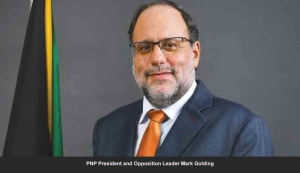








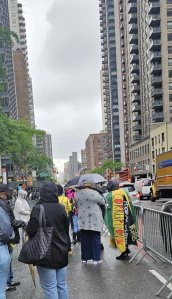





















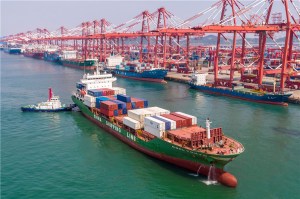
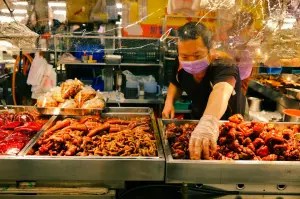
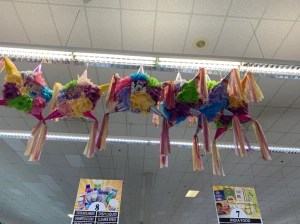
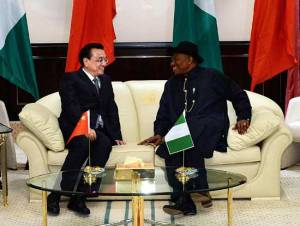
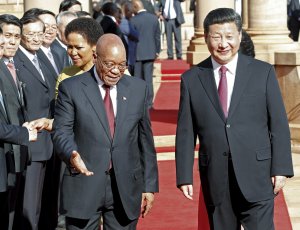
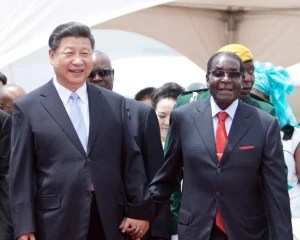


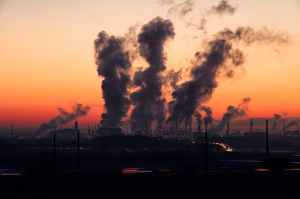





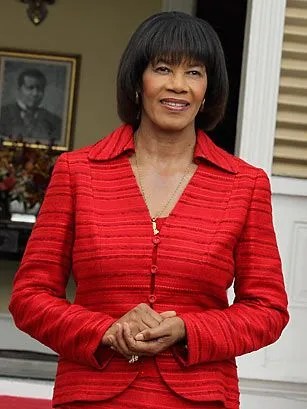









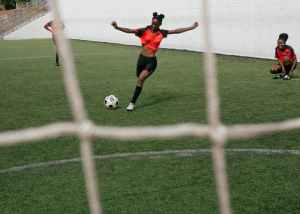








 GLOBAL COLLABORATION, EMPOWERMENT, LEADERSHIP, WELLNESS, AND RESILIENCE