
BY. R.D. Miller
A delicate balance for economic, and job security
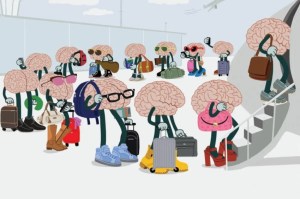
Brain Drain has been a global phenomenon for decades, affecting many impoverished and developing countries from the Caribbean to Asia, and Africa. These nations lose out on the expertise of exceptional teachers, nurses, and doctors who play a crucial role in nation-building and shaping the future generation.

According to experts, various reasons prompt these individuals to leave their homeland, including internal conflicts, anxiety, enticing job opportunities, or a longing for an improved quality of life.
Today, we’re witnessing a fresh surge of “Brain Drain” caused by the impact of COVID-19. It’s not about playing politics, seeking attention, or aligning with a single party. However, many of these highly trained individuals are starting to realize that their educational sacrifice can be a one way ticket out.
Individuals who spoke out about COVID-19’s experience working under difficult and inhumane conditions appeared to be silenced shortly after. This reduces responsibility, makes people more prone to errors, reduces best practices, and increases risks.
No matter where you are, it is never a good thing when your teachers, nurses, or doctors leave.
Some countries are tired of the lack of job satisfaction, inadequate facilities, flawed healthcare systems, and subpar educational systems. It’s not just about who holds power or controls the narrative, or which receiving country can pay the most.
Experts explain that this value is crucial for both personal growth within a company and for external factors like salary and job stability.
Those who have departed or are eagerly anticipating that phone call frequently discuss the antiquated Occupation Health and Safety laws, the absence of a robust pension plan, and the concerning lack of regulation that compromises protection and ethics, particularly in the field of medicine.
Prior to COVID-19, there were plenty of discussions about the pressing need for better technology, supplies, and equipment to save lives, including newborns.
These concerns echoed through the hospital wards. According to some individuals who have departed earlier, certain facilities allegedly put both nurses and patients at risk by increasing their likelihood of contracting an infectious disease.
In numerous regions plagued by ineffective governance and widespread allegations of corruption and mismanagement, the brain drain has a significant impact on various sectors, extending beyond healthcare.
It’s unfortunate that these issues continue to persist, makes the potential for migration and impeding local socio-economic growth.
COVID-19 really brought attention to that big elephant in the room.
COVID-19 revealed the lack of preparedness in even the most affluent industrialized nations with top-notch medical facilities, not to mention economically challenged territories.
The stories reverberate with the challenges of limited resources, exhausting work schedules, emotional strain from witnessing loss, and the frustration of not being able to apply their expertise to save lives.

Although government policies provided monetary relief and supplies, aided financial markets, and stimulated economic activity in response to business closures and unemployment, experts cautioned that it may be too late to retain many professionals seeking better-paying jobs and security.
Today, it’s clear that keeping nurses local takes precedence over any stimulus package passed by governments worldwide.
Regrettably, these packages won’t be able to fill the shoes with these professionals or bring back the countless lives lost on the front lines.
In addition, there is frustration among these dedicated workers, some of whom have also been infected with COVID-19 and have become victims of inadequate medical systems. Some also have concerns about difficulties in balancing work and family responsibilities, as well as emotions during this pandemic.
The choice of remaining or returning
Today’s new set of nurses may be the current focus, but this issue extends to various critical industries, including education. Numerous reports have indicated that once these individuals are trained, a significant number of them choose to leave.
Regrettably, it’s not just those who will be departing. Year after year, a multitude of bright young minds in the Caribbean and beyond embark on their journey to acquire nursing degrees and essential medical assistant training in places like Germany, Cuba, Canada and the United States.

Healthcare studies reveal that a significant percentage of medical systems are now hiring nurses who have received their education abroad. This trend is on the rise and shows no signs of slowing down.
The role of a nurse is equally vital, alongside that of a skilled doctor, a dedicated police officer, a passionate teacher, and other professions that contribute to our community.
Their presence in these facilities often allows families to have apiece of mind, sparing them from taking time off work or enduring a night on an uncomfortable chair while waiting for a doctor’s response.
These first responders have a multitude of roles beyond just being doctors’ assistants. They are the ones who ensure everything runs smoothly, from setting up a clean bed to accompanying patients, even those with mental health concerns.
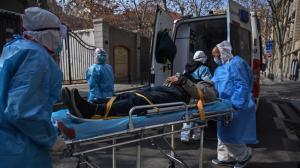
Additionally, they offer guidance and comfort to families during difficult times.
The workforce of a country plays a vital role in its capacity to innovate and thrive in a global economy. Ensuring the well-being and sustainable development of a nation showcases its capacity to cultivate capable individuals and proactive problem-solvers with invaluable expertise. Providing incentives is crucial for maintaining a motivated workforce.
Studies have indicated an increase in demand from countries like the United States, Canada, and the United Kingdom, as well as other nations affected by COVID-19 will be looking to address the exposed gaps, and the shortage of well-trained nurses.
Working visas that are in high demand have become an irresistible opportunity for many to embark on a journey towards permanent residency. In the event of another pandemic, these nurses will be prepared with a surplus of gowns, masks, and ventilators.
Moreover, scholars reported that recruiters are cognizant of the profound influence imported nurses have had on numerous industrialized nations, notwithstanding recent restrictions on immigration prompted by politics, prejudice, and other ideologies towards certain immigrants.

Many industrialized health care systems, economic progress, and social development are all eagerly anticipating the arrival of the subsequent cohort of prospective applicants.
There are also organizations and support groups stand to benefit from assisting many of these young students in migrating from their home country with these critical skills.
PART II
After graduation, it is more than a paycheck for these professionals.
Brain drain is not always about money, but also a better work-life balance (spouses, parents, children’s future), with the hopes of a well-prepared system and organizational management, job protection, and consistency.
Even for those who may consider looking beyond the local issues and wanting to return to their native land to give back, and escape from the harsh weather, it is the responsibility of the leaders to create incentives for those trained individuals to return or, as mentioned earlier, to encourage them to stay locally.
Again, it is more than just nurses who want to leave these locations, as I know from working with some of them who have shared their personal experiences.
These nurses’ future departure is not due to poor leadership alone, gender equality, or nationality desertion. Few will admit the lack of a good education and there little few investments in research and development.
In addition, numerous manufacturing companies have departed from the town, which could have provided an alternative career path for many individuals in these impoverished and developing nations.
Unfortunately, the few success stories now face enormous student loans, under employment safety concerns due to high crime, and reports of inadequate support structure to alleviate emotional scarring.

Today, some argued that veteran nurses are skipping vacations out of fear of losing their jobs, which could result in the current wage being reset after years of hard work.
They discussed how, while missing their own country, sometimes being in isolated locations, and having some difficulty adjusting to the culture, the benefits outweighed the negative aspects.
They are critical areas to a nation’s economic stability and prosperity, such as urban planning, social workers, corrections, counselors, notably substance abuse and mental health, technology, and sports medicine, which are now contributing to these other countries’ robust healthy economies.
Although some have returned, there is still a significant gap between the haves and have-nots in many Brain Drain countries. The question is not if they will depart again, but when.
Viewing closely:
Healthcare experts and scholars predict that the demand for hospital and home-based care will increase in the coming decades due to factors such as the aging population and the ongoing impact of COVID-19 and other medical issues. As a result, the role of nurses will become increasingly vital in meeting these growing healthcare needs.

Take for example, experts have noted, the Caribbean Single Market and Economy’s promise of collaboration remains emblematic as the global hunt for talent continues.
During the height of the pandemic, instead of collaboration, there was a sense of competition in various areas. It became more of a race for equipment and Personal Protective Equipment (PPE), with participants engaging in fierce battles akin to modern-day pirates. Supply and demand turned into a political sport.
Poor and emerging countries, as well as several dominant Caribbean islands like Jamaica, Trinidad and Guyana, Belize, Haiti, and other Latin American and African countries, whose long-term economic illnesses have debilitated major public medical institutions for decades, stand to lose a lot from the ongoing brain drain.
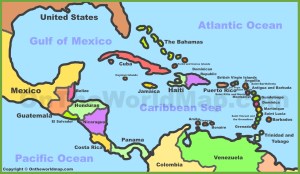
Efficient collaboration in healthcare is crucial to ensure that all CARICOM members, particularly those in underprivileged areas, have access to comprehensive medical care beyond vaccinations.
This collaboration should also extend to the educational system, in order to cultivate and educate young individuals in various sectors of the economy.
Many young individuals are not willing to incur significant student debt in order to pursue a successful career. One of the reasons individuals choose to leave is their willingness to sacrifice training demands. Once they complete a program, they exit.
Furthermore, the current medical system, which has outgrown its aging population, as well as the rising cost of healthcare, must be addressed.
Traveling , especially the more remote ones, can be quite a journey to get to a medical facility. It’s not like those well-organized places with better accessibility.

Ensuring the safety and well-being of these invaluable medical professionals goes beyond mere bed space availability or the number of press conferences held.
It’s about holding the medical system to a higher standard, reducing turnover, and safeguarding these dedicated workers.
Additionally, creating a structure that connects job enjoyment and organizational dedication to all parties involved, rather than just for profit alone.
The complexity of care remains a global challenge.
It would be worth exploring a system similar to Cuba’s, where, despite travel limitations, Cuban doctors and nurses have contributed their experience to the fight against various diseases and pandemics. Caregivers are becoming increasingly important globally, regardless of political systems or financial arrangements.
While the region is fortunate to have some exceptional doctors in private institutions, it seems that a few of them are nearing retirement and could benefit from staying up-to-date with the latest cutting-edge technologies.
There are reports of little modernization throughout these regions, but one cannot have faith in the system if some leaders appear to have a “pre-existing condition” that is a defensive and basic question asked about the number of people tested for COVID-19, or died or other socio-economic numbers like crime, poverty rates, but stimulus checks handed out are published.
Politics should never exploit or divide the valuable experiences of caregivers, regardless of their origin or location. Their roles are absolutely crucial, extending far beyond the mere act of making a brief appearance at a nearby store to hastily fix a road just a week before an election.
While there may be arguments that things are improving, it is important to consider how people feel as another aspect of the equation.
Today, you may be on a bus, train, or subway, and the next person in uniform, if you can inquire where they are on their way to their next shift, give them a seat if they need one; after all, a country’s economic growth is determined on how healthy its society.

Make a one-time donation
Make a monthly donation
Make a yearly donation
Choose an amount
Or enter a custom amount
Your contribution is appreciated.
Your contribution is appreciated.
Your contribution is appreciated.
DonateDonate monthlyDonate yearlyFollow My Blog
Get new content delivered directly to your inbox.
 GLOBAL COLLABORATION, EMPOWERMENT, LEADERSHIP, WELLNESS, AND RESILIENCE
There are huge gaps, especially with the more specialized nurses like ICUs etc – and they are in demand overseas. And how on earth will Jamaica be able to entice qualified nurses back to the island?
LikeLike